30 June 2026
Tai Chi for Emotional Balance: Learning to Move With What You Feel
Emotional balance does not mean feeling calm, positive, or steady all the time. It also does not mean avoiding discomfort, suppressing difficult emotions, or trying to stay unaffected by life.
A more realistic understanding of emotional balance is the ability to notice what you are feeling, recognize how those feelings are showing up in the body, and create enough internal space to respond with more awareness. This kind of balance is not about controlling every emotion. It is about developing a steadier relationship with emotions as they move through the body and mind.
Tai Chi may support emotional balance because it gives the body a structured way to slow down, stay present, move with awareness, and practice responding to internal experience without immediately reacting, suppressing, or becoming overwhelmed.
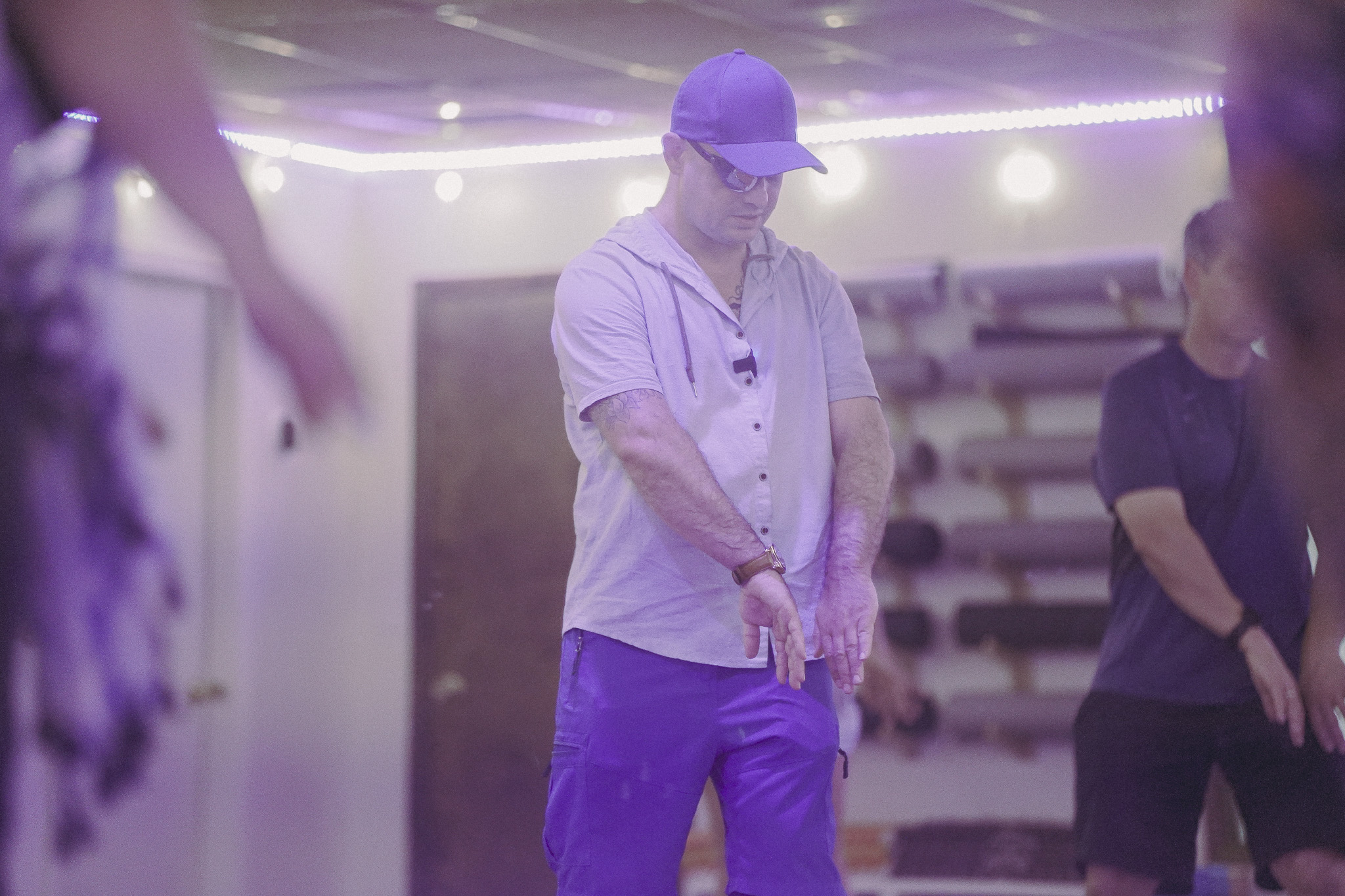
Tai Chi offers a gentle way to practice awareness, grounding, and emotional steadiness through movement.
Tai Chi may support emotional balance by helping you practice:
A more grounded relationship with what you feel, rather than a pressure to control every emotion.
- Noticing emotions in the body
- Slowing down before reacting
- Returning to the breath
- Grounding through the feet
- Moving through discomfort with awareness
- Recognizing tension patterns
- Building steadiness through repetition
What emotional balance actually means
Many people misunderstand emotional balance as the ability to remain calm in every situation. While calm can be helpful, it is not realistic to expect the body and mind to remain peaceful through every challenge, transition, disappointment, conflict, or season of stress. Human beings are meant to feel. Emotions provide information about needs, boundaries, safety, connection, loss, pressure, and change.
Emotional balance is better understood as the ability to stay connected to yourself while emotions are present. This may include noticing anger without immediately lashing out, recognizing anxiety before it becomes overwhelming, allowing sadness without judging it as weakness, or acknowledging stress before it turns into resentment, shutdown, or overextension.
This is where Tai Chi can be supportive. The practice does not teach emotional balance by asking people to ignore what they feel. Instead, it teaches balance by training awareness, patience, breath, posture, and movement. These body-based skills can help people develop a more grounded relationship with emotions as they arise.
Emotional balance is not the absence of emotion. It is the ability to remain connected to yourself while emotion is present.
Emotions are often experienced through the body
Although emotions are commonly described in mental or psychological terms, they are often experienced physically. Anxiety may feel like tightness in the chest, restlessness in the body, shallow breathing, or a racing mind. Anger may show up as heat, jaw tension, clenched hands, or a sharper tone of voice. Sadness may feel heavy, slow, or difficult to name. Overwhelm may appear as fatigue, numbness, irritability, or the desire to withdraw.
Because emotions show up in the body, movement-based practices can become a meaningful part of emotional wellbeing. Tai Chi gives people a way to notice the physical language of emotion without needing to immediately explain, analyze, or fix everything. Through slow movement, a person may begin to recognize where tension is held, how the breath changes, and what happens in the body when attention becomes more present.
This body-based awareness is important because emotions often become harder to manage when they are not noticed until they have already intensified. By helping people notice earlier signals, Tai Chi can support the process of emotional regulation in a practical and accessible way.
When emotions are noticed in the body earlier, there is more opportunity to respond with care instead of reacting from pressure, urgency, or habit.
Tai Chi is not a replacement for emotional or mental health care
It is important to be clear that Tai Chi is not a replacement for therapy, medication, medical care, psychiatric support, trauma-informed treatment, or crisis services. If someone is experiencing persistent distress, panic, depression, trauma symptoms, thoughts of self-harm, or difficulty functioning, support from a qualified mental health professional may be necessary.
At the same time, many people benefit from supportive wellness practices that help them build awareness between therapy sessions, manage everyday stress, or reconnect with the body in a non-clinical setting. Tai Chi can be one of those supportive practices because it is gentle, structured, and focused on movement, breath, balance, and mindful attention.
The value of Tai Chi is not that it eliminates emotional difficulty. Its value is that it can help people practice noticing what is happening internally, staying connected to the body, and creating a more intentional relationship with how they move through emotional experiences.
Tai Chi can support emotional wellbeing as part of a broader care routine, but it should not replace professional mental health support when that support is needed.
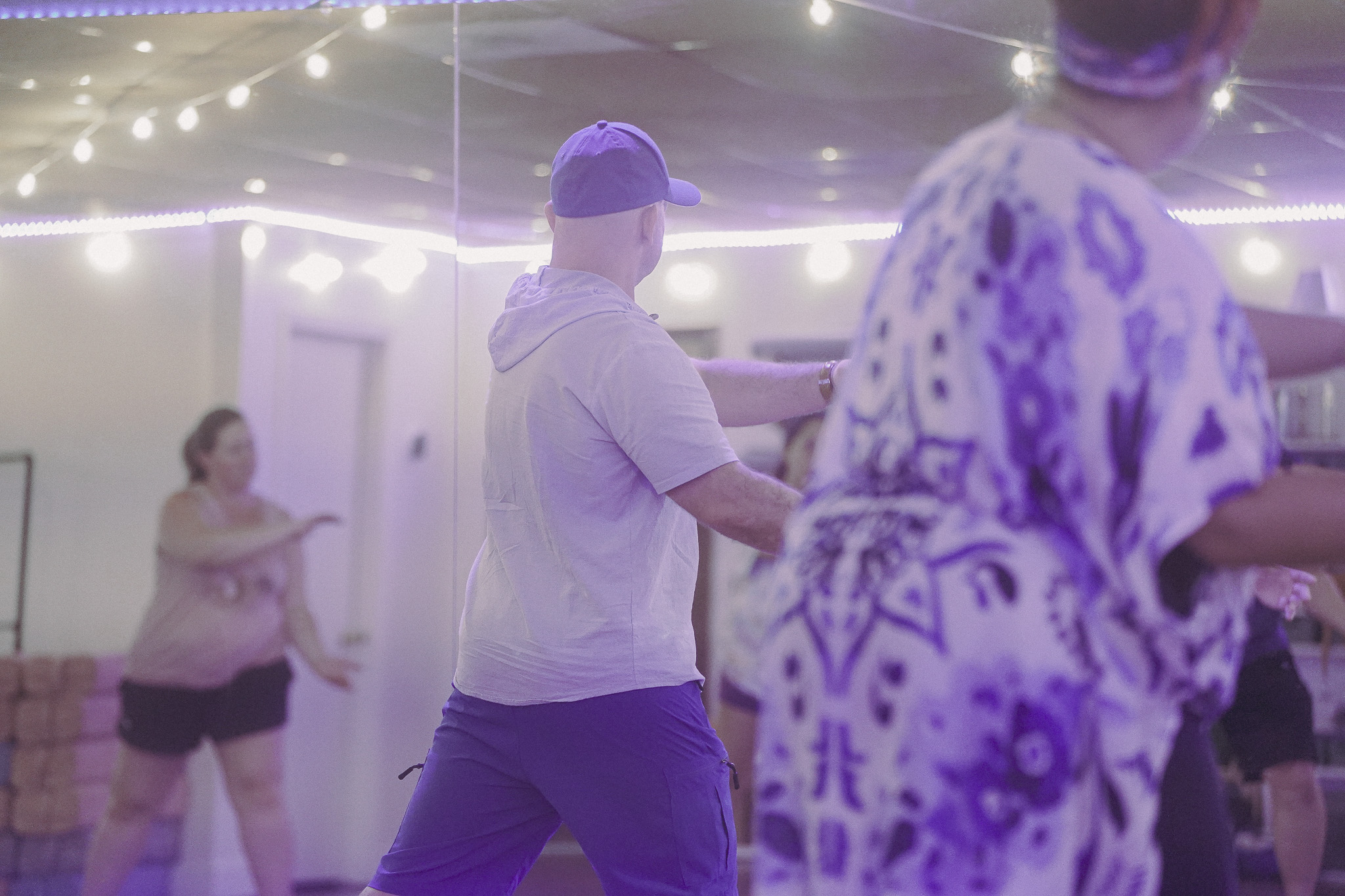
Tai Chi can offer a body-based practice that supports emotional awareness alongside other forms of care.
Learning to move with emotion instead of resisting it
Many people are taught to resist, hide, or override emotions. They may learn to push through sadness, control anger, dismiss anxiety, ignore fatigue, or keep functioning even when their body is asking for care. Over time, this can create a pattern where emotions are either suppressed until they become heavy or expressed only after they have built up too much intensity.
Tai Chi offers a different kind of practice. Rather than treating emotion as something to conquer, Tai Chi teaches people how to stay present with movement, breath, and physical awareness. When discomfort is present, the practice provides structure. The feet remain connected to the ground. The breath can be noticed. The body moves slowly. Attention returns to the present moment through the sequence.
This does not mean that Tai Chi processes every emotion automatically. It means the practice can help people develop the capacity to remain present with internal experience instead of immediately resisting it. Learning to move with what you feel can become a way of building emotional steadiness, especially for people who are used to disconnecting from their body during stress.
Moving with emotion does not mean letting emotion control every action. It means allowing yourself to remain present enough to understand what is happening before deciding how to respond.
Anxiety
Tai Chi may help bring attention back into the body when the mind is focused on future concerns or uncertainty.
Anger
Slow movement may help reveal physical activation, such as jaw tension, clenched hands, heat, or pressure in the body.
Sadness
Gentle movement can provide a structured way to stay connected when emotions feel heavy, quiet, or difficult to name.
Overwhelm
The practice can help organize attention through breath, movement, grounding, and simple physical cues.
Tai Chi supports emotional balance through grounding
Grounding is an important part of emotional balance because emotions can pull attention away from the present moment. Anxiety may pull attention into the future. Sadness may pull attention into memory. Anger may pull attention into reaction. Overwhelm may make attention feel scattered, numb, or difficult to organize.
Tai Chi supports grounding by bringing awareness back to the feet, posture, balance, breath, and movement. These are practical anchors. When a person feels the feet on the floor, notices how weight shifts, and moves slowly from one position into another, attention has a clear place to return. This can help create a more stable internal experience during moments when emotion feels strong.
Grounding does not mean an emotion disappears. It means the person has a stronger connection to the body while the emotion is present. That connection can create more space for thoughtful response, self-care, communication, or support.
Grounding helps emotional balance by giving the body a present-moment anchor while feelings are moving through.
Breath awareness helps identify emotional activation
The breath often changes when emotions are active. A person may hold their breath when anxious, breathe shallowly when overwhelmed, sigh frequently when tired, or feel restriction in the chest when sadness or stress is present. Because these patterns can become familiar, many people do not notice the breath until the body feels uncomfortable.
Tai Chi creates space to observe the breath during movement. The practice does not usually require forcing the breath into a rigid pattern. Instead, it encourages awareness. As the movement slows, the breath becomes easier to feel. A person may notice when the breath is restricted, where the body is holding, or how an exhale changes the level of tension in the shoulders or jaw.
This kind of breath awareness can support emotional balance because the breath often reveals activation before the mind has fully named the feeling. If someone notices that the breath has become shallow or held, that awareness can become a signal to slow down, ground, and check in.
The breath can act as an early signal that the body is emotionally activated, even before the feeling is fully understood.
Slow movement helps create space before reaction
Emotional imbalance often shows up when feeling moves immediately into reaction. A person may feel hurt and withdraw, feel anxious and over-explain, feel angry and speak sharply, or feel overwhelmed and shut down. These responses may be understandable, especially when they have been shaped by stress or past experiences, but they do not always create the outcome a person wants.
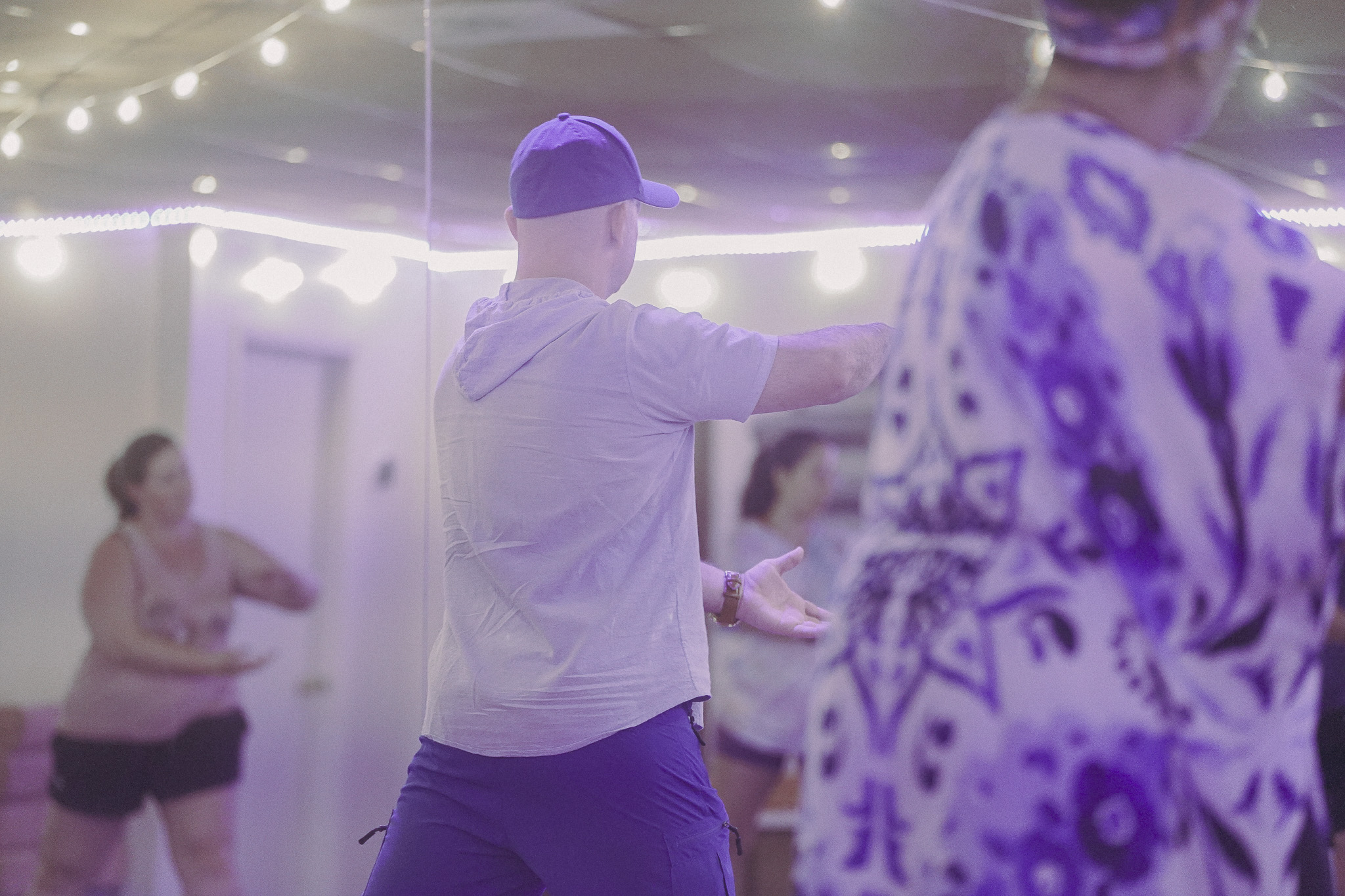
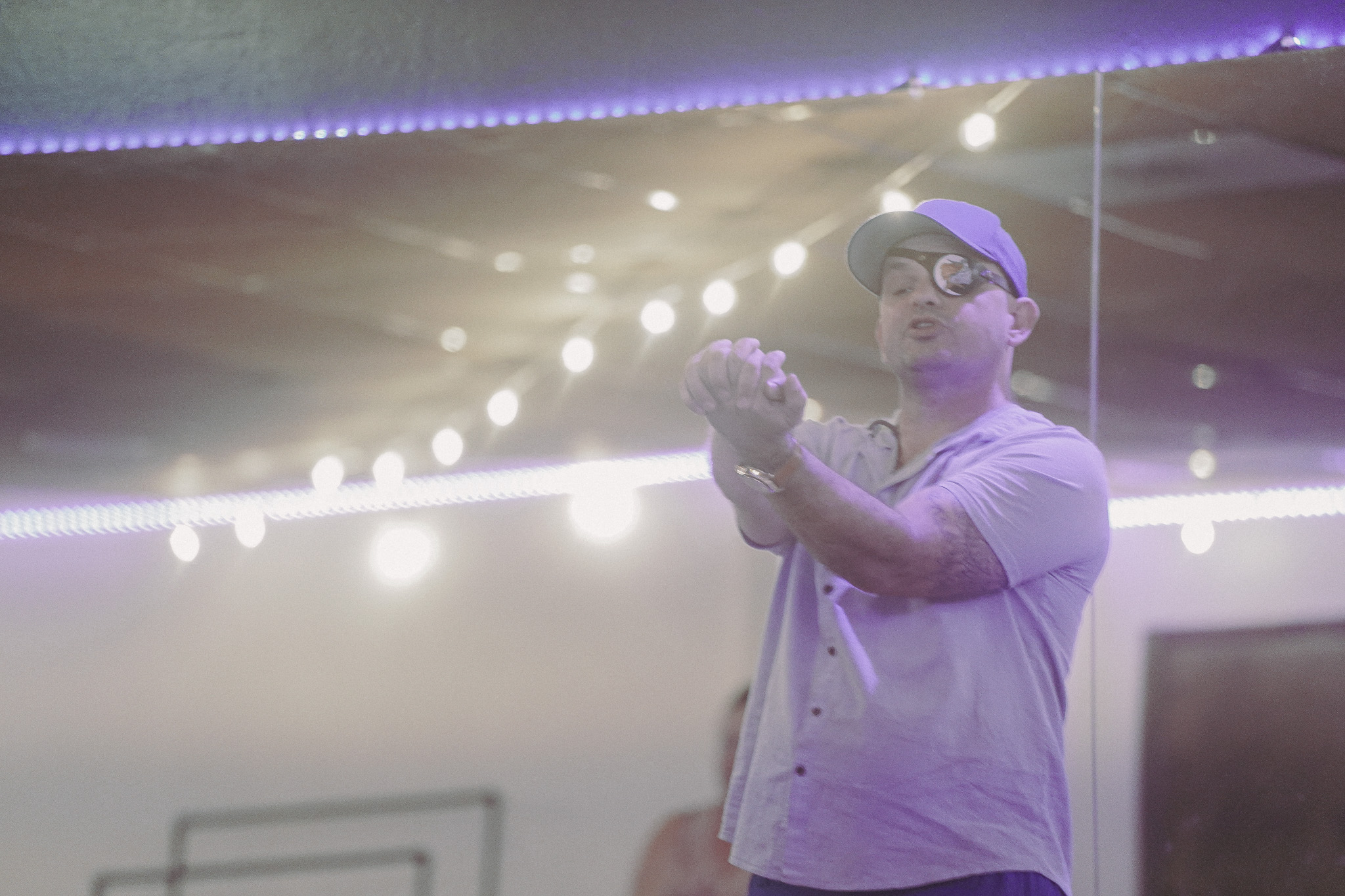
Tai Chi helps train the body to slow down before moving into the next action. In class, the transition between movements matters. You notice where the weight is before stepping. You observe the breath before shifting. You pay attention to posture before extending the arms. This repeated attention to transition can become a useful model for emotional life.
With practice, a person may begin to recognize that there is also a transition between feeling and reacting. Even if that space is very small at first, it can become meaningful. One breath, one moment of noticing the feet, or one recognition that the body is activated can help create a more intentional response.
Slow movement trains the body to respect the space before the next action, which can support more intentional emotional responses.
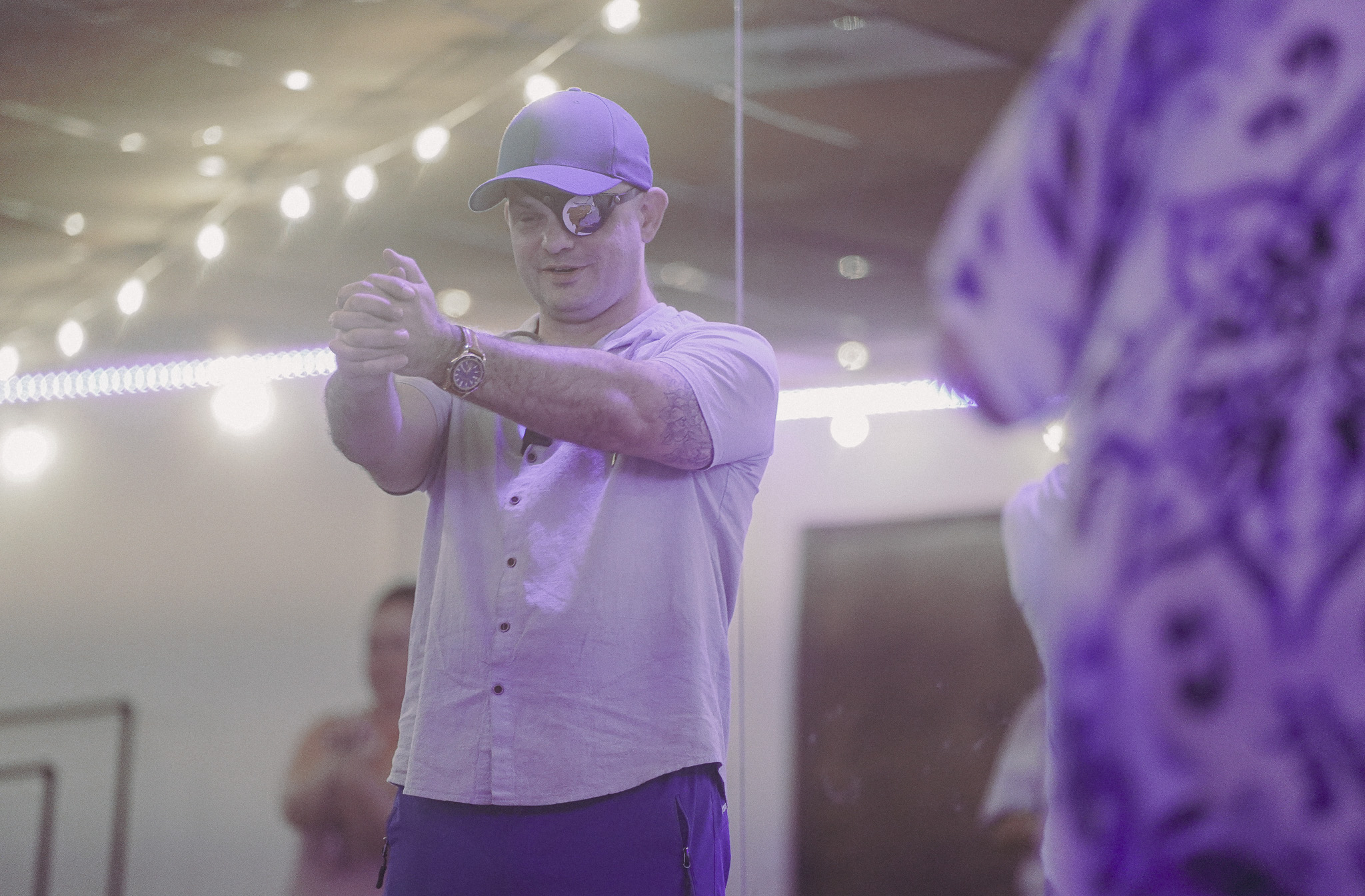
The transitions in Tai Chi can help people practice patience, awareness, and steadiness before moving into action.
Emotional balance requires self-awareness, not self-judgment
Many people try to manage emotions by judging themselves. They may criticize themselves for being too sensitive, too reactive, too anxious, too angry, too tired, or too affected by life. While self-judgment may create temporary control, it often increases tension and makes emotional patterns harder to understand.
Tai Chi supports a different approach because the practice is based on observation. You notice how the body moves. You notice when the breath becomes restricted. You notice when balance feels uncertain. You notice when the shoulders rise or the hands grip. These observations are not framed as failures. They are information.
This matters because emotional balance grows more sustainably when people can observe their internal experience without immediately attacking themselves for having it. Tai Chi can help strengthen that capacity by creating a practice environment where noticing is valued more than performing perfectly.
Self-awareness gives people information. Self-judgment often adds more tension to what is already difficult.
Observation
The practice encourages you to notice what is happening in the body without immediately labeling it as wrong.
Patience
Because the movements take time to learn, Tai Chi naturally invites patience with the body and the process.
Adjustment
When tension or imbalance appears, the practice allows you to adjust rather than criticize yourself.
Compassion
Learning gradually can support a more compassionate relationship with your body and emotional patterns.
Tai Chi can support emotional balance in relationships
Relationships often bring emotions to the surface. Conversations with partners, family members, children, coworkers, friends, or community members can activate stress, defensiveness, fear, disappointment, guilt, or frustration. In these moments, emotional balance becomes practical because it affects how a person communicates, listens, sets boundaries, and repairs connection.
Tai Chi does not solve relationship challenges by itself, but it can support the internal awareness needed to navigate them more intentionally. If a person becomes more aware of physical activation, they may recognize when a conversation is affecting their body. They may notice that their breath has changed, their jaw has tightened, or their shoulders have lifted before they respond.
This awareness can create a small but important pause. Instead of immediately reacting, a person may choose to breathe, ask for clarification, slow their tone, or take space before continuing. These are practical skills that support emotional balance because they help prevent emotions from becoming automatic reactions.
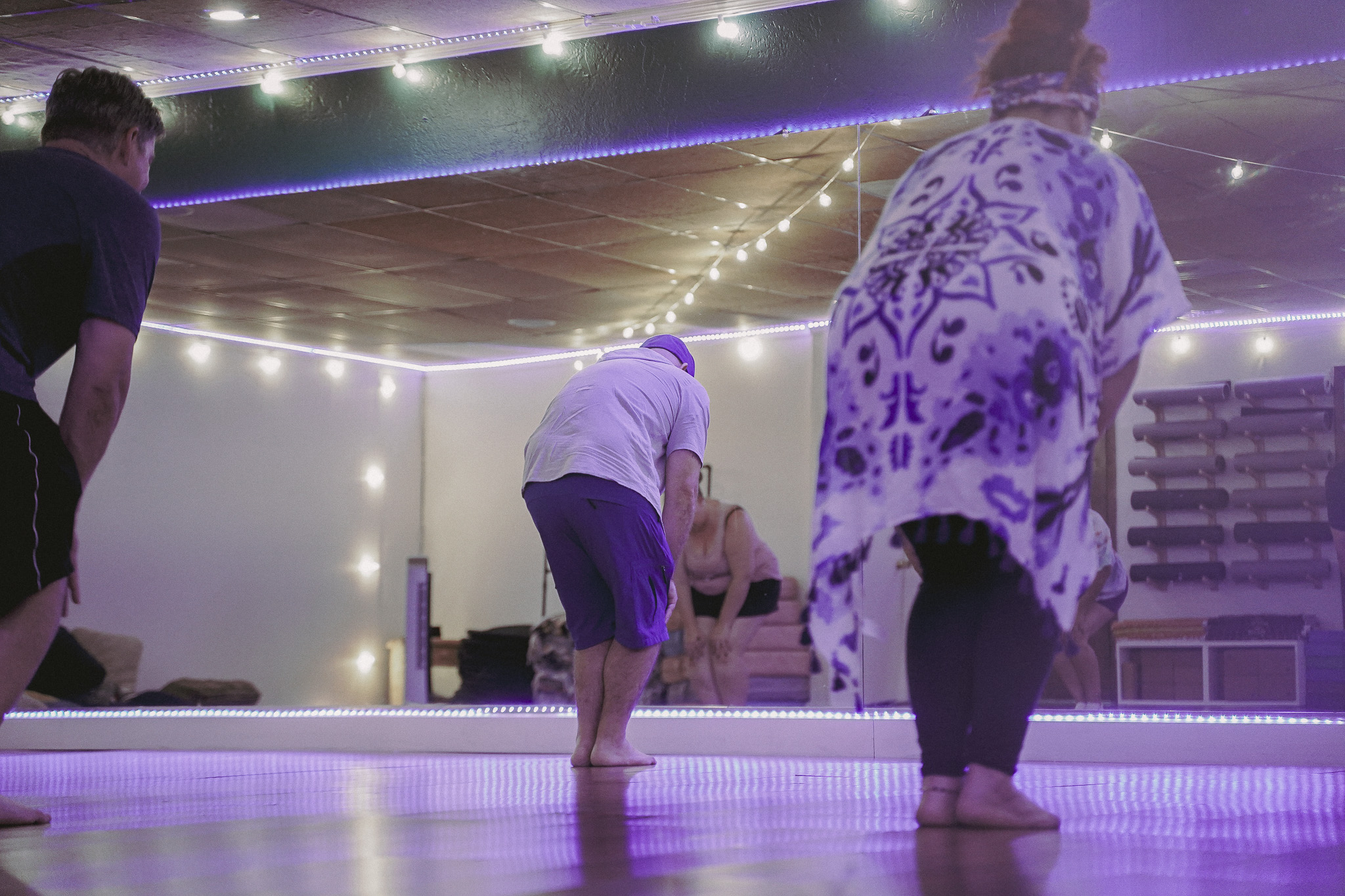
Emotional balance in relationships often begins with recognizing what is happening inside the body before speaking or withdrawing.
Tai Chi can help people who feel emotionally overwhelmed
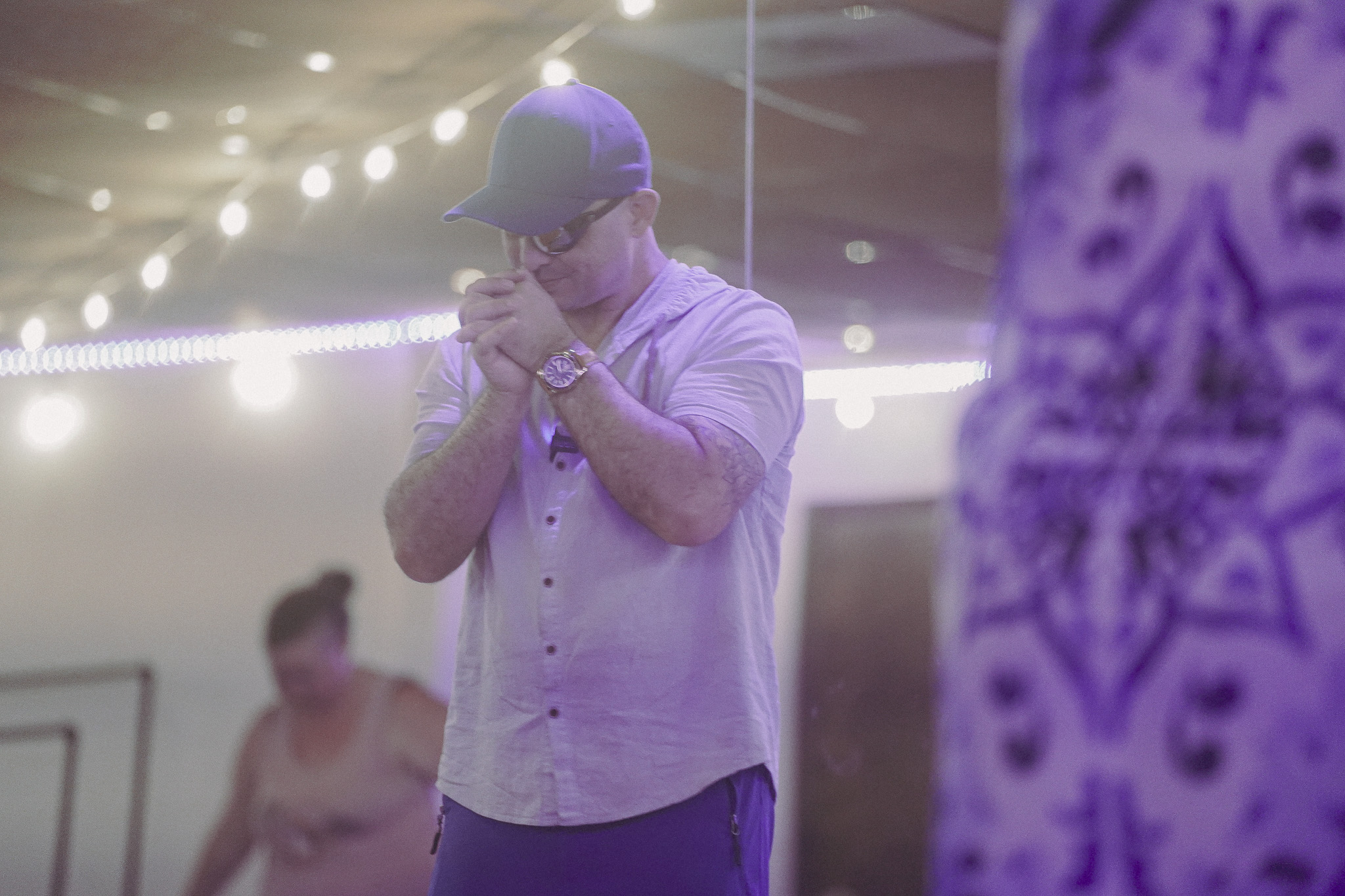
Emotional overwhelm can make it difficult to know where to begin. A person may feel too full to talk, too restless to sit still, too tired for intensity, or too disconnected to clearly identify what they need. In these moments, a gentle movement practice can provide structure without requiring the person to explain everything immediately.
Tai Chi can be supportive because it gives the body a specific task that is not overly demanding. The person can follow the movement, feel their feet, notice the breath, and move slowly enough to become more present. The practice does not require a dramatic emotional release, and it does not require the person to arrive already calm.
For people who feel overwhelmed, this can be meaningful. The practice offers a way to participate in emotional care without needing to process everything at once. It creates a gentle container where awareness can build gradually.
When emotions feel overwhelming, gentle movement can provide structure, pacing, and body-based support without adding pressure.
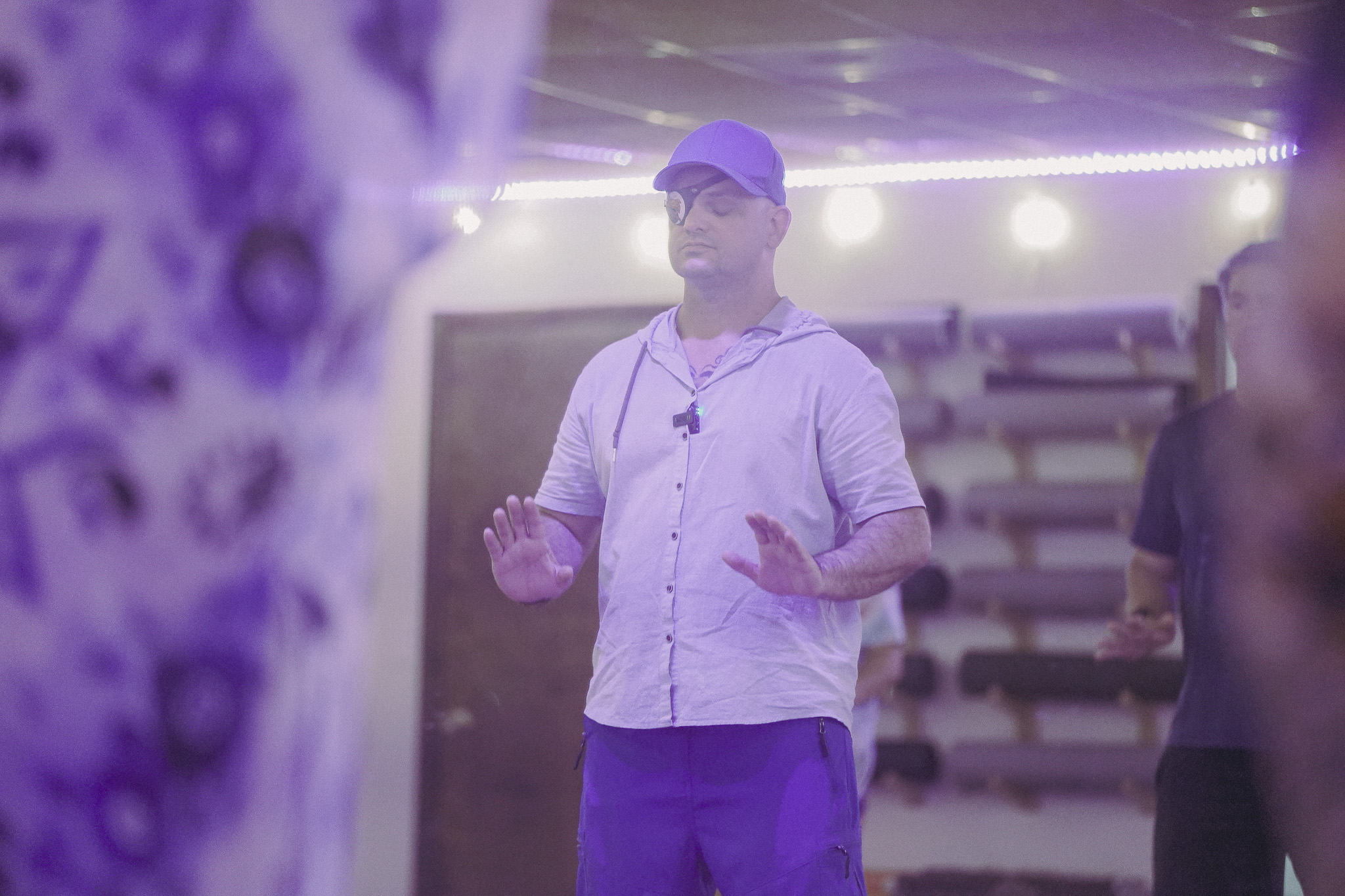
Tai Chi can offer a supportive middle ground for people who feel too overwhelmed for stillness and too depleted for intensity.
Emotional balance develops through repetition
Emotional balance is not usually developed through one class, one realization, or one moment of calm. It is built through repeated experiences of noticing, pausing, grounding, and returning. This is why consistency matters in Tai Chi. The practice gives the body and mind regular opportunities to build familiarity with steadiness.
At first, a beginner may focus mainly on learning the movements. They may feel awkward, distracted, or uncertain. Over time, however, the practice can become less about remembering the sequence and more about noticing the body’s relationship to stress, tension, breath, and transition.
This gradual process is important because emotional patterns are often learned through repetition as well. If someone has repeatedly reacted quickly, suppressed emotion, ignored body signals, or pushed through stress, the body may need repeated practice in a different pattern. Tai Chi offers that pattern through slow movement, breath awareness, grounding, and nonjudgmental observation.
Emotional balance is strengthened through repeated practice, not through expecting the body to change its patterns immediately.
First Layer
You may begin by learning the movements, adjusting to the pace, and noticing how the body responds to slowness.
Second Layer
You may start recognizing tension, breath patterns, balance challenges, or places where the body rushes.
Third Layer
You may begin connecting what happens in class to emotional patterns that appear in daily life.
Integration
With consistency, the practice may become a supportive tool for grounding, pausing, and responding with more awareness.
Learning to move with what you feel in daily life
The purpose of Tai Chi is not limited to what happens during class. The awareness developed in the practice can become useful in everyday emotional moments. A person may begin noticing when stress changes their posture, when frustration tightens the jaw, when anxiety shortens the breath, or when sadness makes the body feel heavy.
These moments are important because they create opportunities for a different response. Instead of pushing past the feeling or reacting immediately, a person may be able to pause, breathe, soften unnecessary tension, or choose a next step with more awareness. This does not mean emotional balance becomes perfect. It means the person has more tools for staying connected during real-life situations.
In this way, Tai Chi can become a practical support for daily emotional wellbeing. It helps people practice how to stay with themselves during transition, discomfort, uncertainty, and stress. The movement becomes a model for life: slow down, notice where you are, shift with care, and move into the next moment with more intention.
Moving with what you feel means learning how to stay connected to your body while life continues to ask you to respond.
Tai Chi and The Healing Tree Collective
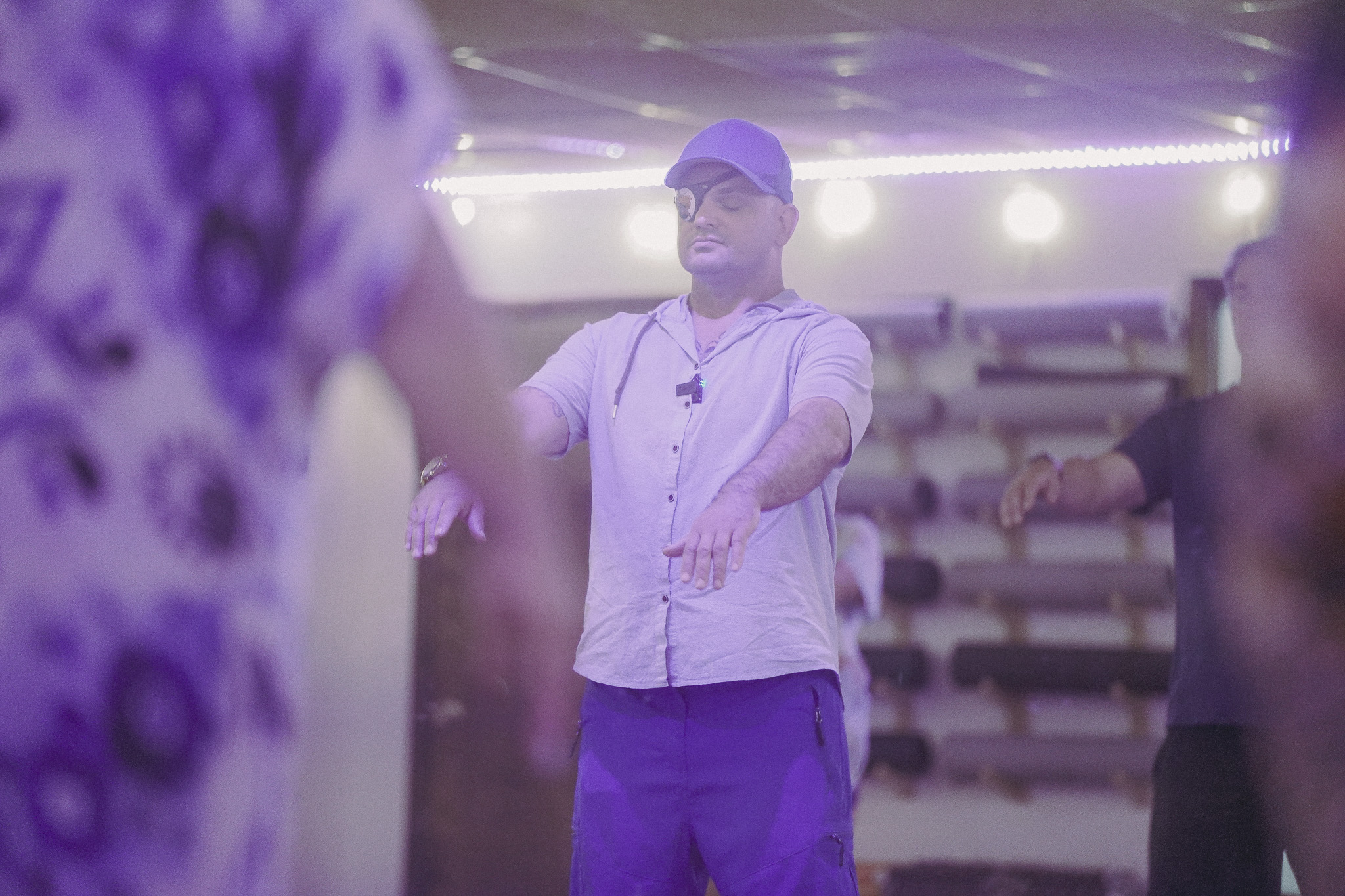
At The Healing Tree Collective, we believe emotional wellbeing should be supported in ways that feel accessible, practical, and connected to the body. Many people are trying to manage emotions while also navigating work, family responsibilities, grief, stress, relationships, community roles, and the pressure to keep moving forward. In that reality, emotional balance cannot be treated as something abstract. It has to be practiced in real life.
Tai Chi fits naturally into our approach because it gives people a gentle, structured way to practice awareness. It does not require prior experience, athletic ability, or a perfectly calm mind. It simply invites people to move slowly, notice the body, connect with the breath, and develop a steadier relationship with internal experience.
Our mission is to create accessible wellness spaces where people can heal, grow, and reconnect with themselves through practices that feel supportive, educational, and real. Tai Chi supports that mission because it offers a way to practice emotional balance through the body, helping people learn how to move with what they feel rather than disconnect from it.
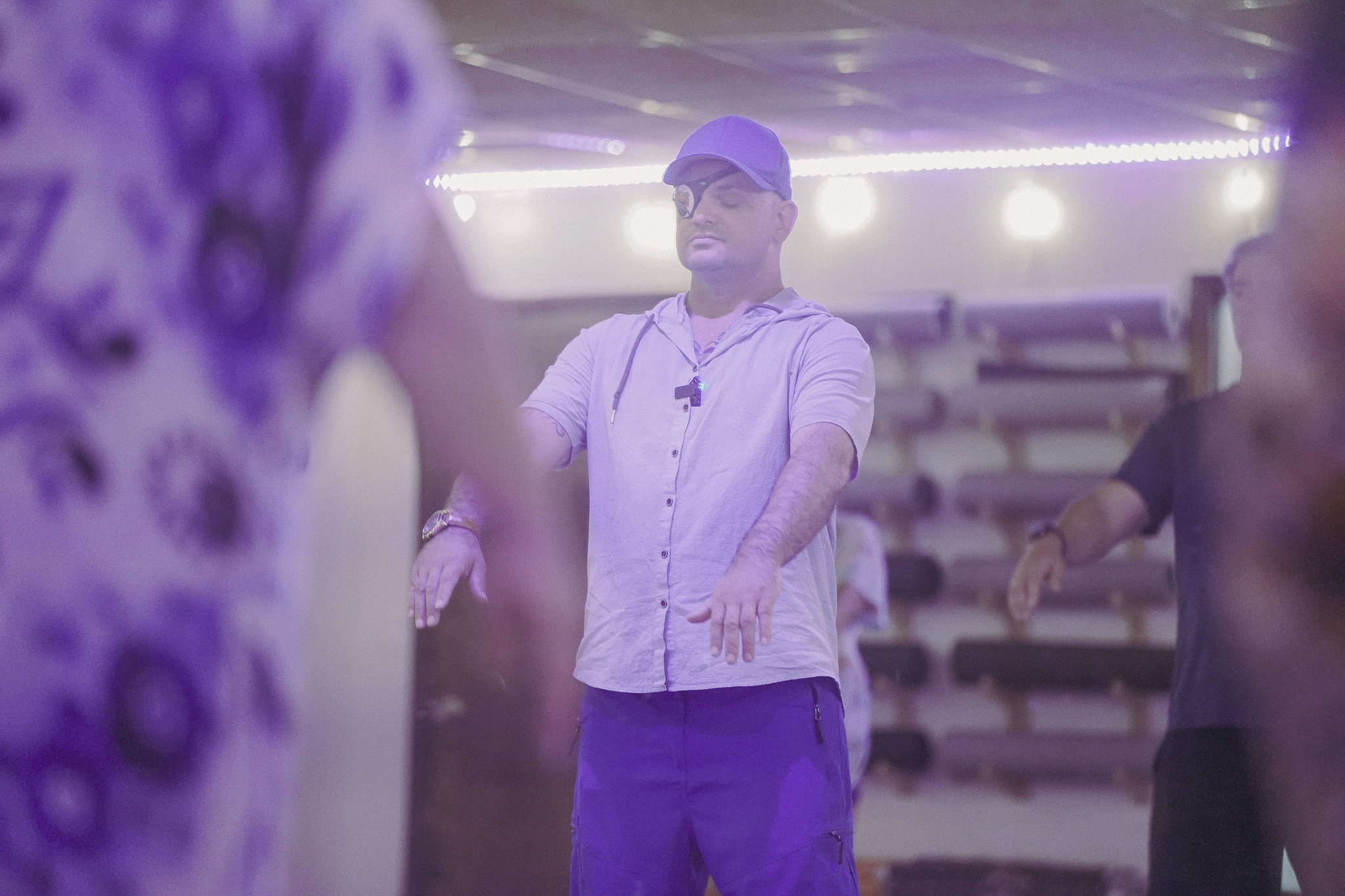
At The Healing Tree Collective, Tai Chi is offered as a practice for real emotional life: a way to slow down, notice what is present, and return to the body with more awareness and care.
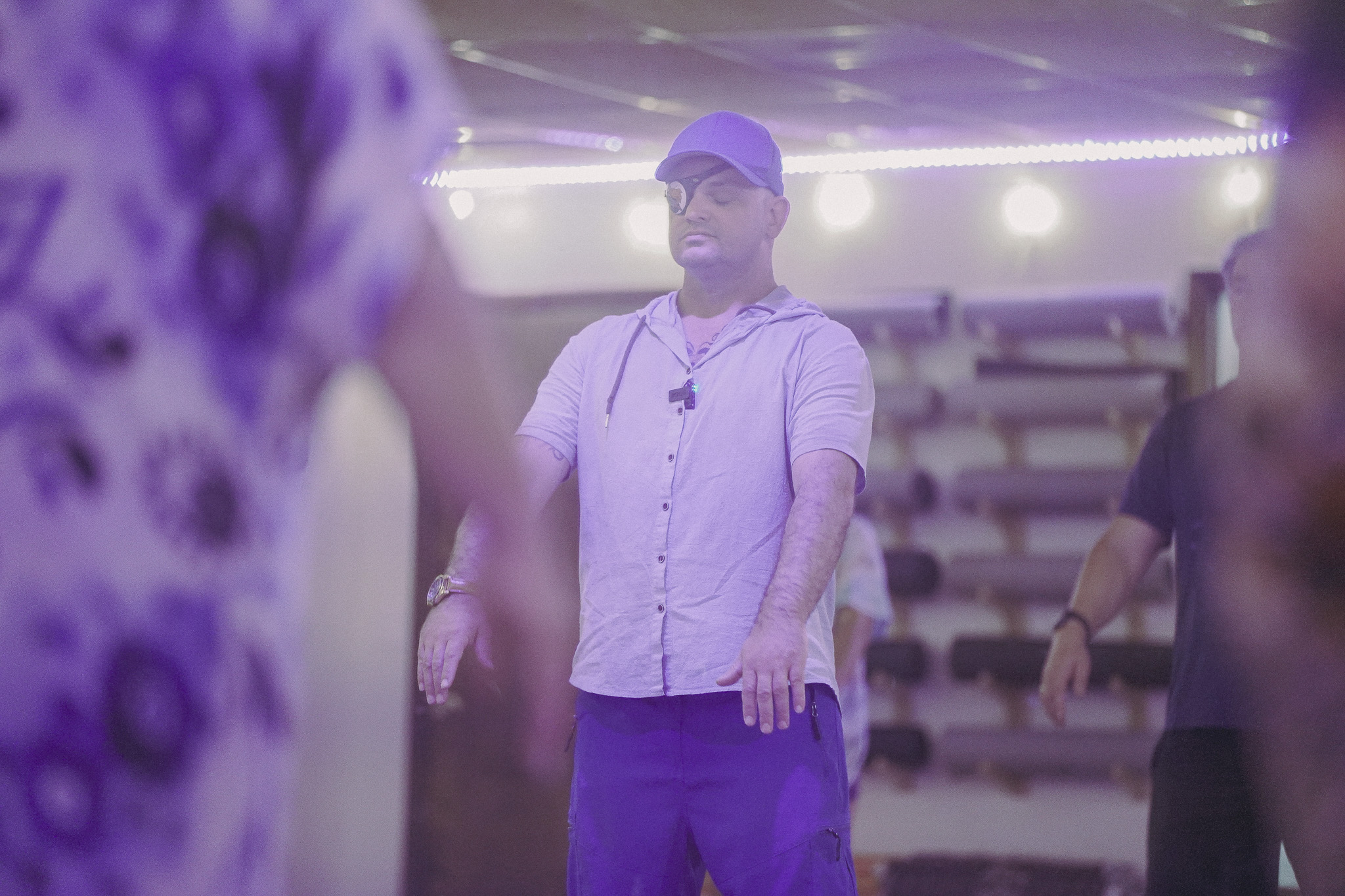

Final thoughts: emotional balance is something you can practice
Tai Chi may support emotional balance because it gives the body and mind a structured way to slow down together. Through gentle movement, breath awareness, grounding, posture, balance, and mindful transitions, the practice helps people notice how emotions show up physically and how the body responds to stress.
The goal is not to become unaffected by life. The goal is to build a more conscious relationship with what you feel. Tai Chi can help create space between emotion and reaction, support awareness of breath and tension, and provide a consistent practice for returning to the present moment.
For people who feel overwhelmed, emotionally full, reactive, disconnected, or unsure how to begin listening to their bodies, Tai Chi can offer a gentle and practical place to start. It does not require perfection. It requires willingness, repetition, and the opportunity to move with awareness.
Tai Chi supports emotional balance by helping people practice moving with what they feel, instead of ignoring it, rushing past it, or reacting before they have had time to listen.
Looking for Tai Chi for emotional balance in Tempe, Arizona?
At The Healing Tree Collective, our beginner-friendly wellness classes are designed to support stress relief, mindfulness, body awareness, and deeper connection. If you are curious about Tai Chi, moving meditation, emotional wellbeing, or gentle mind-body practices, you are welcome to begin here.