3 July 2026
The Healing Tree Collective • Tempe, Arizona
Tai Chi for People Who Feel Disconnected From Their Body
Feeling disconnected from your body can be difficult to describe, but many people recognize the experience when they pause long enough to notice it.
It may feel like living mostly in your head, moving through the day on autopilot, ignoring physical needs until they become urgent, or realizing that you only notice your body when it is tense, tired, uncomfortable, or overwhelmed. For some people, disconnection develops gradually through stress, busyness, emotional strain, caregiving, overworking, trauma, burnout, or years of being taught to push through discomfort rather than listen to it.
Tai Chi may support people who feel disconnected from their bodies because it offers a gentle, structured way to rebuild body awareness through slow movement, breath, grounding, balance, and mindful attention.
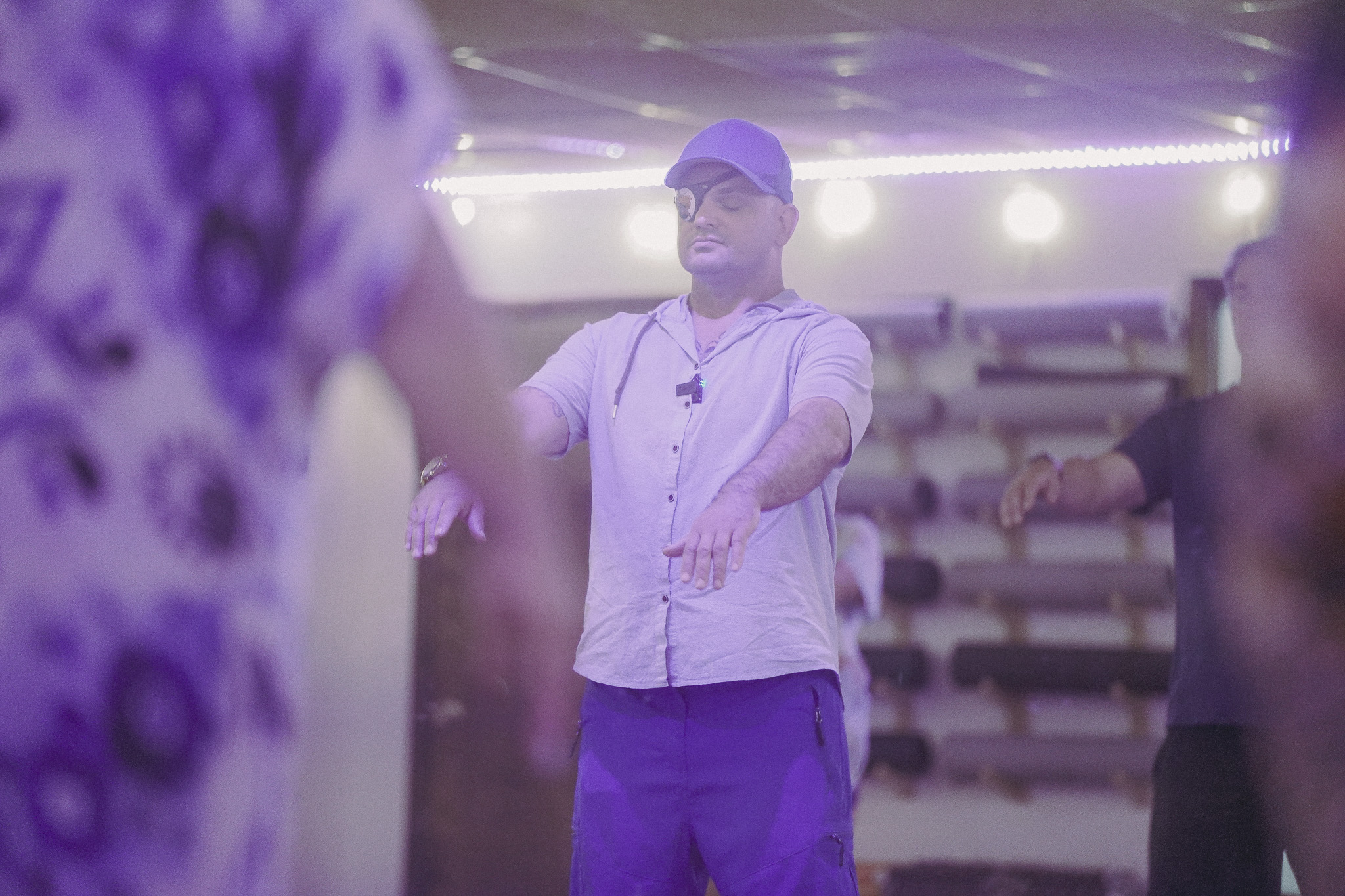
Tai Chi can help people reconnect with the body through slow movement, grounding, breath awareness, and patient attention.
Tai Chi may support body connection by helping you practice:
A gradual return to physical awareness without pressure, intensity, or performance.
- Feeling your feet on the ground
- Noticing breath patterns
- Recognizing physical tension
- Moving with more awareness
- Tracking balance and posture
- Slowing down enough to listen
- Developing a more compassionate relationship with the body
What it can feel like to be disconnected from your body
Body disconnection does not always feel dramatic. In many cases, it appears as a subtle but persistent sense of being unaware of physical experience. A person may spend most of the day thinking, planning, responding, working, caring for others, or solving problems while having very little connection to what their body is communicating. They may not notice hunger until they are depleted, tension until it becomes painful, fatigue until they are exhausted, or stress until their patience is already low.
For some people, disconnection feels like numbness or distance. For others, it feels like constant mental activity that leaves little room for body awareness. Some people may feel uncomfortable when asked to slow down and notice the body because they are not used to paying attention to internal sensations. Others may avoid the body because noticing it brings awareness to tension, emotion, discomfort, or fatigue they have been trying to move past.
This experience is not a personal failure. In many cases, it is an understandable adaptation. If life has required someone to keep going, stay productive, remain strong, or focus on external demands, the body may have become something they learned to override. Tai Chi can support reconnection by offering a gentle and structured way to begin noticing again.
Body disconnection is often not a sign that someone is careless with themselves. It may be a sign that they have spent a long time prioritizing survival, responsibility, or productivity over listening.
Why people lose connection with the body
There are many reasons a person may feel disconnected from their body. Chronic stress can keep attention focused on problem-solving and urgency. Burnout can make the body feel heavy, distant, or difficult to access. Emotional overwhelm can cause a person to move into the mind as a way of avoiding uncomfortable sensations. Work, parenting, caregiving, grief, trauma, and major life transitions can all create seasons where the body’s signals are repeatedly pushed aside because there are immediate responsibilities to manage.
Modern life also encourages disconnection in everyday ways. Many people spend long hours sitting, working on screens, responding to messages, moving from task to task, and measuring productivity more than presence. Over time, the body may become associated with performance, appearance, pain, fatigue, or inconvenience rather than with guidance, safety, communication, and connection.
Tai Chi does not address every cause of body disconnection, and it should not be presented as a complete solution for trauma, chronic mental health concerns, or medical conditions. However, it can be a supportive practice for rebuilding awareness because it gives people a consistent, non-intense way to bring attention back to movement, breath, sensation, posture, and balance.
Reconnecting with the body often begins by creating safe, manageable moments where the body can be noticed without being judged, rushed, or forced.
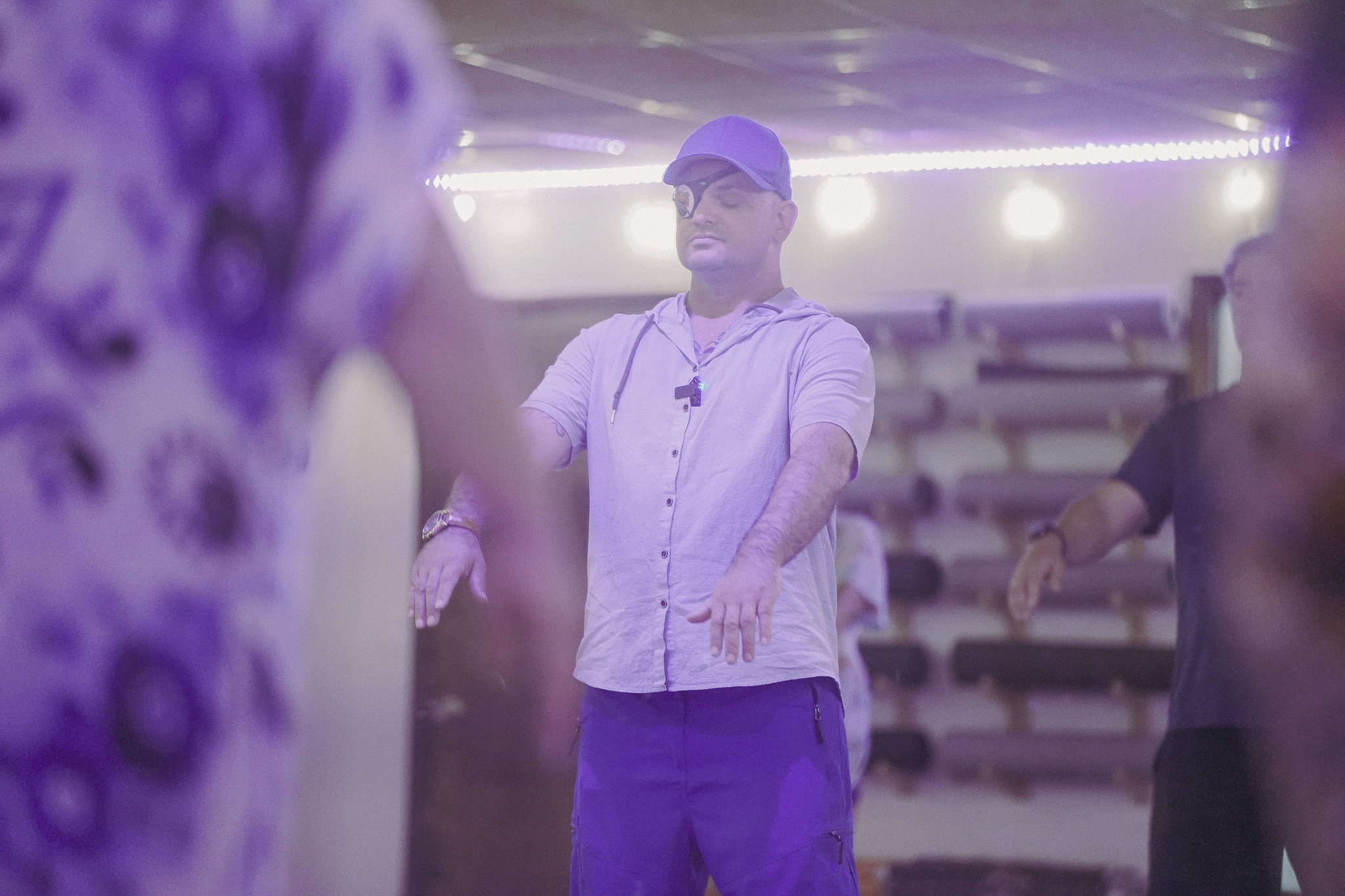
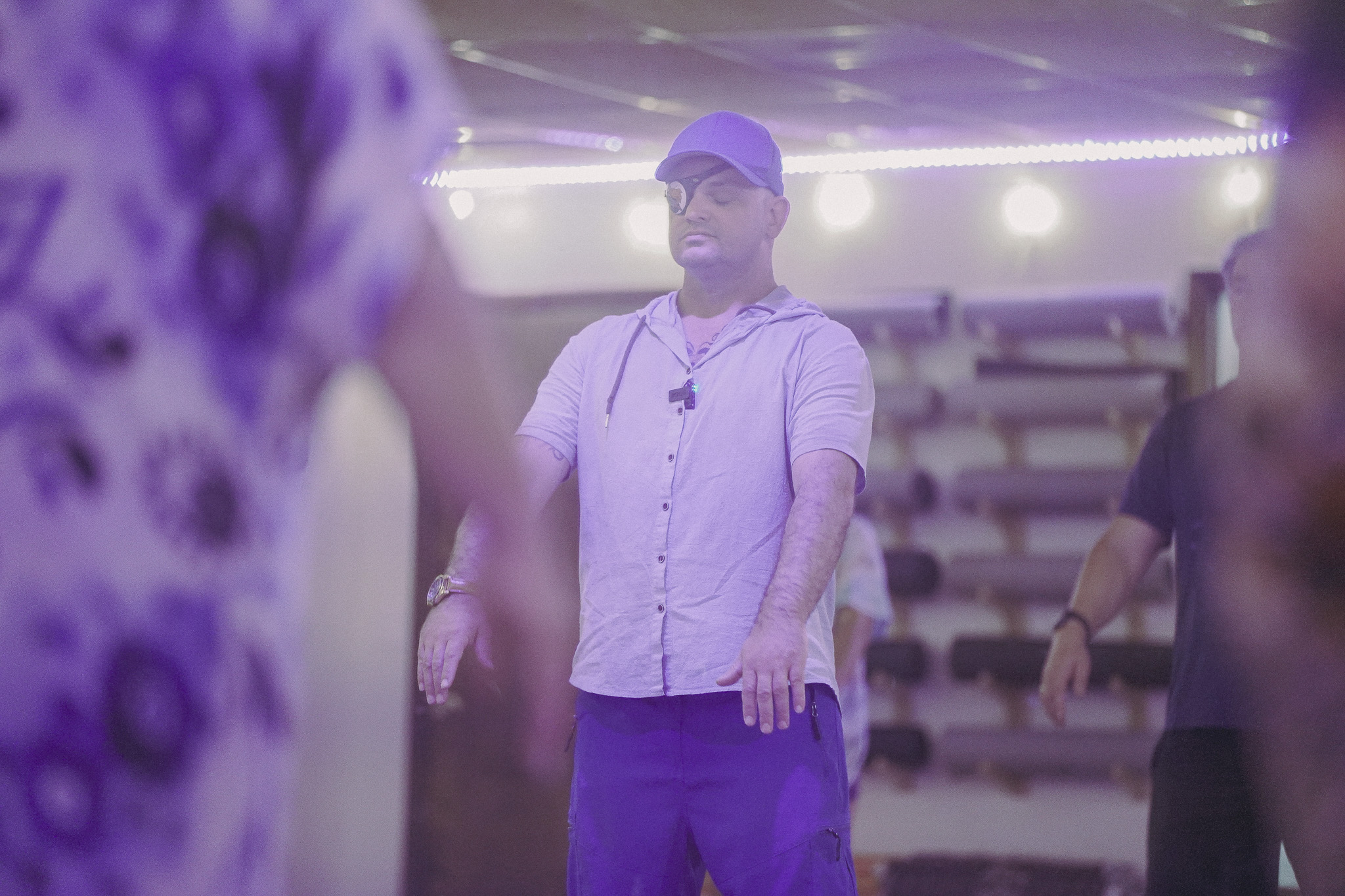
Tai Chi is not a replacement for therapy or medical care
Because body disconnection can sometimes be connected to trauma, anxiety, depression, chronic stress, pain, or other health concerns, it is important to be clear about the role of Tai Chi. Tai Chi is not a replacement for therapy, medication, medical care, psychiatric support, trauma-informed treatment, physical therapy, or crisis services. If someone is experiencing significant distress, persistent numbness, panic, trauma symptoms, depression, chronic pain, or difficulty functioning, support from qualified professionals may be necessary.
At the same time, many people benefit from supportive body-based practices that can complement professional care or become part of a broader wellness routine. Tai Chi may help people practice noticing physical sensations, developing a steadier relationship with movement, and rebuilding confidence in the body’s ability to communicate. This can be especially meaningful for people who have spent a long time ignoring, mistrusting, or feeling distant from their bodies.
The value of Tai Chi is not that it forces a person to reconnect immediately. Its value is that it offers a gradual pathway. The movements are slow, the pace is approachable, and the focus is not on performance. For many people, this makes body awareness feel less intimidating and more practical.
Tai Chi can support body connection as part of a broader care routine, but it should not replace professional support when clinical, medical, or trauma-informed care is needed.

A gentle practice can help rebuild body awareness gradually, especially for people who feel overwhelmed by intensity or stillness.
Tai Chi brings attention back to the feet first
One of the most accessible ways Tai Chi supports body connection is through awareness of the feet. This may sound simple, but for many people, feeling the feet on the ground is one of the most practical ways to begin returning attention to the body. The feet provide a direct point of contact with the present moment, and Tai Chi consistently brings awareness to how weight shifts, how balance changes, and how the body is supported.
When someone feels disconnected from the body, they may spend most of their attention in thought. The mind may be reviewing the past, planning the future, anticipating problems, or organizing responsibilities. Feeling the feet interrupts that pattern in a concrete way. It asks attention to return to something physical and immediate.
In Tai Chi, the feet are not passive. They are part of the practice. You notice where your weight is, how your stance changes, how one foot receives more weight, and how balance is affected by even small adjustments. Over time, this can help people experience the body as something present, responsive, and worth noticing.
For people who feel disconnected from their body, grounding through the feet can become a practical first step back into physical awareness.
Contact
You begin noticing how the feet meet the floor and how the ground supports the rest of the body.
Weight
You practice sensing where your weight is held and how it shifts from one side to another.
Balance
You become more aware of stability, adjustment, and how the body organizes itself in movement.
Presence
You use physical sensation as an anchor for returning attention to the present moment.
Slow movement makes subtle body signals easier to notice
When life moves quickly, body signals are easy to miss. A person may not notice shallow breathing while answering emails, shoulder tension during a stressful conversation, or a clenched jaw while trying to concentrate. The body may be communicating, but the pace of daily life makes it difficult to hear.
Tai Chi slows the pace enough for these signals to become more visible. The movements are deliberate and continuous, which gives attention time to observe what is happening. A person may notice that their shoulders lift when they are uncertain, that their breath becomes restricted when balance feels challenging, or that their hands tense when they are trying to get the movement “right.”
This awareness is not about criticizing the body. It is about rebuilding communication. When a person starts noticing physical signals earlier, they may begin to understand how the body responds to stress, focus, uncertainty, fatigue, and emotion. Over time, this can support a more respectful relationship with the body’s messages.
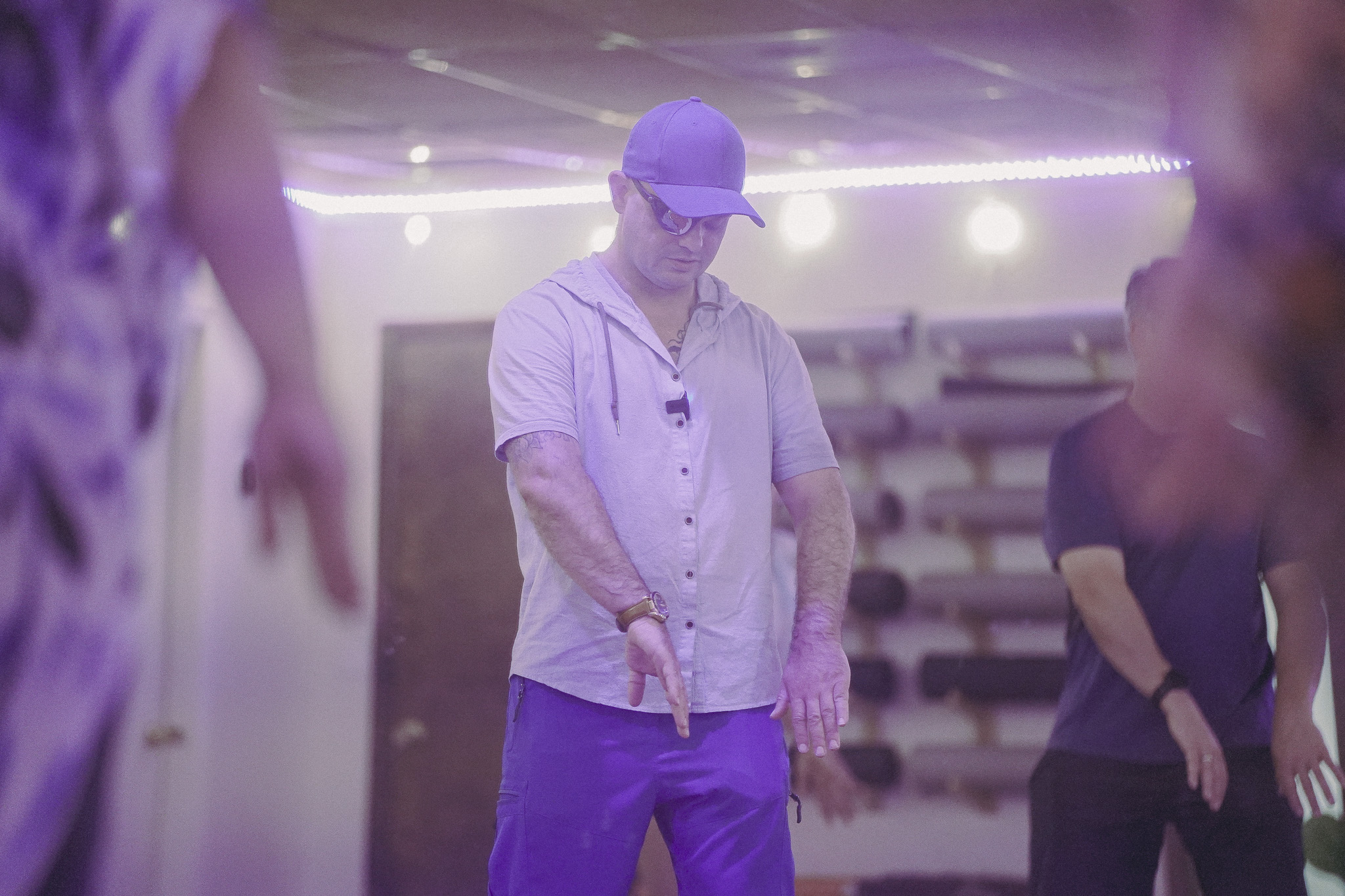
Slow movement gives the body enough time to become noticeable again.
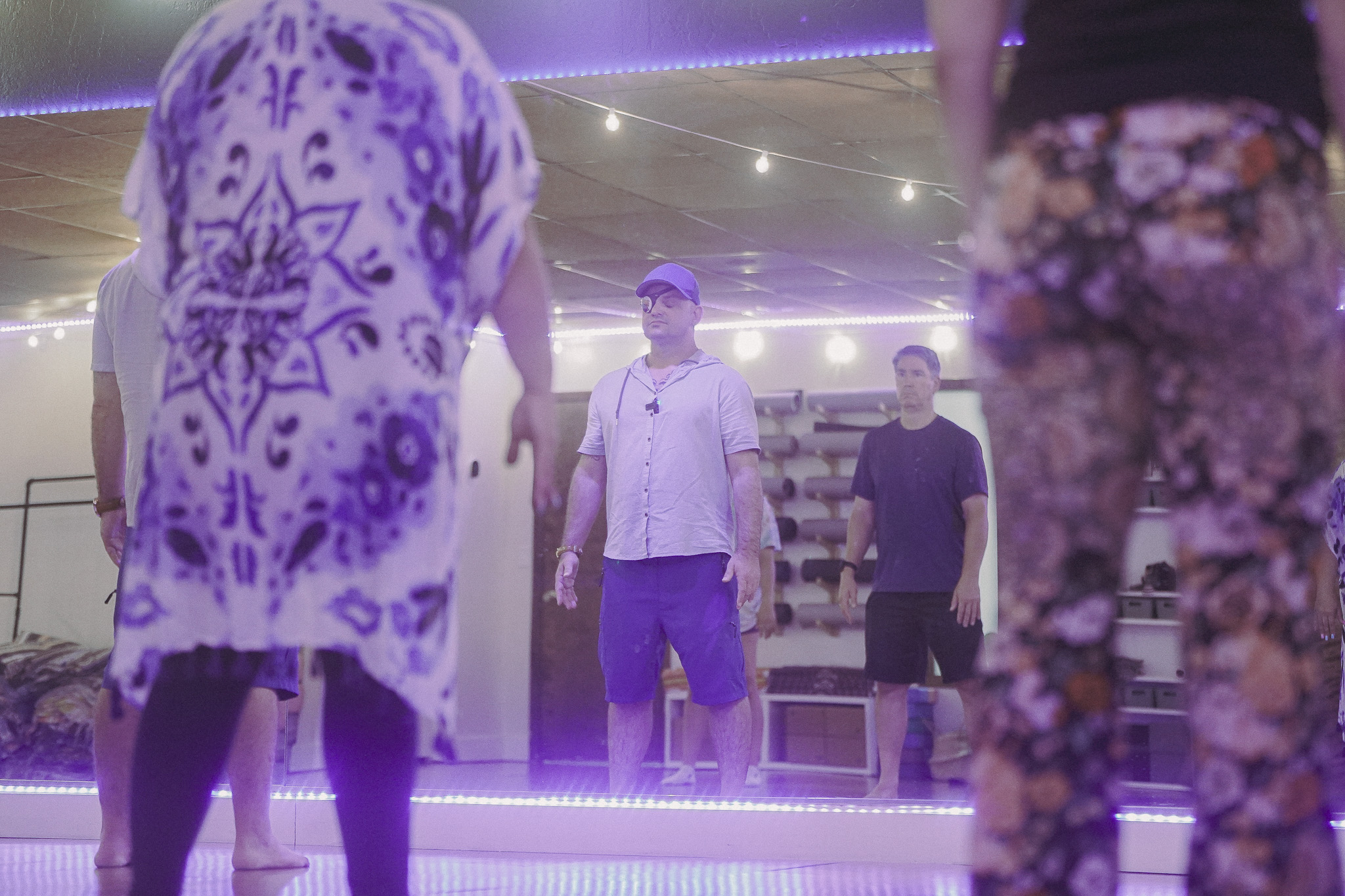
Breath awareness can help rebuild body connection
The breath is often one of the clearest ways to begin reconnecting with the body. Many people do not notice their breath throughout the day unless they feel short of breath, anxious, or physically uncomfortable. However, breath patterns can provide important information about stress, tension, pace, and emotional state.
In Tai Chi, the breath is connected to movement in a gentle and observational way. The goal is not to force perfect breathing or control every inhale and exhale. Instead, the practice creates enough slowness for breath to become easier to notice. You may feel when the breath is shallow, when it becomes held, when an exhale helps soften tension, or when movement feels more natural as the breath becomes more available.
For someone who feels disconnected from the body, breath awareness can become a bridge. It connects the internal experience with the physical body in a way that is immediate and practical. Over time, noticing the breath may help a person recognize when they are becoming stressed, overwhelmed, guarded, or more present.
Breath awareness can become a bridge back to the body because the breath reflects how the body is responding in real time.
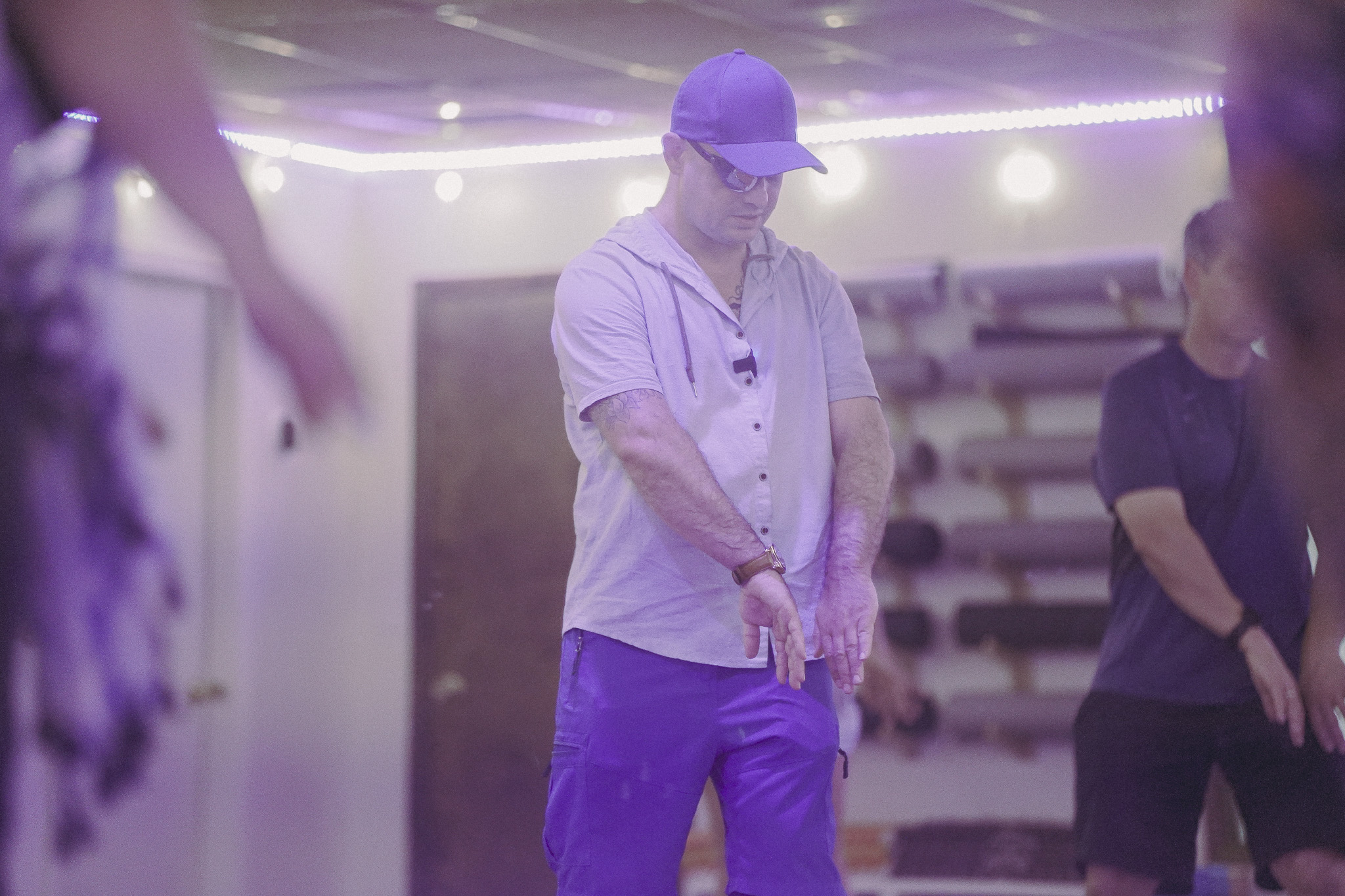
Tai Chi invites breath awareness without forcing the body to relax before it feels ready.
Tai Chi can help make body awareness feel less overwhelming
For some people, body awareness can feel uncomfortable at first. Slowing down may reveal tension, fatigue, emotion, restlessness, or discomfort that was easier to ignore while staying busy. This is one reason people may avoid practices that ask them to sit still, close their eyes, or focus deeply on internal sensations.
Tai Chi can offer a more approachable way into body awareness because the body remains gently engaged. The person is not asked to become completely still or to focus intensely on every sensation. Instead, they are invited to follow movement. This gives awareness a structure, which can make the practice feel safer and more manageable for people who find stillness difficult.
The movement provides a container. The feet, hands, breath, posture, and transitions all give attention somewhere to go. This can help people explore body connection gradually, without feeling like they have to confront everything at once.
Body awareness does not have to begin with stillness. For many people, gentle movement is a more accessible doorway.
Reconnection is built through repetition
Reconnecting with the body is rarely a one-time experience. For many people, body disconnection has developed over months or years of stress, pressure, overwork, caregiving, emotional strain, or self-protection. Because of that, rebuilding connection often requires repeated experiences of listening, noticing, and returning.
Tai Chi supports this gradual process because it is a practice of repetition. Each class gives the body another opportunity to feel the feet, notice the breath, track posture, move slowly, and observe physical signals without judgment. Over time, these repeated experiences can help the body become more familiar and less foreign.
This gradual approach is important because forcing body connection can create more resistance. A person may not immediately feel comfortable noticing the body. They may feel awkward, distracted, or uncertain during the first few classes. That does not mean the practice is not working. It may mean the body is learning how to be included again.
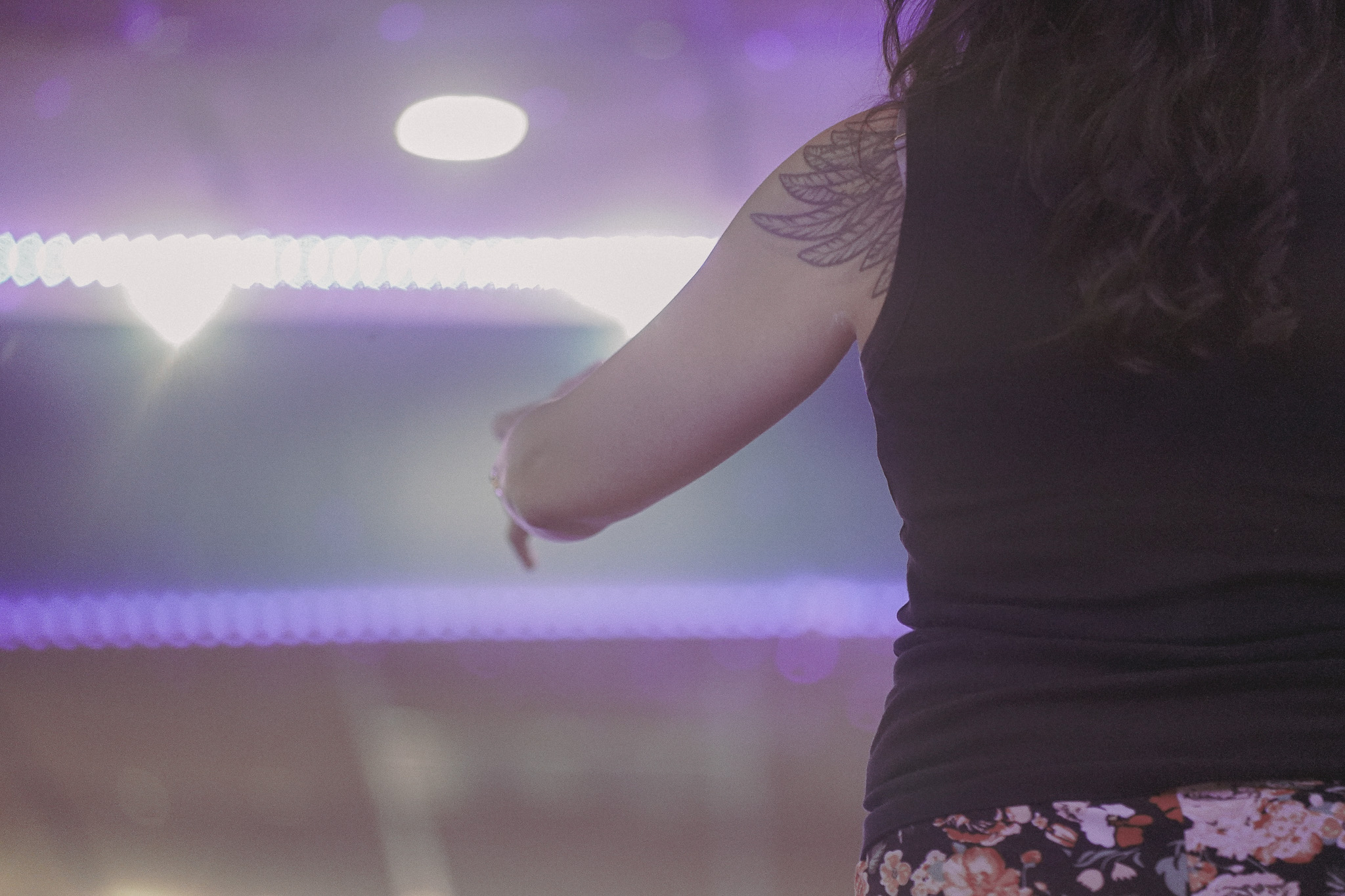
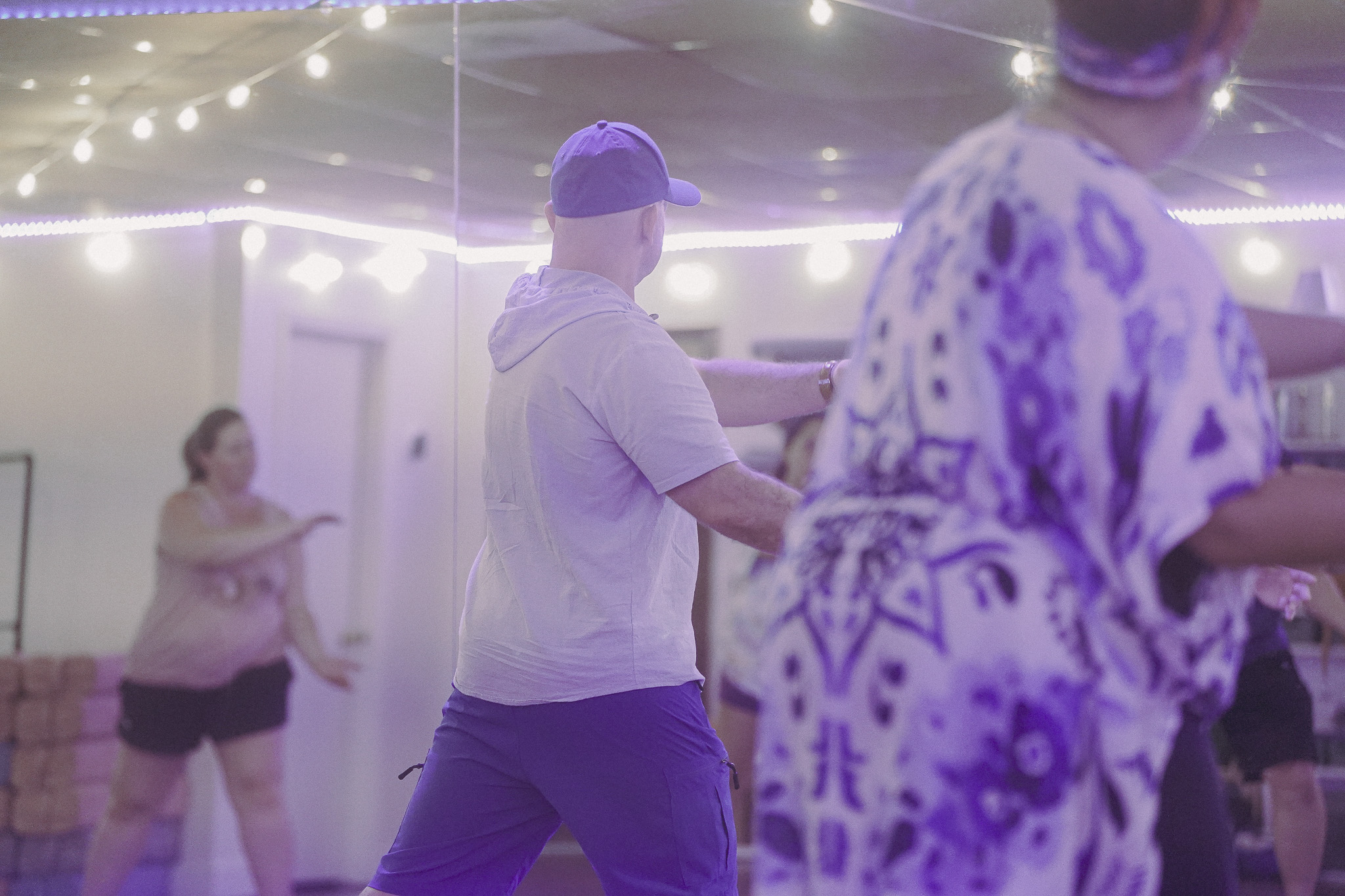
Body connection often returns through repeated moments of noticing, not through one dramatic breakthrough.
The body becomes a source of information, not just something to manage
Many people relate to the body mainly as something to control, improve, fix, or push. They may think about the body in terms of appearance, productivity, performance, pain, weight, strength, flexibility, or limitation. While physical goals can be valid, this relationship can sometimes make the body feel like an object rather than a source of communication.
Tai Chi invites a different relationship. The practice asks you to observe the body as it is moving. It asks you to notice how balance feels, whether the breath is accessible, where tension is present, and how the body responds to slow transitions. This turns the body into a source of information rather than something that only needs to meet expectations.
For people who feel disconnected, this shift can be meaningful. The body begins to become something they can listen to, not just something they have to carry around, criticize, or override. Over time, that listening can support better self-awareness, stress management, emotional regulation, and self-care.
Reconnection begins when the body is treated as something that communicates, not only something that performs.
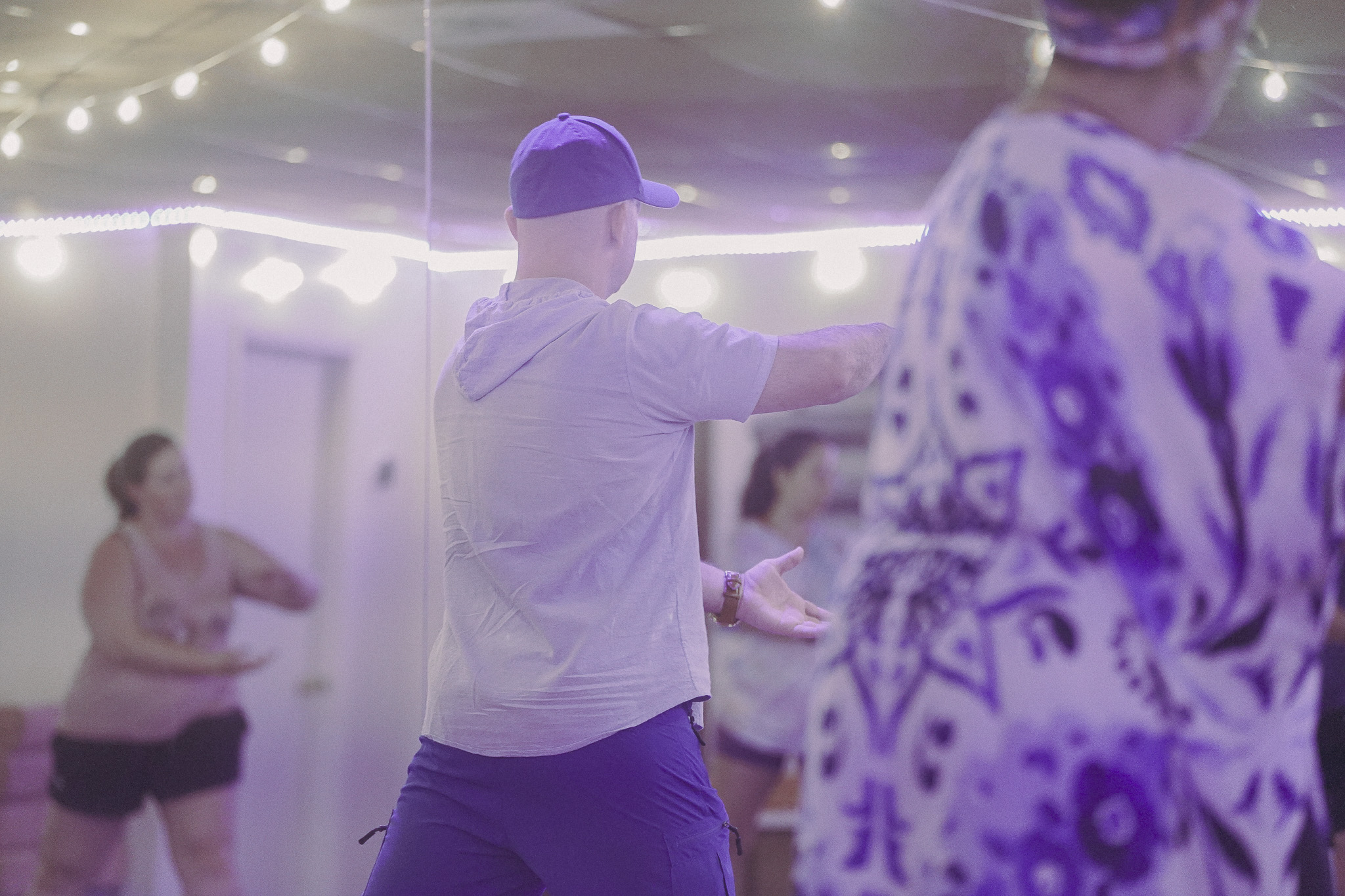
Tai Chi encourages people to relate to the body with curiosity, patience, and awareness rather than pressure.
How body connection can support everyday life
The benefits of body connection are not limited to class. As awareness grows, people may begin noticing their body during everyday moments. They may recognize that their shoulders tighten during a meeting, that their breath shortens during a difficult conversation, that they ignore hunger when they are stressed, or that they become disconnected when they are emotionally overwhelmed.
This awareness can support more intentional choices. A person may pause before responding, take a breath before agreeing to something, stretch before continuing work, ask for help earlier, or recognize when rest is needed. These choices may seem small, but they can help prevent stress from building unnoticed.
Body connection also supports emotional wellbeing because emotions are often experienced physically. When someone is more aware of their body, they may be able to recognize emotional signals earlier. This can create more space for reflection, communication, boundaries, and care.
At Work
You may notice tension, breath changes, or posture shifts during deadlines, emails, meetings, or decision-making.
At Home
You may recognize when you are carrying stress from one responsibility into another without a true pause.
In Relationships
You may notice physical activation before reacting, withdrawing, over-explaining, or agreeing too quickly.
During Rest
You may become more aware of whether the body is truly settling or still holding the pace of the day.
Tai Chi can help rebuild trust with the body
Feeling disconnected from the body can sometimes include a lack of trust. A person may not trust their body’s signals, may feel frustrated by physical limitations, or may worry that paying attention will reveal discomfort they do not know how to handle. Rebuilding trust takes time, especially when the body has been associated with pain, stress, criticism, or pressure.
Tai Chi can support this process because the practice is slow, adaptable, and non-competitive. It does not require a person to prove anything. It does not demand extreme flexibility, advanced athletic ability, or immediate mastery. Instead, it invites gradual learning and patient observation.
Through consistent practice, a person may begin to experience the body as something they can work with rather than something they are fighting against. They may learn that balance can improve through small adjustments, that breath can become more available through awareness, and that movement can feel supportive without needing to be intense.
Trust with the body is rebuilt through repeated experiences of listening, adjusting, and discovering that the body can be approached with care.
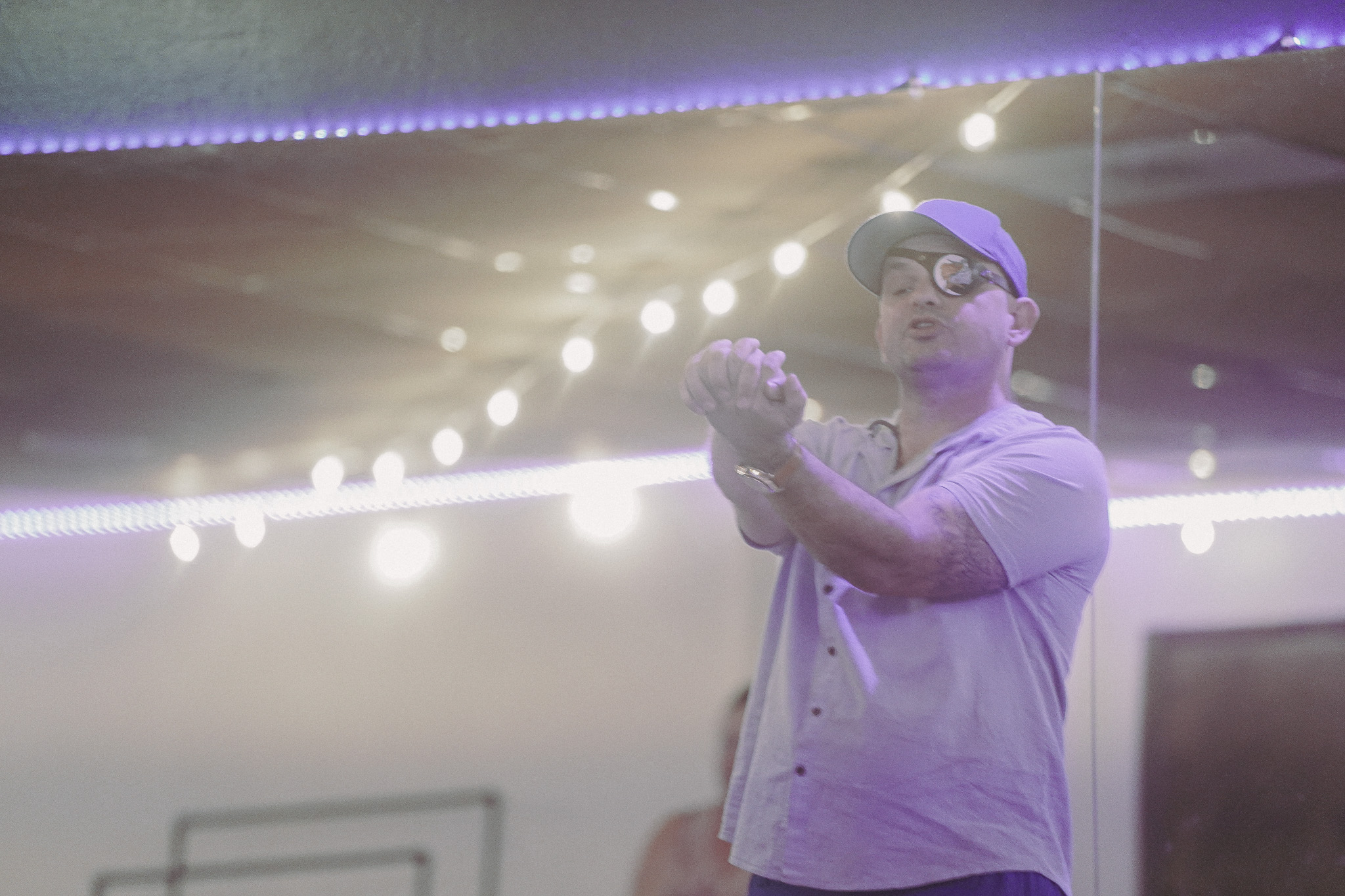
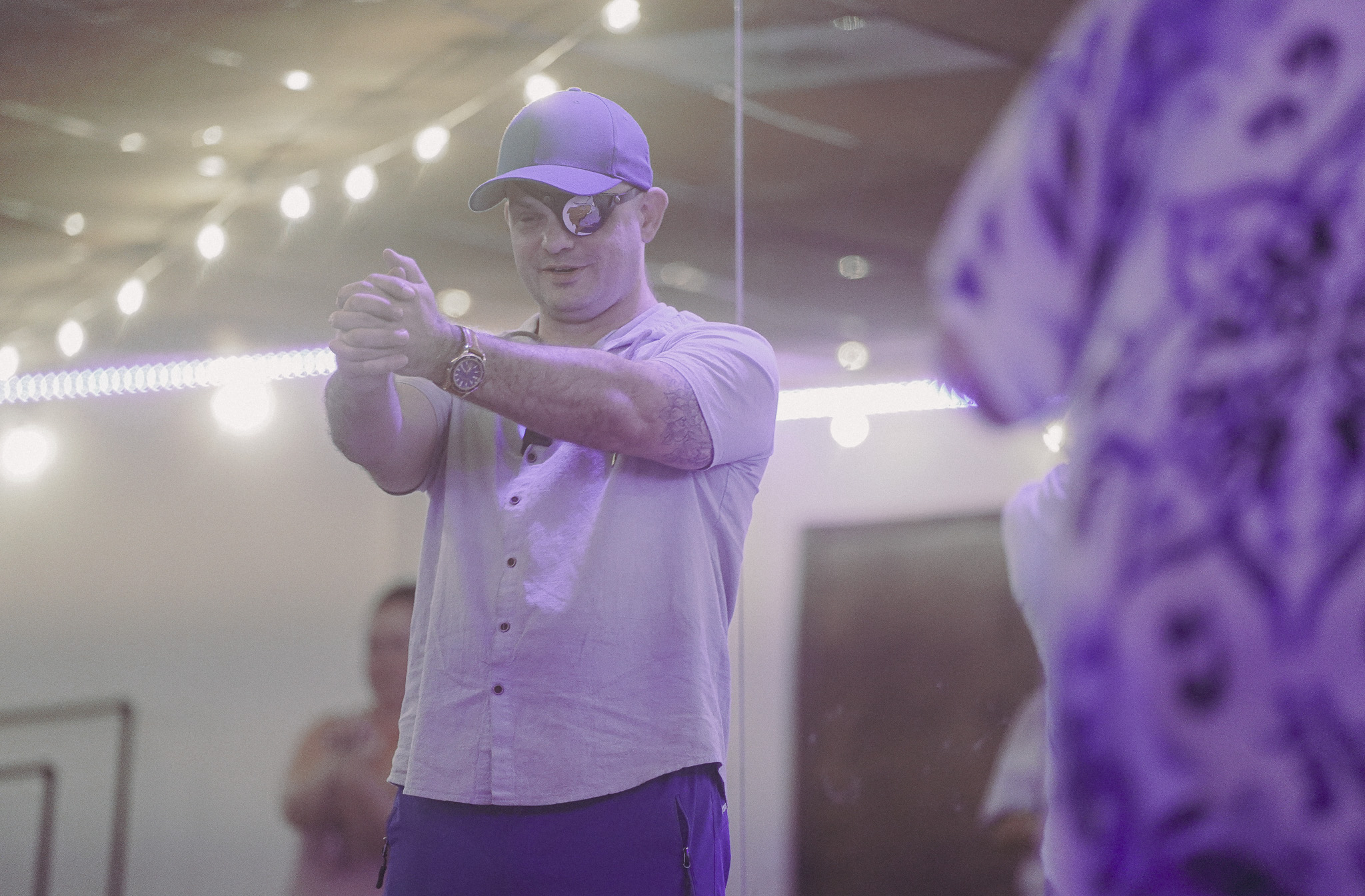
What beginners should know before trying Tai Chi
If you feel disconnected from your body, your first Tai Chi class may feel unfamiliar. You may notice that it is difficult to feel your feet, coordinate your arms and legs, follow the sequence, or stay present with the movement. You may also notice that your mind wanders or that your body wants to rush even though the class is moving slowly.
These experiences are common for beginners. They do not mean you are doing anything wrong. In fact, they may simply reveal how unfamiliar body awareness has become. Tai Chi is a practice, which means the relationship develops over time. The first class is not about perfect movement. It is about beginning to notice.
A beginner-friendly class should allow space for learning, adjustment, and curiosity. You do not need to be flexible, athletic, calm, coordinated, or experienced before beginning. You only need a willingness to explore a slower relationship with your body.
For beginners, the goal is not to perform Tai Chi perfectly. The goal is to begin noticing the body with more patience and less judgment.
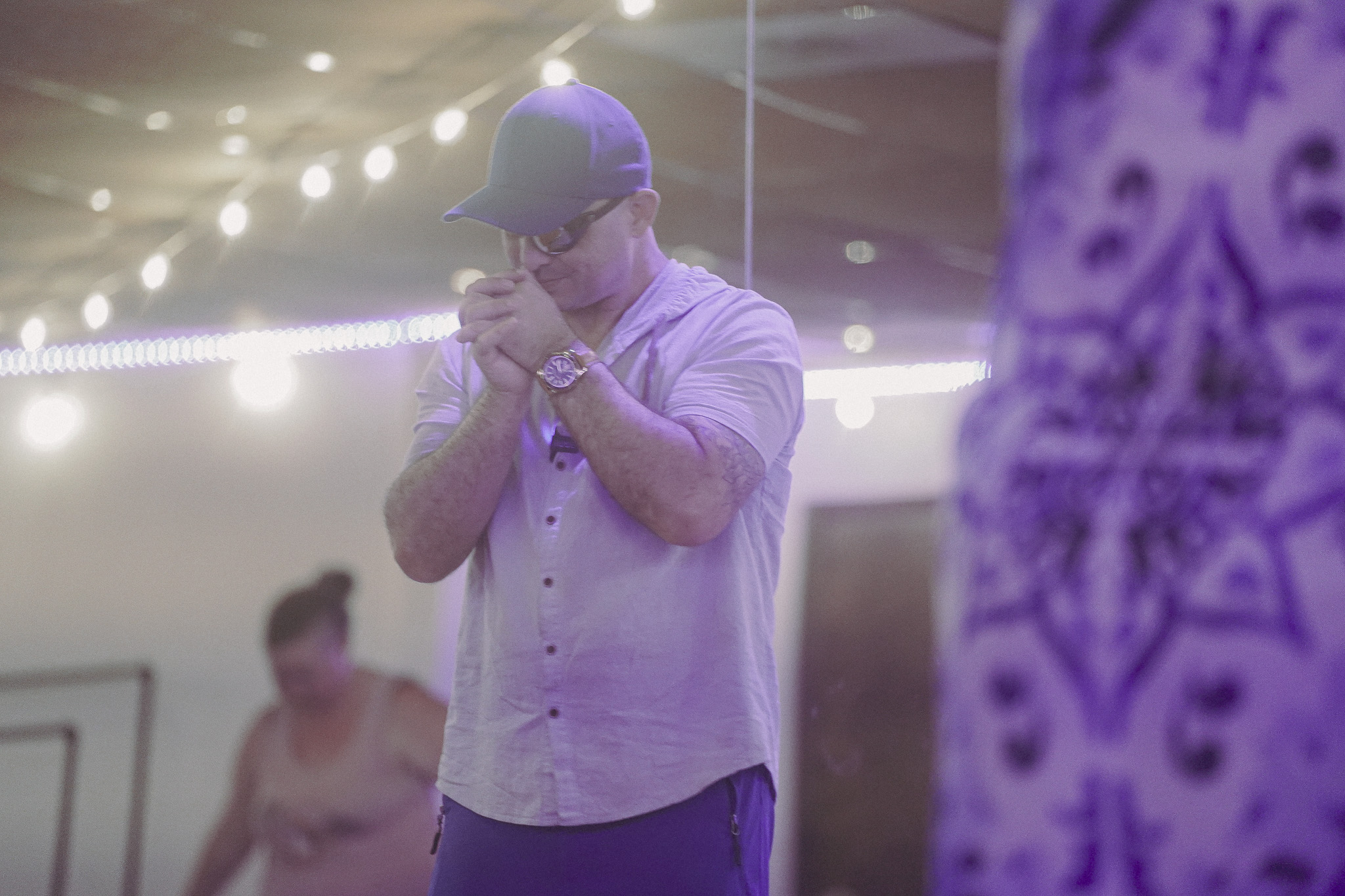
A beginner-friendly Tai Chi class gives people permission to learn gradually, without needing to arrive already connected, calm, or confident.
Tai Chi and The Healing Tree Collective
At The Healing Tree Collective, we understand that many people arrive feeling disconnected from their bodies. They may be tired from pushing through, overwhelmed by stress, emotionally full, mentally busy, or unsure how to slow down. They may know they need support but feel unsure where to begin because stillness feels difficult and intensity feels like too much.
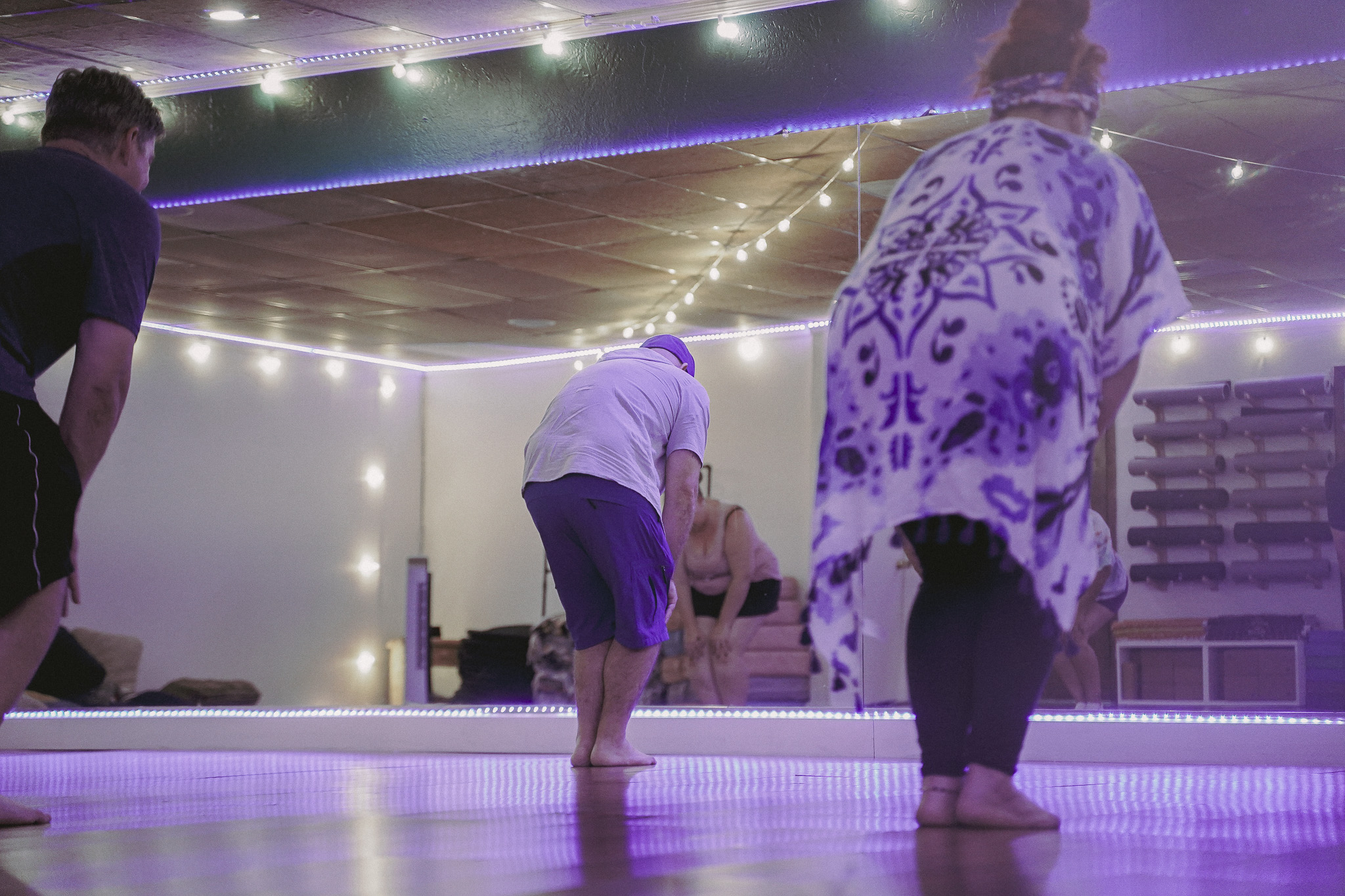
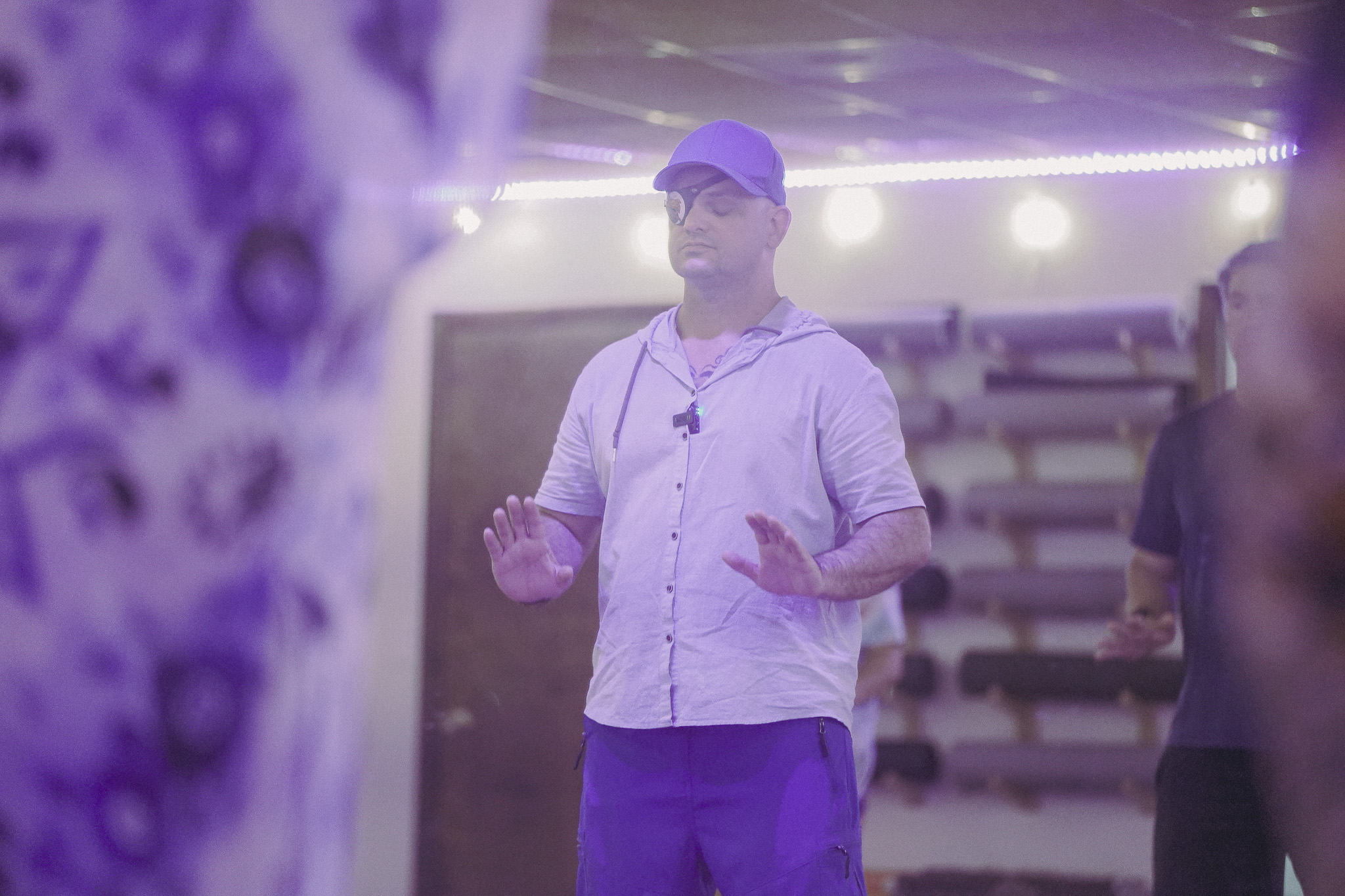
Tai Chi fits naturally into our approach because it offers a gentle and structured way to reconnect. It meets people where they are. It does not require prior experience, athletic performance, or a perfectly calm mind. The practice simply invites people to move slowly, feel their feet, notice their breath, and begin listening to the body in a more compassionate way.
Our mission is to create accessible wellness spaces where people can heal, grow, and reconnect with themselves through practices that feel supportive, educational, and real. Tai Chi supports that mission because it helps people develop body awareness at a pace that respects the nervous system, the lived experience, and the reality that reconnection often takes time.
At The Healing Tree Collective, Tai Chi is offered as a practice of return: a way to rebuild connection with the body through movement, breath, grounding, and patient awareness.
Final thoughts: reconnection can begin gently
Feeling disconnected from your body can be confusing, frustrating, or difficult to explain. It may show up as numbness, mental busyness, lack of awareness, difficulty resting, or the sense that the body is only noticed when something feels wrong. This experience is common, especially for people who have spent long periods pushing through stress, responsibility, emotional strain, or overwork.
Tai Chi may support reconnection because it provides a gentle and structured way to return attention to the body. Through slow movement, breath awareness, grounding, posture, balance, and mindful transitions, the practice helps make physical experience more noticeable and more approachable.
The process does not have to be dramatic. Reconnection may begin with feeling the feet on the floor, noticing a breath, recognizing tension in the shoulders, or realizing that the body wants a slower pace. These small moments matter because they begin rebuilding communication between the mind and body.
Tai Chi can support people who feel disconnected from their bodies by helping them practice returning gently, consistently, and without pressure to perform.
Looking for Tai Chi for body awareness in Tempe, Arizona?
At The Healing Tree Collective, our beginner-friendly wellness classes are designed to support stress relief, mindfulness, body awareness, and deeper connection. If you are curious about Tai Chi, moving meditation, body connection, or gentle mind-body practices, you are welcome to begin here.