11 August 2026
Tai Chi for Team Wellness: Building Connection Through Shared Mindful Movement
Team wellness is not only about reducing stress for individual employees. It is also about the way people connect, communicate, recover, and move through pressure together. A team can be talented and productive, but if the shared pace is always rushed, tense, or disconnected, the human experience of work can begin to suffer.
Many workplace wellness programs focus on personal habits, fitness challenges, or individual stress management tools. These can be helpful, but teams also need shared experiences that help people slow down together. When employees practice presence in the same room, even for a short amount of time, the energy of the group can begin to shift.
Tai Chi can support team wellness by offering a gentle, accessible form of mindful movement that helps employees breathe, ground, focus, and reconnect with themselves while sharing a calm and supportive rhythm with the people they work beside.
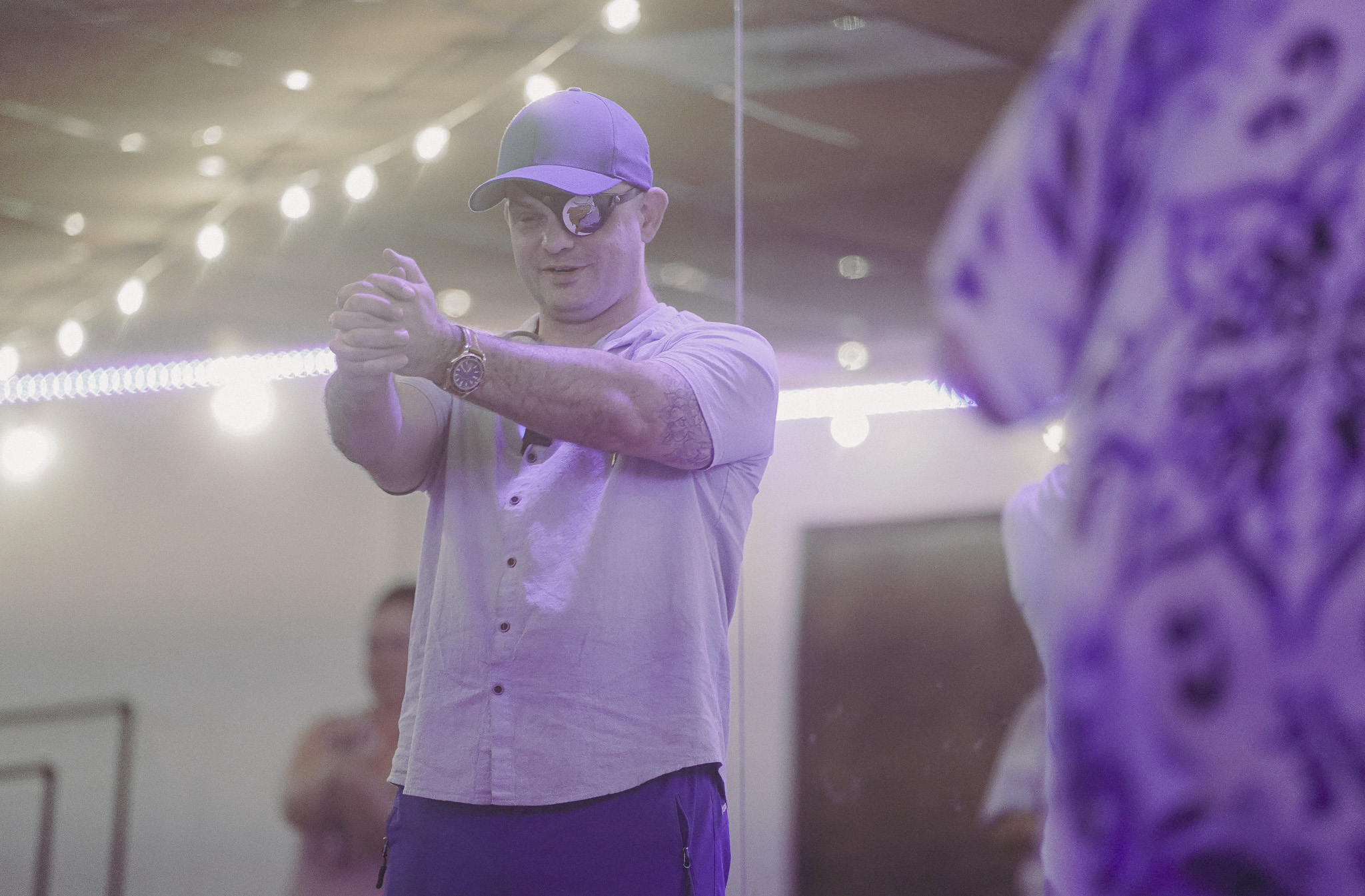
Tai Chi can support team wellness by giving employees a shared practice of breath, grounding, slow movement, and present-moment awareness.
Tai Chi may support team wellness by helping teams:
Build connection through shared mindful movement and practical stress relief.
- Slow down together
- Practice shared presence
- Reduce performance pressure
- Support calmer communication
- Reconnect after busy workdays
- Build trust through accessible movement
- Create a more grounded team rhythm
Team wellness is about more than individual stress relief
Individual stress relief matters, but the workplace is not experienced in isolation. Employees work inside teams, departments, roles, expectations, conversations, shared deadlines, and shared emotional environments. One person’s stress can affect communication, morale, patience, and the overall tone of the group.
This is why team wellness matters. A team is not only a collection of job descriptions. It is a living group of people who influence one another through pace, presence, communication, tension, encouragement, and trust. When a team is constantly rushing, people may feel like they have to keep up even when their bodies and minds need support.
Tai Chi can offer a shared reset because it gives the team a chance to slow down in the same rhythm. Instead of asking each person to manage stress alone, the practice creates a space where everyone can breathe, move, notice, and return together.
Team wellness becomes more meaningful when employees are given opportunities to slow down together, not just recover separately.
Shared mindful movement can change the pace of a room
The pace of a workplace can become contagious. If the team is rushing, individuals may feel rushed. If communication is tense, people may brace before conversations. If everyone is operating from urgency, the body can begin to treat urgency as normal.
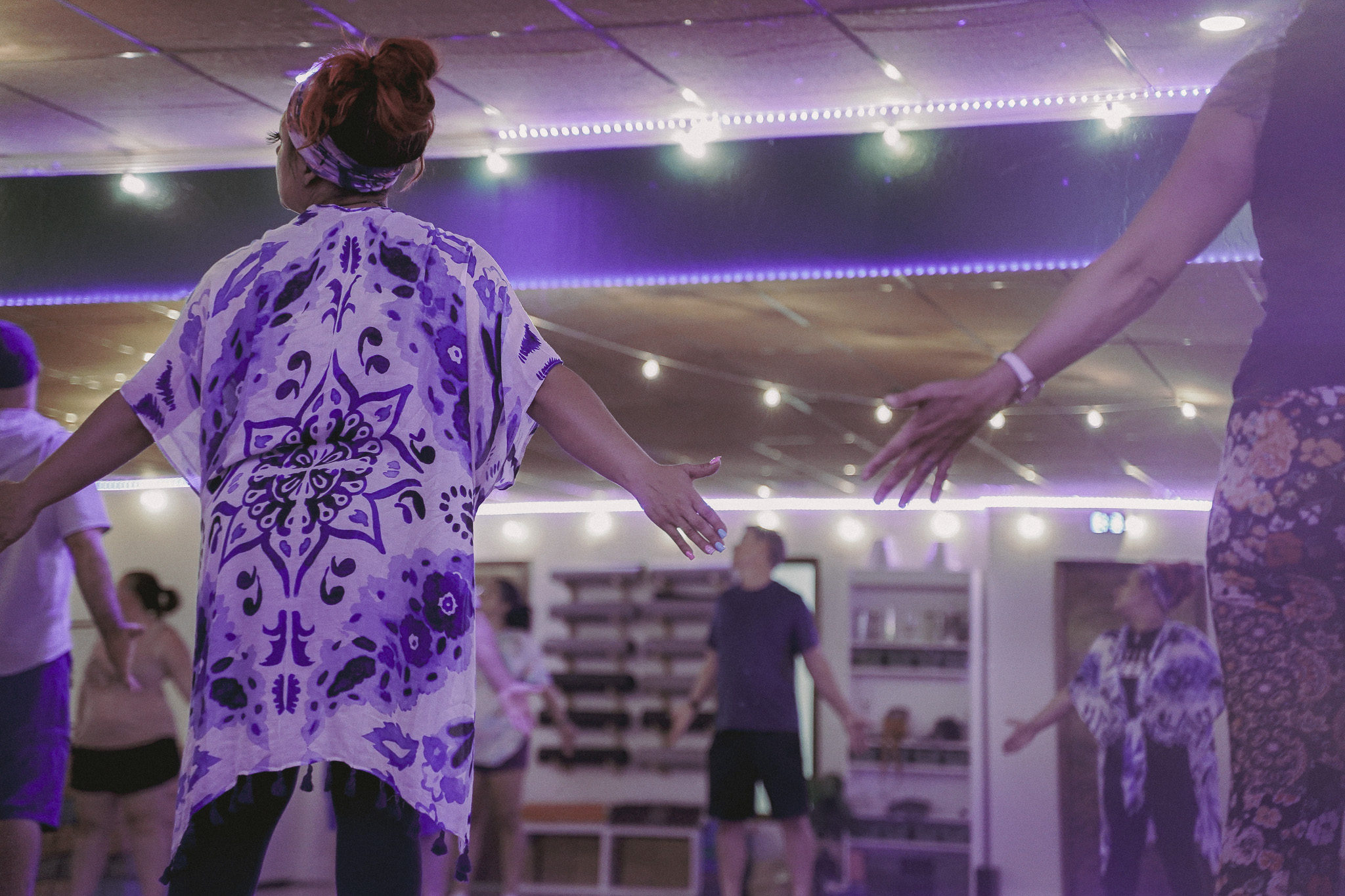
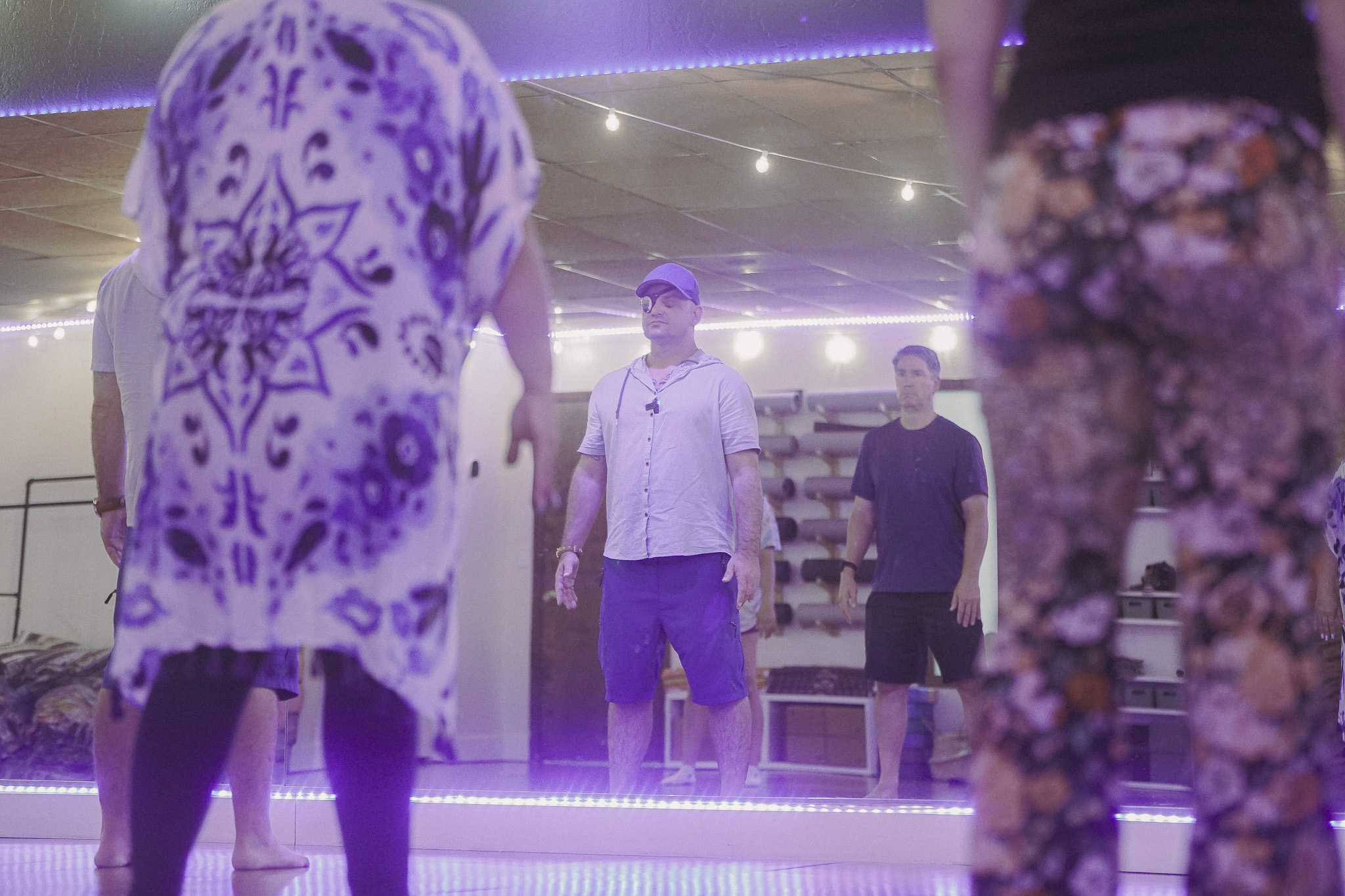
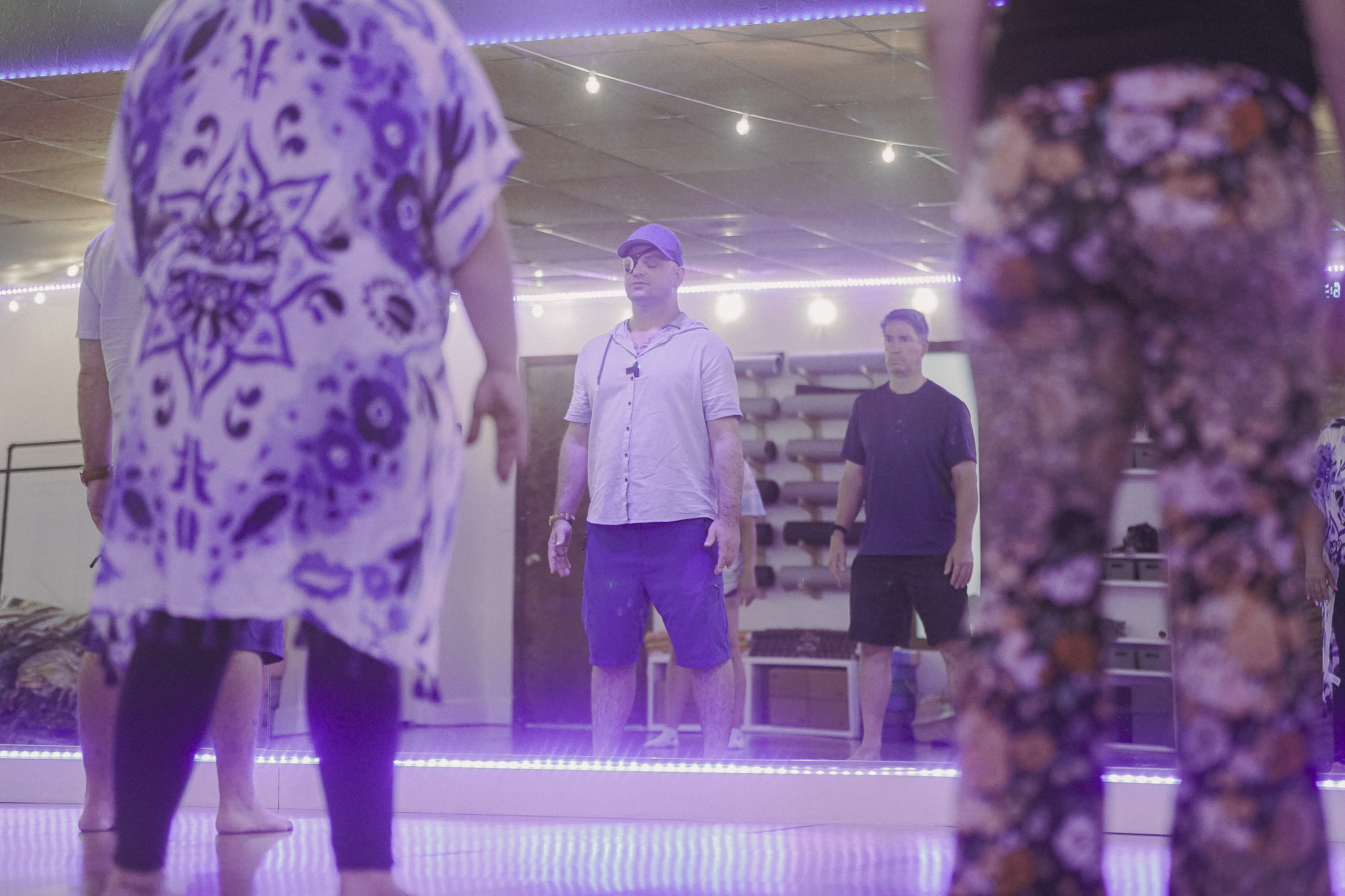
Shared mindful movement offers a different experience. In Tai Chi, the group moves slowly, breathes with more awareness, and pays attention to simple physical anchors like the feet, posture, balance, and transitions. This shared pace can create a sense of calm that is not forced through words, but felt through the body.
This matters because connection is not only created through talking. Sometimes connection is created through shared presence. When a team slows down together, there is an opportunity to experience one another outside of productivity, pressure, and roles.
Shared mindful movement gives teams a chance to experience a different rhythm together, one that is slower, steadier, and more human.
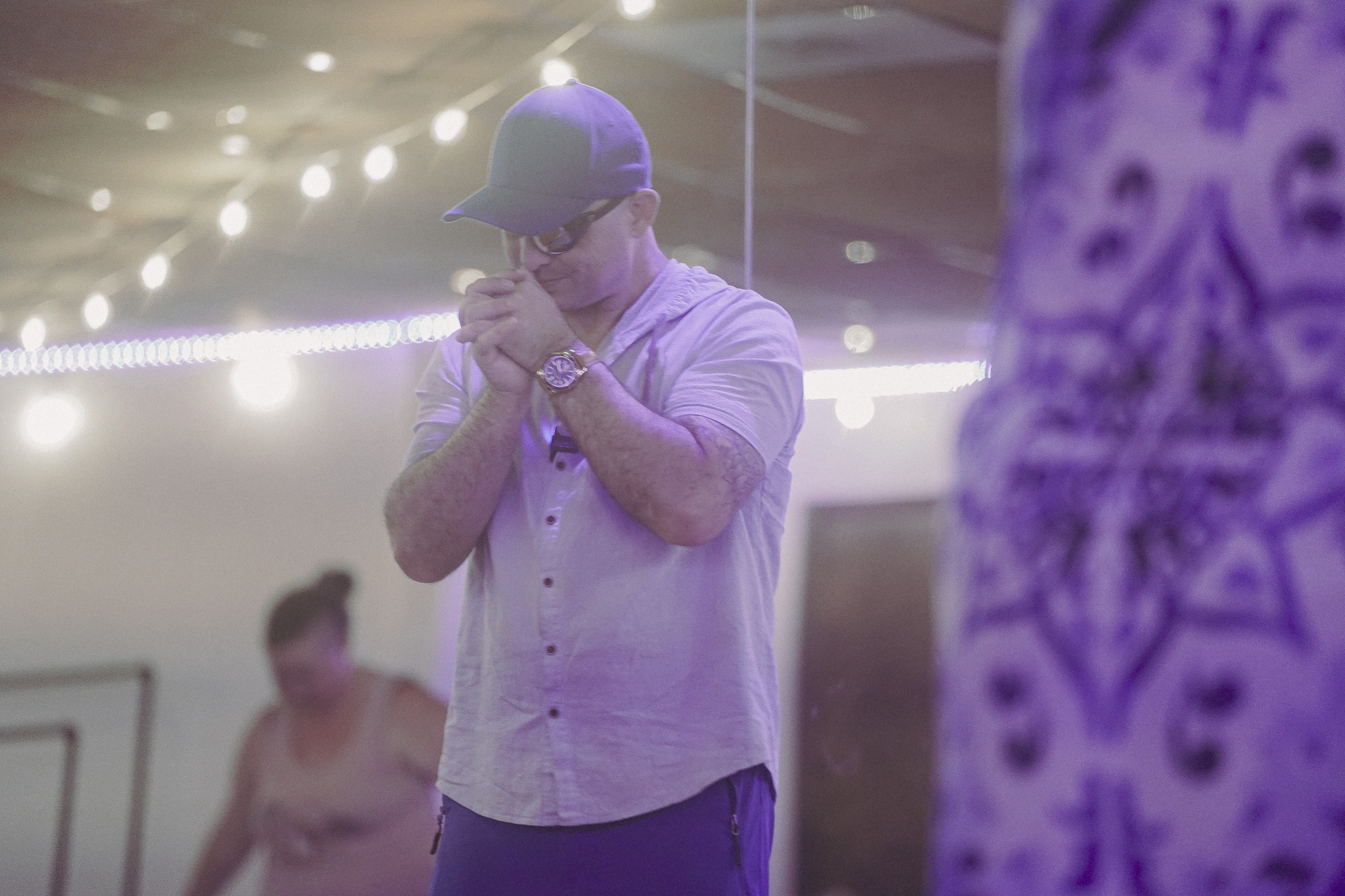
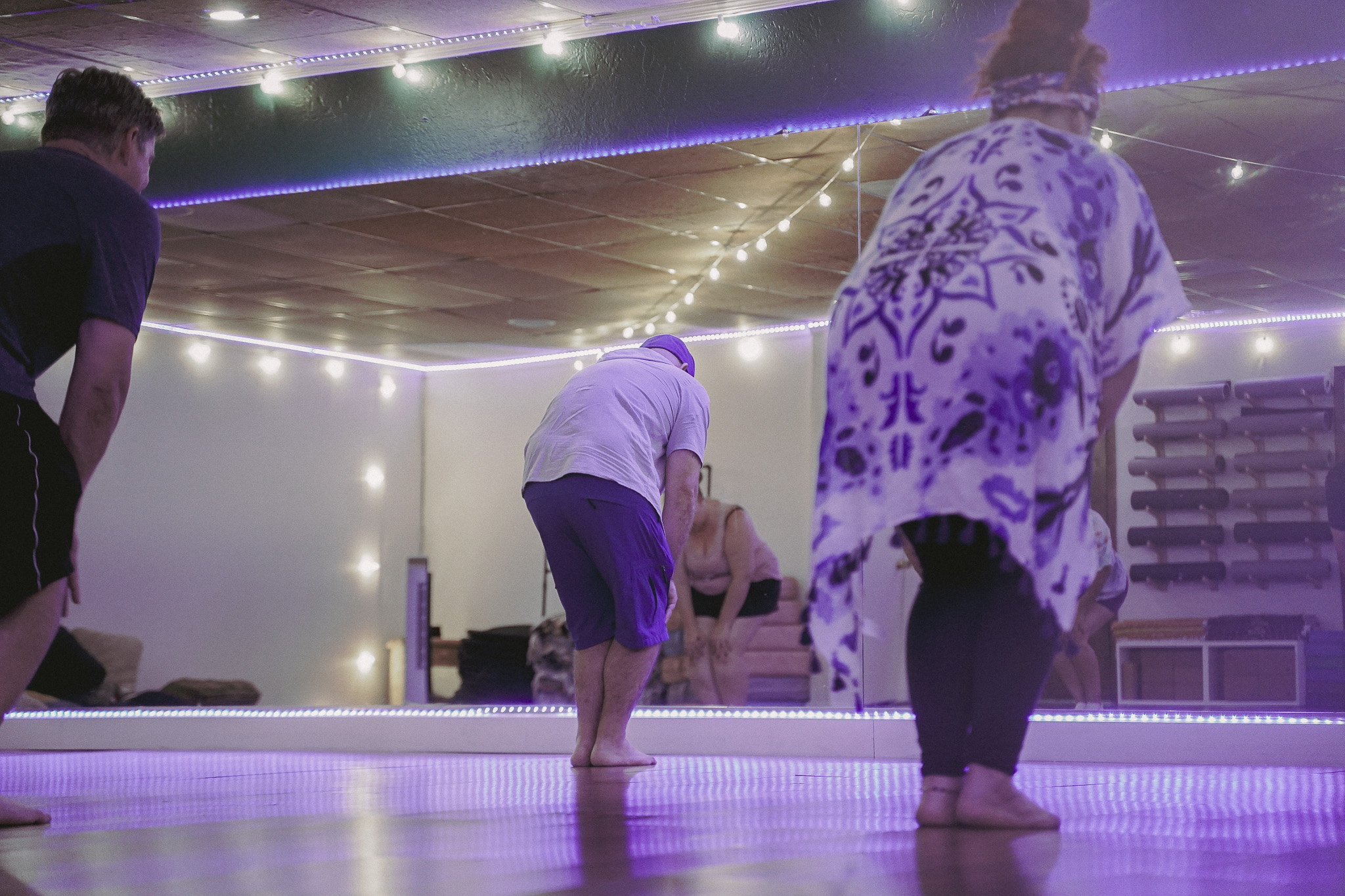
Tai Chi creates connection without forcing vulnerability
Team-building activities can sometimes feel uncomfortable because they ask employees to be vulnerable, perform, compete, or share more than they are ready to share. While deeper conversations can be valuable, not every team wellness experience needs to begin with verbal processing.
Tai Chi offers a different kind of connection. Employees do not have to tell personal stories, compete in a challenge, or prove anything to the group. They simply move, breathe, and practice presence together. The shared experience is gentle enough to feel accessible, but meaningful enough to create a sense of being in the room together.
This can be especially helpful for teams that are new, tired, stressed, introverted, emotionally guarded, or coming out of a busy season. The practice offers connection through shared attention rather than forced disclosure.
Tai Chi can help teams connect without asking employees to perform vulnerability before they feel safe.
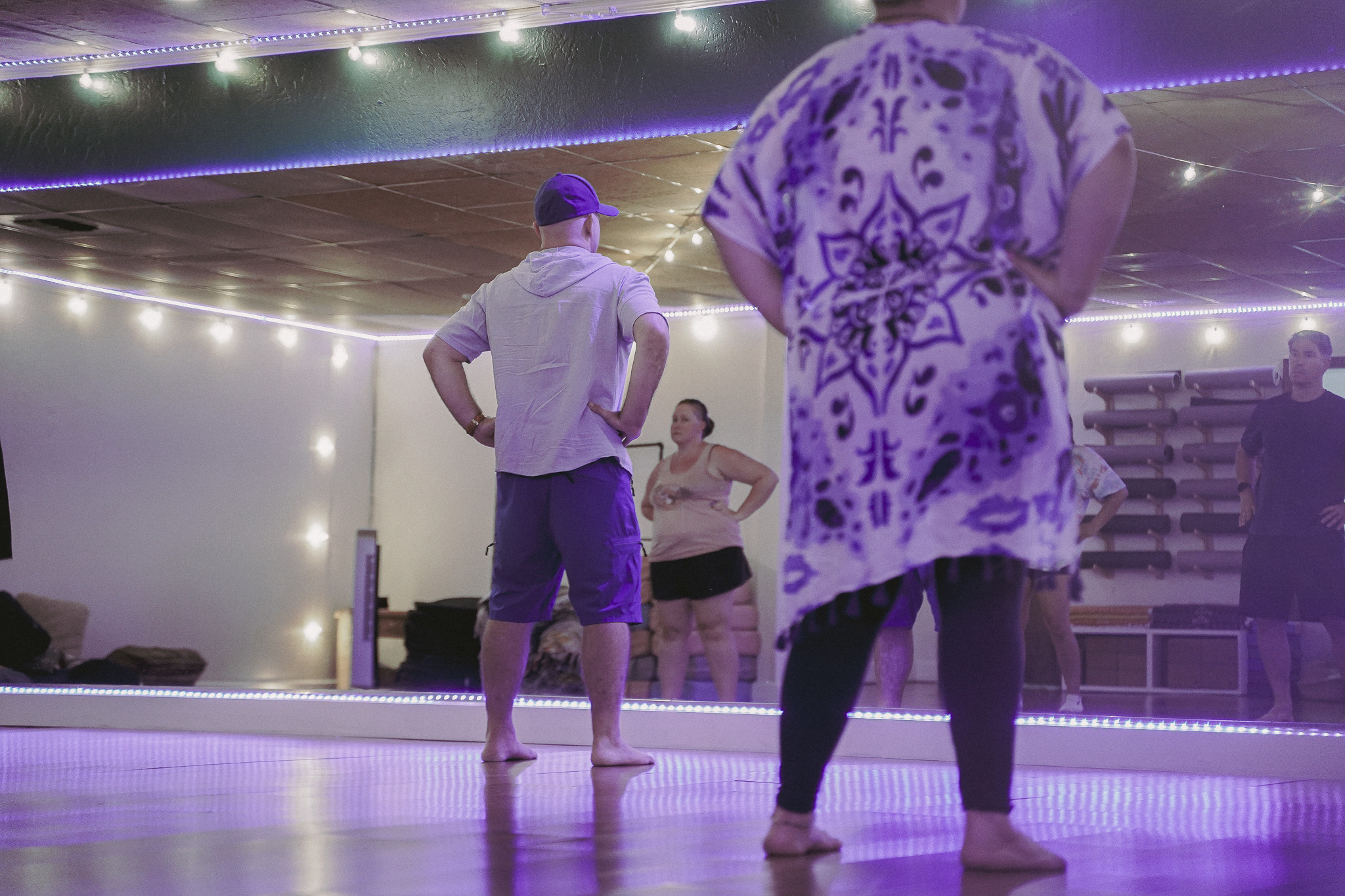
Tai Chi can create a shared experience of connection through breath, grounding, movement, and presence without requiring employees to perform or compete.
Tai Chi supports communication by helping people slow down first
Communication often becomes harder when people are stressed. A message can feel sharper than intended. A quick response can create misunderstanding. A tense meeting can leave people carrying emotional residue into the rest of the day. When the body is under pressure, communication can become more reactive.
Tai Chi does not replace communication training, leadership development, or healthy workplace systems, but it can support the internal state people bring into communication. By practicing breath awareness, grounding, and slow movement, employees may become more aware of physical stress signals before they speak, reply, or react.
For teams, this is important because communication is not only about skills. It is also about pace. A team that practices slowing down together may have more room for patience, listening, and awareness in the moments that matter.
Sometimes better communication begins before the conversation starts, when the body has a chance to slow down and arrive.
Before Meetings
A shared grounding practice can help employees enter the room with more presence and less urgency.
After Stressful Projects
Tai Chi can help teams transition out of pressure and reconnect with a steadier rhythm.
During Team Retreats
Shared movement can create a calmer foundation before deeper reflection or planning.
For Ongoing Wellness
Recurring sessions can help normalize slowing down as part of team culture.
Tai Chi gives teams a non-competitive wellness experience
Not every employee feels comfortable with competitive wellness challenges or fitness-based team activities. Some people may feel self-conscious about movement, physical ability, coordination, age, body size, flexibility, or experience level. If a wellness activity feels like another place to compare or perform, it may not feel supportive.
Tai Chi offers a non-competitive approach. The movements are slow, gentle, and adaptable. The focus is not on who is doing it best. The focus is on breath, balance, posture, grounding, and awareness. This creates a wider doorway for participation because employees are not being asked to prove themselves physically.
For team wellness, this matters. A shared practice is more effective when more people feel invited into it. Tai Chi allows employees to participate at their own pace while still sharing a collective experience.
Team wellness should not create more comparison. It should create space for people to participate with care and dignity.
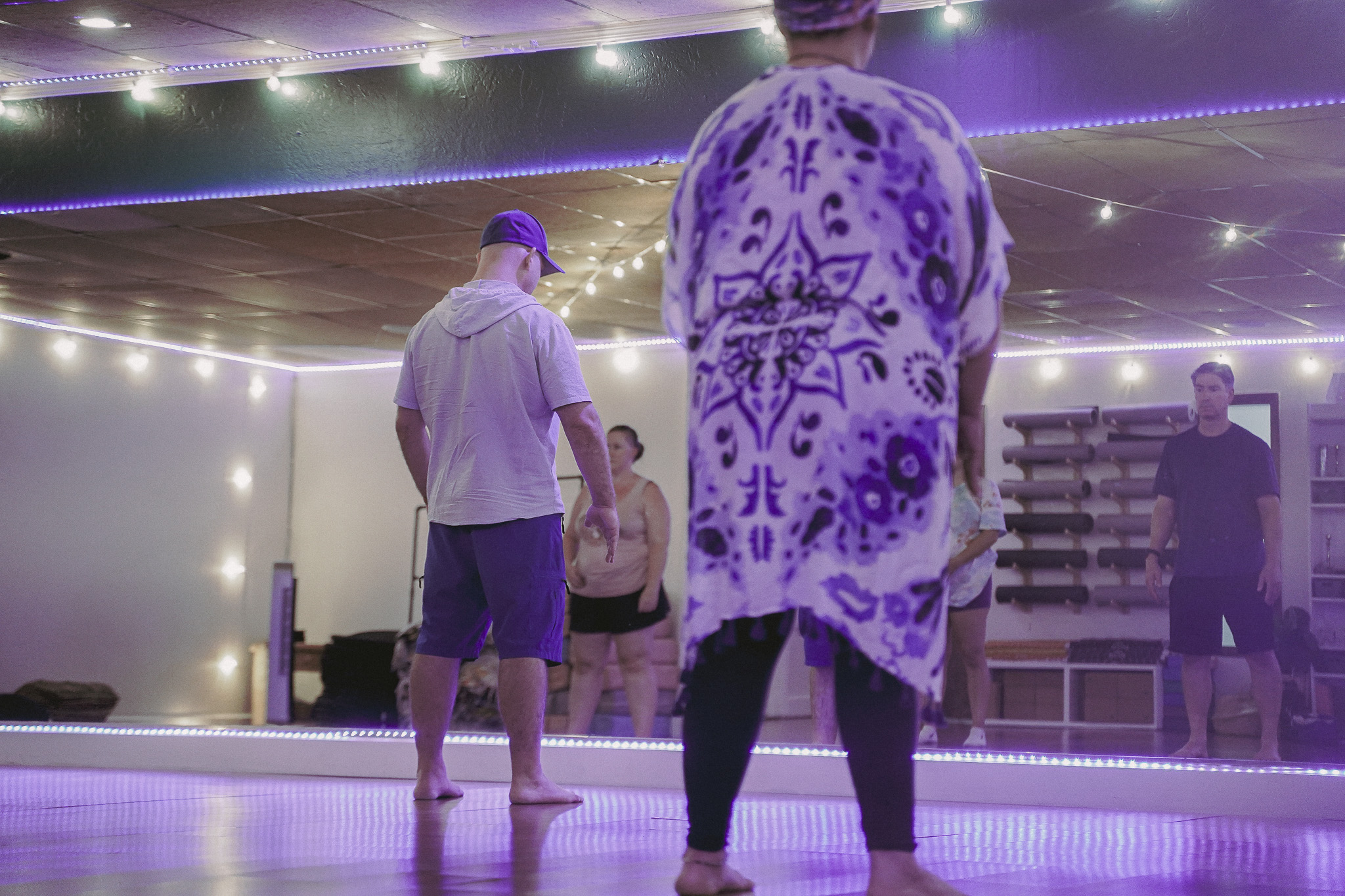
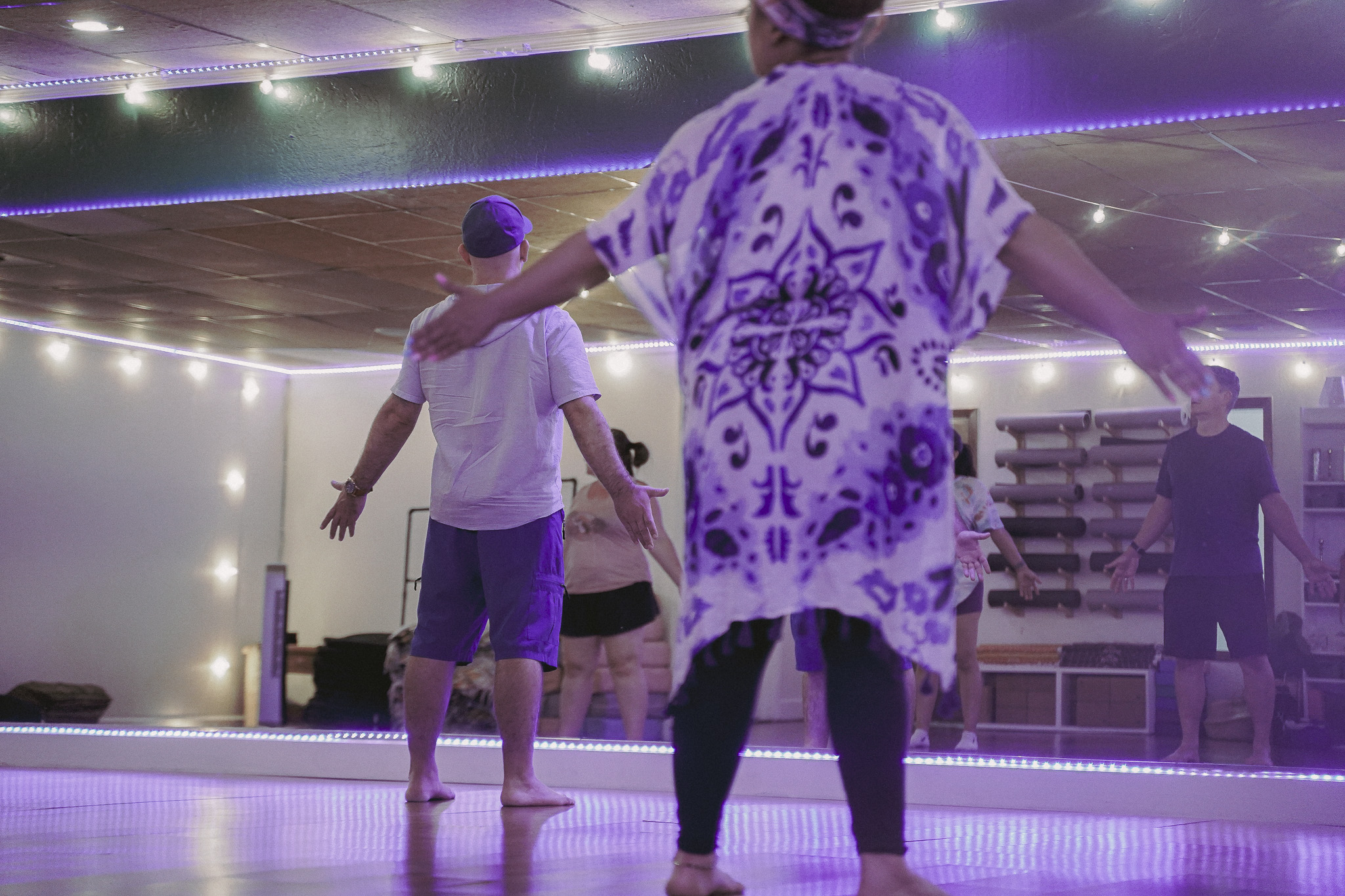
Shared movement can help teams transition out of productivity mode
Workplaces often keep teams in productivity mode. People are thinking, responding, producing, presenting, planning, organizing, deciding, and managing responsibilities. Even when the workday pauses, the body may still feel alert and ready for the next demand.
Tai Chi can help teams transition out of productivity mode because it asks the group to relate differently to time and movement. There is nothing to produce. There is no goal to achieve by moving faster. There is no need to compete. The practice invites people to feel the body, follow the breath, and move at a slower pace.
This shared transition can be helpful during retreats, wellness days, team meetings, or after high-pressure seasons. It allows employees to step out of task mode and into human mode, where the body and mind can begin to reset.
Teams need moments where they are not asked to produce anything, but are invited to return to themselves together.
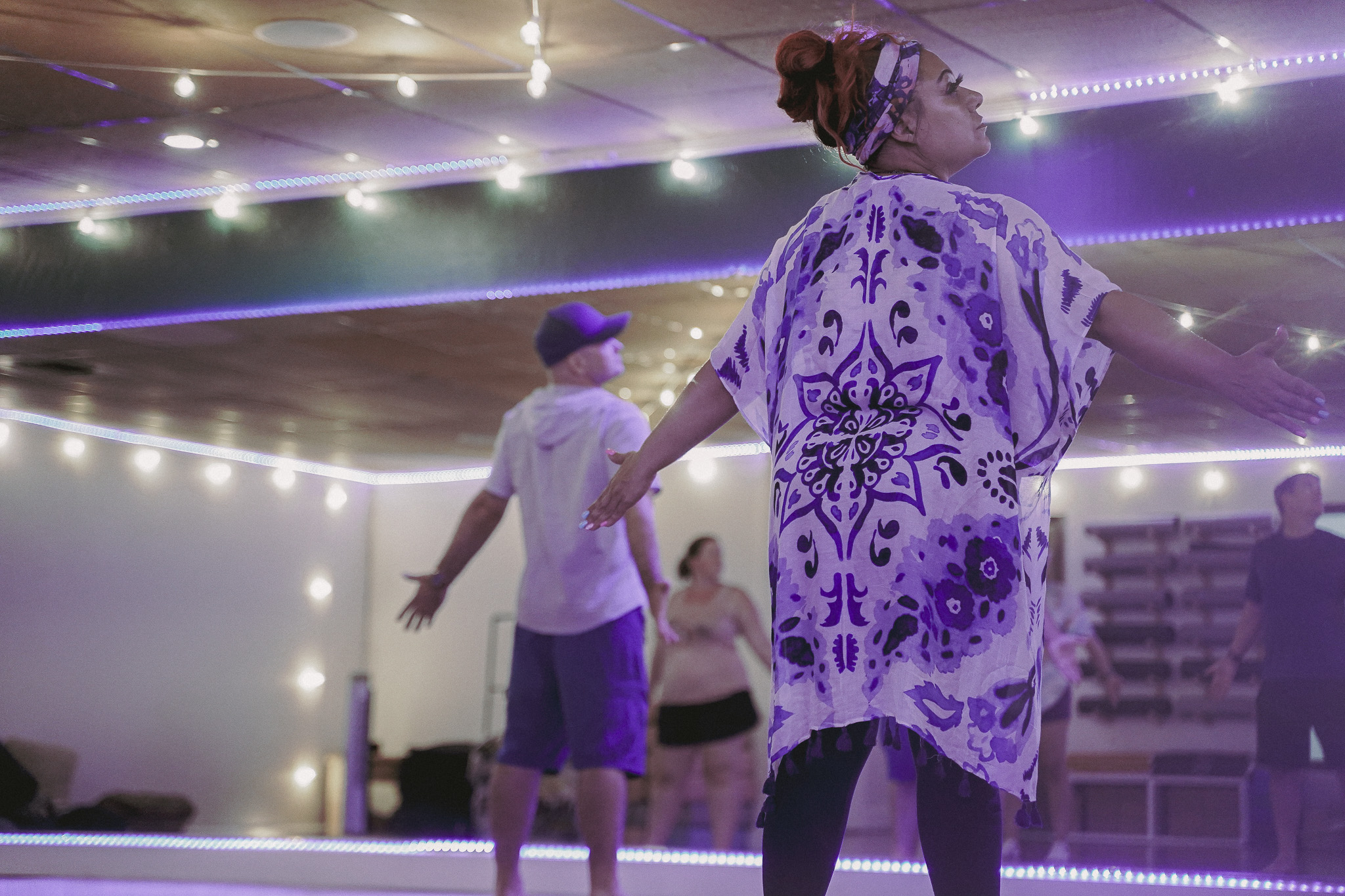
Tai Chi gives teams a shared pause from productivity mode through breath, posture, slow movement, and grounding.
Tai Chi can support trust by creating a safe pace
Trust is not built only through big conversations. It is also built through repeated experiences of safety, respect, consistency, and presence. When a team is always moving quickly, there may be fewer opportunities to feel each other as people rather than roles.
Tai Chi can support a safe pace because it does not demand immediate emotional openness. It begins with simple physical awareness. Feel the feet. Notice the breath. Move slowly. Return when attention wanders. This gives the group a shared structure without forcing anyone to share more than they want to.
Over time, shared practices like this can support a culture where slowing down is allowed. This matters because teams need more than efficiency. They also need trust, patience, and a sense that the humans behind the work are being cared for.
A safe pace can help teams remember that connection is not something to rush. It is something to build with care.
What a team Tai Chi wellness session can include
A team Tai Chi wellness session can be designed to feel simple, accessible, and supportive. It does not need to teach an entire Tai Chi form or require employees to memorize complex movement sequences. The purpose is to introduce the team to shared mindful movement in a way that connects directly to workplace stress, communication, and wellbeing.
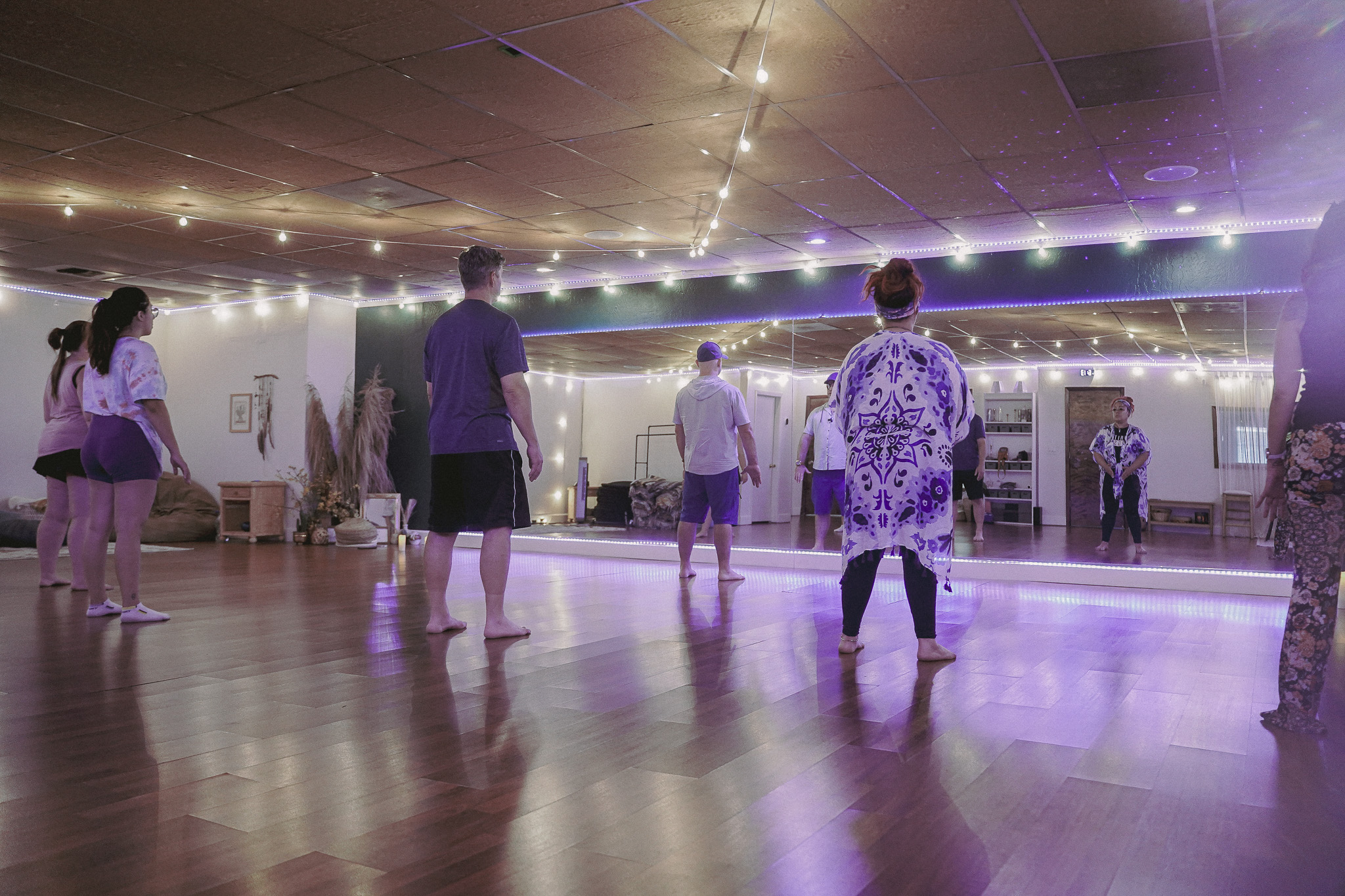
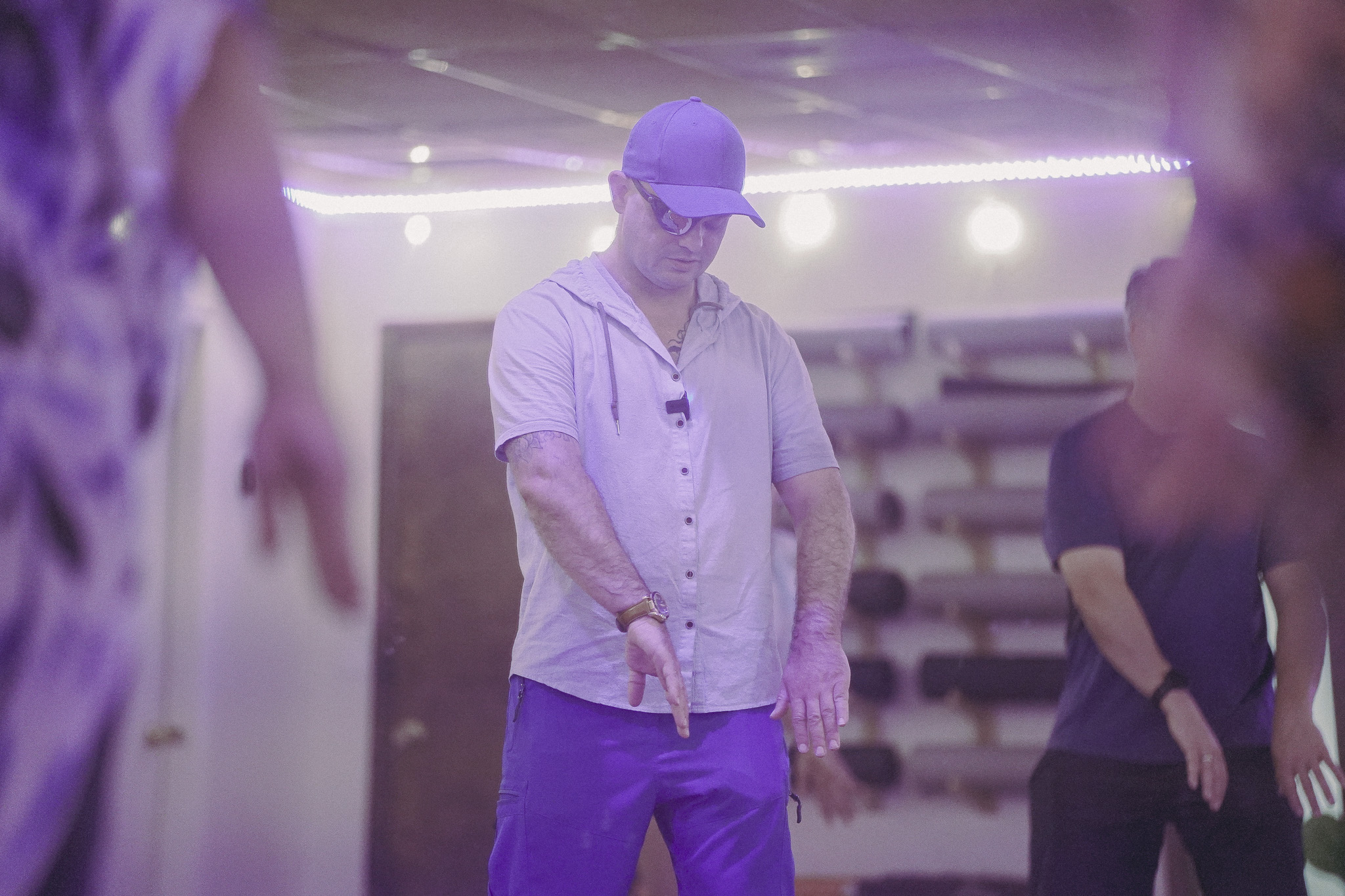
A session may begin with grounding and breath awareness to help the group arrive. From there, the facilitator may guide gentle Tai Chi-inspired movements that focus on weight shifting, posture, slow transitions, balance, and attention. The session may include plain-language education about how stress shows up in the body and how mindful movement can help teams practice slowing down.
Depending on the intention, the session may also include a short reflection, journaling prompt, group discussion, or integration practice. The experience can be adapted for retreats, leadership teams, employee wellness days, lunch-and-learns, or recurring workplace wellness offerings.
A team Tai Chi session is not about performing the practice perfectly. It is about giving the group a shared experience of slowing down, breathing, and reconnecting.
Grounding
The team begins by feeling the feet, noticing the breath, and arriving together.
Gentle Movement
Slow Tai Chi-inspired movements help employees reconnect with the body without intensity.
Stress Awareness
The session can include practical education about how workplace stress shows up physically.
Team Integration
Reflection or discussion can help the group connect the practice back to work culture.
How shared mindful movement can support daily team culture
The value of Tai Chi for team wellness is not limited to the session itself. The principles can begin to influence how teams move through daily work. Employees may become more aware of rushing, tension, shallow breathing, or the way stress impacts communication.
A team may begin using small shared pauses before meetings. A manager may invite one grounding breath before a difficult conversation. Employees may learn to recognize when the group is moving from urgency rather than clarity. These small shifts can support a more mindful workplace culture over time.
Team wellness is not built from one perfect event. It is built through repeated experiences that remind people they are allowed to slow down, notice, communicate with care, and return to themselves together.
Shared mindful movement can help teams practice the kind of presence they want to bring into their daily culture.
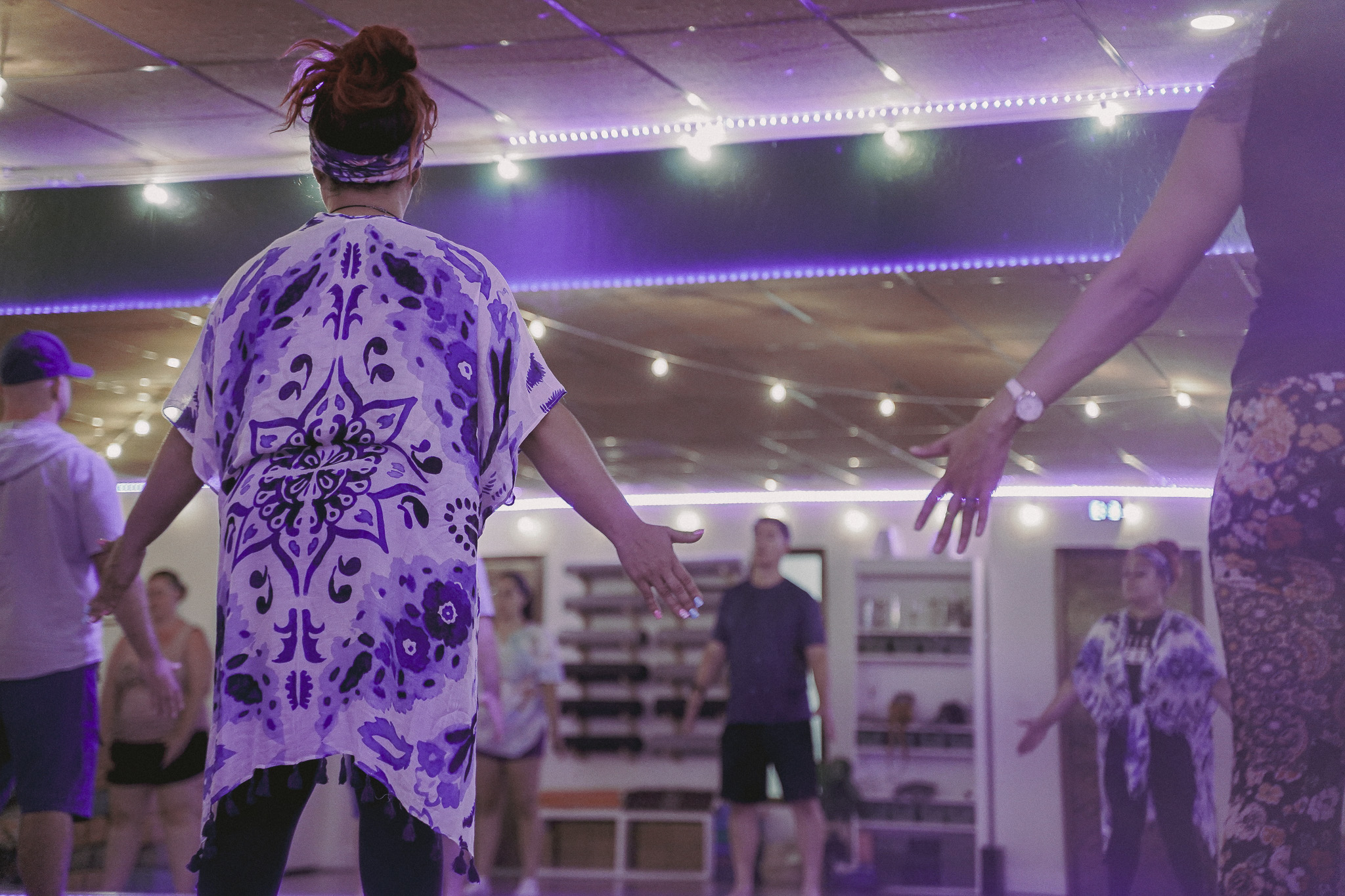
Tai Chi should be part of a broader team wellness strategy
Tai Chi can support team connection, stress relief, mindful movement, and shared presence, but it should not be treated as the only answer to workplace stress. Team wellness also requires healthy systems, thoughtful leadership, clear communication, realistic workloads, psychological safety, and access to appropriate support resources.
When teams are struggling because of overwork, unclear expectations, poor communication, or lack of trust, a wellness practice can support the people in the room, but it cannot replace the deeper work of improving the workplace environment. Tai Chi is most meaningful when it is part of a larger commitment to care.
In that context, Tai Chi can offer something valuable. It gives teams a practical, accessible, body-based way to reconnect. It helps people experience a different pace together and carry that awareness back into the way they communicate, collaborate, and support one another.
Team wellness is strongest when shared practices are paired with workplace systems that truly support people.
Tai Chi is not a replacement for professional care or healthy workplace systems
Tai Chi can be a supportive workplace wellness practice for team connection, stress relief, gentle movement, mindfulness, breath awareness, grounding, focus, balance, communication awareness, and body awareness, but it is not a replacement for medical care, therapy, medication, psychiatric support, trauma-informed treatment, employee accommodations, crisis services, leadership development, conflict resolution, or healthy workplace systems.
If employees are experiencing significant distress, panic, depression, trauma symptoms, thoughts of self-harm, severe burnout, persistent pain, or difficulty functioning, support from qualified professionals may be necessary. Employers should take these needs seriously and connect employees with appropriate resources.
Mind-body practices like Tai Chi can support wellbeing, but they should not be used to avoid addressing deeper workplace conditions or professional care needs. They are most effective when they are part of a broader culture of support, prevention, connection, and accountability.
Tai Chi can support team wellness as part of a broader workplace strategy, but it should not replace professional care, healthy systems, or meaningful organizational responsibility.
Team wellness with The Healing Tree Collective
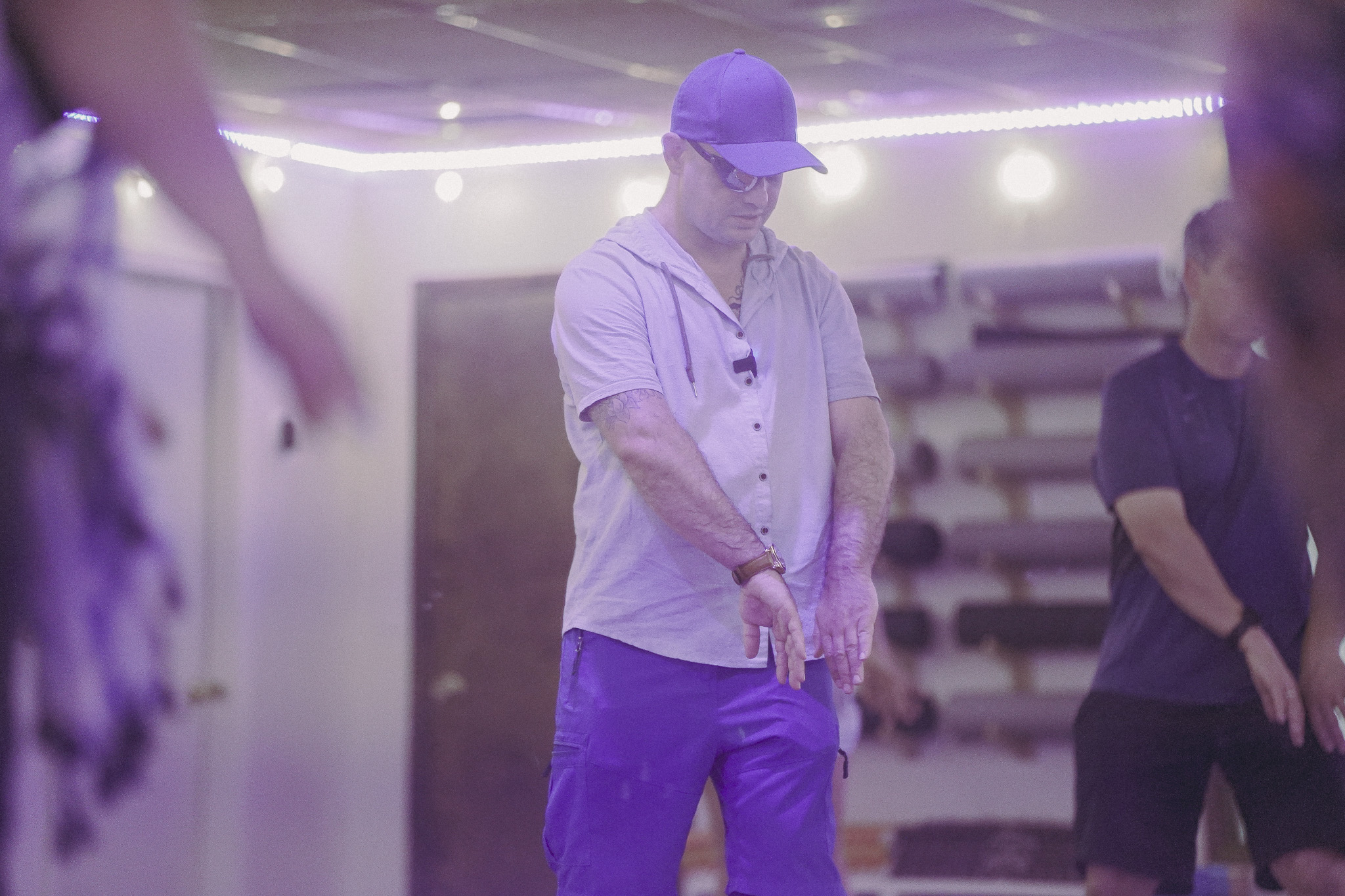
At The Healing Tree Collective, we support workplaces that want to care for their teams in a more human and practical way. Our workplace wellness experiences are designed to help employees slow down, reconnect with their bodies, understand stress in plain language, and experience supportive practices that can translate into daily work life.
Tai Chi can be offered as a standalone team wellness session or as part of a larger experience that includes meditation, breathwork, sound healing, Reiki, nervous system education, grounding practices, or reflective team conversations. Each offering can be customized based on the needs of the team, the workplace environment, and the intention of the session.
We believe team wellness should feel accessible, educational, and real. It should not feel like another performance, another obligation, or another task employees have to complete. It should offer space to breathe, reset, and feel supported as whole people working together.
At The Healing Tree Collective, team wellness is about helping people return to the human being behind the role, the inbox, the meeting, the deadline, and the team dynamic.
Final thoughts: connection can be practiced through movement
Tai Chi can support team wellness because it gives employees a shared experience of slowing down, breathing, grounding, and moving with awareness. It does not require people to compete, perform, or share more than they are ready to share. It creates connection through presence.
For modern teams, this matters. Many employees spend their days responding, producing, communicating, and navigating pressure. Tai Chi offers a different rhythm that reminds the group they are not only coworkers completing tasks. They are human beings sharing a workplace experience.
Team wellness is not built only through policies or productivity tools. It is built through repeated moments of care, presence, respect, and connection. Shared mindful movement like Tai Chi can be one way to begin practicing that together.
Tai Chi for team wellness helps employees practice the return together: to breath, to body, to presence, to connection, and to a more human rhythm of working side by side.
Looking for team wellness experiences that build connection?
The Healing Tree Collective offers workplace wellness experiences designed to support stress relief, mindfulness, grounding, nervous system education, body awareness, team connection, and practical tools for busy workdays. If your team is curious about Tai Chi, meditation, breathwork, sound healing, Reiki, or a customized wellness session, we would love to help you create an experience that feels supportive and practical.
We bring a human approach to workplace wellness because teams need more than productivity tools. They need space to breathe, slow down, reconnect, and remember the people behind the roles.