6 July 2026
Tai Chi Meditation: A Practice for People Who Struggle to Sit Still
Many people are interested in meditation, but they struggle with the idea of sitting still. They may feel restless as soon as they close their eyes, become more aware of racing thoughts, feel uncomfortable in silence, or assume they are doing something wrong because their mind does not immediately become quiet.
This experience is common, especially for people who are stressed, overstimulated, emotionally overwhelmed, physically tense, or accustomed to moving quickly through the day. For some people, stillness can feel less like rest and more like being left alone with every thought, sensation, and unfinished responsibility at once.
Tai Chi meditation offers a different way to practice mindfulness because it allows the body to remain gently active while the mind learns to return to the present moment through movement, breath, posture, balance, and body awareness.
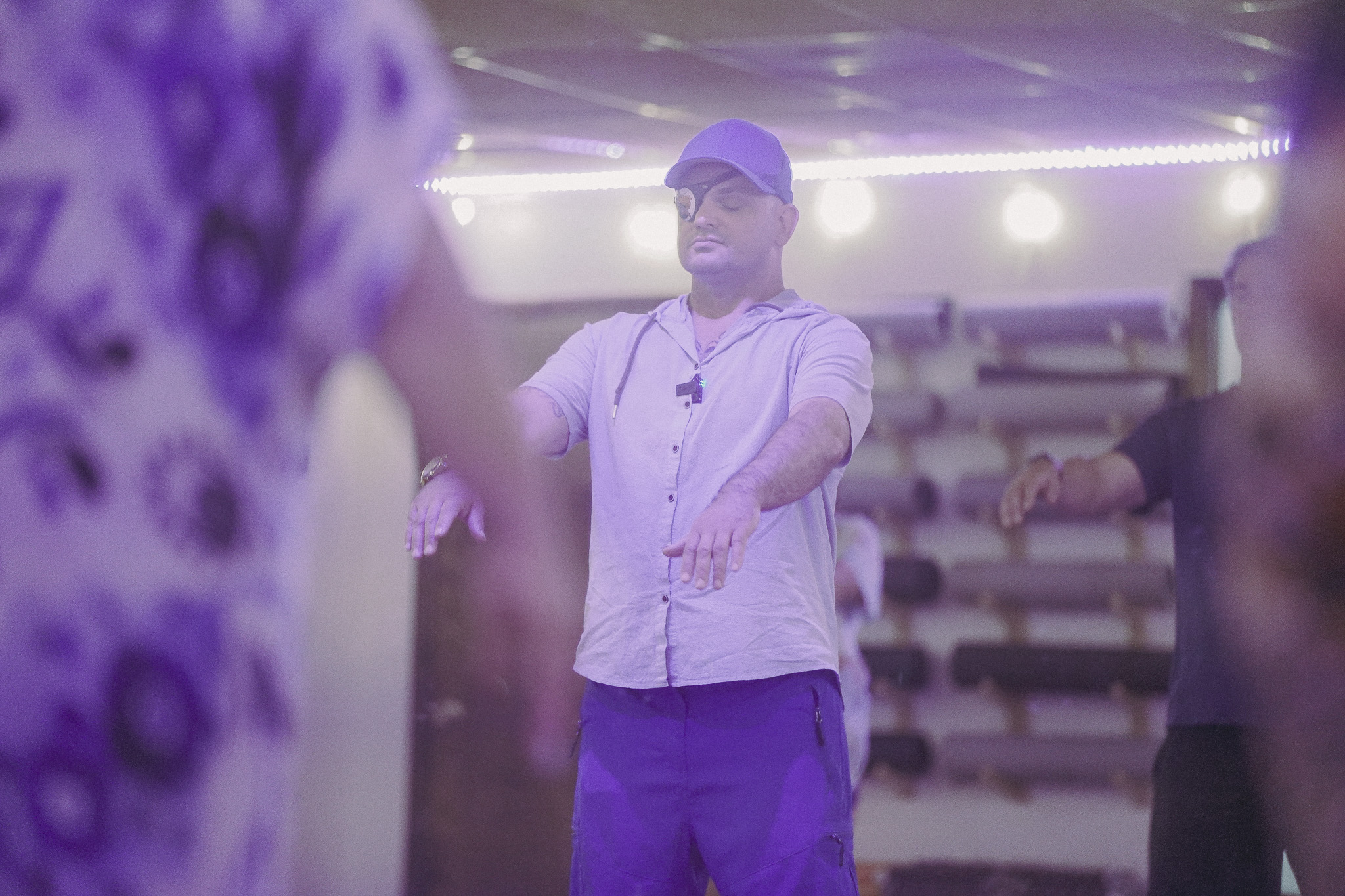
Tai Chi meditation gives the mind a physical anchor, making mindfulness more accessible for people who struggle with stillness.
Tai Chi meditation may feel supportive if you:
Need a meditation practice that includes movement, structure, and body-based attention.
- Have trouble sitting still
- Feel restless during meditation
- Have a busy or racing mind
- Feel uncomfortable with silence
- Prefer gentle movement over stillness
- Need a clear focus for attention
- Want a beginner-friendly mindfulness practice
Why sitting still can feel difficult
Sitting still may sound simple, but for many people it is not easy. When the body stops moving, the mind can become more noticeable. Thoughts that were previously hidden beneath tasks, conversation, work, errands, and responsibilities may suddenly feel louder. A person may become more aware of unfinished decisions, emotional discomfort, physical tension, or internal restlessness.
This can be discouraging for beginners because they may interpret the experience as failure. They may think they are not calm enough, focused enough, spiritual enough, or disciplined enough to meditate. In reality, a busy mind during meditation does not mean the practice is failing. It often means the person is becoming aware of how active the mind has already been.
For some people, stillness also brings attention to the body in a way that can feel unfamiliar or uncomfortable. They may notice tension, fatigue, tightness, shallow breathing, or emotional heaviness that they had been moving too quickly to feel. This is one reason movement-based meditation can be helpful. It provides a gradual pathway into awareness without requiring the body to become completely still before it feels ready.
Struggling to sit still does not mean you are bad at meditation. It may simply mean your body and mind need a different doorway into presence.
Tai Chi meditation gives the mind something to follow
One of the reasons Tai Chi can feel more accessible than seated meditation is that it gives the mind a clear physical focus. Instead of sitting silently and wondering what to do with your thoughts, you are guided to notice movement, breath, posture, balance, and the transition from one position into another.
This structure can be especially helpful for people with busy minds. The goal is not to eliminate every thought. The goal is to notice when attention wanders and gently bring it back to the body. In Tai Chi, that return may happen through feeling the feet on the floor, noticing the breath, following the movement of the hands, or sensing how weight shifts from one side to the other.
Because the body remains active, the mind has something concrete to track. This can make meditation feel less abstract and more practical. Rather than asking, “Am I clearing my mind correctly?” the practitioner can ask, “Can I return to the next movement? Can I feel my feet? Can I notice my breath? Can I move a little more slowly?”
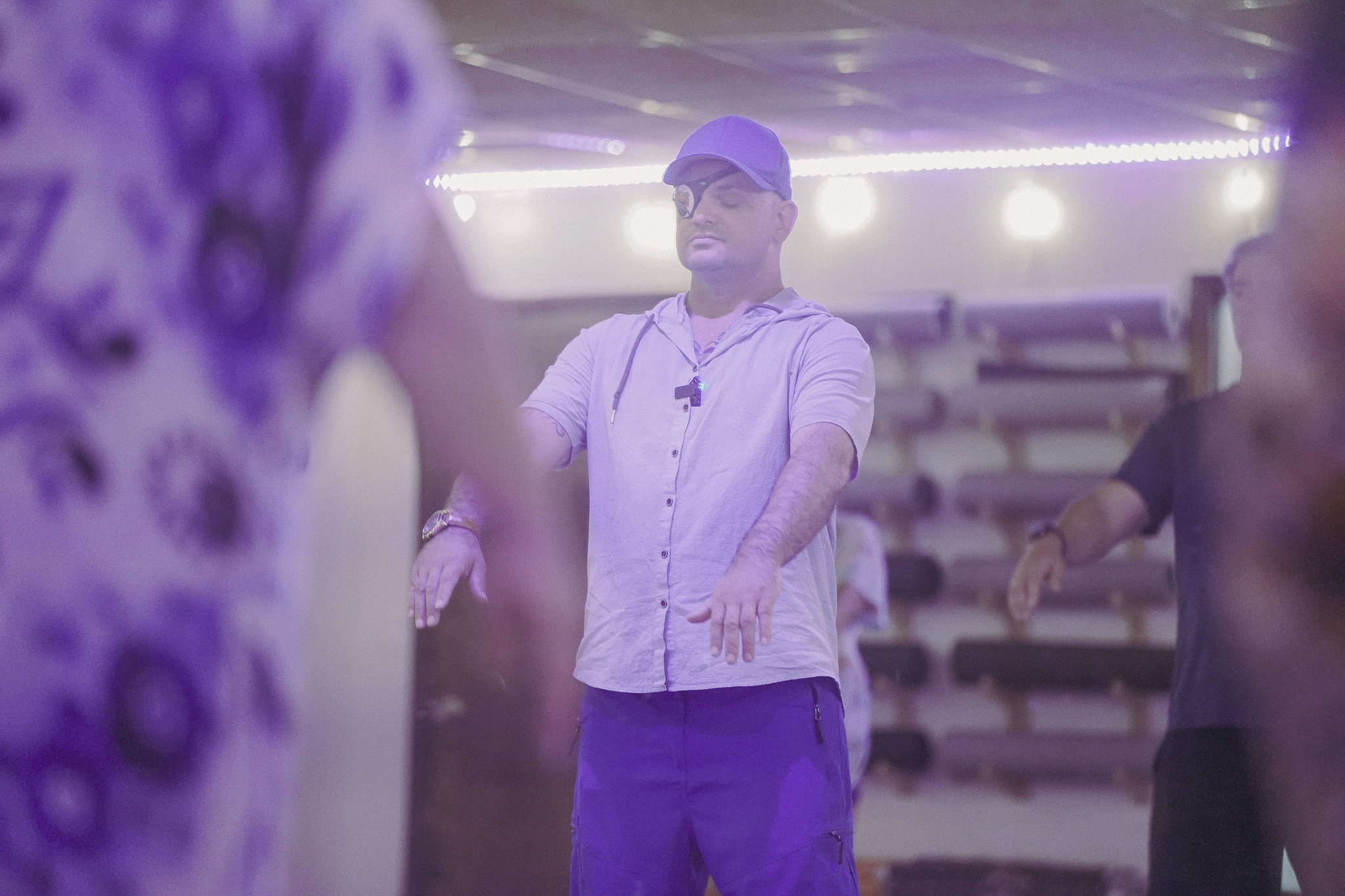
Tai Chi meditation supports mindfulness by giving attention a physical place to return, especially when stillness feels too open-ended.
Meditation does not require a silent mind
One of the most common misconceptions about meditation is that the mind should become completely quiet. This expectation creates unnecessary pressure. The mind thinks. It plans, remembers, evaluates, worries, imagines, and responds. These mental activities do not automatically disappear because someone decides to meditate.
A more realistic understanding of meditation is that it trains the ability to notice where attention is and return it to a chosen anchor. In seated meditation, that anchor may be the breath, a sound, a phrase, or body sensation. In Tai Chi meditation, the anchor is movement combined with breath and body awareness.
This means that distraction is not a sign of failure. In fact, distraction is part of the practice because it gives you an opportunity to notice and return. Each time the mind wanders and you return to the movement, you are practicing meditation. Tai Chi makes this process more accessible by allowing the return to happen through the body.
The practice is not to stop all thoughts. The practice is to notice when attention has wandered and return to the present moment with patience.

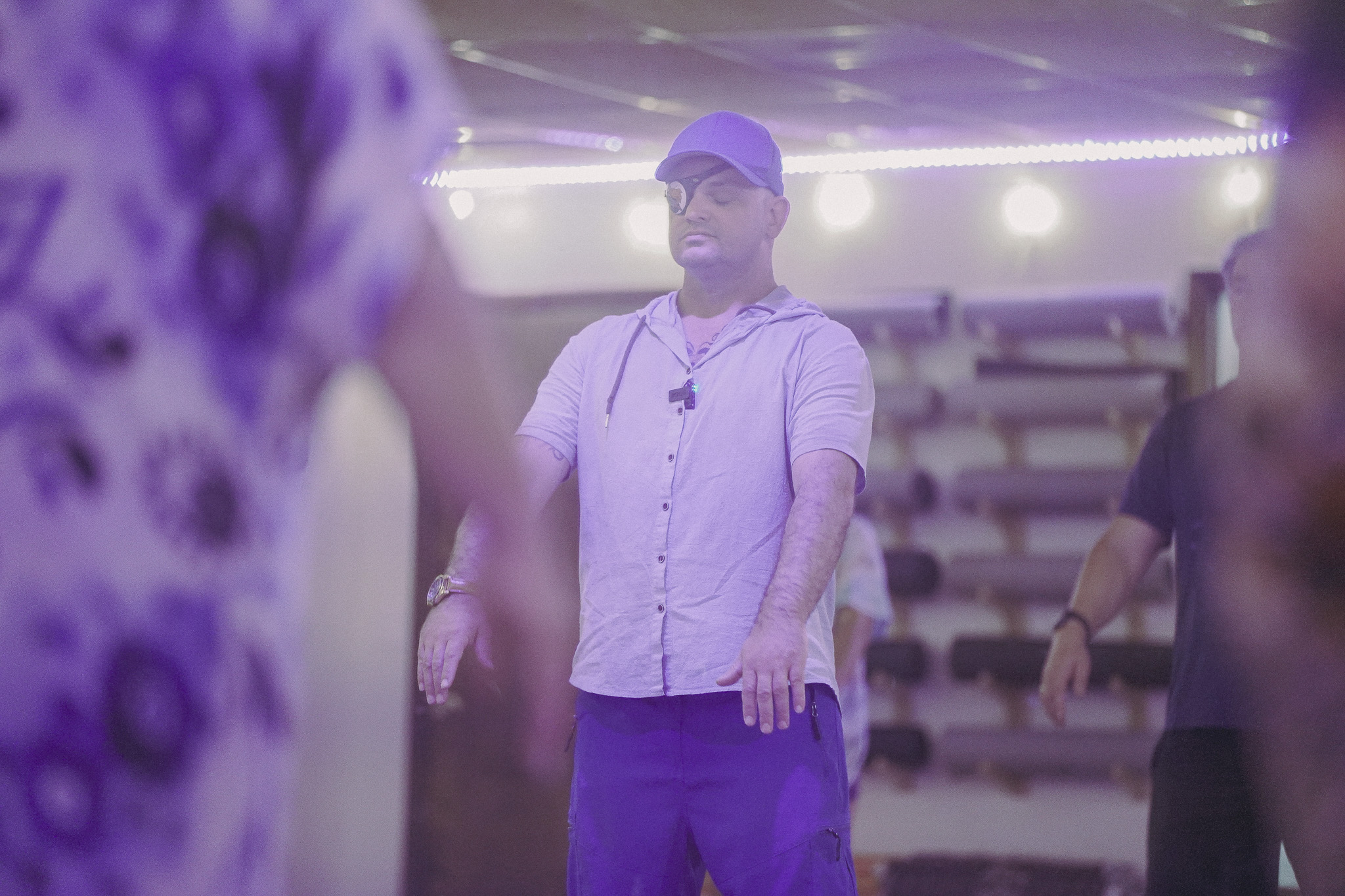
In Tai Chi meditation, the body becomes the anchor that helps attention return again and again.
The body can become an anchor for meditation
For people who struggle to sit still, the body can become an important anchor. When attention is placed only on thought, the mind may continue looping through concerns, plans, and reactions. When attention includes physical sensation, there is a concrete place to return. The body exists in the present moment, even when the mind is pulled into the past or future.
Tai Chi meditation uses this body-based anchor in several ways. The feet provide a sense of contact with the ground. The breath gives information about pace and internal state. The hands offer a visible point of focus. The posture reveals tension, collapse, bracing, or over-effort. The slow transitions require attention to stay connected while movement unfolds.
This combination helps people practice meditation without needing to sit completely still. The body remains engaged, but not overwhelmed. The movement is active, but not aggressive. The attention is focused, but not forced. This balance can make Tai Chi especially supportive for beginners who need structure and movement in order to feel present.
For many people, the body is the most practical place to begin meditation because it gives attention something immediate, physical, and real to notice.
Feet
The feet help anchor attention through contact with the floor, weight shifting, balance, and grounding.
Breath
The breath helps connect the mind and body while offering information about stress, pace, and tension.
Hands
The movement of the hands gives the eyes and mind a gentle place to follow without needing intense concentration.
Posture
Posture helps reveal whether the body is bracing, rushing, collapsing, or carrying unnecessary effort.
Restlessness is not a problem to fix immediately
People who struggle to sit still often feel frustrated by restlessness. They may believe that restlessness means they are not relaxed enough to meditate, or that they need to calm down before beginning. This creates a cycle where the person waits to feel ready for meditation, but the very practice that could support them begins to feel inaccessible.
Tai Chi meditation can be helpful because it does not treat restlessness as a failure. Instead, it gives restlessness a gentle structure. The body is allowed to move, but the movement is slowed down and made intentional. This creates a middle ground between constant activity and complete stillness.
For someone with a restless body, this can feel more realistic. They do not have to force themselves into stillness immediately. They can begin with movement, gradually build awareness, and allow the body to learn a slower rhythm through repetition. Over time, stillness may become more accessible, but it does not have to be the starting point.
Tai Chi meditation does not require you to eliminate restlessness before practicing. It gives restlessness a slower and more intentional pathway to move through.

Tai Chi meditation can support stress relief without intensity
Many people associate movement with exercise, performance, or effort. When they are stressed, they may assume that movement has to be intense in order to be useful. While high-energy movement can be beneficial for some people, it is not always what the body needs when the nervous system is already overloaded.
Tai Chi meditation provides a different kind of movement. It is slow, low-pressure, and focused on awareness rather than exertion. The body is engaged enough to help organize attention, but not pushed into intensity. This can be especially supportive for people who are tired, anxious, burned out, or mentally full.
Stress relief through Tai Chi meditation does not come from forcing the body to work harder. It comes from giving the body and mind a slower rhythm, a clear focus, and repeated opportunities to return to the present moment. For many people, that combination can feel more sustainable than practices that require high energy before they even begin.
Not every stress relief practice needs to be intense. Sometimes the body benefits from movement that is slow enough to notice and structured enough to follow.
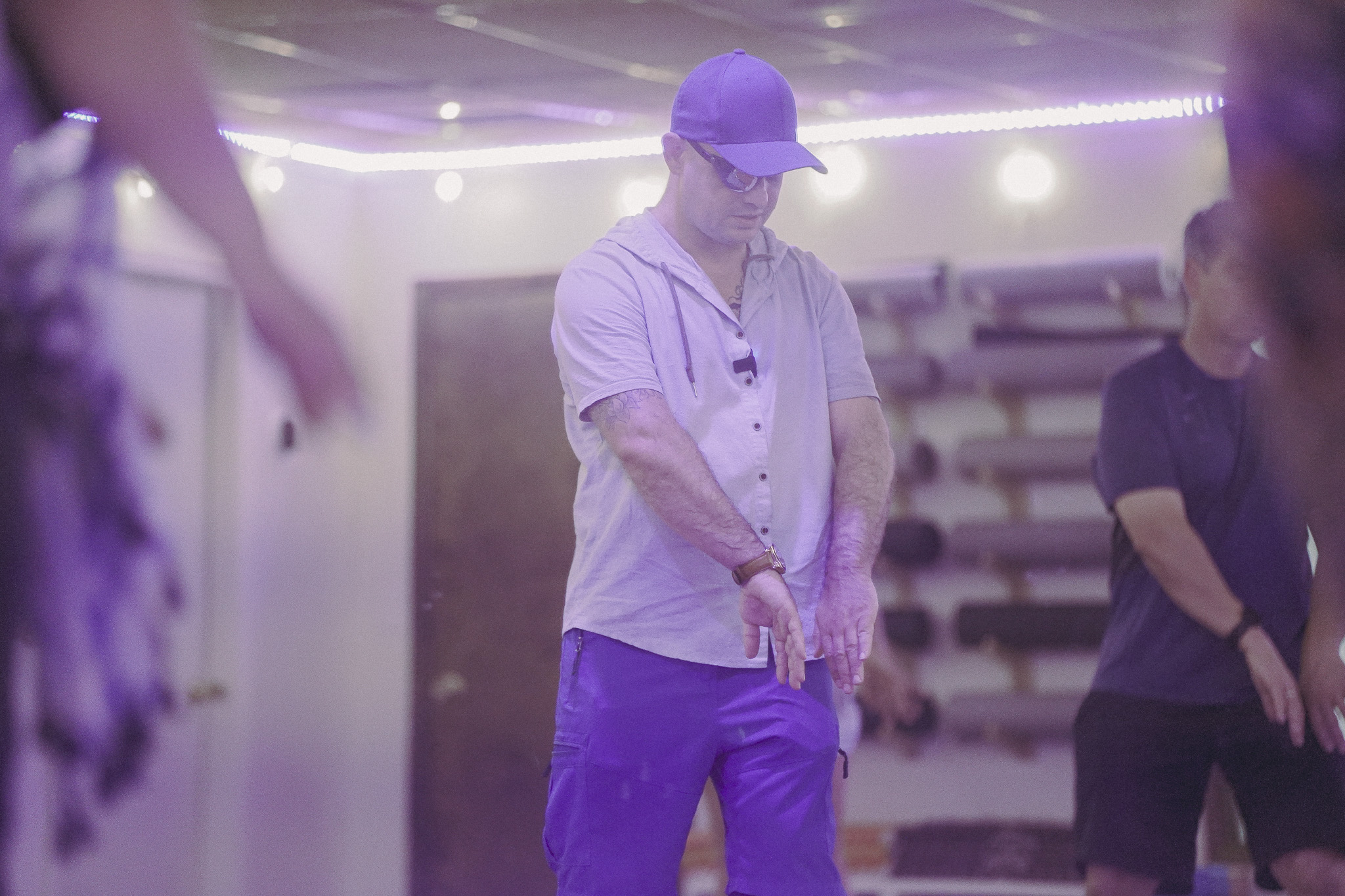
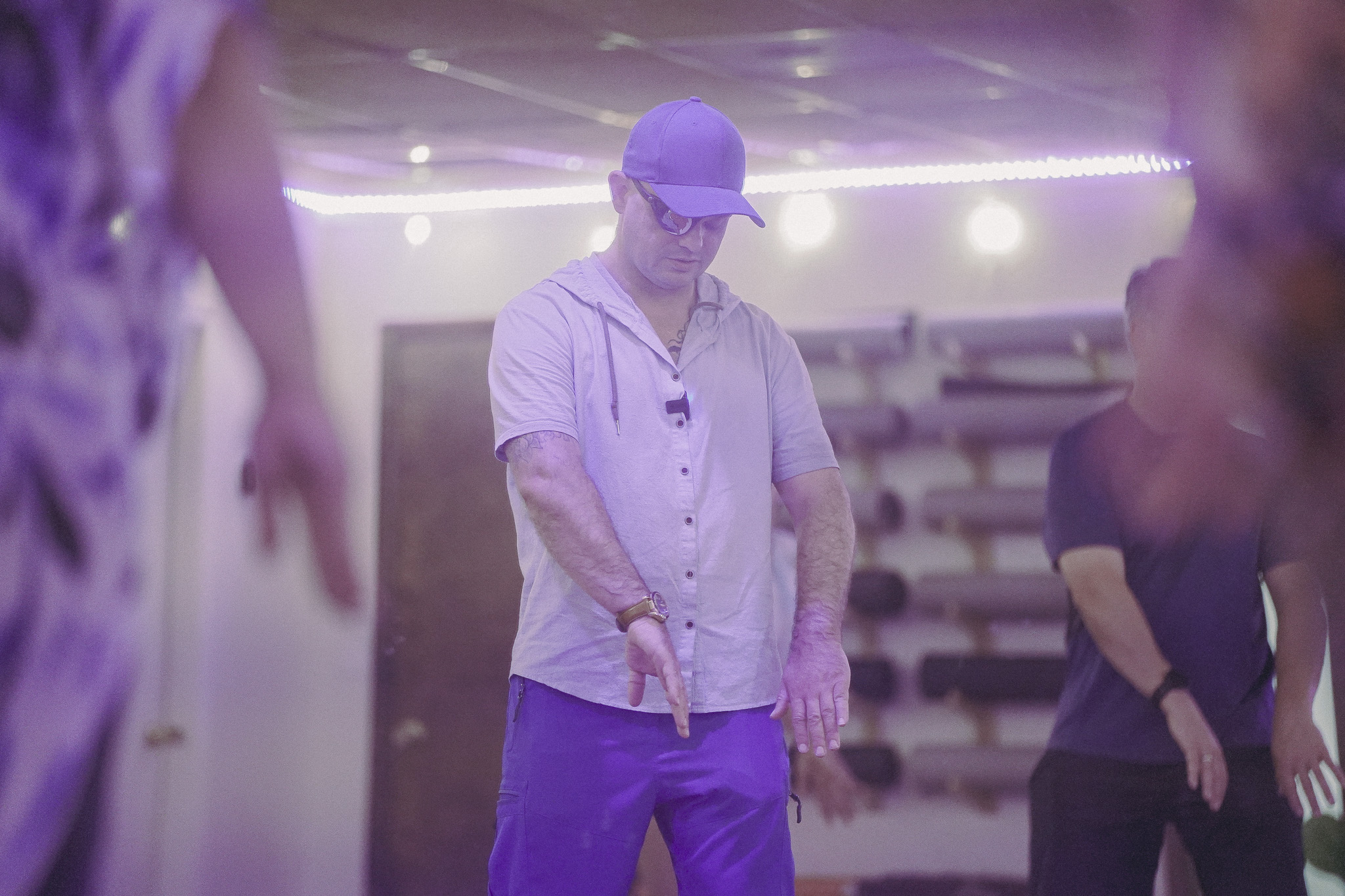
Tai Chi meditation can support stress relief by combining gentle movement, breath awareness, and present-moment focus.
Why Tai Chi meditation can feel more approachable than seated meditation
Seated meditation can be valuable, but it is not the only way to practice mindfulness. For beginners, seated meditation may feel difficult because there is very little external structure. The person may be asked to sit, breathe, and observe, but without much movement, the mind may feel even more active.
Tai Chi meditation provides more structure. The teacher guides movement. The body has clear physical tasks. The feet shift weight. The arms move through space. The breath can be noticed in relation to the body. The posture can be adjusted. The sequence gives attention a pathway to follow.
This structure can reduce the intimidation many people feel around meditation. Instead of wondering whether they are doing it correctly, they can focus on learning gradually. The practice becomes less about achieving a perfect meditative state and more about building awareness through repeated physical experience.
Tai Chi meditation can feel more approachable because it gives beginners a clear method for practicing presence through the body.
Tai Chi meditation teaches patience through slow transitions
One of the most important elements of Tai Chi is the transition between movements. In many areas of life, people rush through transitions because they are focused on the next task, next response, next responsibility, or next outcome. This habit can also appear in the body. A person may want to move quickly through the unfamiliar parts of practice because slowness feels uncomfortable.
Tai Chi meditation asks the body to stay present during transition. Instead of rushing into the next movement, the practitioner notices how weight shifts, how balance changes, how the breath responds, and how the body prepares for what comes next. This slow transition becomes part of the meditation.
For people who struggle to sit still, this can be a valuable lesson. Patience is not only practiced in stillness. It can also be practiced through movement. Each transition gives the body a chance to experience a slower relationship with time, attention, and response.
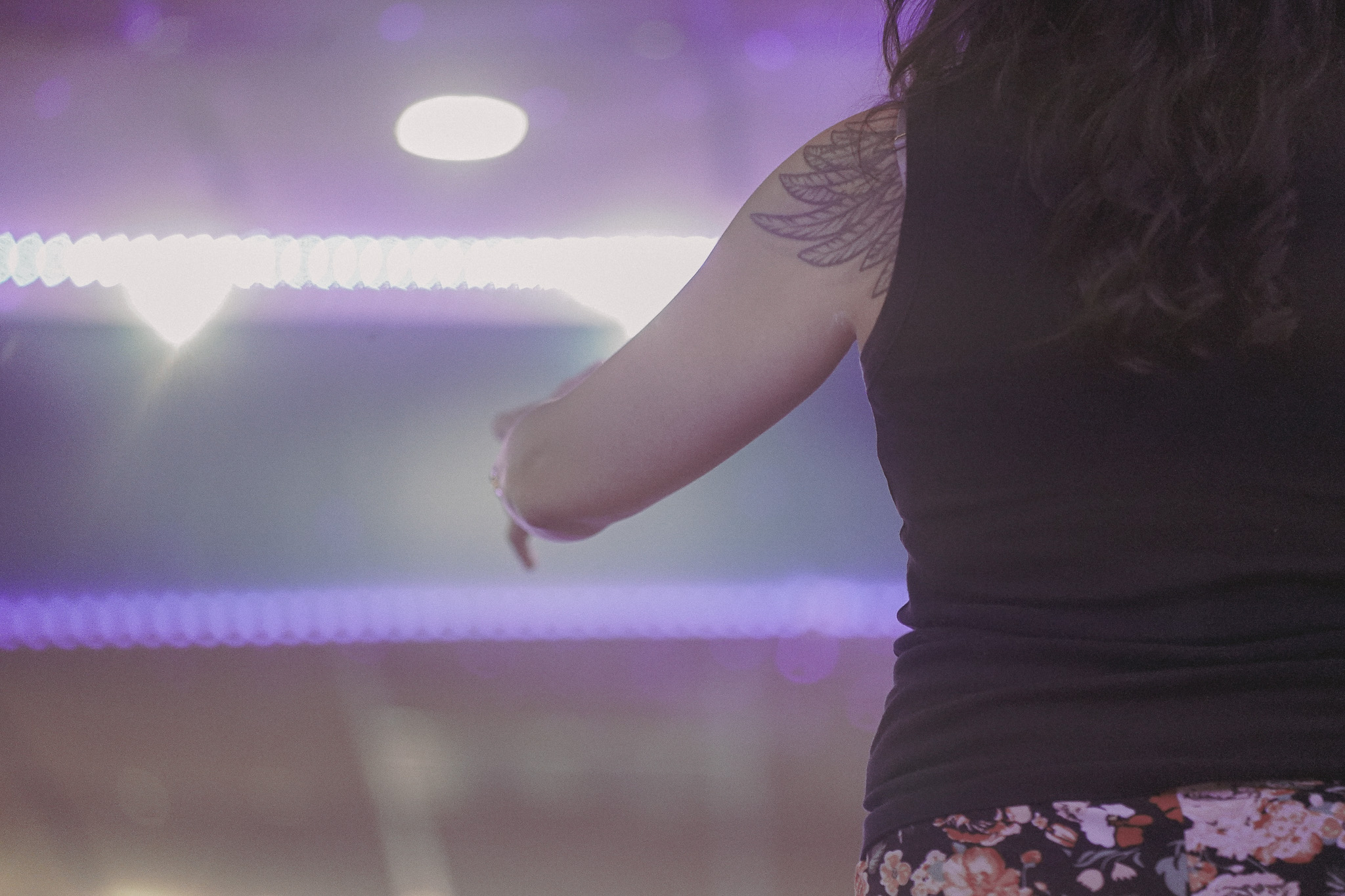
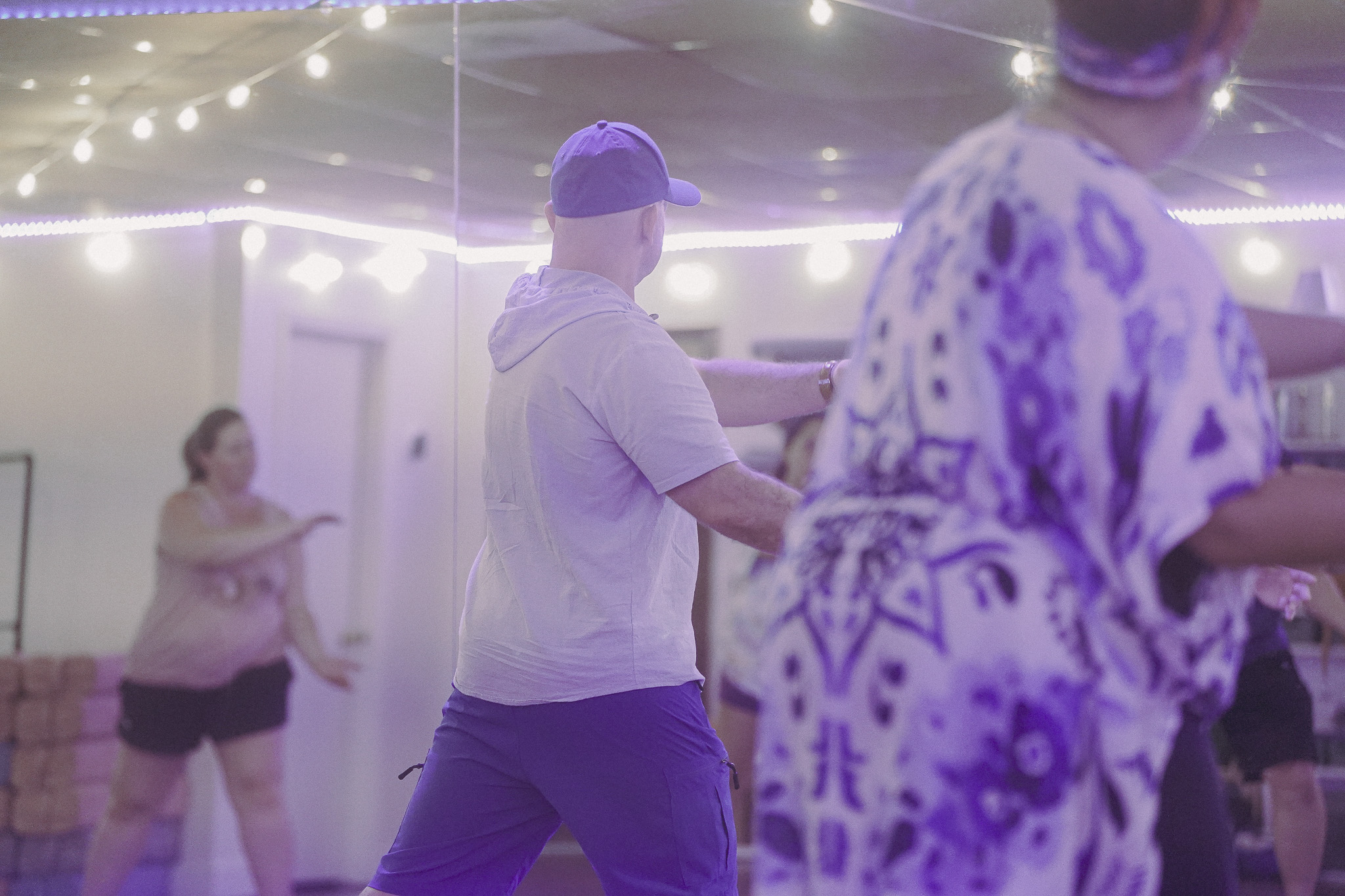
The transition between movements teaches the same skill many people are seeking in meditation: the ability to stay present before rushing into the next moment.
Meditation through movement can build body awareness
People who struggle to sit still may also struggle to feel connected to their bodies. A busy mind can keep attention focused on thoughts, plans, concerns, and responsibilities, while the body becomes something that is only noticed when it is tense, tired, restless, or uncomfortable.
Tai Chi meditation helps rebuild body awareness by giving attention a physical experience to observe. The practitioner notices where the feet are, how weight shifts, how the shoulders feel, how the breath moves, and how the body responds to slowness. These observations can help rebuild connection without requiring intense effort.
Body awareness matters because it can support emotional awareness, stress management, and more intentional responses in daily life. When people notice the body earlier, they may recognize stress before it becomes overwhelming. They may notice when they are holding their breath, clenching their jaw, rushing through a task, or reacting from tension rather than clarity.
Moving meditation can help people return to the body gradually, which may be more accessible than beginning with complete stillness.
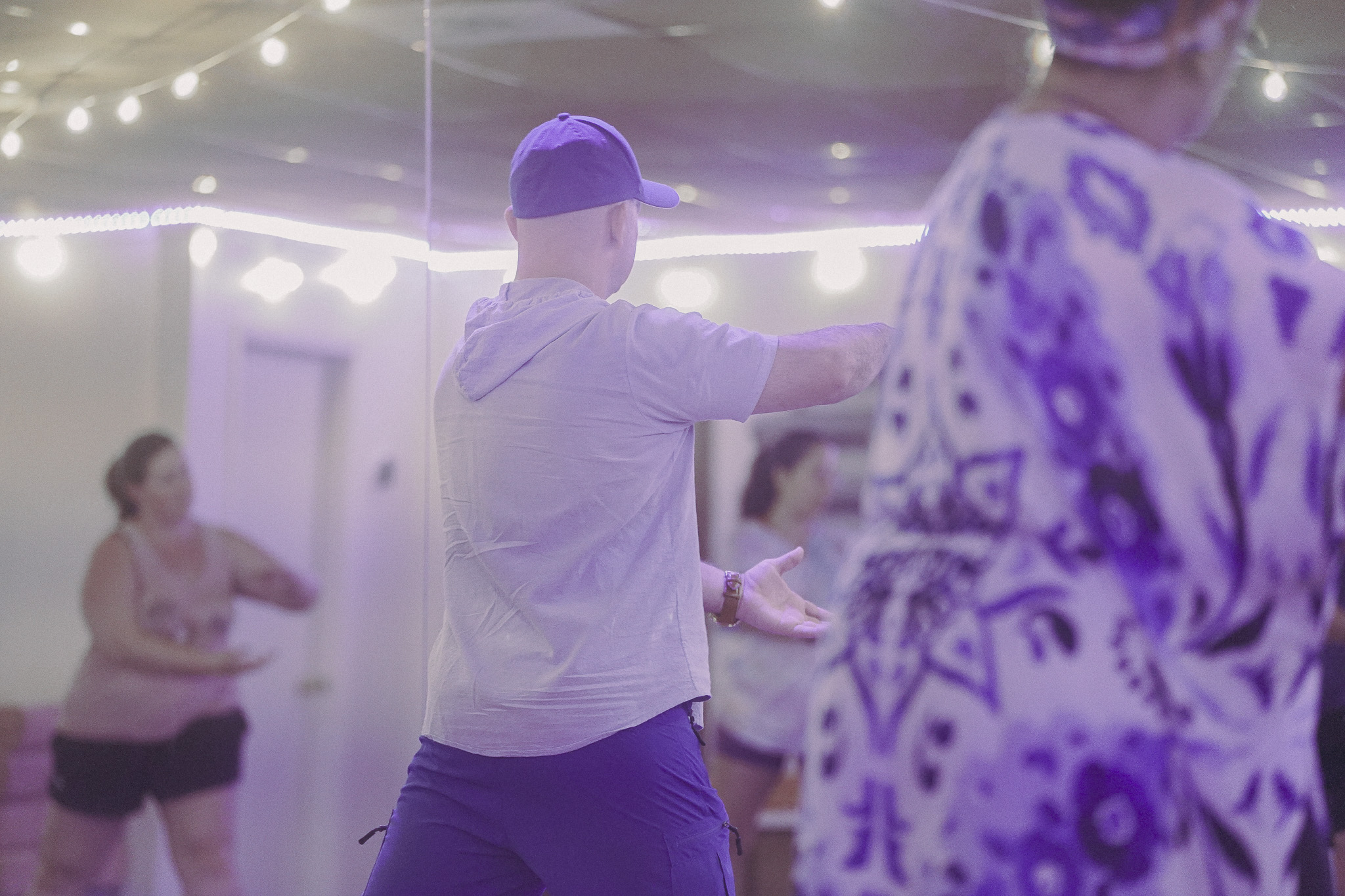
Body awareness develops gradually through repeated practice, not through forcing the body to become still right away.
The benefits often develop through repetition
A person may feel more grounded after one Tai Chi class, but the deeper benefits of Tai Chi meditation usually develop through consistency. This is important for beginners to understand because the first class may not feel immediately peaceful. It may feel unfamiliar, awkward, slow, or mentally challenging.
This does not mean the practice is not working. Learning to meditate through movement takes time. The body has to become familiar with the pace. The mind has to learn how to return. The breath has to become easier to notice. The practitioner has to develop patience with the learning process.
Over time, repeated practice can help the body recognize the rhythm of slowing down. The mind may begin to understand that wandering is not failure. The breath may become a more familiar anchor. The movements may begin to feel less like something to figure out and more like something to inhabit with awareness.
Tai Chi meditation becomes more supportive through repetition because the body and mind need time to learn a slower way of paying attention.
First Class
You may notice restlessness, distraction, uncertainty, or the desire to do the movements correctly.
Early Practice
You may begin feeling your feet, breath, posture, and tension patterns more clearly.
Consistent Practice
You may become more comfortable returning attention to the body when the mind wanders.
Daily Integration
The awareness practiced in class may begin to support stressful moments, transitions, and communication.
How Tai Chi meditation can support daily life
The skills developed in Tai Chi meditation can be useful beyond class because daily life constantly asks people to return to themselves. A stressful email, a difficult conversation, a full schedule, a parenting moment, a work deadline, or an emotional trigger can all pull attention away from the body and into reaction, urgency, or overthinking.
Through consistent Tai Chi practice, a person may begin to recognize these moments sooner. They may notice when the breath becomes shallow, when the body is rushing, when the shoulders tense, or when the mind is moving too quickly to respond clearly. These moments of awareness can create small but meaningful opportunities to pause.
This is where Tai Chi meditation becomes practical. It does not only help someone meditate during class. It helps them build a body-based relationship with attention that can support real-life moments. The same skill of returning to the feet, breath, and posture can become useful in conversations, decision-making, stress, and transitions.
When Thoughts Race
You may return attention to the body instead of trying to solve every thought immediately.
When Stress Builds
You may notice breath, posture, or tension changes before stress becomes overwhelming.
When You Feel Restless
You may use slow movement or grounding to help the body shift out of urgency.
When You Need a Pause
You may create a small moment of awareness before responding, deciding, or moving forward.
Tai Chi meditation is not a replacement for mental health care
Tai Chi meditation can be a supportive wellness practice, but it is not a replacement for therapy, medication, medical care, psychiatric support, trauma-informed treatment, or crisis services. If someone is experiencing persistent anxiety, panic, depression, trauma symptoms, thoughts of self-harm, or difficulty functioning, support from a qualified professional may be necessary.
At the same time, many people benefit from practices that help them develop body awareness, stress awareness, grounding, and a more compassionate relationship with their internal experience. Tai Chi meditation can be one of those supportive practices because it offers a gentle way to move, breathe, notice, and return.
The value of the practice is not that it fixes everything immediately. Its value is that it gives people a repeatable, beginner-friendly way to work with restlessness, mental noise, and body disconnection without adding pressure or intensity.
Tai Chi meditation can support stress relief and mindfulness as part of a broader care routine, but it should not replace professional support when that support is needed.
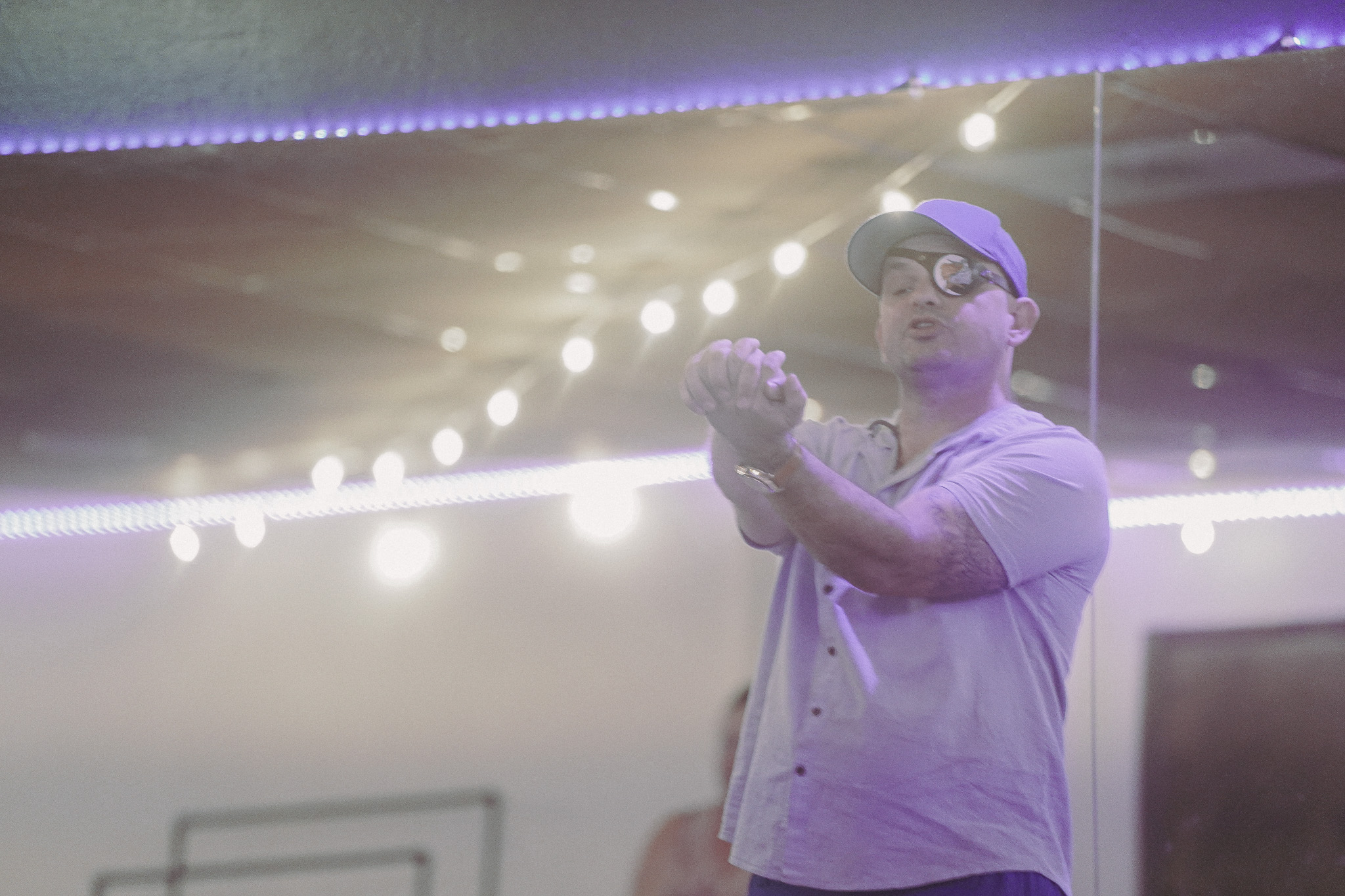
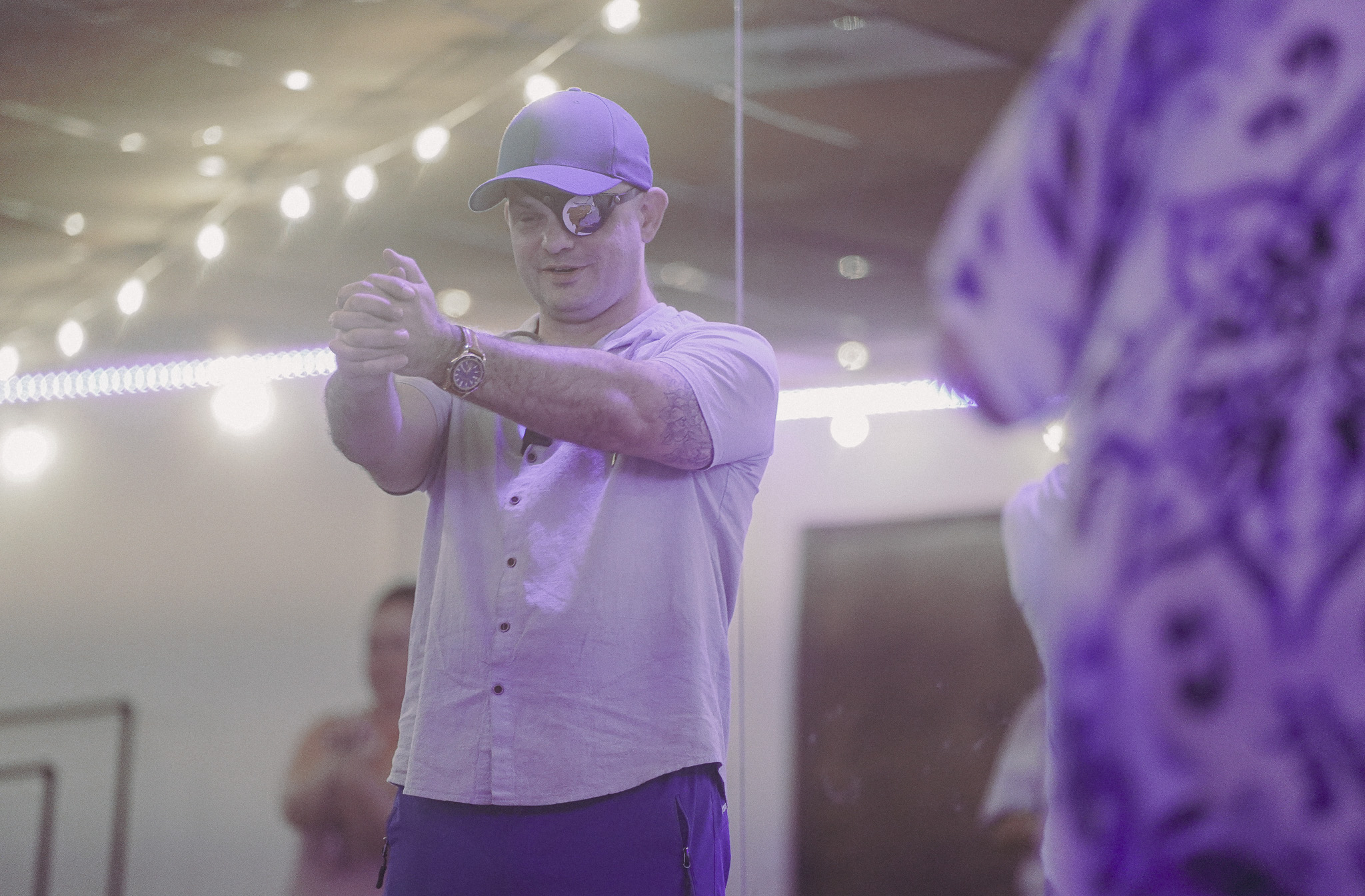
Tai Chi meditation and The Healing Tree Collective
At The Healing Tree Collective, we understand that many people want to meditate but feel discouraged by traditional expectations. They may believe meditation is only successful if they can sit perfectly still, silence the mind, and feel peaceful right away. For people with full schedules, busy minds, emotional stress, or restless bodies, that expectation can make meditation feel unreachable.
Tai Chi fits naturally into our approach because it makes meditation more accessible. It invites people to practice presence through movement, breath, grounding, and body awareness. It does not require prior experience, advanced flexibility, athletic ability, or a perfectly calm mind. It meets people where they are and offers a structured way to begin.
Our mission is to create accessible wellness spaces where people can heal, grow, and reconnect with themselves through practices that feel supportive, educational, and real. Tai Chi meditation supports that mission because it helps people understand that meditation does not have to look one specific way. It can begin with the body, with movement, with the breath, and with the willingness to return.
At The Healing Tree Collective, Tai Chi meditation is offered as a practical pathway into mindfulness for people who need movement, structure, and a gentle place to begin.
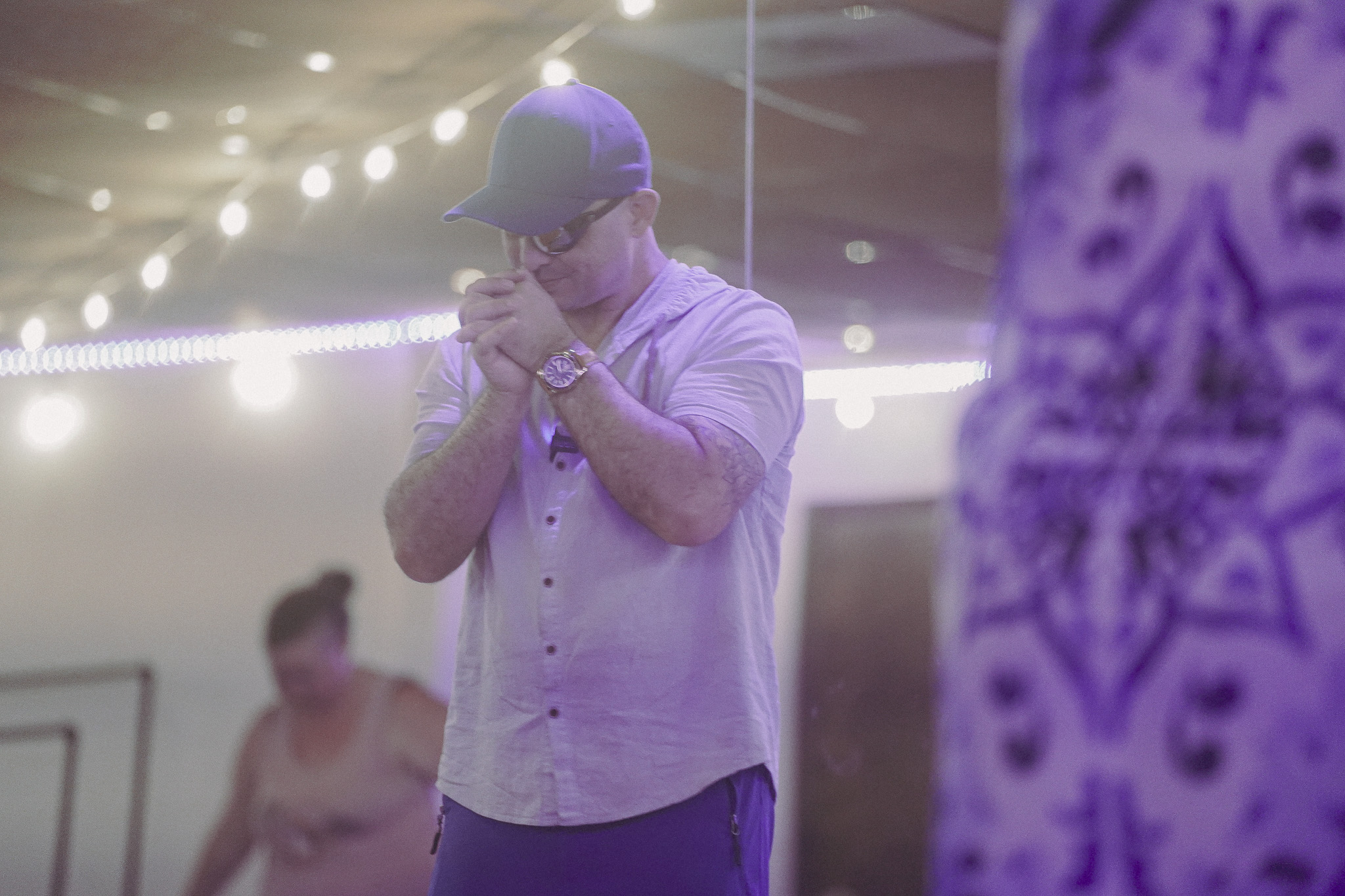
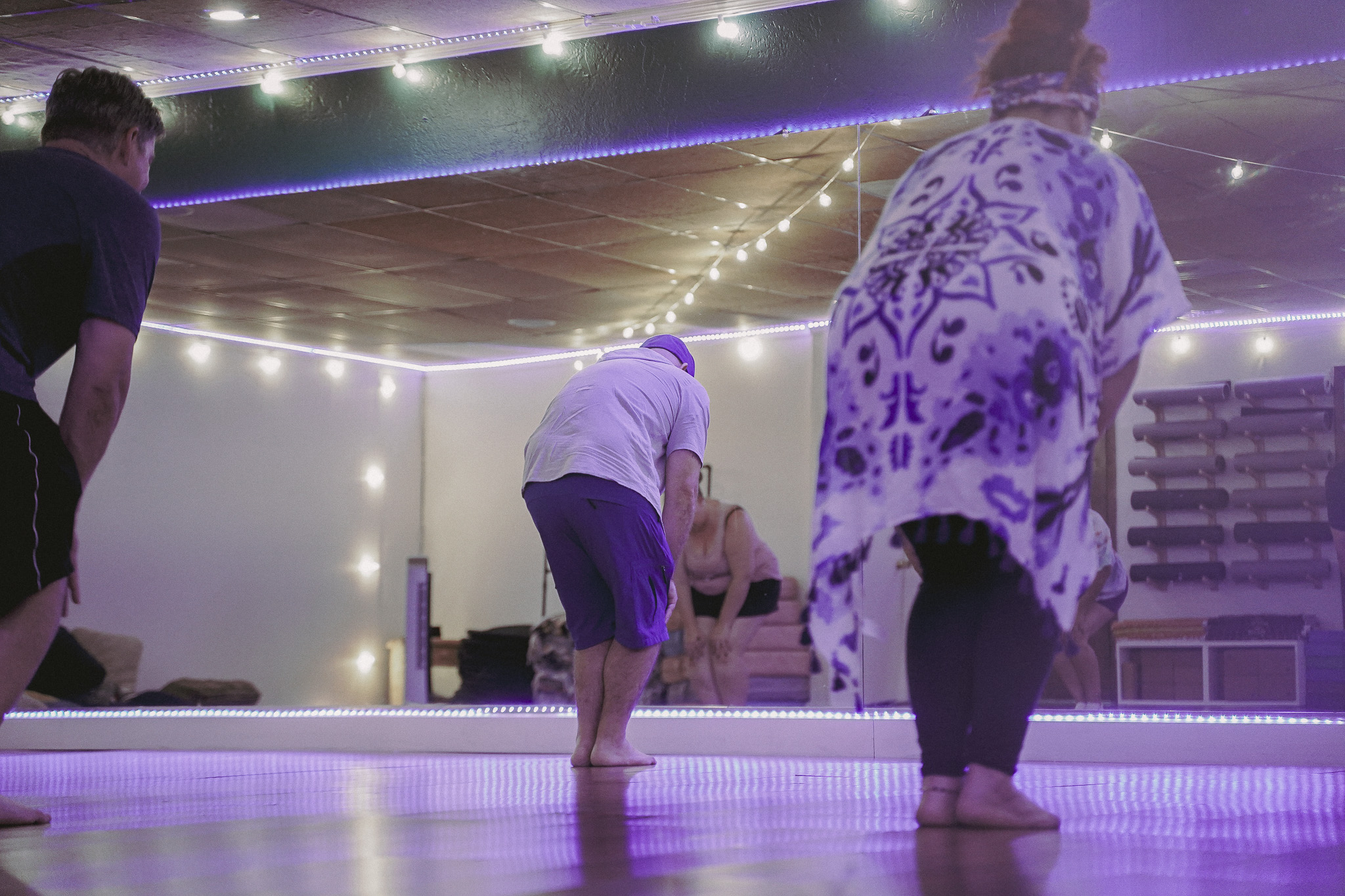
Final thoughts: meditation can begin with movement
Tai Chi meditation can be especially supportive for people who struggle to sit still because it offers a different way to practice presence. Instead of requiring complete stillness, it gives the body permission to move gently while the mind learns how to return to the present moment.
Through slow movement, breath awareness, grounding, posture, balance, and mindful transitions, Tai Chi creates a structured meditation practice that can feel more accessible for busy minds and restless bodies. The goal is not to become perfectly calm or stop thinking. The goal is to practice returning with awareness.
For people who have felt discouraged by traditional meditation, Tai Chi offers a practical place to begin. It reminds us that meditation is not only something that happens in stillness. It can also happen through the next breath, the next step, the next shift of weight, and the next moment of noticing.
Tai Chi meditation helps people who struggle to sit still by turning movement into a steady, body-based pathway back to awareness.
Looking for Tai Chi meditation in Tempe, Arizona?
At The Healing Tree Collective, our beginner-friendly wellness classes are designed to support stress relief, mindfulness, body awareness, and deeper connection. If you are curious about Tai Chi meditation, moving meditation, gentle movement, or mindfulness practices that do not require sitting still, you are welcome to begin here.
No prior experience is needed. Come as you are. We will meet you there.