20 August 2026
The Healing Tree Collective • Practice, Self-Discovery and Integration
The Goal Is Integration: How to Take What You Learn in a Wellness Class Into Real Life
The goal is not only to come to a wellness class, feel calm for an hour, and then return to life exactly the same way you entered.
Feeling relaxed can absolutely be part of the experience. A sound bath may give your mind a chance to slow down. Breathwork may help you become more present with your body. Reiki, meditation, movement, Tai Chi, or another intentional practice may offer an hour where you feel more grounded, rested, or connected to yourself.
Those experiences matter. But at The Healing Tree Collective, we believe there can be something deeper happening too.
Every time you practice, you have an opportunity to learn. You may learn something new about the modality itself, but perhaps more importantly, you may discover something new about yourself.
Then comes the part that can make the practice meaningful far beyond the class: What do you do with what you learned?
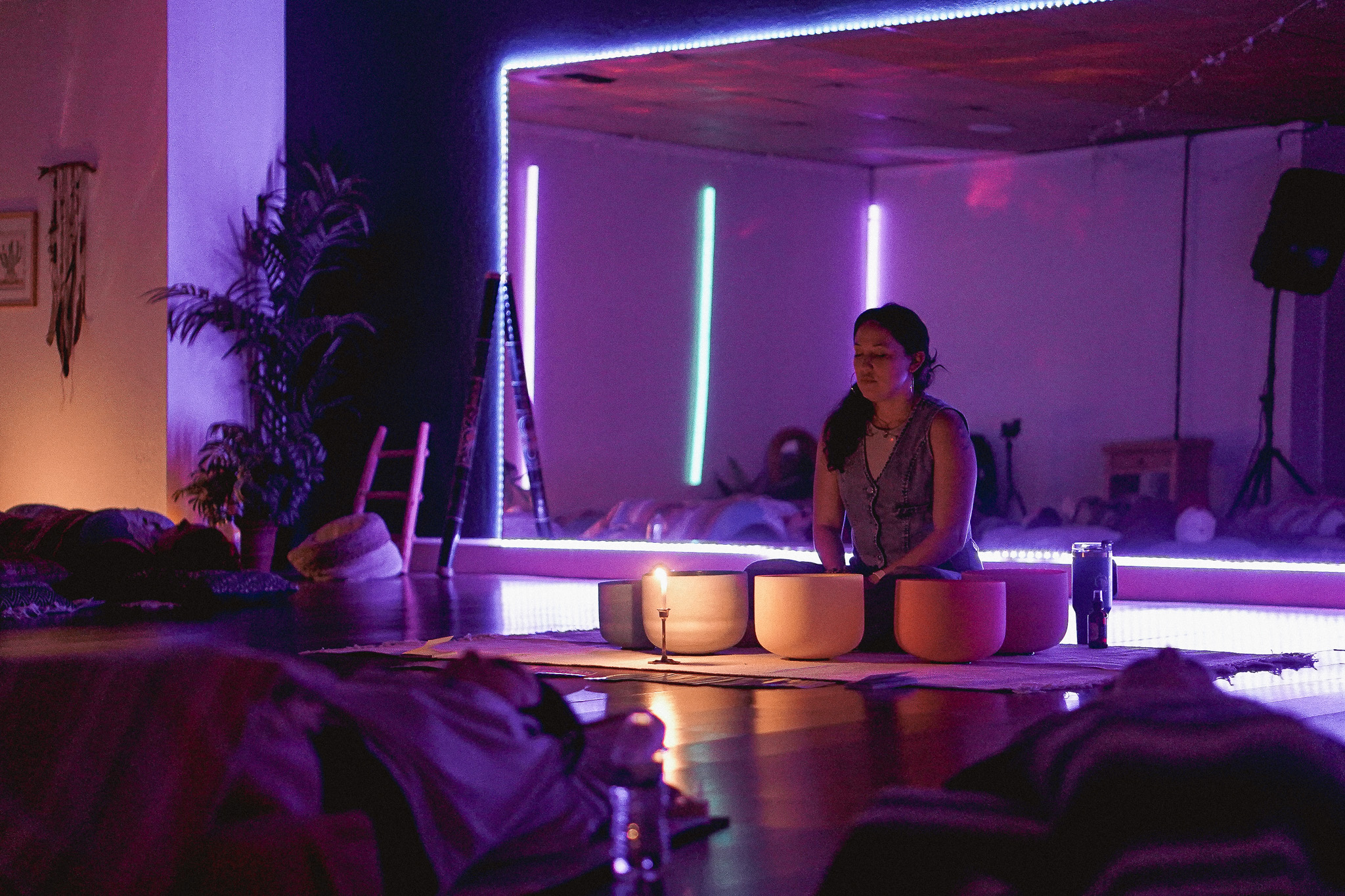
The deeper practice may be:
- Noticing something about yourself
- Becoming curious about what it means
- Recognizing a pattern or need
- Learning a supportive practice or tool
- Applying that awareness to everyday life
Feeling good during class is only part of the experience
There is nothing wrong with wanting to feel good. Many people first explore wellness practices because they are tired, overwhelmed, overstimulated, stressed, or simply searching for a place where they can slow down.
Sometimes a class offers exactly that. You may walk away feeling lighter, calmer, more rested, or less consumed by everything waiting for your attention.
But if the only goal becomes recreating that feeling, we may miss another valuable part of the practice.
A class can also help us notice how we respond when we are uncomfortable. It can make us aware of thoughts that continue returning, tension we have normalized, emotions we have not made time for, or habits that become easier to recognize once we stop moving for a moment.
The practice is not valuable only when it feels peaceful. Sometimes its value comes from what it helps us notice.
Relaxation can be part of the practice. Self-awareness is what can help the practice travel with you when you leave the room.
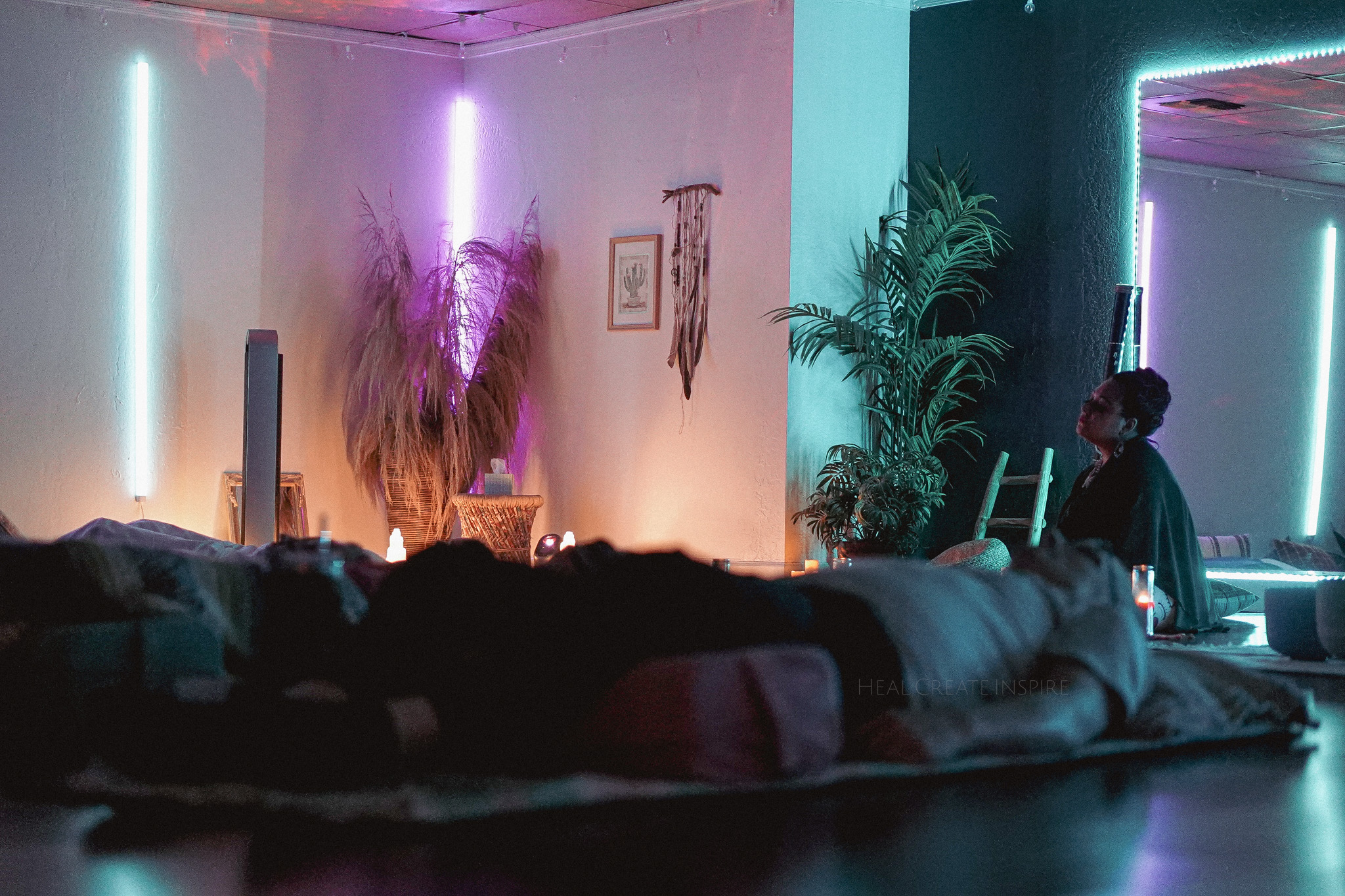
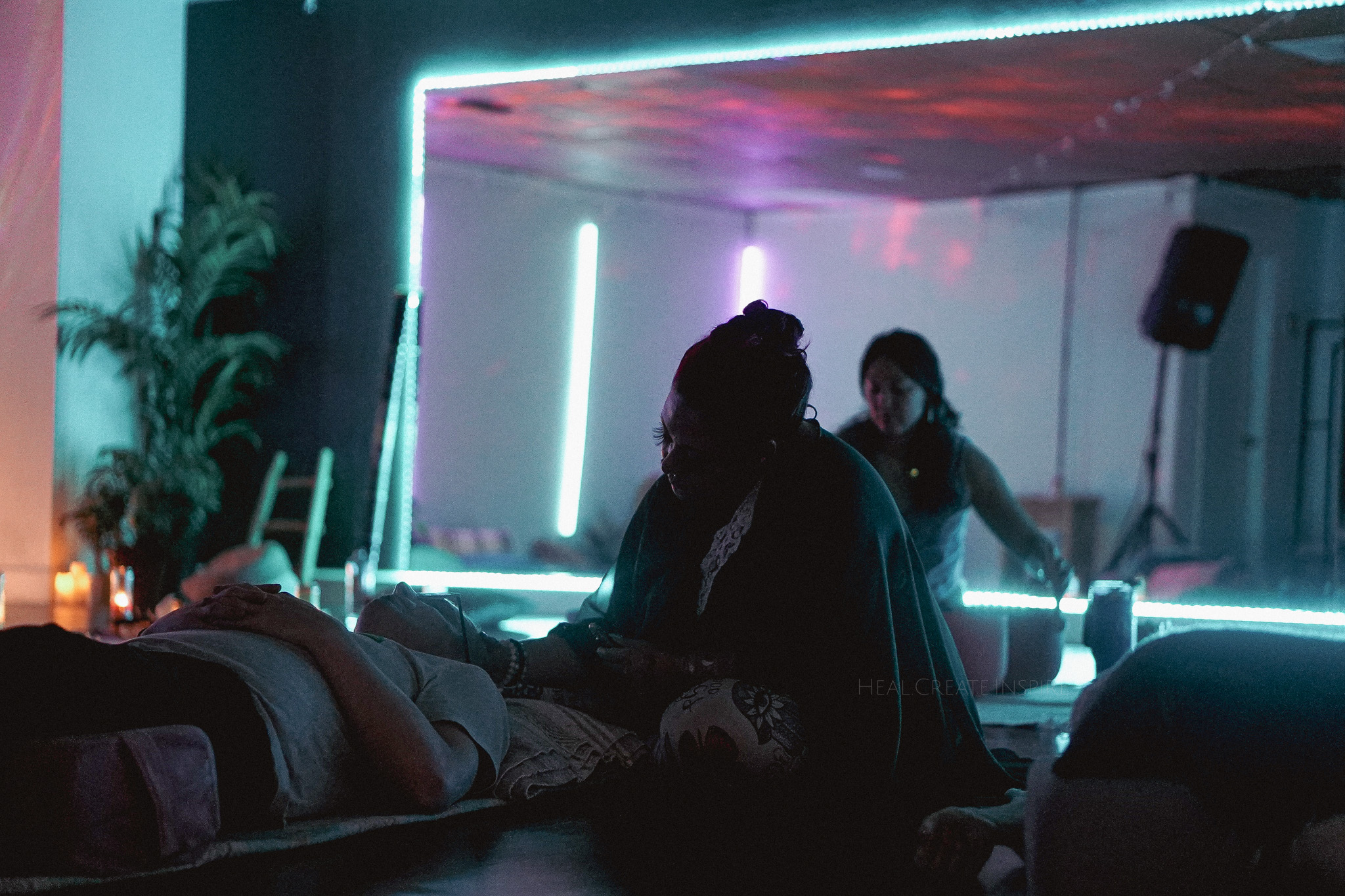
You can take the same class and still learn something new
One of the reasons we believe in returning to a practice is that repetition does not necessarily mean having the same experience.
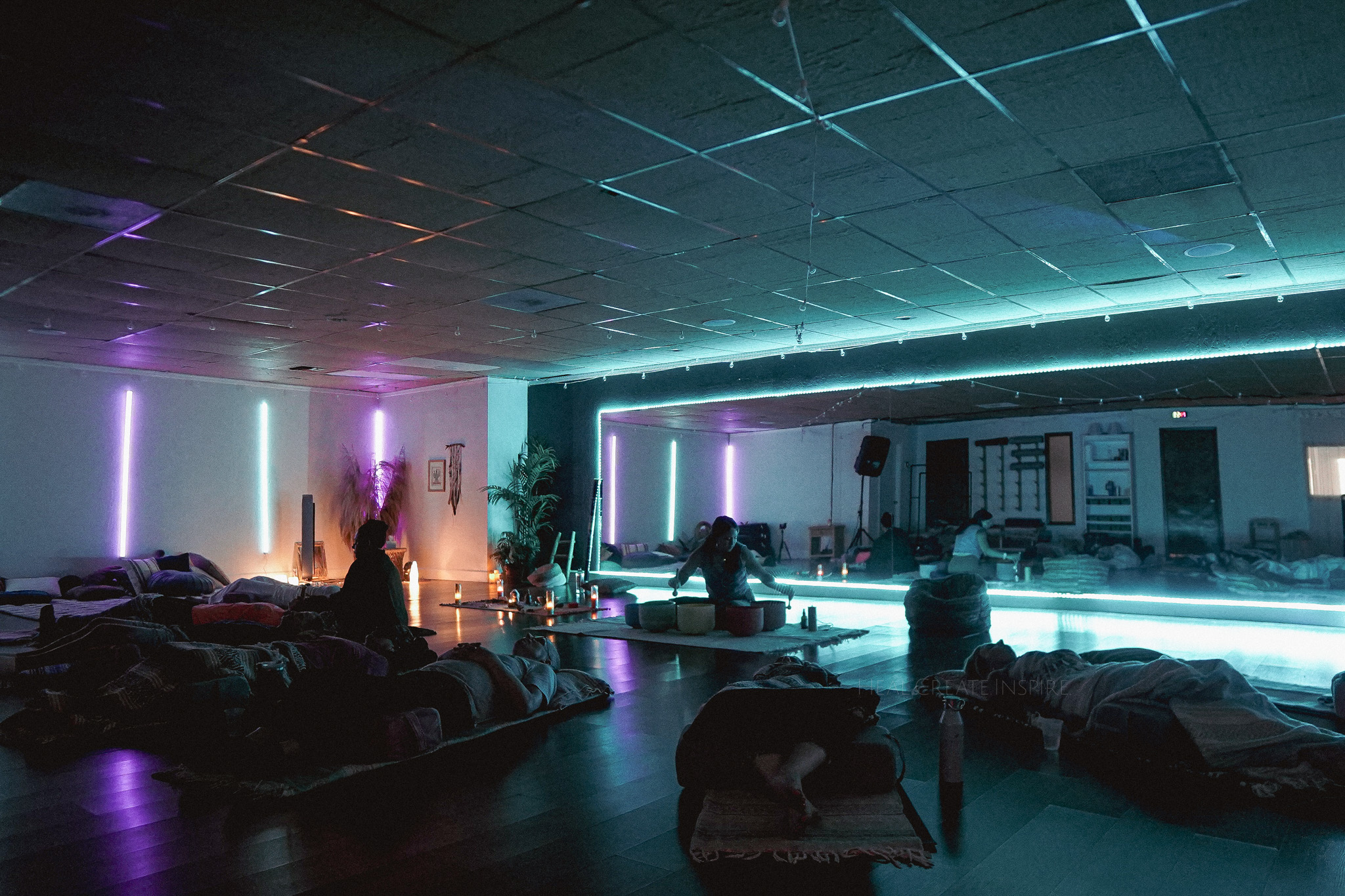
You may attend the same sound bath, meditation class, breathwork practice, or movement experience several times and notice something different each time. The structure may be familiar, but you are not arriving as exactly the same person.
Your responsibilities may have changed. Your stress may be different. A relationship may be occupying more of your attention. You may have slept better, experienced a loss, reached a milestone, begun questioning something important, or simply entered the room with a different amount of emotional and physical capacity.
Because you are changing, the practice can meet you differently.
Returning to a familiar practice may teach you about:
The practice
Repetition may help you understand a breathing technique, meditation, movement, sound practice, or other modality with greater familiarity.
Your patterns
You may begin noticing what happens when you are stressed, tired, emotional, distracted, or having difficulty slowing down.
Your changing needs
A practice that supports you during one season may reveal that you need something different as your life and responsibilities evolve.
The class may be familiar. You are the part that keeps changing.
We are always learning something new about ourselves
We are not static people. Our understanding of ourselves continues developing through relationships, responsibilities, successes, disappointments, grief, creativity, family, work, and the ordinary experiences of everyday life.
Something you believed about yourself five years ago may no longer describe who you are today. A pattern you did not recognize before may become easier to notice once you have enough distance from it. An experience you thought you had completely understood may take on a different meaning as you move into another stage of life.
This is part of why self-discovery is not something we complete once. We continue meeting new versions of ourselves as our lives change.
Sometimes this process involves examining old stories or beliefs that have influenced the way we understand ourselves. It may include becoming more aware of responses shaped by past experiences, family dynamics, social expectations, or difficult periods of life.
We do not have to uncover everything at once. Awareness can develop little by little.
We continue learning who we are because life continues giving us new experiences through which to meet ourselves.
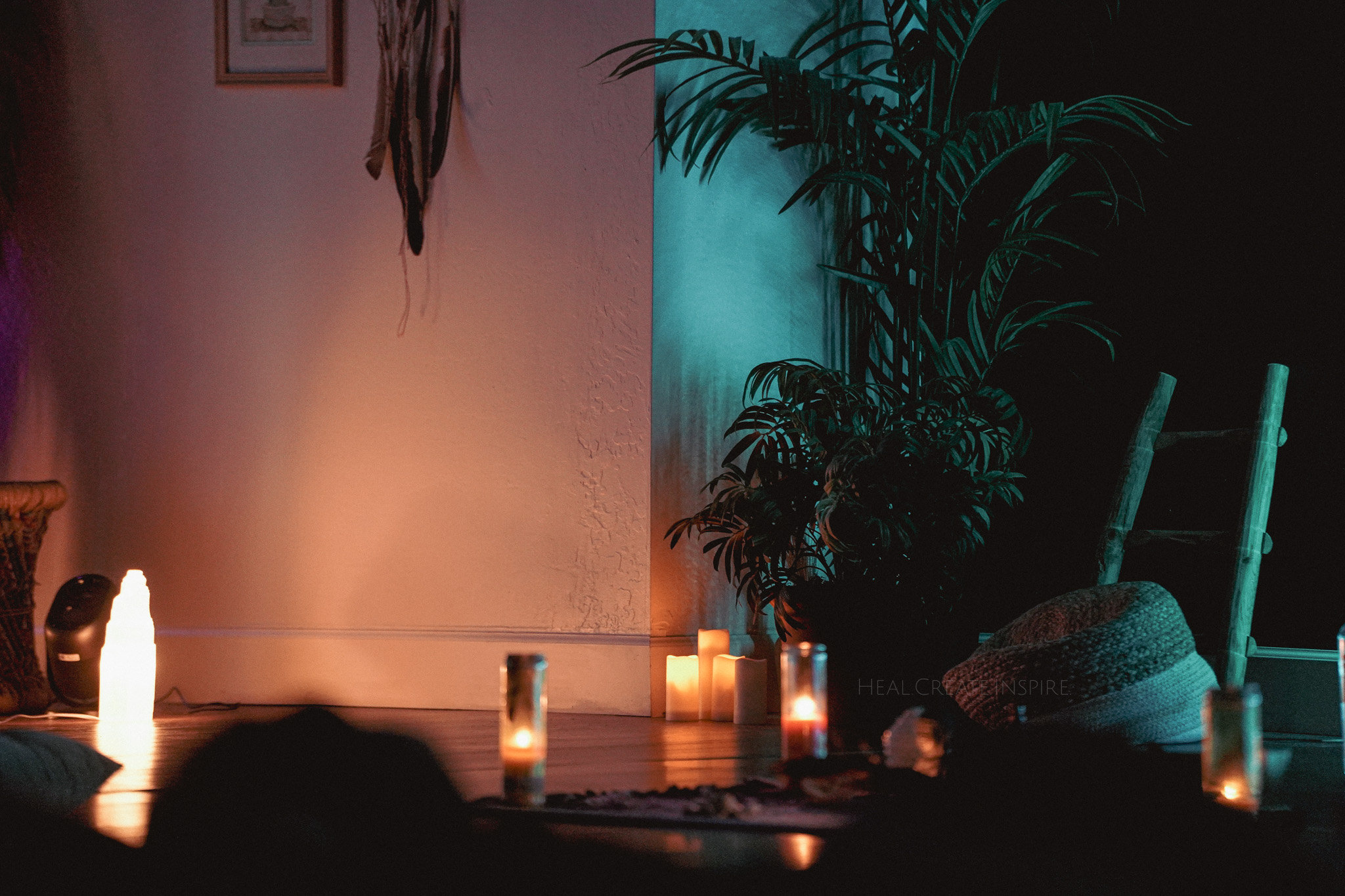
Personal growth often happens layer by layer
There can be pressure within personal-growth spaces to believe that once we recognize something, we should immediately resolve it. We identify a pattern and expect ourselves never to repeat it. We understand where a belief came from and assume that understanding alone should make the belief disappear.
Real change is often slower.
We may recognize one layer and later discover another. A familiar pattern may appear again in a new relationship or environment. An old belief may feel different when we encounter it with more experience and self-awareness.
Returning to the same issue does not necessarily mean nothing has changed. You may be approaching it with different language, stronger boundaries, more compassion, or greater awareness than you had before.
This is one reason consistency can matter. A regular practice gives us repeated opportunities to notice where we are rather than expecting ourselves to complete personal growth according to a fixed timeline.
Growth does not always look like leaving something behind forever. Sometimes it looks like meeting the same part of yourself with greater awareness than you had before.
The real work begins when the class ends
A wellness class can create conditions for reflection, but eventually we leave the room. We return to our jobs, relationships, families, responsibilities, traffic, decisions, conversations, and everyday stressors.
This is where integration begins.
Perhaps you noticed during meditation that you have been mentally preparing for tomorrow even when you are supposed to be resting. Integration may mean experimenting with a short period in the evening when you intentionally step away from planning.
Maybe breathwork helped you recognize how shallow your breathing becomes when you are overwhelmed. Integration may mean remembering to check in with your breath before responding during a stressful conversation.
Perhaps a movement class helped you realize how little you have been moving your body throughout the workday. Integration might mean taking a short walk, stretching between meetings, or creating a more realistic movement routine.
The lesson does not need to become a dramatic lifestyle transformation. Often the most sustainable form of integration is small enough to actually practice.
A simple integration process
1
Notice
What became clearer during the experience? What did you notice about your thoughts, body, emotions, habits, or needs?
2
Reflect
What might that awareness be showing you about the way you have been living, responding, or caring for yourself?
3
Practice
What is one small way you can carry that awareness into your ordinary life rather than leaving it inside the class?
Integration can be very practical
Sometimes the word integration sounds abstract or overly complicated. In practice, it can be incredibly ordinary.
Integration might mean noticing your jaw tightening during a stressful email and relaxing it before responding. It may mean realizing that you need ten quiet minutes after work before immediately entering another responsibility.
It could mean having a conversation you have been avoiding, asking for help sooner, drinking water before you become exhausted, saying no to something that repeatedly drains you, or giving yourself permission to rest without first completing every item on your list.
What matters is that the awareness begins influencing something beyond the experience itself.
Integration might look like:
- Using a breathing technique before a difficult conversation
- Recognizing tension earlier instead of waiting until you feel completely overwhelmed
- Creating more intentional pauses throughout your workday
- Making time for movement after noticing how sedentary you have become
- Changing the way you speak to yourself when your mind is busy
- Setting a boundary around something that repeatedly drains your capacity
- Returning to a practice because you recognize how consistency supports you
The practice becomes part of your life when something you noticed in the room begins changing the way you respond outside of it.
You do not have to change everything at once
Self-awareness can sometimes become overwhelming because once we begin paying attention, we may notice many things we would like to change.
We recognize that we need more rest, stronger boundaries, better communication, more movement, less screen time, greater emotional awareness, or more intentional time with the people we love. Suddenly personal growth becomes another enormous list of responsibilities.
That defeats part of the purpose.
Integration does not require rebuilding your entire life after one meaningful class. One small practice can be enough. You can choose the awareness that feels most useful right now and experiment with it.
The next class may reveal something else. Or it may deepen the same lesson.
Little by little, these moments can become part of a larger relationship with yourself.
You do not have to transform everything you discover. Begin with one thing you can actually practice.
Why consistency matters more than chasing one powerful experience
A single class can be meaningful, but consistency gives us something different: perspective over time.
When we return, we can begin recognizing patterns. We may notice that our mind becomes especially busy during certain periods at work. We may recognize that our body responds differently when we have been sleeping poorly. We may notice that it becomes harder to slow down when we have gone several weeks without making intentional time for ourselves.
We can also see our growth more clearly. Something that once felt unfamiliar may become easier to practice. A breathing technique we needed to think carefully about during class may eventually become something we remember naturally when stress appears.
Consistency does not mean every class will feel better than the last. It means we continue giving ourselves opportunities to learn.
Returning regularly can help you notice:
- What tends to increase your stress or overwhelm
- Which practices feel supportive during different seasons
- How your relationship with rest is changing
- Which thoughts or patterns continue returning
- What your body communicates before stress becomes intense
- How your needs change over time
- Where small practices are beginning to influence everyday life
Questions to ask yourself after a wellness class
You do not need to deeply analyze every class. Sometimes you may simply want to rest and go home. But when something does stand out, a few reflective questions can help bridge the experience with everyday life.
The answers do not have to be profound. Sometimes the lesson may simply be, “I need more rest,” or, “I have been carrying more tension than I realized.”
That kind of awareness can become meaningful when it changes how you care for yourself tomorrow.
Wellness tools are meant to travel with you
One of our intentions at The Healing Tree Collective is for people to gradually develop practices and awareness they can carry beyond the studio.
You may learn a way of breathing that you later use before a presentation. A meditation practice may help you recognize when you are lost in repetitive thinking. Tai Chi or intentional movement may give you another way to reconnect with your body after a long workday.
A community reflection may change the way you listen to someone else. A sound bath may remind you how much your body needed an hour without constant stimulation. A Reiki experience may create an opportunity to notice what happens when you intentionally receive rather than continually doing.
The class creates the opportunity to practice. Real life gives you the opportunity to integrate.
We do not want wellness to exist only inside the studio. The deeper invitation is to discover what you can carry with you when you walk back into your life.
Beginner-friendly wellness classes in Tempe, Arizona
The Healing Tree Collective is a beginner-friendly community wellness studio in Tempe, Arizona, offering accessible opportunities for reflection, nervous system care, self-discovery, creativity, rest, and meaningful human connection.
Our classes are designed to create opportunities to experience different practices while also becoming more familiar with yourself. You do not need previous experience, and you do not need to arrive already knowing which modality is right for you.
Explore different wellness practices with us
Our Tempe wellness community welcomes guests from Tempe, Phoenix, Mesa, Chandler, Scottsdale, the ASU community, and throughout the East Valley.
You can try something new, return to something familiar, and continue discovering what each practice may teach you during different seasons of your life.
The class is not the destination
It can feel wonderful to leave a class calm and relaxed. Sometimes one hour of rest is exactly what we need, and that experience does not need to become anything more in order to matter.
But over time, there is another possibility.
We can begin learning what helps us return to ourselves. We can recognize our patterns earlier. We can become more familiar with what stress feels like in our bodies, which thoughts repeatedly influence us, and what practices help us respond with greater intention.
We continue peeling back layers of old stories, assumptions, habits, and ways of understanding ourselves. Not all at once. Little by little.
Then we take what we learn and practice it in the places where life actually happens: in our homes, relationships, workplaces, conversations, decisions, and everyday moments.
That is where the practice begins to become part of who we are.
Learn it here. Practice it out there.
At The Healing Tree Collective, our goal is not simply to create an hour where you can escape from your life. We want to create opportunities for you to slow down, reconnect with yourself, explore different practices, and discover something that may continue supporting you after you leave.
You may come for rest. You may stay because you continue learning. And each time you return, you have another opportunity to meet who you are now and decide what you want to carry forward.