10 July 2026
The Power of Repetition in Tai Chi: Why the Practice Deepens Over Time
Tai Chi is not usually understood in one class. At first, the movements may feel unfamiliar, the sequence may be difficult to remember, and the slower pace may feel different from the way most people move through daily life.
This is not a problem. It is part of the practice. Tai Chi is built on repetition, and repetition is what allows the practice to deepen. The same movements that feel awkward in the beginning can gradually become more familiar, more grounded, and more meaningful as the body learns how to move with awareness.
The power of repetition in Tai Chi is that it gives the body and mind repeated opportunities to slow down, notice, adjust, return, and develop a steadier relationship with movement, breath, attention, and stress.
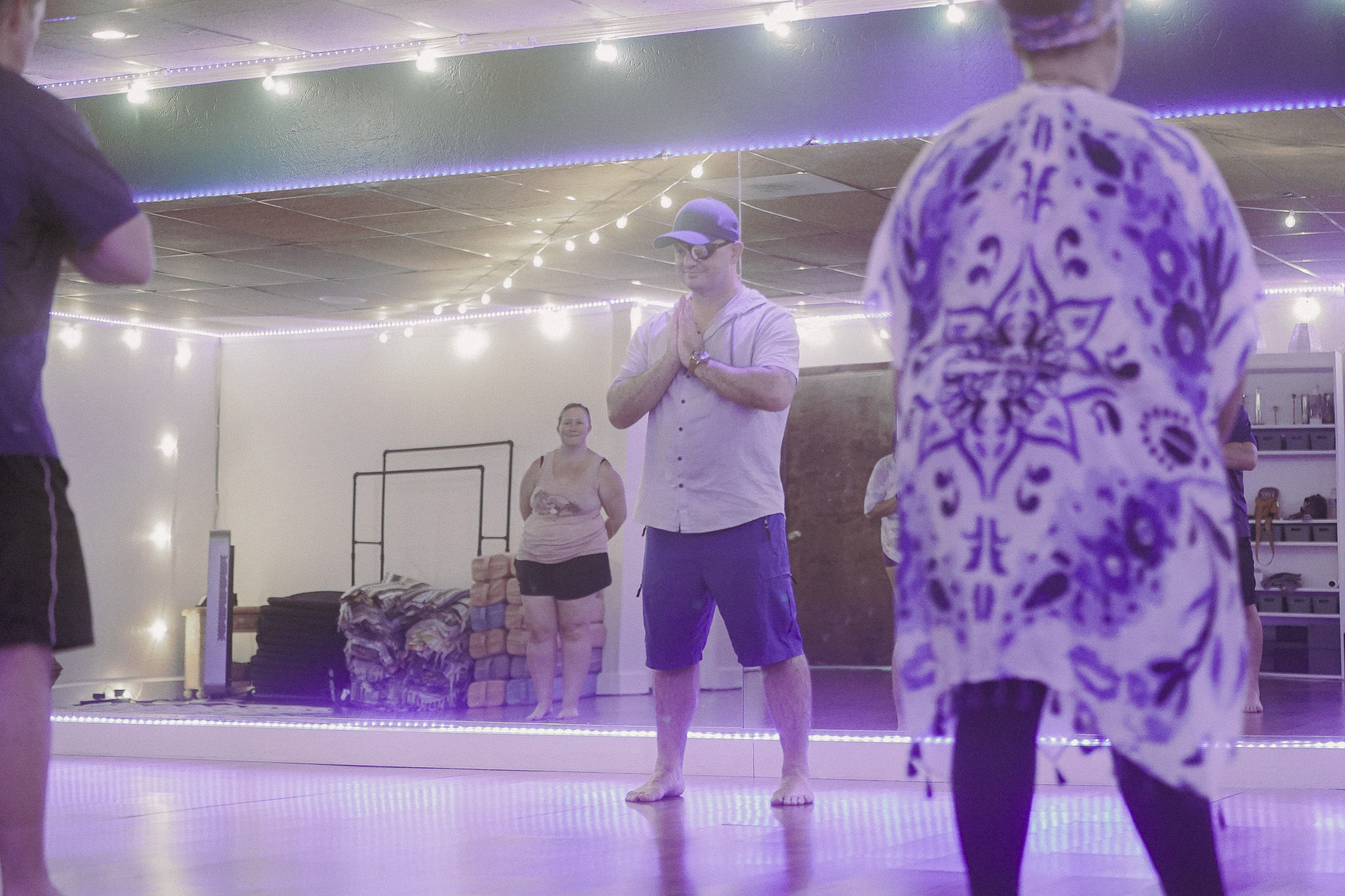
Repetition helps Tai Chi move from unfamiliar movement into deeper body awareness, steadier attention, and practical integration.
Tai Chi deepens over time through repetition of:
Small, repeated practices that gradually shape awareness and steadiness.
- Slow movement
- Breath awareness
- Weight shifting
- Posture and alignment
- Balance and grounding
- Mindful transitions
- Returning attention when the mind wanders
Repetition is not about doing the same thing mindlessly
When people hear the word repetition, they may think of doing the same thing over and over without much awareness. In Tai Chi, repetition has a different purpose. The movements may repeat, but the awareness inside the movement can continue to change. Each time you practice the same posture, transition, or sequence, there is an opportunity to notice something new.
One day you may notice the feet. Another day you may notice the breath. Another day you may become aware of the shoulders, the jaw, the pace of your movement, or the way your body wants to rush through a transition. The external movement may look similar, but your internal awareness can become more refined over time.
This is one reason Tai Chi is often more layered than it appears. From the outside, the practice may look simple or repetitive. From the inside, repetition becomes a way of developing deeper attention. The movement becomes familiar enough that the body can begin noticing subtler details.
In Tai Chi, repetition is not about going through the motions. It is about returning to the same movement with greater awareness each time.
At first, repetition helps the body learn the movements
For beginners, repetition is often practical. The body is learning where to place the feet, how to shift weight, when to move the hands, how to follow the sequence, and how to coordinate movement with breath. This stage can feel awkward because the movements are not yet familiar.
This awkwardness is normal. When someone is learning Tai Chi, the mind may focus heavily on remembering what comes next. The body may feel unsure. Balance may feel uneven. The practitioner may look around for guidance or feel like they are behind. None of this means they are doing it wrong. It simply means the body is learning a new language.
Through repetition, the movements begin to feel less foreign. The body starts recognizing patterns. The feet understand where to go. The hands begin moving with more ease. The breath becomes easier to notice. Once the body is not working as hard to remember every detail, deeper awareness becomes more available.
The first layer of repetition helps the body become familiar with the movements so attention can gradually move beyond memorization.
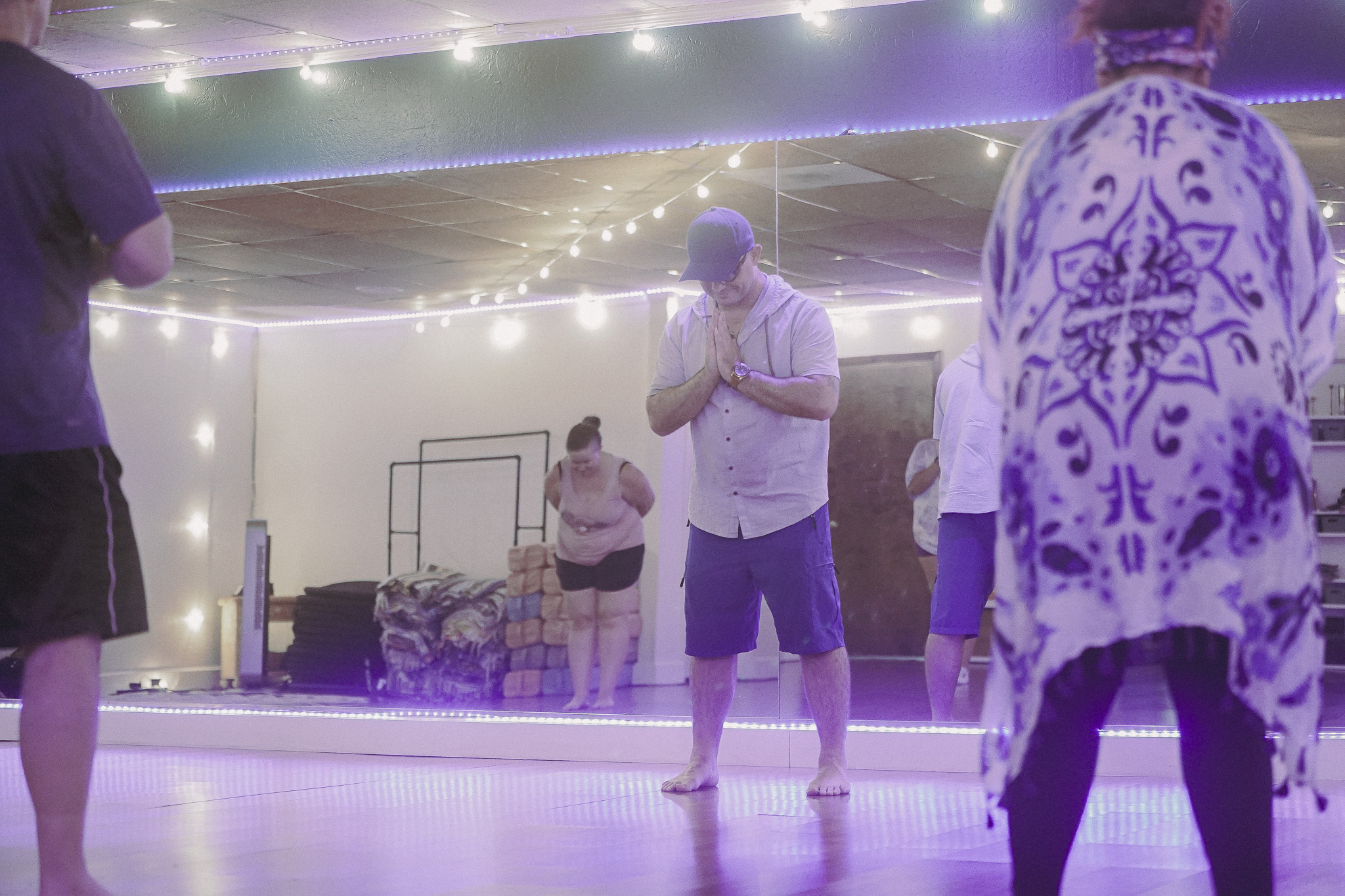
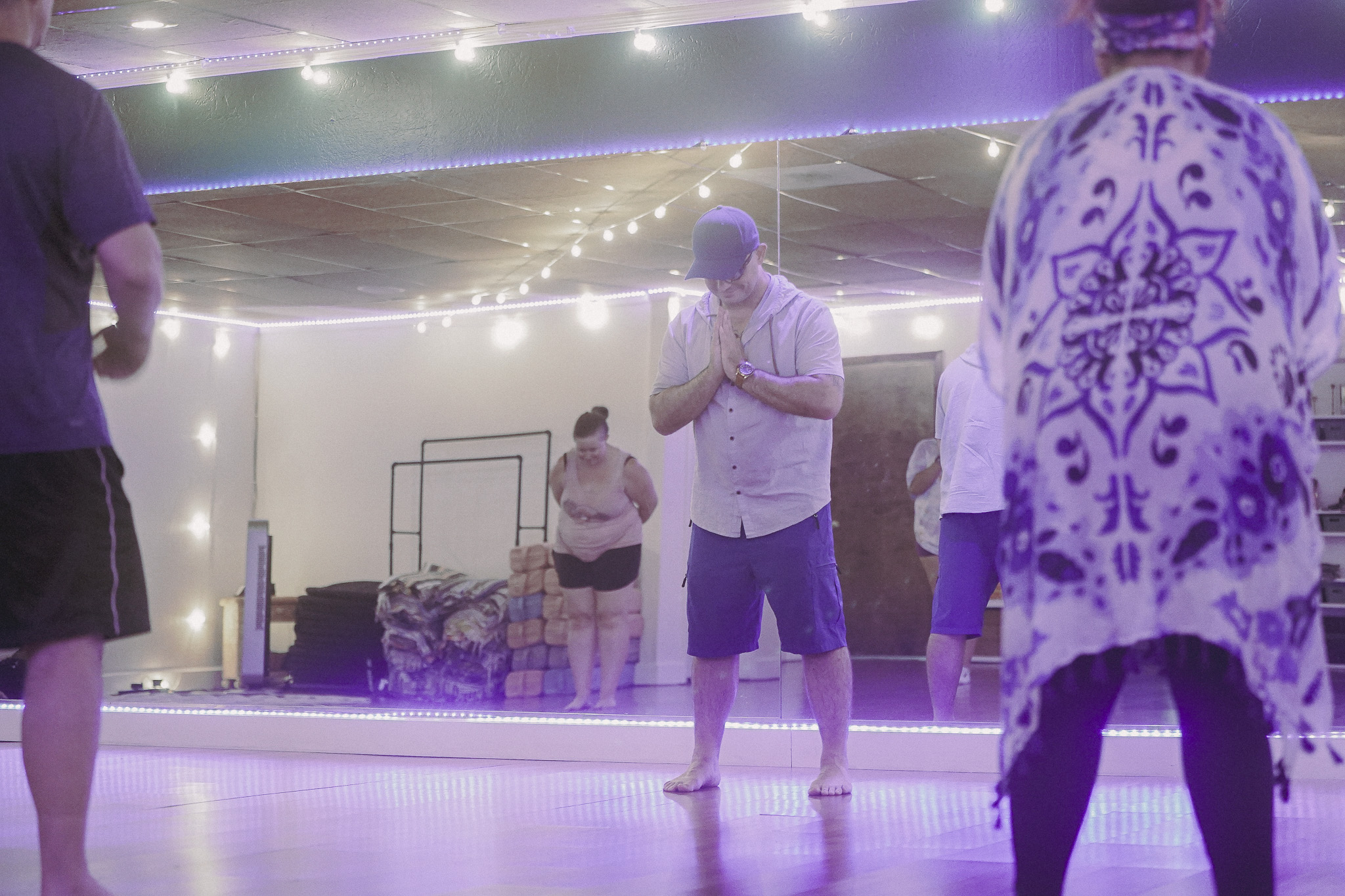
Over time, repetition creates more space for awareness
Once the movements become more familiar, the practice can begin to shift. Instead of using all of your attention to remember the sequence, you may begin noticing how the movement feels. You may sense whether the body is bracing, whether the breath is being held, whether the shoulders are tense, or whether you are moving from urgency rather than presence.
This is where Tai Chi begins to deepen. Repetition creates enough familiarity for attention to become more nuanced. The practitioner can start noticing the quality of movement, not just the shape of movement. They may become aware of effort, ease, tension, rhythm, balance, and the difference between forcing a movement and allowing it to unfold with more patience.
This deeper awareness is one of the reasons Tai Chi cannot be fully understood by watching it once or trying it once. The practice reveals itself through continued participation. The same movement can teach different lessons depending on the person’s state, attention, and consistency.
Repetition creates familiarity, and familiarity creates more space for subtle awareness.
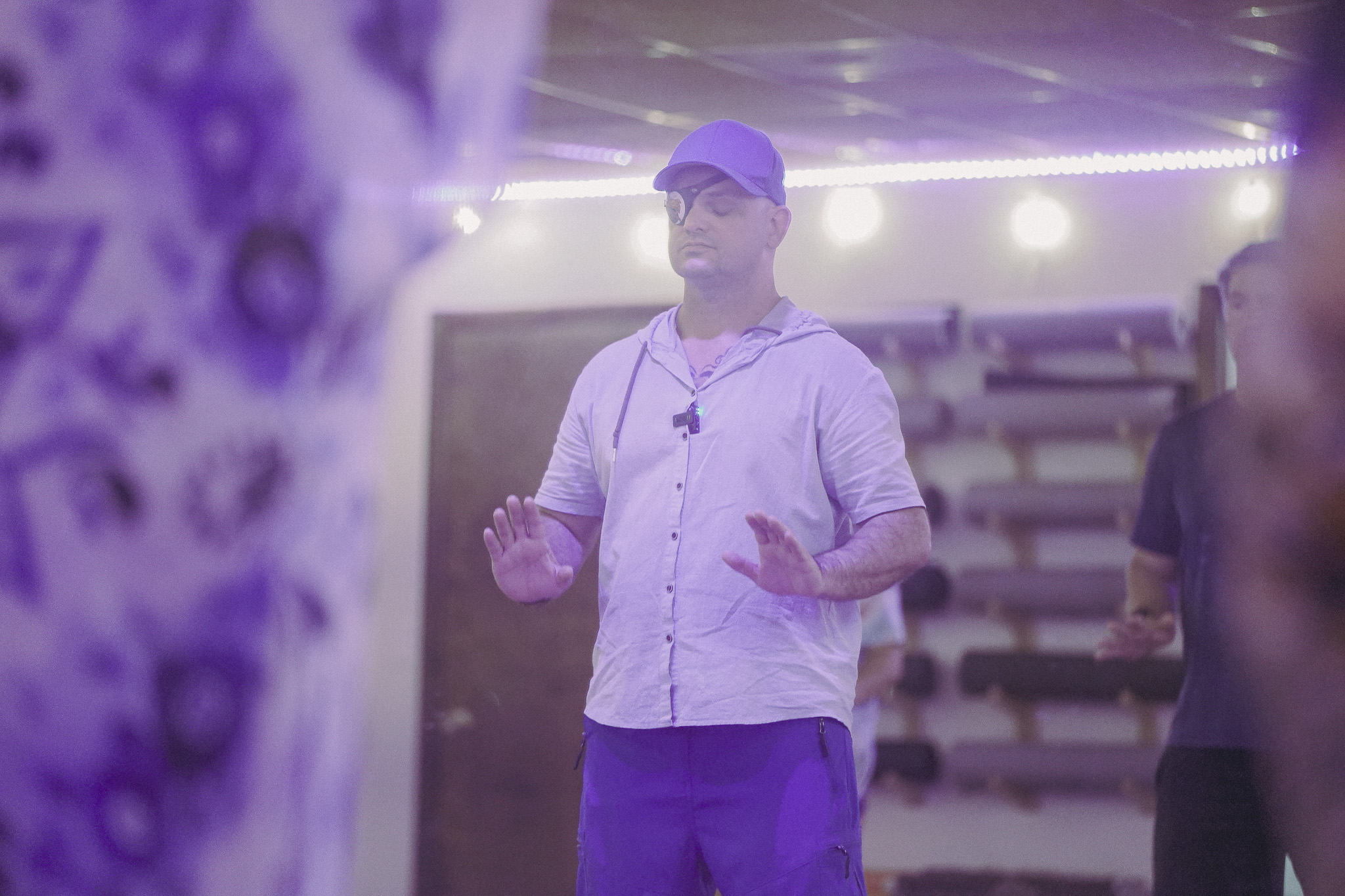
As the body becomes familiar with the sequence, attention can begin noticing breath, tension, posture, and internal rhythm more clearly.
Repetition helps train attention
Tai Chi is not only training movement. It is also training attention. Each time the practitioner returns to the feet, the breath, the posture, or the next transition, they are strengthening the ability to notice where attention is and guide it back to the present moment.
This is important because attention is often scattered in daily life. People move between messages, tasks, conversations, responsibilities, and thoughts without realizing how quickly attention shifts. Tai Chi slows this process down. The practice gives attention one movement, one breath, and one transition at a time.
Through repetition, returning becomes more familiar. The mind may still wander, but the practitioner learns that wandering is not failure. It is part of the practice. Each return to the movement becomes a small repetition of mindfulness. Over time, this can help attention feel less scattered and more grounded.
Every time the mind wanders and returns to the movement, the practice is deepening.
Notice
You recognize when attention has drifted into thought, distraction, comparison, or self-judgment.
Return
You bring attention back to the feet, breath, posture, hands, or present movement.
Repeat
The same process happens many times, helping attention become more familiar with returning.
Integrate
With time, the skill of returning may begin to support stress, communication, and daily transitions.
Repetition supports nervous system steadiness
Many people live in patterns of rushing, bracing, overthinking, and pushing through. These patterns are also repetitive. The body learns what it practices often. If the body repeatedly practices urgency, shallow breathing, tension, and constant mental activity, those states can begin to feel normal.
Tai Chi offers a different repeated pattern. The body practices slowing down. The breath is noticed. The feet connect with the ground. The shoulders are observed. The movement becomes more intentional. The transition is given time. These repeated signals can support a steadier internal rhythm.
This does not mean Tai Chi instantly removes stress or replaces professional support when that support is needed. It does mean that regular practice can provide the body with repeated experiences of grounding, awareness, and slower movement. Over time, those repeated experiences may help the body become more familiar with steadiness.
The body becomes familiar with what it practices repeatedly. Tai Chi gives the body repeated practice in slowing down, grounding, and returning.
The same movement can feel different on different days
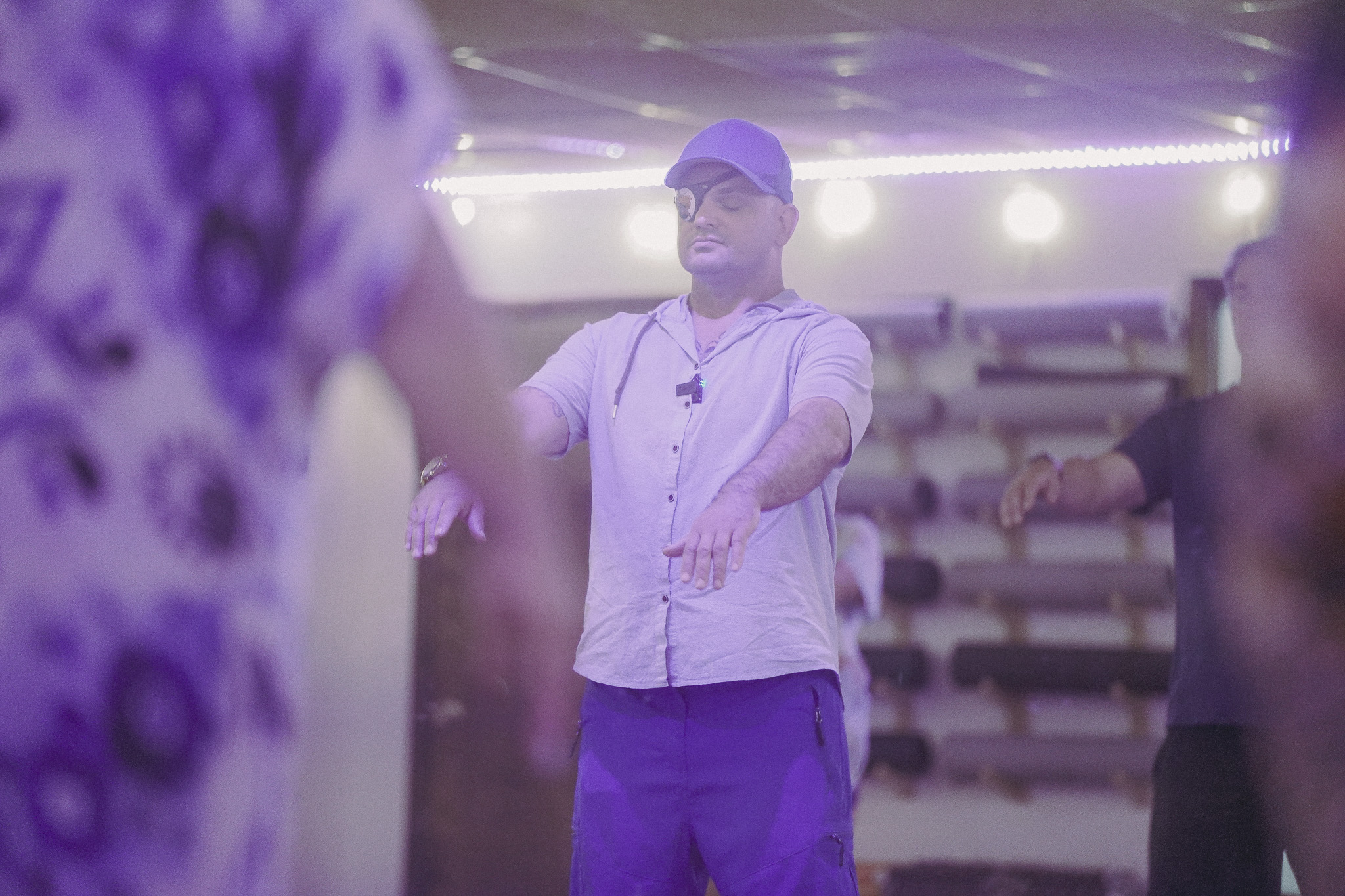
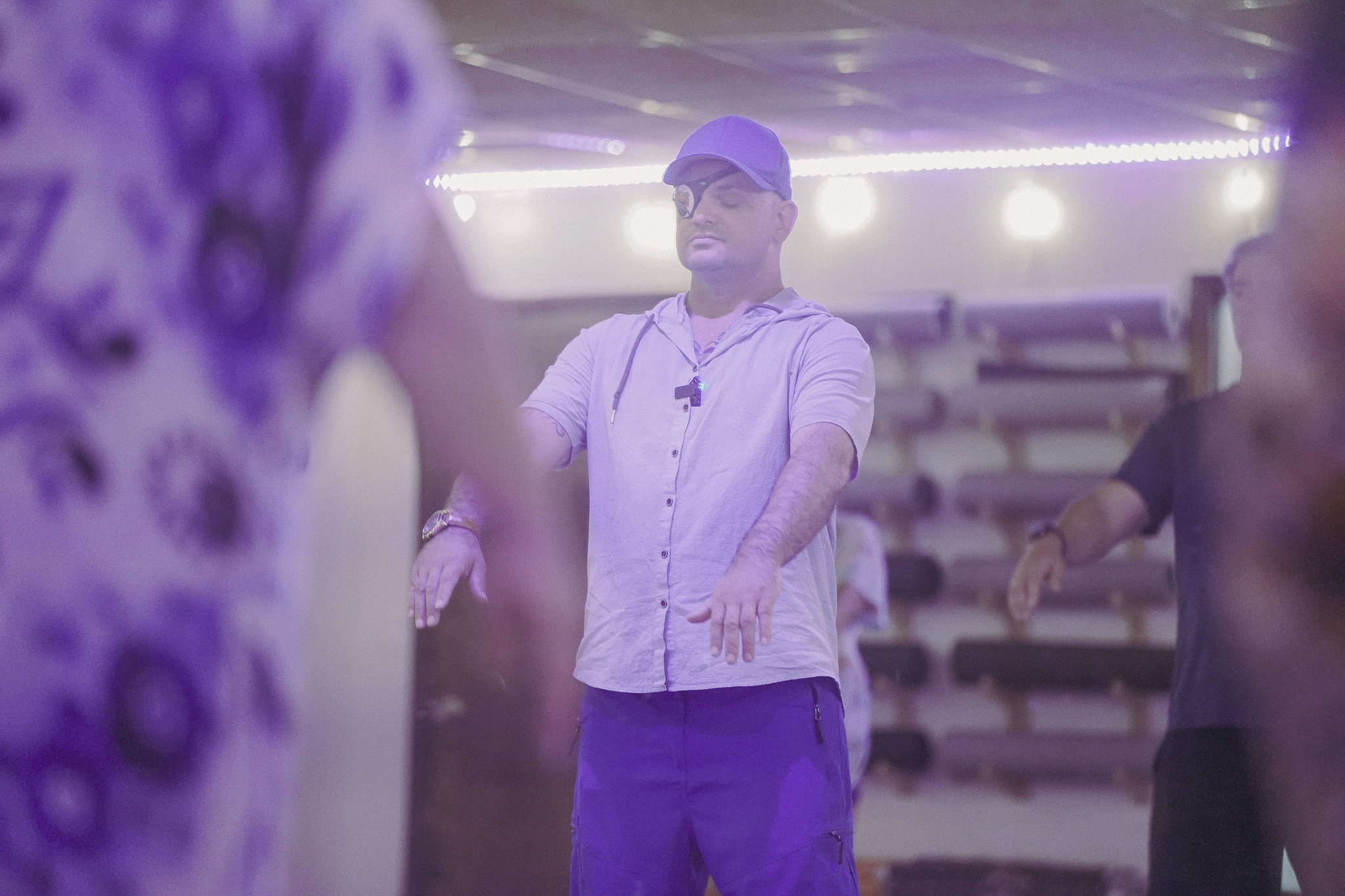
One of the meaningful parts of repeating Tai Chi is discovering that the same movement does not always feel the same. A movement that felt easy one week may feel difficult another week. A transition that felt steady before may feel unbalanced on a stressful day. A posture that once felt awkward may eventually feel grounding.
This variability is useful because it helps people develop honest body awareness. The practice becomes a mirror for the current state of the body and mind. If someone is tired, rushed, emotionally full, or mentally distracted, the movement may reveal that. If someone is more settled, patient, or connected, the movement may reveal that too.
Repetition makes these changes easier to notice because the movement provides a consistent reference point. The form may be the same, but the person practicing it is not always the same. This is part of how Tai Chi deepens: it helps people observe themselves over time with more nuance and less judgment.
The repeated movement becomes a mirror. It shows you not only the form, but also how you are meeting the form that day.
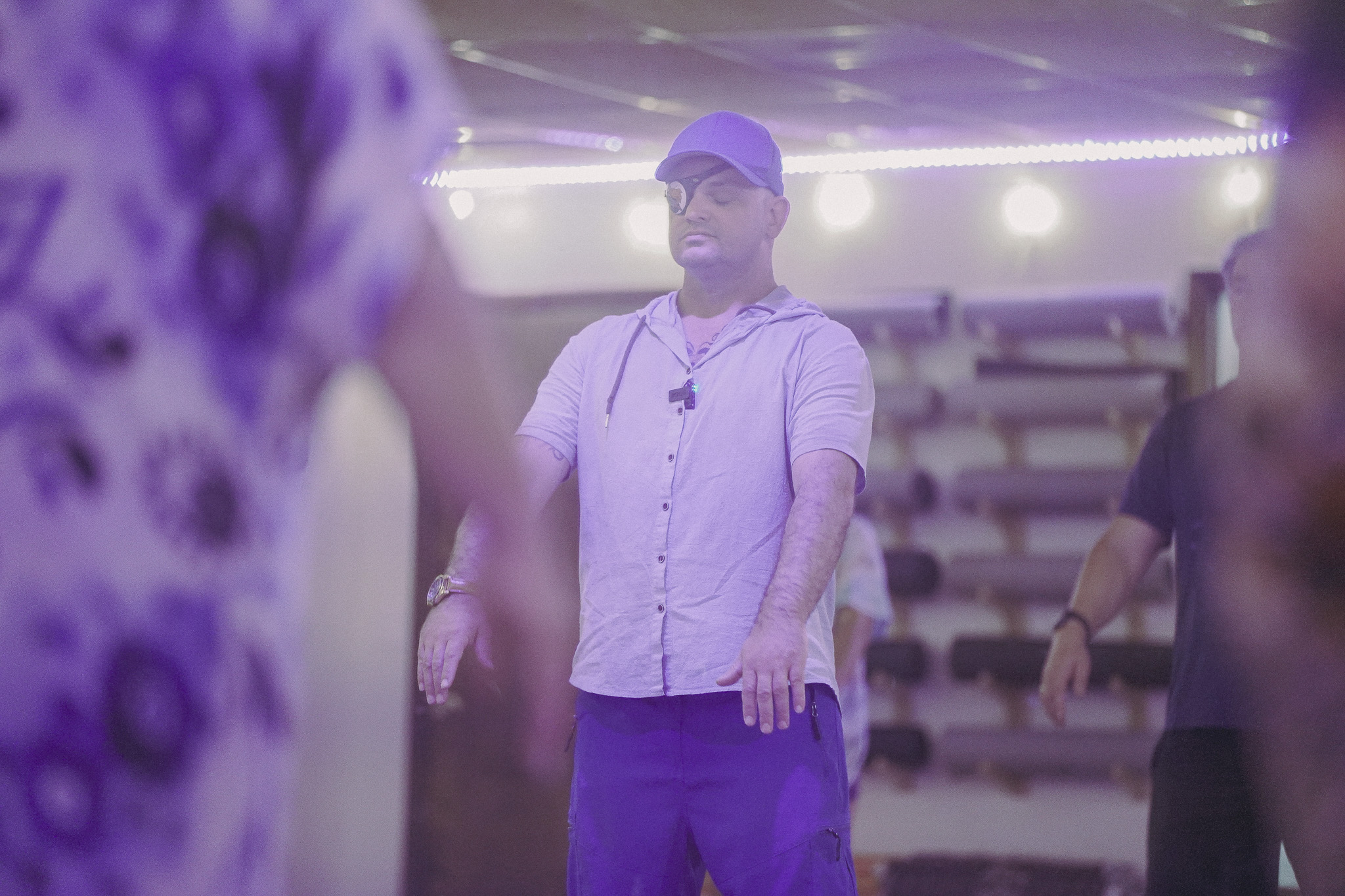
Repetition helps people notice how stress, fatigue, focus, and emotional state influence movement and attention.
Repetition reveals patterns you might otherwise miss
Because Tai Chi repeats movements slowly, it can help reveal patterns that may go unnoticed in daily life. A person may notice that they hold their breath when they are concentrating, tense their shoulders when they feel uncertain, rush through transitions when they feel uncomfortable, or criticize themselves when learning something new.
These patterns are not limited to class. The same breath-holding may happen during work stress. The same shoulder tension may appear during conversations. The same rushing may show up in decision-making. The same self-judgment may appear when trying something unfamiliar in another area of life.
Tai Chi gives people a place to observe these patterns without needing to fix everything immediately. The repetition makes the patterns easier to see, and awareness creates the possibility of responding differently over time.
Repetition helps reveal what has become automatic, and awareness creates the possibility of choosing something different.
Repetition helps build patience
Tai Chi can challenge the part of a person that wants quick results. Many people are used to measuring progress through speed, intensity, achievement, or immediate improvement. Tai Chi asks for something different. It asks the practitioner to repeat, refine, return, and remain curious even when the benefits are subtle.
This can be difficult at first. A beginner may wonder why the movements are repeated, why the pace is slow, or why the practice does not feel dramatic. However, the patience required by Tai Chi is part of what makes it valuable. The practice teaches that not all growth happens through intensity. Some growth happens through consistency.
Over time, repetition can help a person become more comfortable with gradual development. The body learns slowly. Awareness deepens slowly. Balance improves through small corrections. The breath becomes easier to notice through repeated attention. This gradual process can be deeply supportive for people who are trying to relate to themselves with less pressure.
Tai Chi teaches patience by showing that meaningful change can happen through small, repeated moments of attention.


Repetition helps movement become less performative
In the beginning, many people are focused on whether they are doing Tai Chi correctly. They may compare themselves to the teacher, worry about where their hands should go, or feel self-conscious about balance and coordination. This is understandable because learning something new can bring up self-judgment.
With repetition, the practice can become less performative. The body begins to understand the movement. The mind has fewer questions about what comes next. The practitioner may begin to feel less concerned with how the movement looks and more interested in how the movement feels.
This shift is important. Tai Chi deepens when the practice is no longer only about external shape. The physical form still matters, but the internal experience becomes more available. The practitioner may notice breath, effort, ease, grounding, tension, or emotional state. The movement becomes a place for self-awareness rather than performance.
Repetition helps Tai Chi become less about how the movement looks and more about what the movement teaches you from the inside.
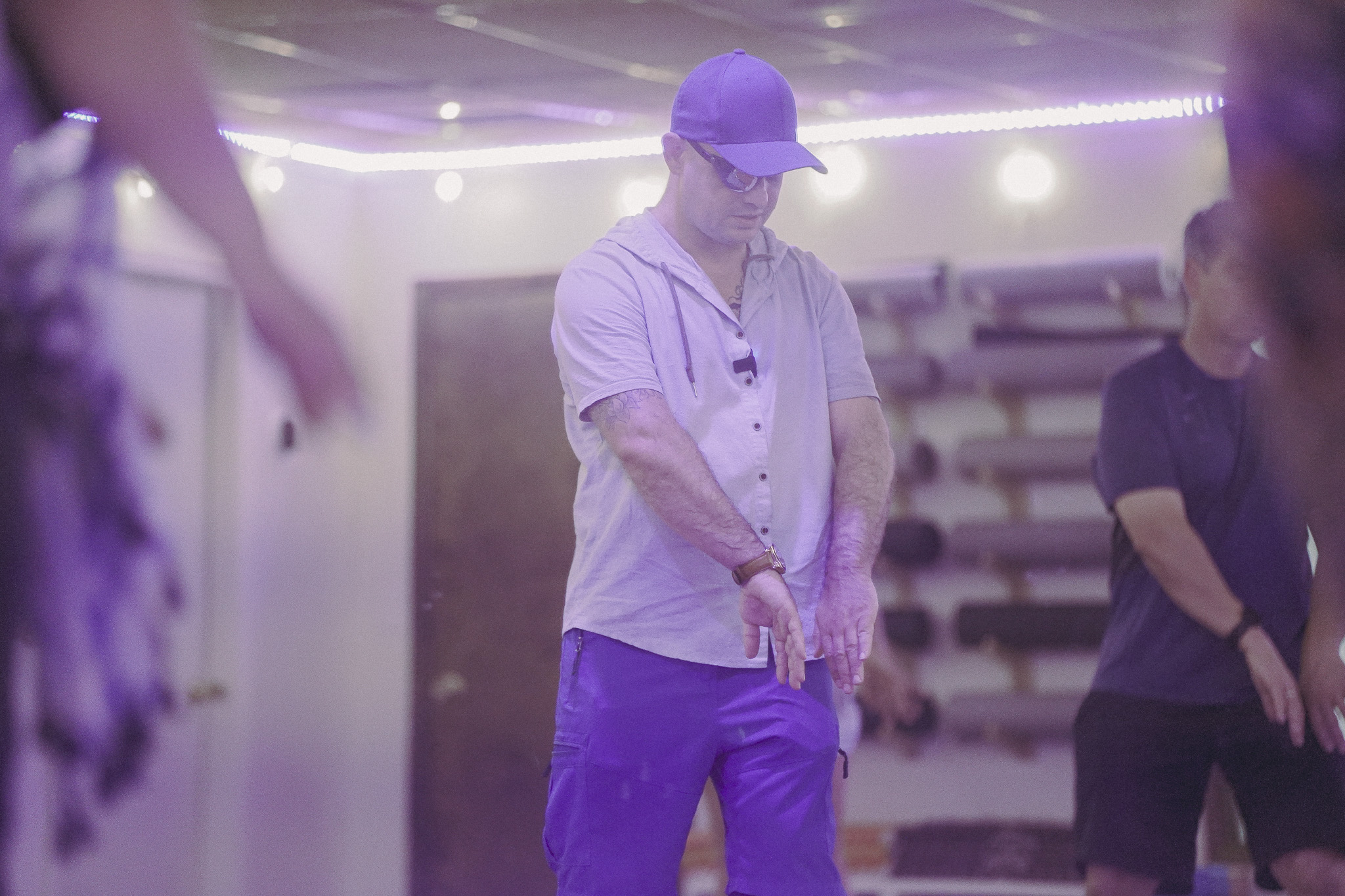
As the practice becomes more familiar, people can begin paying attention to internal experience rather than only external performance.
The practice deepens when it starts showing up outside of class
One of the clearest signs that Tai Chi is deepening is when the awareness practiced in class begins to appear in daily life. A person may notice that they are holding their breath while answering a stressful message. They may recognize that they are rushing through a transition. They may feel their feet before responding in a difficult conversation. They may notice their shoulders tense during work and choose to pause.
These small moments matter because they show that repetition is becoming integration. The practice is no longer limited to the studio. The body is beginning to remember the skills of grounding, breathing, noticing, and returning in ordinary situations.
This is where Tai Chi becomes especially practical. It is not only about learning a sequence. It is about learning how to move through life with more awareness. The repetition of movement becomes a repetition of returning to yourself.
When Tai Chi begins to influence how you breathe, pause, communicate, and respond in daily life, the practice has begun to deepen beyond the movements themselves.
At Work
You may notice stress signals earlier and return to breath, posture, or grounding before continuing.
In Conversation
You may recognize emotional activation before reacting, explaining, withdrawing, or speaking too quickly.
During Transitions
You may create more space when moving from one responsibility, role, or emotional state into another.
Before Rest
You may notice whether the body is actually settling or still carrying the speed of the day.
Consistency matters more than intensity
Many people assume that a practice needs to feel intense in order to be effective. Tai Chi challenges that assumption. The movements are slow and gentle, but the depth comes from consistency. A practice does not have to be dramatic to be meaningful.
Consistency allows the body to recognize the rhythm of returning. It allows attention to become more familiar with the movements. It gives the breath more opportunities to be noticed. It gives the nervous system repeated experiences of slowing down. These repeated experiences may seem small in the moment, but they can become significant over time.
This is especially important for people who are tired, stressed, overwhelmed, or recovering from burnout. A sustainable practice is one that does not require maximum effort every time. Tai Chi can be returned to again and again because it meets the body with gentleness while still offering structure, focus, and depth.
For many people, the depth of Tai Chi comes not from intensity, but from the willingness to return consistently.
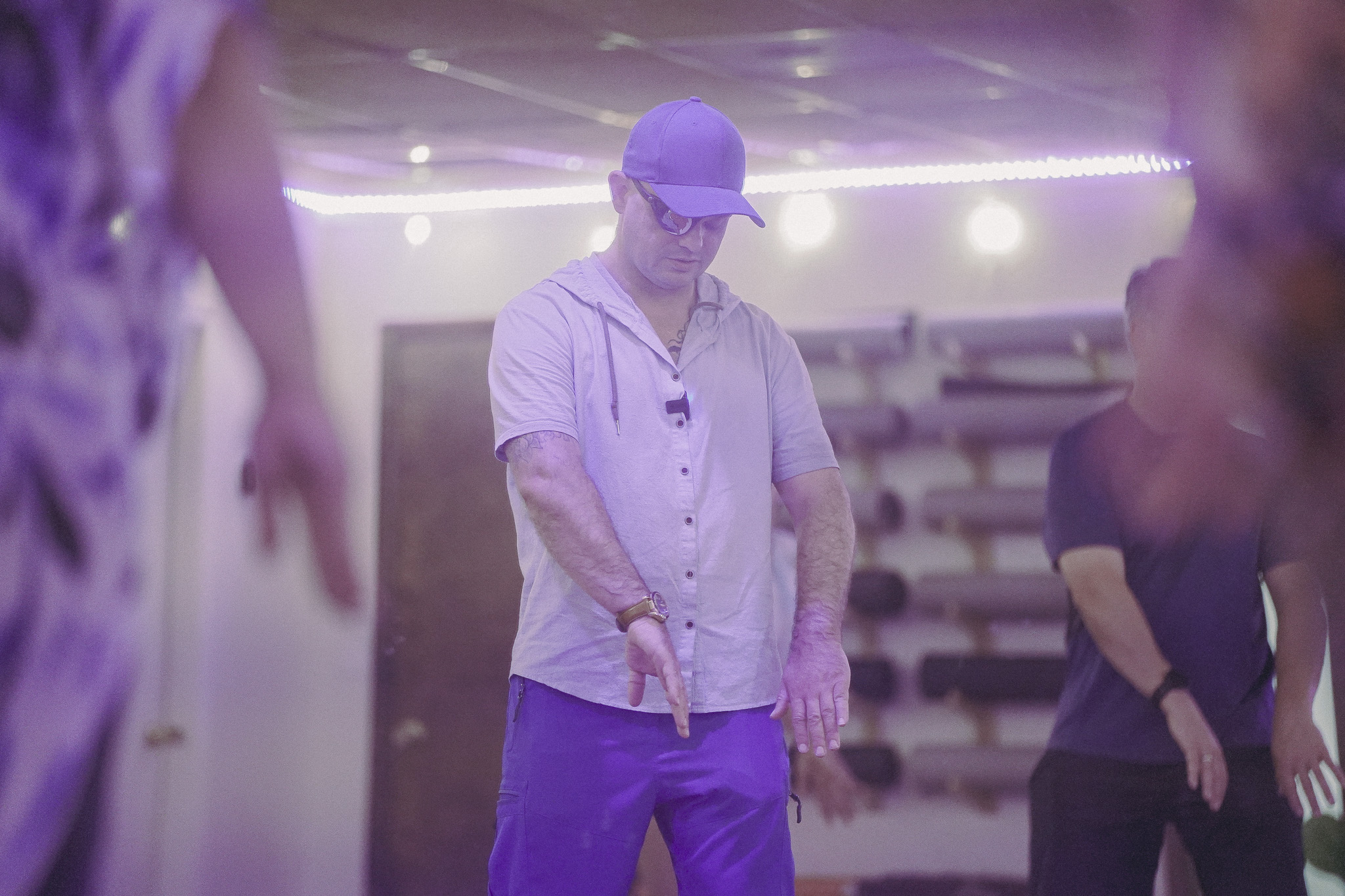
Tai Chi is not a replacement for medical or mental health care
Tai Chi can be a supportive wellness practice for movement, balance, mindfulness, body awareness, stress awareness, and emotional wellbeing, but it is not a replacement for medical care, physical therapy, therapy, medication, psychiatric support, trauma-informed treatment, or crisis services. If someone is experiencing persistent pain, significant distress, panic, depression, trauma symptoms, thoughts of self-harm, or difficulty functioning, support from qualified professionals may be necessary.
At the same time, many people benefit from practices that help them build a more consistent relationship with the body and mind. Tai Chi can be one supportive part of a broader care routine because it offers a gentle and repeatable way to practice grounding, breath awareness, balance, attention, and mindful movement.
The value of Tai Chi is not that it provides instant transformation. Its value is that it gives people a practice they can return to over time, allowing awareness and steadiness to develop gradually.
Tai Chi can support wellbeing as part of a broader care routine, but it should not replace professional support when professional care is needed.
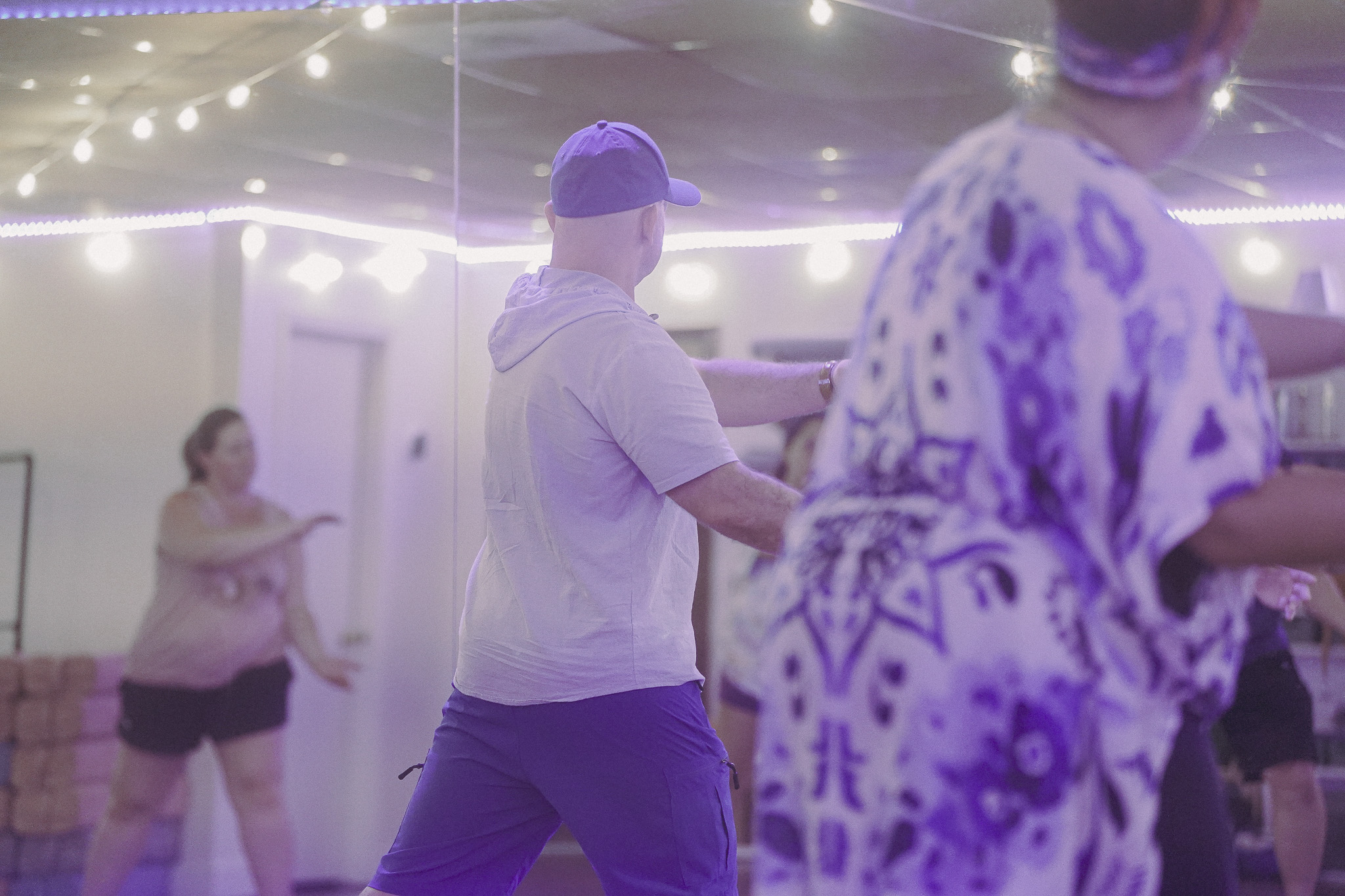
Tai Chi can be part of a broader wellness routine because the practice is gentle, repeatable, and accessible over time.
Tai Chi and The Healing Tree Collective
At The Healing Tree Collective, we understand that many people are used to seeking quick results. They may try something once and wonder whether it worked. They may expect an immediate breakthrough, a dramatic emotional release, or a clear sign that the practice is making a difference.
Tai Chi invites a different relationship with growth. It reminds people that some forms of healing, awareness, and regulation develop slowly. The practice gives people a place to return, a rhythm to follow, and a way to notice the body over time. It does not require prior experience, athletic ability, advanced flexibility, or a perfectly calm mind.
Our mission is to create accessible wellness spaces where people can heal, grow, and reconnect with themselves through practices that feel supportive, educational, and real. Tai Chi supports that mission because it helps people understand that depth is not always immediate. Sometimes depth is built through repetition, patience, consistency, and the willingness to return.
At The Healing Tree Collective, Tai Chi is offered as a practice that deepens over time: one breath, one movement, one return, and one layer of awareness at a time.
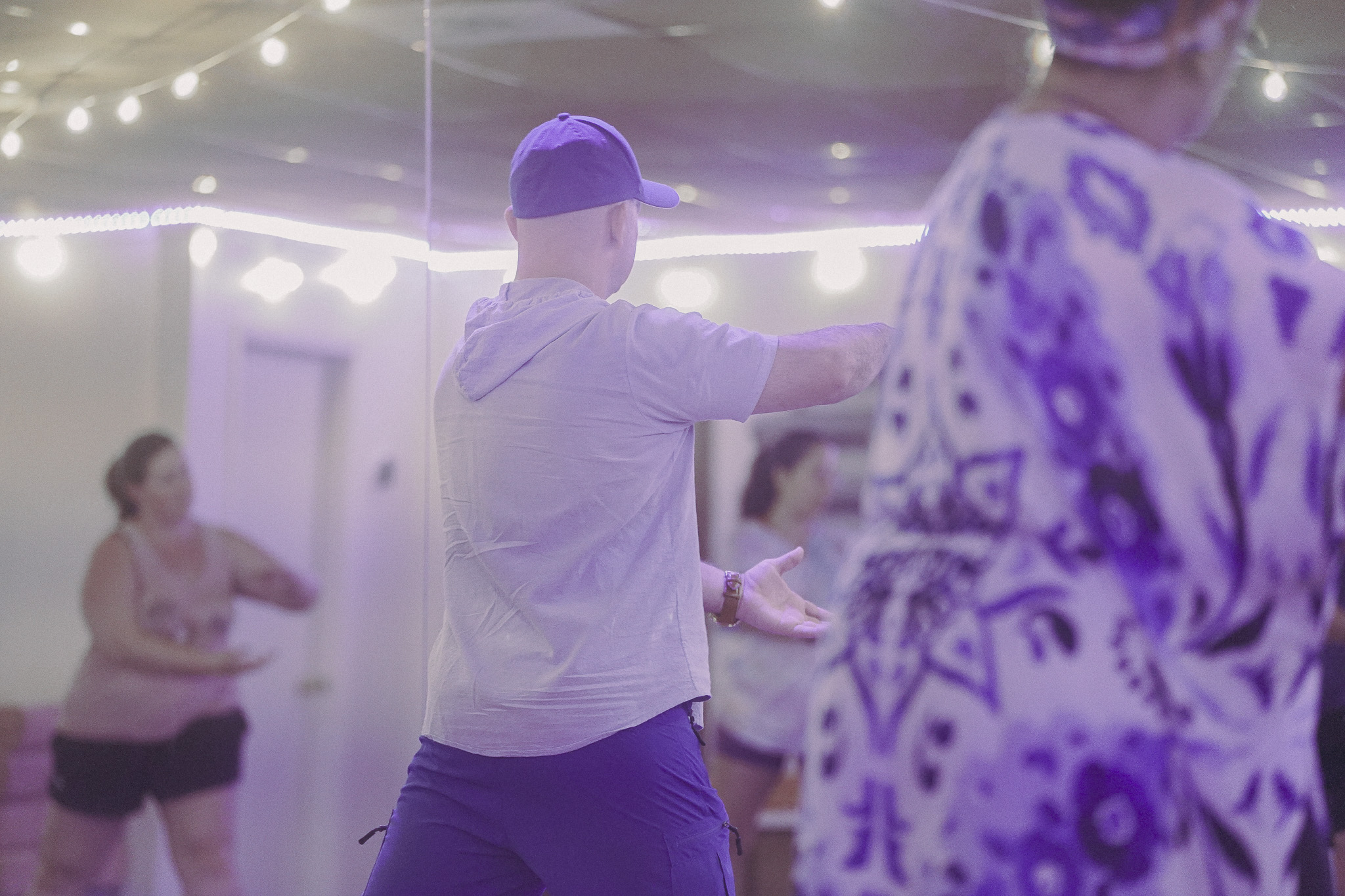
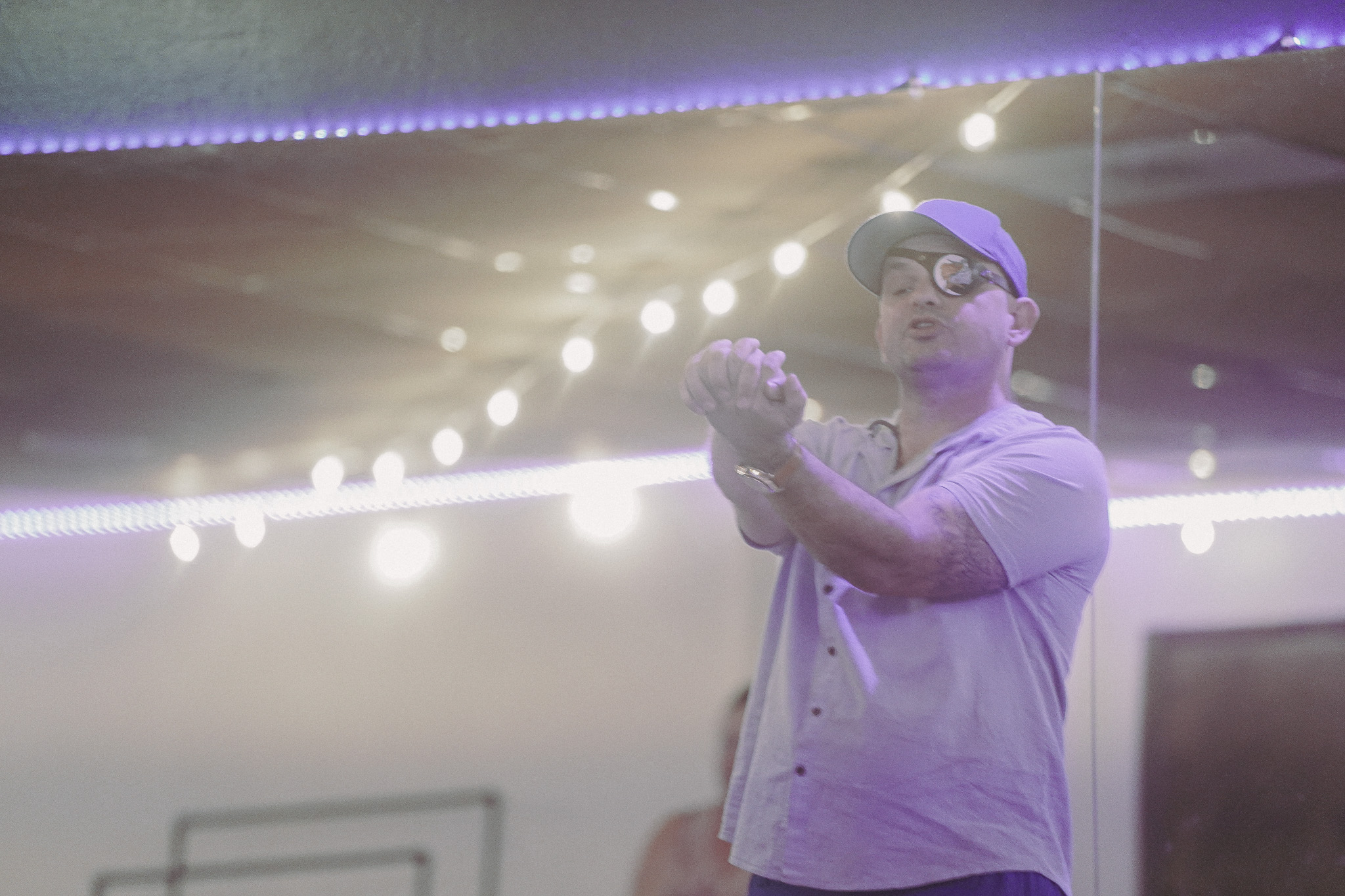
Final thoughts: repetition is where Tai Chi becomes personal
The power of repetition in Tai Chi is that it allows the practice to become more than a set of movements. At first, repetition helps the body learn. Over time, it helps attention deepen, breath become more noticeable, tension patterns become clearer, and the connection between movement and daily life become more meaningful.
Tai Chi does not need to be dramatic to be effective. The practice deepens through small, repeated moments of awareness. Each return to the feet, each breath noticed, each transition completed with patience, and each moment of slowing down helps build a different relationship with the body and mind.
For beginners, this is important to understand. You do not need to fully understand Tai Chi after one class. You do not need to master the sequence immediately. The depth comes from returning. The practice grows with you as you continue showing up.
Tai Chi deepens over time because repetition gives the body and mind repeated opportunities to notice, adjust, breathe, ground, and return.
Looking for Tai Chi classes in Tempe, Arizona?
At The Healing Tree Collective, our beginner-friendly wellness classes are designed to support stress relief, mindfulness, body awareness, and deeper connection. If you are curious about Tai Chi, moving meditation, gentle movement, or a practice that deepens through repetition over time, you are welcome to begin here.