7 July 2026
The Healing Tree Collective • Workplace Wellness
What Burnout Can Feel Like in the Body at Work
Burnout is often talked about like it is only mental or emotional, but for many people, the body feels it long before they have words for it.
A person may still be showing up to meetings, answering emails, hitting deadlines, and functioning well enough on the outside that no one around them realizes how depleted they feel. At the same time, their body may already be carrying the truth. They may feel tense all the time, unusually tired, wired but exhausted, easily overstimulated, or unable to fully relax even when the workday is over.
This is part of why burnout can be so confusing. It does not always feel dramatic at first. It can begin as a quieter experience of disconnection from the body, lower capacity, and a constant sense that something inside never fully settles. Over time, that physical strain can become so familiar that people stop recognizing it as a sign that they have been carrying too much for too long.
At The Healing Tree Collective, we believe workplace wellness matters in part because it helps people reconnect with the signals of the body before those signals become impossible to ignore. When employees are given space to slow down, breathe, and notice themselves more honestly, they often begin to realize that what they thought was “normal stress” may have been much heavier than that.

Burnout in the body can look like:
- Constant tension in the shoulders, jaw, neck, or chest
- Shallow breathing or feeling unable to fully exhale
- Fatigue that does not fully lift with rest
- Headaches, heaviness, or overstimulation
- Feeling wired, numb, disconnected, or physically “off” at work
Burnout is often felt physically before it is understood clearly
Many people do not first recognize burnout as an emotional sentence in their mind. They recognize it as a physical state. Their shoulders are always tight. Their stomach feels unsettled. Their sleep is off. Their breathing stays shallow. They feel tired in a way that is deeper than simply needing one good night of rest. Small tasks begin to feel heavier than they should, not only because of motivation, but because the body itself feels burdened.
This is one of the reasons burnout can go unnoticed for longer than expected. If someone is still functioning, they may assume they are just busy or that this is what adulthood and work are supposed to feel like. But the body often tells a more honest story. When a person has been in a prolonged state of pressure, the body rarely forgets it. It starts holding that strain in muscles, in breath patterns, in energy levels, and in the general feeling of moving through the day without true ease.
Over time, people can become so adapted to that physical strain that they stop interpreting it as information. It simply becomes the background hum of daily life. That is why meaningful workplace wellness can be so important. It creates the kind of pause where people can finally notice what has been happening inside them all along.
The body often recognizes burnout before the mind is ready to admit it.

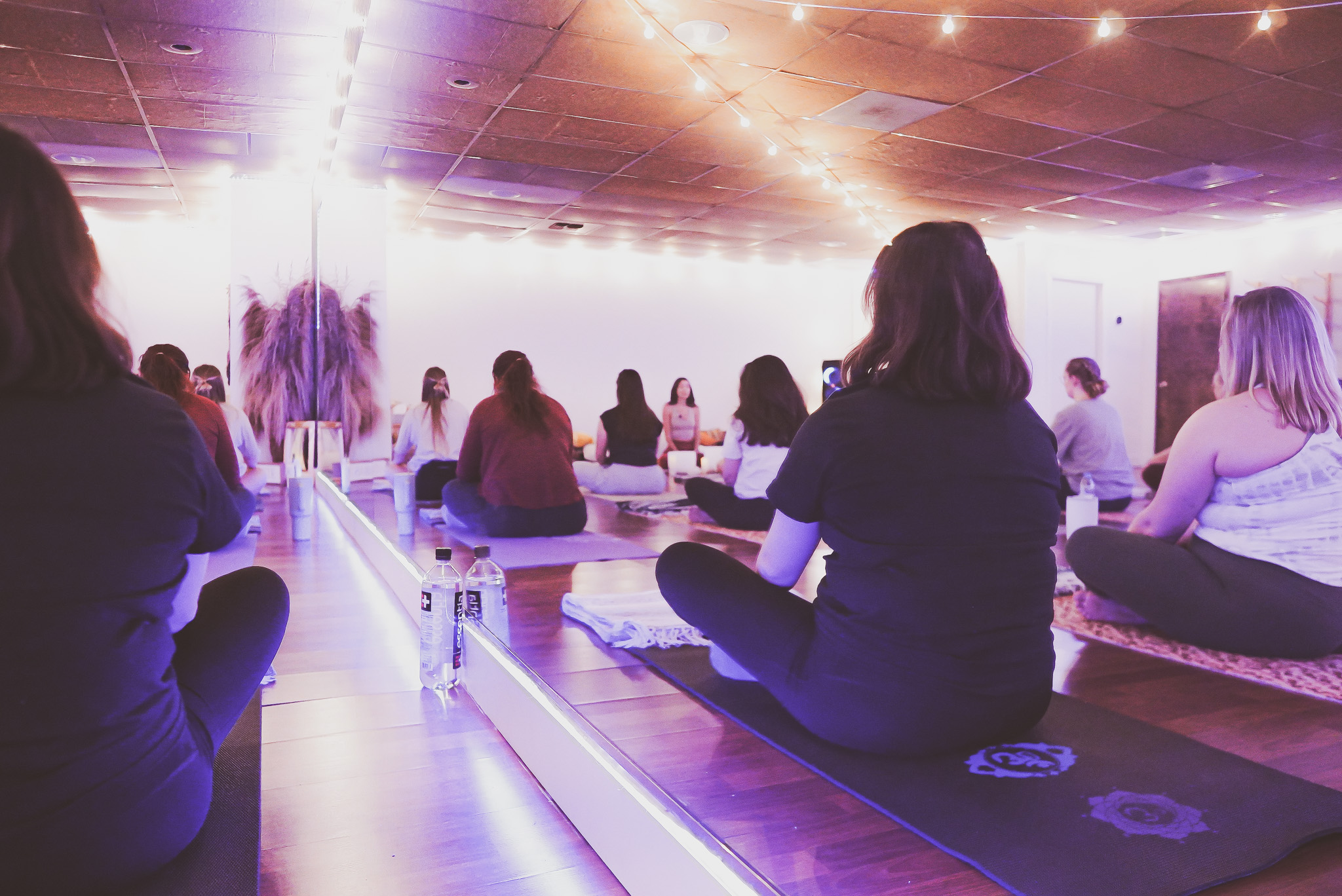
What burnout can feel like in the body during the workday
Burnout does not always announce itself with collapse. More often, it shows up during ordinary moments. A person may open their laptop and already feel resistance in their chest. They may sit through meetings while feeling restless, heavy, or emotionally absent. They may notice that they are clenching their jaw without realizing it, holding their breath between emails, or feeling like every new task lands as one burden too many.
Sometimes burnout in the body feels like heaviness. At other times, it feels like agitation. For some people, it shows up as chronic tiredness and sluggishness. For others, it shows up as internal buzzing, difficulty settling, and a nervous system that feels like it never fully turns off. These experiences may look different from person to person, but they often share one thing in common: the body no longer feels like a place of steadiness. It starts to feel like a place that is constantly compensating.
What makes this especially challenging at work is that many people learn to override these signals. They keep moving, keep producing, keep answering, and keep coping, even while the body keeps asking for relief in quieter ways.
Burnout in the body often feels like living in a system that has not been allowed to fully come down from pressure for a very long time.

Why people often disconnect from the body when they are burned out
One of the more painful parts of burnout is that people often lose a clear relationship with their own body while they are in it. Instead of feeling connected to their inner signals, they begin to operate around them. They drink more caffeine to push through exhaustion. They ignore tension because there is no time to stop. They dismiss headaches, restlessness, and fatigue as minor inconveniences rather than meaningful information.
This kind of disconnection is understandable. In many work environments, people are rewarded for overriding themselves. They are praised for pushing through, staying available, and continuing to perform regardless of how they feel. Over time, that creates a painful split. The mind keeps organizing around tasks, while the body keeps carrying a load that is not being acknowledged.
This is why reconnection matters so much. People cannot respond with care to what they are unwilling or unable to feel. When workplace wellness creates space for employees to slow down and re-enter relationship with their body, it can become easier to notice the earlier signals of strain instead of only recognizing burnout once it is severe.
Burnout often deepens when people become more practiced at overriding the body than listening to it.
What supportive workplace wellness can offer when the body is carrying too much
Workplace wellness cannot erase every source of burnout, nor should it be used as a substitute for healthy leadership, sustainable workloads, or real cultural change. Even so, it can offer something meaningful and immediate. It can create space where the body is no longer being asked to stay in constant performance mode. It can invite employees into experiences that support exhaling, softening, and becoming aware of what has been held physically for too long.
Breathwork can help people notice how stress is living in their breathing patterns. Meditation can help reveal how much effort it takes to sit still when the system has been overactivated. Sound healing can offer a deeply restorative environment for those who feel overstimulated and physically taxed. Gentle movement can help release tension that has accumulated without words. Mindfulness and reflection can help employees connect sensation to awareness so that the body no longer feels like a mystery.
What matters is not only the modality itself, but the quality of the experience. People need spaces where they are not asked to perform wellness, but where they are supported in noticing themselves honestly and gently.
For physical tension
Breathwork, gentle movement, and restorative practices can help employees become aware of where the body has been bracing.
For nervous system strain
Meditation, sound healing, Reiki, and slower-paced experiences can support softening, stillness, and regulation.
For reconnection
Reflective workplace wellness experiences can help people rebuild awareness of what their body has been trying to communicate.


What this means for workplaces that want to care earlier
If burnout is already showing up in the body, then support cannot only begin once someone has completely shut down. A healthier workplace is one that makes room for care before employees reach that point. It understands that physical tension, fatigue, disconnection, and chronic strain are not small things to be ignored simply because someone is still functioning.
This is one reason we believe workplace wellness matters as part of a larger culture of care. When people are given regular spaces to pause, reconnect, and notice themselves, they are more likely to recognize earlier when something feels off. That awareness does not solve everything, but it changes the relationship. It creates the possibility of responding sooner, more gently, and with more honesty.
Burnout can feel like the body carrying a conversation that no one has made time to have. Meaningful workplace wellness helps create that time.
Before burnout becomes a breaking point, it is often a body asking for attention in quieter ways.
So what can burnout feel like in the body at work?
It can feel like constant tension, shallow breathing, heaviness, restlessness, overstimulation, fatigue, and a persistent sense that the body never fully settles. It can feel like functioning while physically carrying far more than anyone else can see.
That is why workplace wellness matters. It offers employees a chance to slow down enough to notice what the body has been holding, reconnect with themselves more honestly, and begin relating to their stress and exhaustion with more care.
When people are supported in returning to the body, they are often better able to recognize burnout earlier and respond with more humanity, both toward themselves and the people around them.