5 July 2026
The Healing Tree Collective • Workplace Wellness
What Emotional Overwhelm Looks Like at Work
Emotional overwhelm at work does not always look dramatic, and that is part of why so many people miss it in themselves.
In many workplaces, overwhelm does not show up as an obvious breakdown or a visible crisis. More often, it shows up quietly and gradually. It can look like losing patience faster than usual, feeling mentally crowded before the day has even fully started, struggling to focus on simple tasks, or becoming emotionally flat in situations that normally would not feel so heavy. It can also look like going completely numb and continuing to function, even while something inside feels overloaded.
A lot of employees do not immediately recognize emotional overwhelm because they are still showing up, still meeting expectations, and still doing what needs to be done. From the outside, they may appear capable and composed. Internally, however, they may be carrying far more than they have had time to process.
That is why this conversation matters. If we only pay attention to stress when it becomes extreme, we miss the many quieter ways employees begin to disconnect from themselves long before they reach a breaking point. Workplace wellness can be meaningful precisely because it creates room to notice these patterns earlier, before emotional overwhelm settles so deeply into the body and the culture that it begins to feel normal.

Emotional overwhelm at work can look like:
- Feeling mentally crowded or emotionally stretched thin
- Shorter patience and increased reactivity
- Brain fog, numbness, or difficulty focusing
- Withdrawal, shutdown, or emotional distance
- A team atmosphere that feels tense, heavy, or disconnected
Emotional overwhelm is often more subtle than people expect
One reason emotional overwhelm can be difficult to identify is because it rarely announces itself clearly. Most people do not wake up and think, “I am emotionally overwhelmed.” Instead, they notice symptoms without always understanding the deeper pattern underneath them. They may feel more irritable, more fragile, more distracted, or more exhausted than usual. They may assume they simply need more sleep, a better schedule, or more discipline. Sometimes those things matter, but sometimes what they are actually experiencing is emotional overload that has been building for longer than they realized.
Emotional overwhelm can also be confusing because it does not always feel highly emotional. In some people, it looks like tears close to the surface or feeling reactive in small moments. In others, it looks like detachment, numbness, and a quiet inability to care in the way they normally would. Both are forms of strain. Both are signs that the inner system may be carrying more than it can comfortably hold.
This matters in the workplace because employees often continue to function while their internal capacity is already thinning out. The performance may still be there for a while, but the emotional room around it becomes smaller. The result is that people start living from a more compressed internal state without necessarily having the language to describe it.
Emotional overwhelm is not always loud. Very often, it sounds like “I’m fine,” while the body and mind are quietly saying something else.

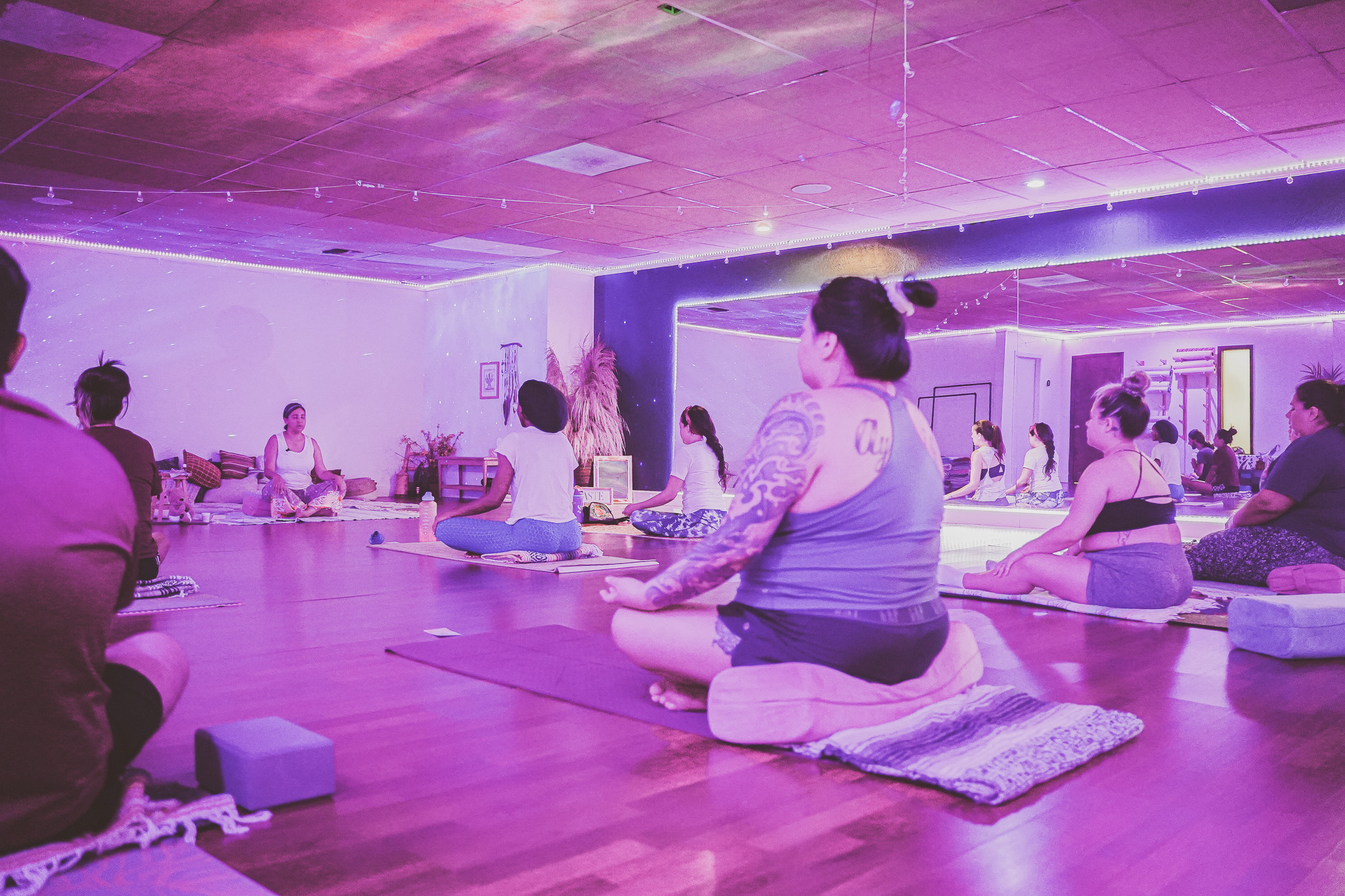
What emotional overwhelm often looks like in the body and mind
Emotional overwhelm does not stay in the emotional realm alone. It often moves into the body and mind in very practical ways. A person may feel tight in the chest, tense in the jaw, restless, fatigued, or unable to fully exhale. Their thoughts may begin to feel crowded or repetitive. Concentration becomes harder. Small decisions take more energy than they should. Even routine interactions can begin to feel heavier and more effortful.
Some employees describe this as feeling “off,” “fried,” or “not like themselves.” Others simply notice that everything requires more effort. They are more easily overstimulated. They feel less resilient in the face of ordinary workplace pressure. They may not be in crisis, but they are no longer moving through the day with the same internal spaciousness they once had.
When this continues over time, people can begin to mistake emotional overwhelm for their new normal. That is one of the reasons supportive workplace wellness experiences matter. They create an interruption in that pattern and offer a chance to notice what has quietly accumulated.
Sometimes emotional overwhelm is not the presence of one big feeling. It is the absence of enough room inside to keep holding everything comfortably.

How emotional overwhelm begins to affect team culture
Emotional overwhelm is not only an internal experience. It often changes the way people relate to one another, which means it eventually becomes visible in the culture of a team. When people feel emotionally stretched, they usually have less capacity for patience, less room for curiosity, and less access to empathy. Communication may become shorter, flatter, or more reactive. Misunderstandings happen more quickly. People withdraw, assume the worst, or stop having the energy for relational nuance.
This does not happen because people are failing. It happens because overwhelmed humans tend to interact from overwhelmed nervous systems. When enough people are carrying too much at once, the atmosphere of the workplace can begin to feel tighter, heavier, and less forgiving. The culture starts reflecting the inner state of the people inside it.
That is why employee well-being and workplace culture cannot really be separated. What individuals are silently holding often shows up later in the emotional tone of the team.
Emotional overwhelm is personal, but it is rarely private for long. Eventually, it begins to shape the way people communicate, collaborate, and connect.
Why employees do not always realize what is happening
Many employees do not identify emotional overwhelm right away because they have become used to functioning under pressure. They may have learned to keep moving even when they are tired, to keep performing even when they feel disconnected, and to keep appearing steady even when their internal world feels crowded. In fast-moving environments, that adaptation is often rewarded, which can make it even harder for people to slow down long enough to notice how much they are actually carrying.
People also tend to minimize what they feel when everyone around them seems equally stressed. If overwhelm appears common, it can start to feel ordinary. As a result, employees may not ask for support because they assume what they are experiencing is simply part of working life now. This is one of the reasons meaningful workplace wellness matters. It creates space where people can pause long enough to recognize that what they have normalized may still deserve care.
For the body
Supportive practices can help employees notice tension, breath-holding, and physical strain that often accompany emotional overload.
For the mind
Mindfulness, meditation, and slower pacing can help create space around mental clutter and emotional fatigue.
For the team
Shared wellness experiences can help restore a more human tone by supporting patience, empathy, and reconnection.


What workplace wellness can offer when overwhelm is present
Workplace wellness cannot erase every source of emotional overwhelm, and it should not be used to pretend deeper cultural issues do not exist. However, it can still offer something very real. It can create a setting where employees are not being asked to produce, respond, or perform for a moment. Instead, they are invited to breathe, notice themselves, and reconnect with what has been happening internally.
That kind of space matters more than it may seem. For someone who has been carrying emotional weight without language, even a brief moment of awareness can be meaningful. It can sound like, “I did not realize how tight I felt,” or “I have been more overwhelmed than I thought,” or “I have not felt this settled in a while.” Those realizations are not small. They are often the beginning of care.
This is part of what we believe meaningful employee wellness should offer. Not only relief in the moment, but an opportunity for people to notice themselves more honestly and return to the workplace with a little more room inside.
People cannot respond to emotional overwhelm well if they have never had enough space to recognize that it is there.
So what does emotional overwhelm actually look like at work?
It often looks like irritability, numbness, mental fog, emotional distance, low patience, and the quiet feeling of being stretched thinner than you can explain. It can show up in the body, in the mind, and eventually in the tone of the whole team.
That is why workplace wellness matters. It gives employees a chance to slow down, reconnect, and recognize what they may have been carrying for longer than they realized. From there, more grounded support becomes possible.
When people are given enough space to notice themselves again, they often become more capable of caring for themselves and showing up with more steadiness, honesty, and humanity in the workplace.