17 June 2026
What Makes Tai Chi Different From Yoga, Meditation, and Breathwork?
If you are exploring wellness practices, it can be hard to know where to begin. There are so many options: yoga, meditation, breathwork, Tai Chi, sound healing, somatic movement, and more.
Each practice has its own purpose, rhythm, and way of helping you reconnect with yourself. Some practices bring you into stillness. Some use breath as the doorway. Some use posture, stretching, or strength. Tai Chi is different because it brings movement, meditation, breath, balance, and awareness together in a slow and continuous way.
Tai Chi is not better than yoga, meditation, or breathwork. It simply offers a different doorway into the body.
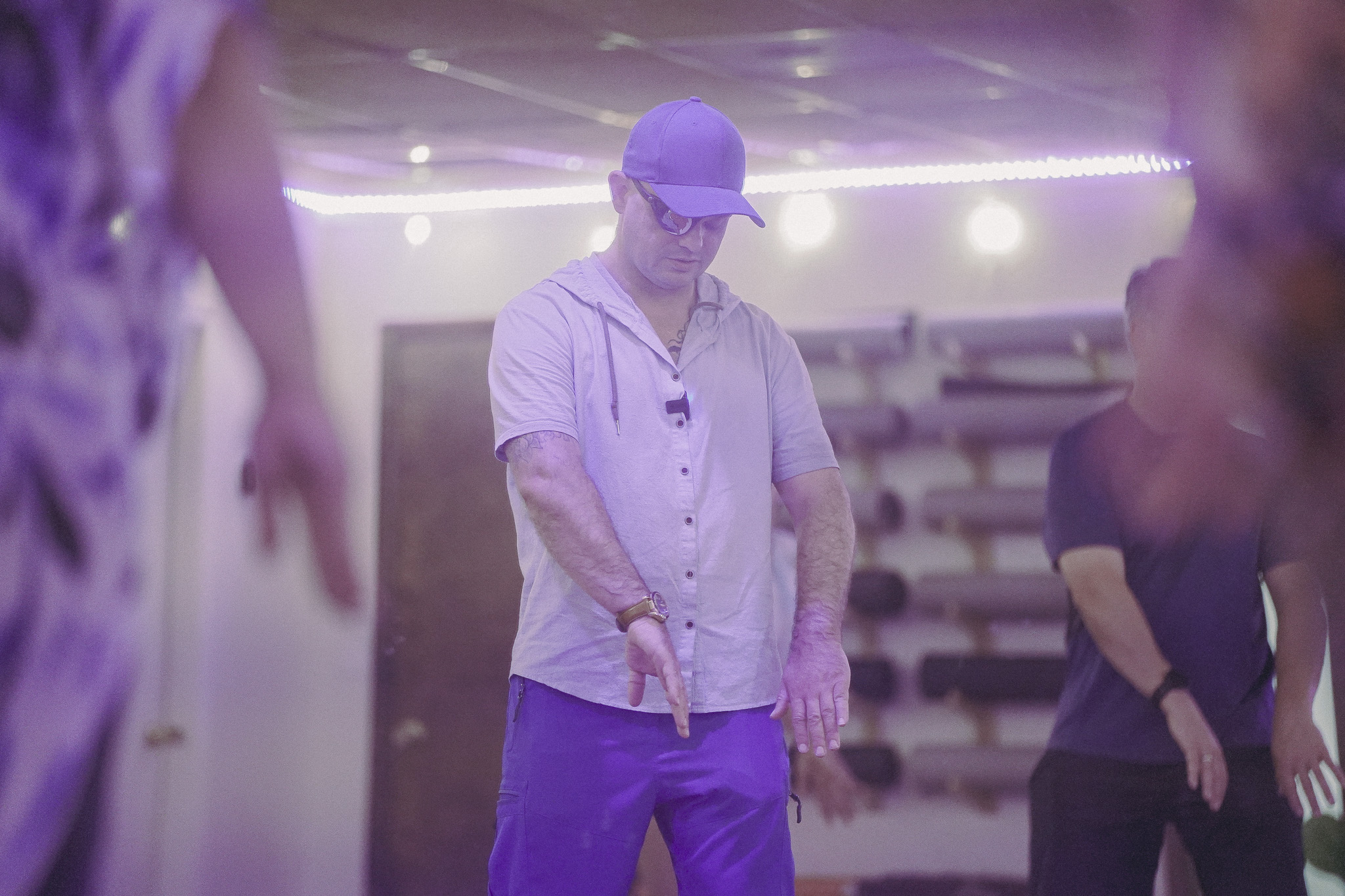
Tai Chi gives people a way to practice awareness through slow, continuous movement.
Tai Chi is different because it combines:
Movement, breath, balance, and mindfulness in one practice.
- Gentle movement
- Moving meditation
- Breath awareness
- Balance and grounding
- Slow transitions
- Mind-body connection
Why people compare Tai Chi to other wellness practices
It makes sense that people compare Tai Chi to yoga, meditation, and breathwork. All of these practices can support stress relief, mindfulness, body awareness, emotional regulation, and a deeper connection to yourself. They all invite you to pause in some way. They all help interrupt the constant speed of daily life. They all offer tools for coming back into the present moment.
But even though these practices may share similar intentions, they do not always feel the same in the body.
Someone may love yoga because it helps them stretch, strengthen, and breathe through postures. Someone may love meditation because it helps them observe their thoughts and create inner stillness. Someone may love breathwork because it gives them a direct way to work with the nervous system and emotional energy through the breath.
Tai Chi has its own unique rhythm. It is not primarily about holding poses, sitting still, or using the breath as the main technique. Tai Chi invites awareness through slow, flowing movement, where the body is always transitioning from one moment to the next.
Tai Chi is unique because it teaches presence while the body is moving, shifting, balancing, and responding.
Tai Chi compared to yoga
Yoga and Tai Chi both help people become more aware of the body, breath, and present moment, but they often approach movement differently.
In many yoga classes, the practice may involve moving through postures, holding poses, stretching, building strength, and connecting the breath to each shape. Depending on the style of yoga, the class may feel restful, active, athletic, slow, spiritual, restorative, or physically challenging.
Tai Chi, on the other hand, often feels more continuous. Instead of moving into a posture and holding it, the body flows from one movement into the next. The focus is less on stretching into a shape and more on sensing how the body transitions, shifts weight, stays balanced, and moves with softness and control.
Yoga may ask, “Can you breathe inside this posture?” Tai Chi may ask, “Can you stay aware while this movement changes?”
Yoga often brings awareness into postures. Tai Chi brings awareness into transitions.
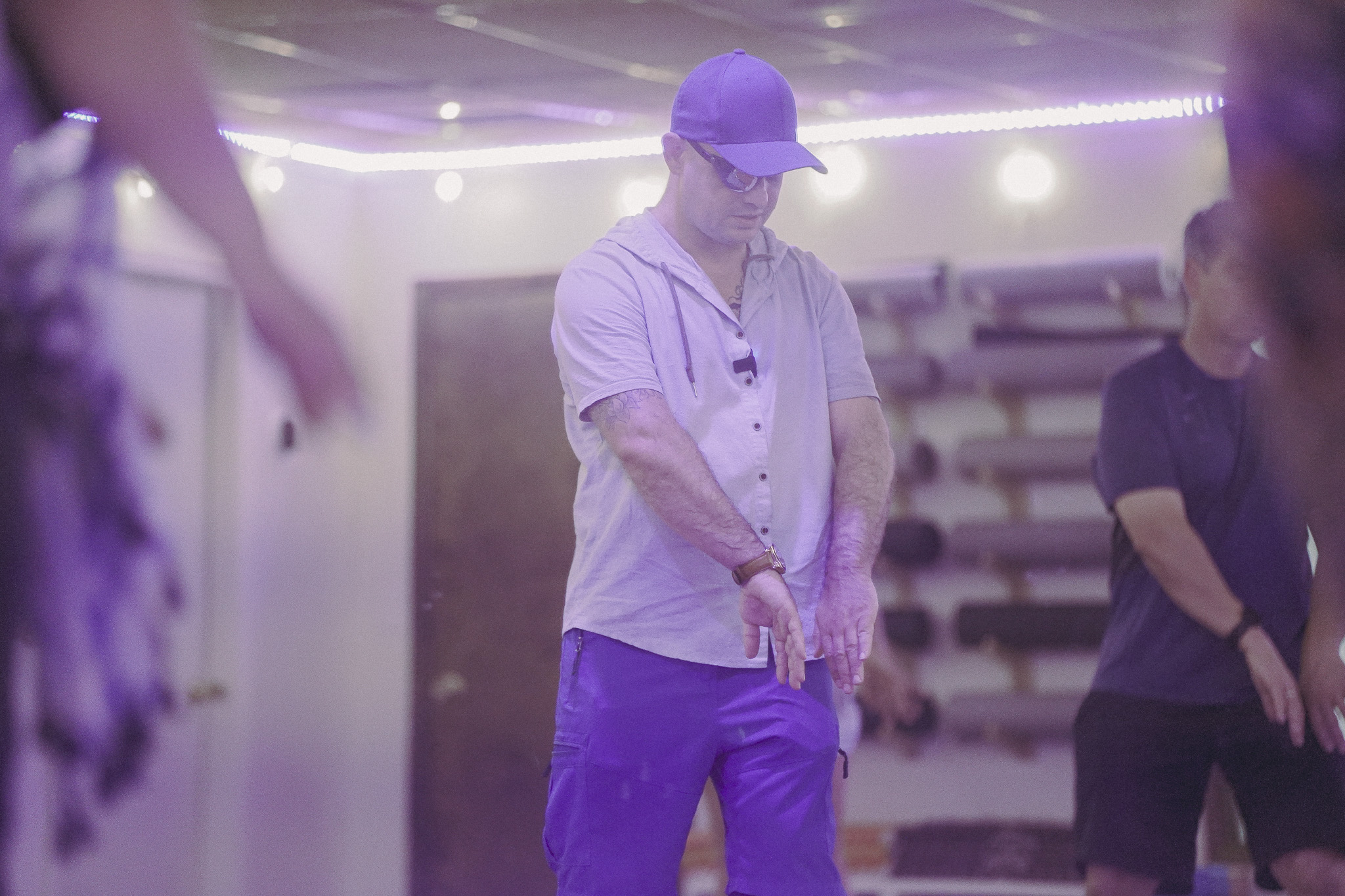

Tai Chi compared to meditation
Meditation is often associated with stillness. Many people picture someone seated quietly, eyes closed, observing the breath or watching thoughts pass without reacting. That kind of meditation can be deeply supportive, but it can also feel difficult for people who are restless, anxious, overstimulated, or new to mindfulness.
Tai Chi offers a different doorway into meditation because the body is moving. Instead of trying to sit still and quiet the mind directly, you practice bringing attention into the movement. The feet, breath, hands, posture, and balance become anchors for awareness.
This can make Tai Chi feel more accessible for people who struggle to sit still. You are not being asked to force silence. You are being invited to follow the movement and return to the body again and again.
Meditation often teaches awareness through stillness. Tai Chi teaches awareness through motion.
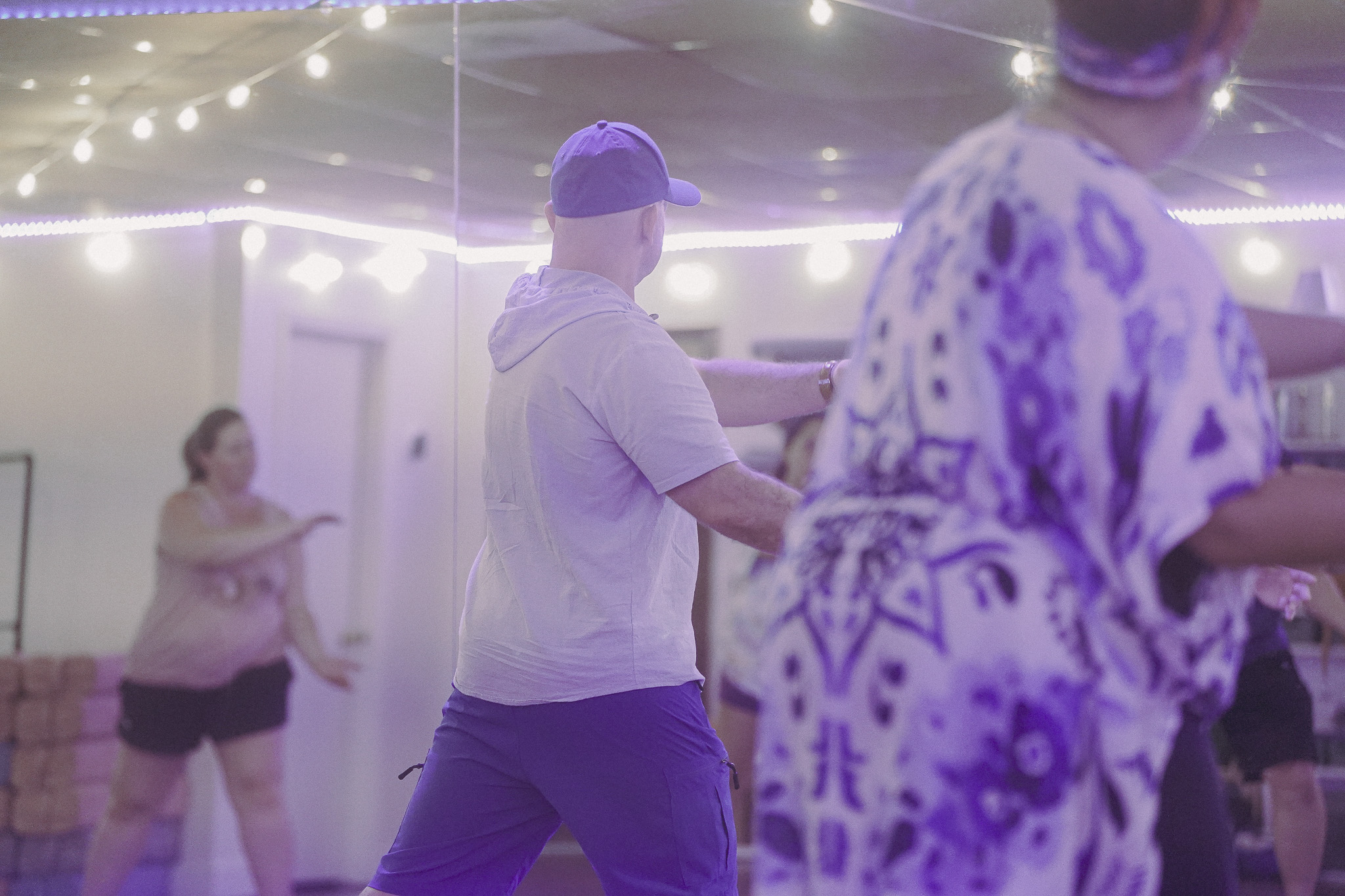
For many busy minds, moving meditation can feel like a more accessible place to begin.
Tai Chi compared to breathwork
Breathwork uses the breath as the main pathway into awareness, regulation, release, energy, or emotional processing. Depending on the style, breathwork may feel gentle and calming, active and energizing, or deeply emotional.
Tai Chi includes breath awareness, but the breath is not usually isolated as the only focus. Instead, the breath becomes part of a larger relationship between movement, posture, balance, and attention. You notice the breath as the body shifts. You feel how breathing changes when you slow down. You begin to sense how breath supports movement without needing to force it.
This makes Tai Chi a helpful practice for people who want to become more aware of the breath, but may not feel ready for a breath-centered practice where the breath itself is the main technique.
Breathwork often uses breath as the primary doorway. Tai Chi weaves breath into movement, balance, and awareness.
Yoga
Often works through postures, stretching, strength, breath, and intentional shapes held or flowed through in sequence.
Meditation
Often works through stillness, observation, breath awareness, mindfulness, and returning attention to the present moment.
Breathwork
Often works directly through breathing patterns to support awareness, regulation, emotional release, or energy shifts.
Tai Chi
Works through slow, continuous movement that blends breath, posture, balance, attention, and transition.
Tai Chi is a practice of transition
One of the biggest differences between Tai Chi and many other practices is its emphasis on transition. In Tai Chi, the space between movements matters. The shift of weight matters. The way you move from one position into the next matters.
This is powerful because life is full of transitions. Moving from one conversation to another. Moving from work into home life. Moving from stress into rest. Moving from reaction into response. Moving from uncertainty into the next step.
Many people rush through transitions without realizing it. They move quickly because slowing down feels uncomfortable. They skip over the in-between because they are focused on getting to the next thing. Tai Chi teaches you to stay present in the in-between.
Tai Chi helps you practice the part most people rush through: the transition.
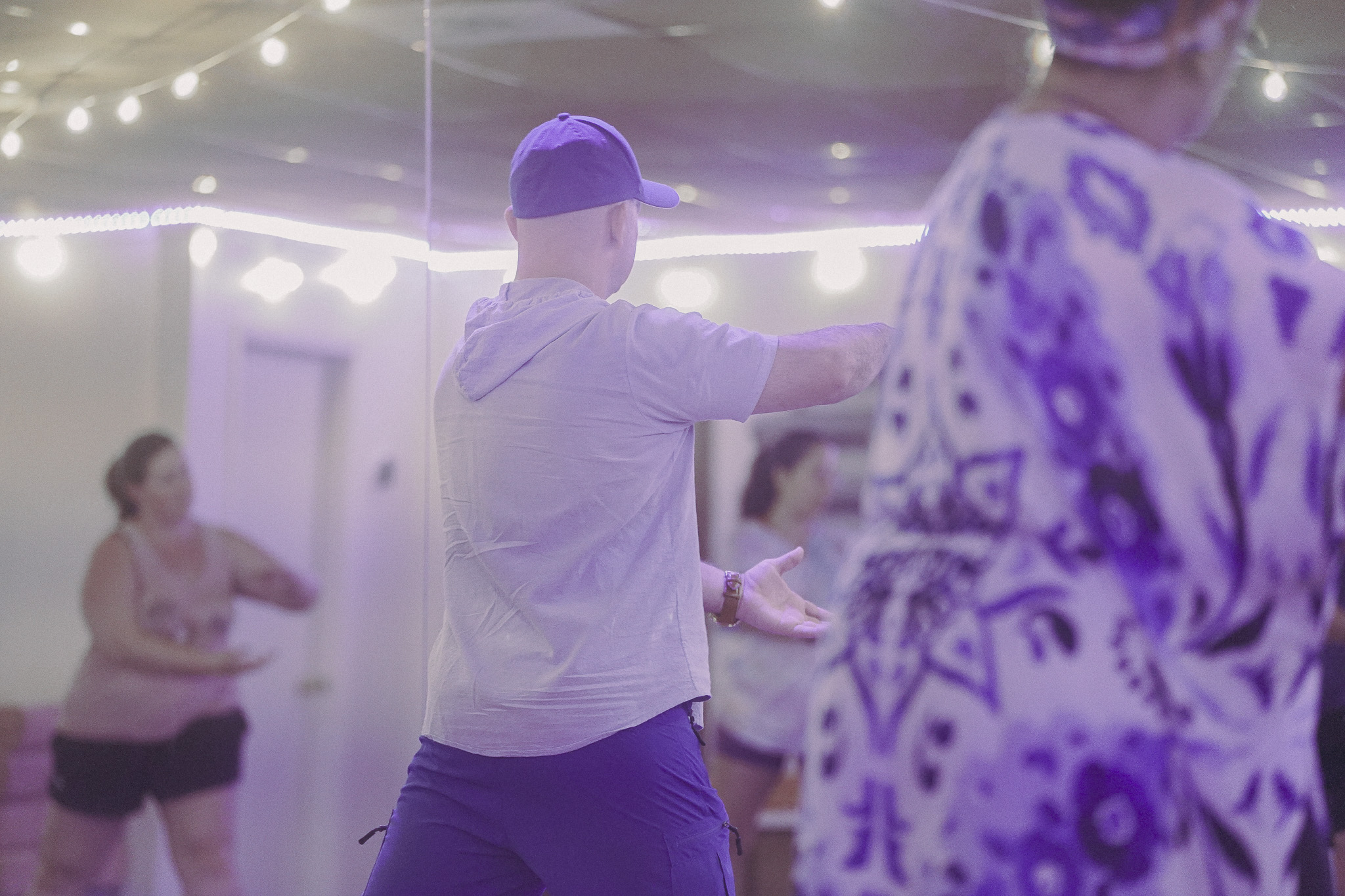

Tai Chi may feel less intense, but that does not mean less meaningful
Some people expect wellness practices to feel intense in order to feel valuable. They want to sweat, stretch deeply, breathe powerfully, cry, release, or experience a dramatic shift. Those experiences can be meaningful, and there are practices that support that kind of depth.
But Tai Chi often works in quieter ways.
You may not feel a huge release after one class. You may not leave feeling like something dramatic happened. Instead, you may notice that your body feels a little more grounded. Your breath feels a little more spacious. Your mind feels a little less rushed. You may notice one small thing about your posture or tension that you had not noticed before.
That is still meaningful.
Tai Chi teaches that subtle does not mean insignificant. Sometimes the quiet shifts are the ones that slowly change how we live.
Tai Chi can be supportive when sitting still feels difficult
Not everyone feels comfortable sitting in meditation right away. For some people, stillness can make thoughts feel louder. The body may feel restless. Emotions may rise. The mind may feel like it has too much space to wander.
Tai Chi gives the mind and body a shared task. You are moving slowly enough to be mindful, but actively enough that the body has something to do. This can help people feel more grounded while practicing presence.
That is one of the reasons Tai Chi can be so helpful for people who are curious about meditation but feel like they cannot sit still. It offers meditation through movement rather than meditation separate from the body.
Tai Chi does not ask you to leave the body to become mindful. It asks you to enter the body more fully.

Tai Chi can be a supportive doorway for people who want mindfulness but find stillness difficult.
You do not have to choose only one practice
It is important to remember that Tai Chi, yoga, meditation, and breathwork do not have to compete with each other. They can support different parts of the same healing journey.
Some days your body may need the stretch and structure of yoga. Some days your mind may need the quiet observation of meditation. Some days your nervous system may need the direct support of breathwork. Some days your whole system may need the slow, steady rhythm of Tai Chi.
The goal is not to find the one perfect practice and reject everything else. The goal is to learn what helps you feel more connected, grounded, aware, and supported in your actual life.
Different practices can open different doors. Tai Chi is one doorway into the body, but it does not have to be the only one.

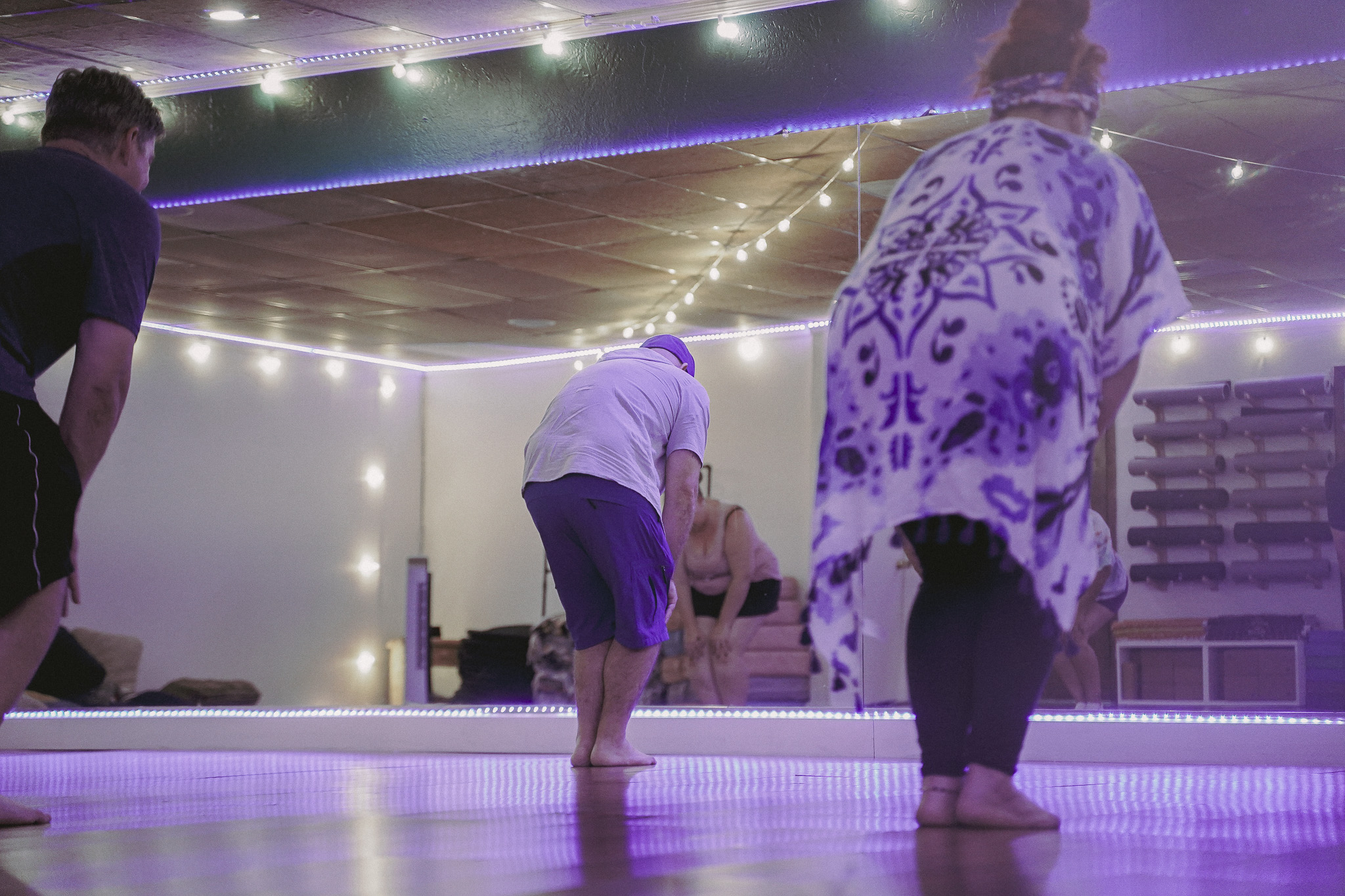
Which practice is right for you?
The right practice often depends on what your body and mind need in this season of life. There is no single answer that applies to everyone.
If you feel disconnected from your body and want to stretch, strengthen, and breathe through postures, yoga may be supportive. If your mind feels crowded and you want to practice observing your thoughts, meditation may be a helpful place to begin. If your breath feels restricted or your emotions feel stuck, breathwork may offer a more direct pathway into release or regulation.
If you want gentle movement, mindfulness, balance, breath awareness, and body connection all woven together, Tai Chi may be a beautiful fit.
Tai Chi may be a good fit if you are looking for:
- A slower practice that still includes movement
- A meditation practice that does not require sitting still
- A gentle way to build body awareness
- A supportive practice for stress relief
- A way to improve balance and grounding
- A practice that connects movement, breath, and presence
- A beginner-friendly way to reconnect with your body
The best way to know is to try it and notice how your body responds. Not just during class, but afterward. How do you feel when you leave? How do you feel later that day? What did you notice about yourself? What felt supportive? What felt unfamiliar?
Your body can often tell you more than a description can. Sometimes you have to experience the practice to understand what it offers.
Tai Chi and The Healing Tree Collective
At The Healing Tree Collective, we offer different practices because healing and self-care are not one-size-fits-all. Some people connect through breath. Some through stillness. Some through sound. Some through movement. Some through energy work. Some need rest. Some need expression. Some need grounding. Some need a practice that feels gentle enough to begin.
Tai Chi fits beautifully into this wider circle because it offers a slow, embodied, beginner-friendly way to build awareness. It supports people who want to move but do not want intensity. It supports people who are curious about meditation but struggle to sit still. It supports people who want to reconnect with their body one movement at a time.
This connects directly to our mission: creating accessible spaces where people can explore healing, presence, and self-connection in ways that feel real and supportive.
We are not here to tell people there is only one way to heal. We are here to help people find practices that help them come back to themselves.
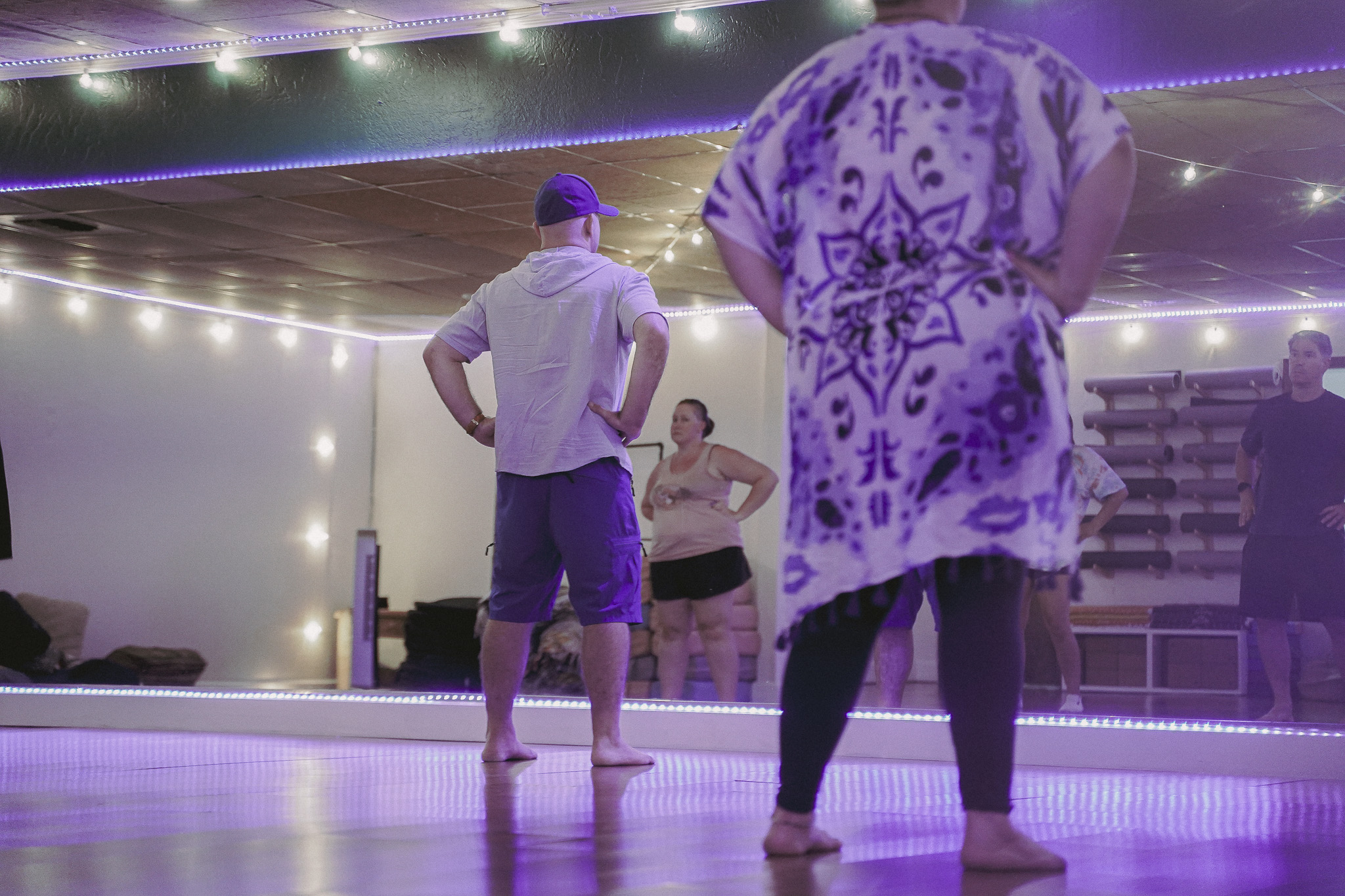
At The Healing Tree Collective, every practice is an invitation to reconnect in a way that feels supportive to your body and life.
Final thoughts: Tai Chi is its own doorway
Tai Chi may share similarities with yoga, meditation, and breathwork, but it is not exactly the same as any one of them.
It is movement, but not in the traditional workout sense. It is meditation, but not limited to stillness. It includes breath, but does not make the breath the only focus. It builds awareness, but through slow transitions, balance, rhythm, and embodied attention.
That is what makes Tai Chi unique. It gives you a way to practice mindfulness while moving, to build awareness without forcing stillness, and to reconnect with the body through patience rather than pressure.
Tai Chi is not better than other practices. It is its own doorway — and sometimes, that doorway is exactly the one your body is ready to walk through.
Looking for beginner-friendly Tai Chi in Tempe, Arizona?
At The Healing Tree Collective, our beginner-friendly wellness classes are designed to support stress relief, mindfulness, body awareness, and deeper connection. If you are curious about Tai Chi, moving meditation, yoga, meditation, breathwork, or other mind-body practices, you are welcome to begin here.
No prior experience is needed. Come as you are. We will meet you there.