8 July 2026
The Healing Tree Collective • Workplace Wellness
Why Employees Need Nervous System Support at Work
A lot of people move through the workday without realizing that what they are calling stress is also living in their nervous system.
It shows up in the body before it becomes language. It shows up in shallow breathing, tight shoulders, difficulty focusing, irritability, exhaustion, emotional reactivity, and the sense that even small things are starting to feel heavier than they should. Many employees continue functioning while their inner system is quietly working overtime, trying to keep up with the pace, pressure, and stimulation of the environments they are living inside of each day.
That is why nervous system support matters at work. Employees do not only need better schedules, better communication, or better boundaries, even though those things matter too. They also need spaces and practices that help the body come out of constant bracing, help the mind soften, and help the whole person feel more regulated, more grounded, and more able to respond rather than simply react.
At The Healing Tree Collective, we believe workplace wellness becomes much more meaningful when it includes nervous system support. People are not machines, and the body keeps the score of how fast, how hard, and how long someone has been pushing. When that reality is ignored, strain accumulates. When it is honored, a different kind of support becomes possible.

Nervous system strain at work can look like:
- Feeling tense, wired, or unable to fully relax
- Shallow breathing and physical tightness throughout the day
- Mental fog, emotional reactivity, or low patience
- Fatigue that builds even when someone is still functioning
- Disconnection from the body, self, and team environment
Stress is not only mental. It becomes a body experience.
Many people still think of workplace stress as something that exists mostly in thoughts. They imagine it as overthinking, worrying, or feeling mentally overwhelmed. While that is certainly part of the picture, stress does not remain in the mind alone. Over time, it becomes a full-body experience. The body adjusts to pressure. The breath becomes shorter. Muscles stay tight. Sleep is affected. Recovery becomes harder. A person may still look capable from the outside while their nervous system is operating as though it never fully gets a chance to come down.
This matters because employees can be performing well and still be dysregulated. They can be competent, responsible, and committed while also feeling physically taxed and emotionally stretched thin. If the workplace only pays attention to output, those internal signs can easily go unnoticed. But if we understand that the body is part of the story, then workplace wellness becomes about much more than morale or productivity. It becomes about helping people come back into a state where they can actually feel safe enough to breathe, think, and connect more clearly.
Employees need nervous system support at work because the body is often carrying far more than the calendar reveals.

When the nervous system is strained, everything can feel harder
One of the most challenging things about nervous system strain is that it changes the quality of how people move through the day. Tasks that once felt manageable can begin to feel draining. Communication requires more effort. Patience gets shorter. Focus becomes more fragile. It may take less to push someone into irritability, shutdown, overwhelm, or emotional distance. People are not necessarily choosing these responses. Very often, they are operating from a system that has already been asked to hold too much for too long.
This is one reason workplace wellness should include regulation support, not only inspiration or motivation. When employees are chronically activated, they do not simply need reminders to do better. They need experiences that help them settle. They need environments where the body can stop interpreting everything as one more demand. They need moments where the breath can lengthen, the shoulders can drop, and the mind can soften enough to create some room again.
In that sense, nervous system support is not a luxury. It is part of what helps people regain access to the steadiness they need in order to function well and relate well.
When the nervous system stays under pressure for too long, even ordinary parts of the workday can begin to feel disproportionately heavy.
Nervous system support also affects team culture
This is where the conversation becomes even more important. Nervous system strain does not stay contained inside one person. It often shows up in the emotional tone of a team. When many employees are operating from tension, depletion, or internal overload, the culture can begin to reflect it. Communication becomes shorter. Reactivity rises. Misunderstandings happen more easily. People feel less connected, less spacious, and less able to meet one another with patience.
This does not mean people are failing. It means overwhelmed systems tend to create overwhelmed environments. In the same way, more supported nervous systems often help create more supported cultures. When people feel more regulated, they are often more able to listen, reflect, collaborate, and respond from a steadier place. That is part of why workplace wellness should never be reduced to an individual issue alone. Nervous system support is personal, but it is also relational.
If the state of the employee affects the state of the team, then helping employees feel more regulated can become one meaningful way of supporting healthier workplace culture overall.
A team culture often reflects the internal state of the people inside it. When nervous systems are strained, the culture usually feels that strain too.
What nervous system support can actually look like at work
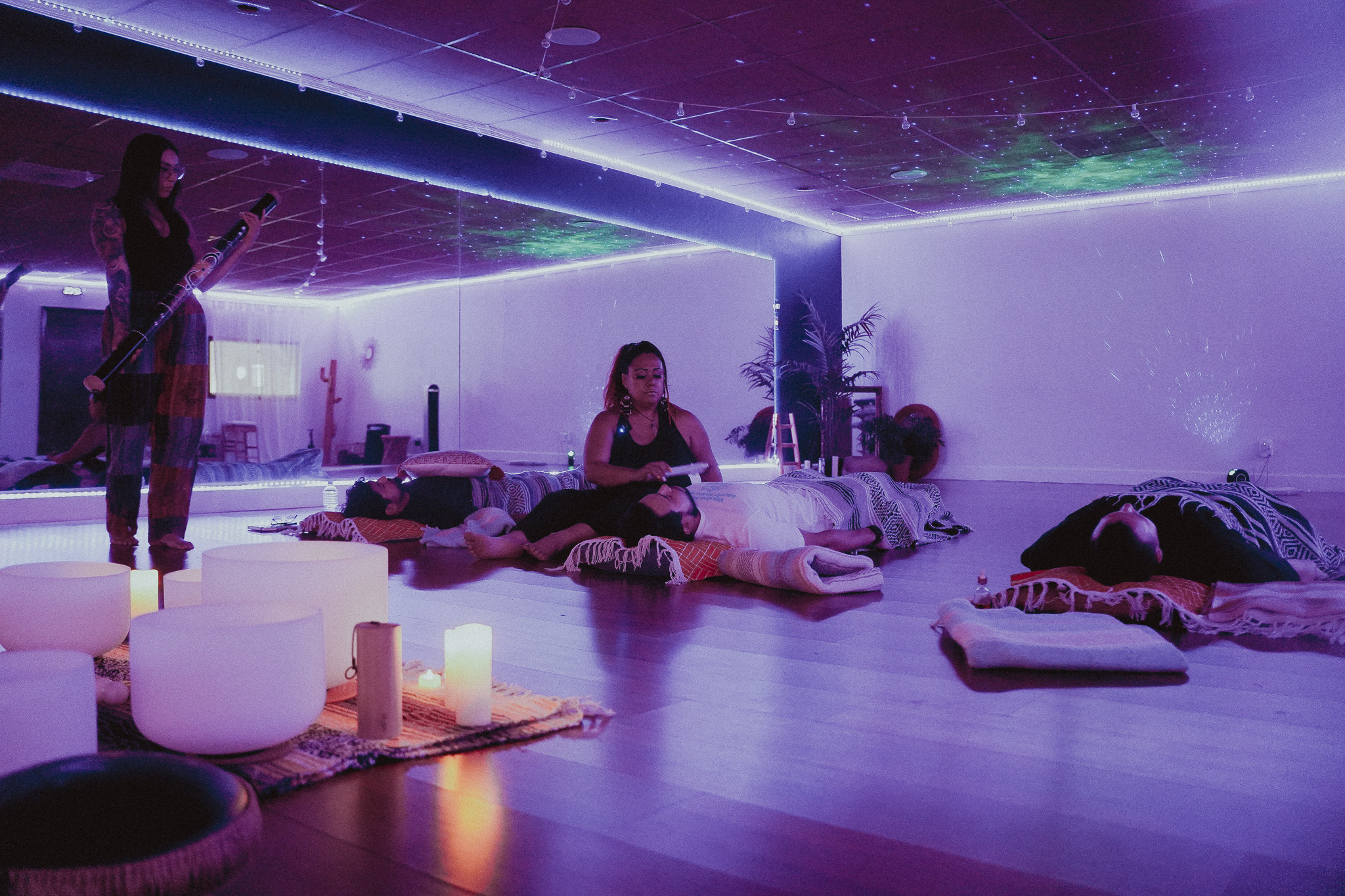
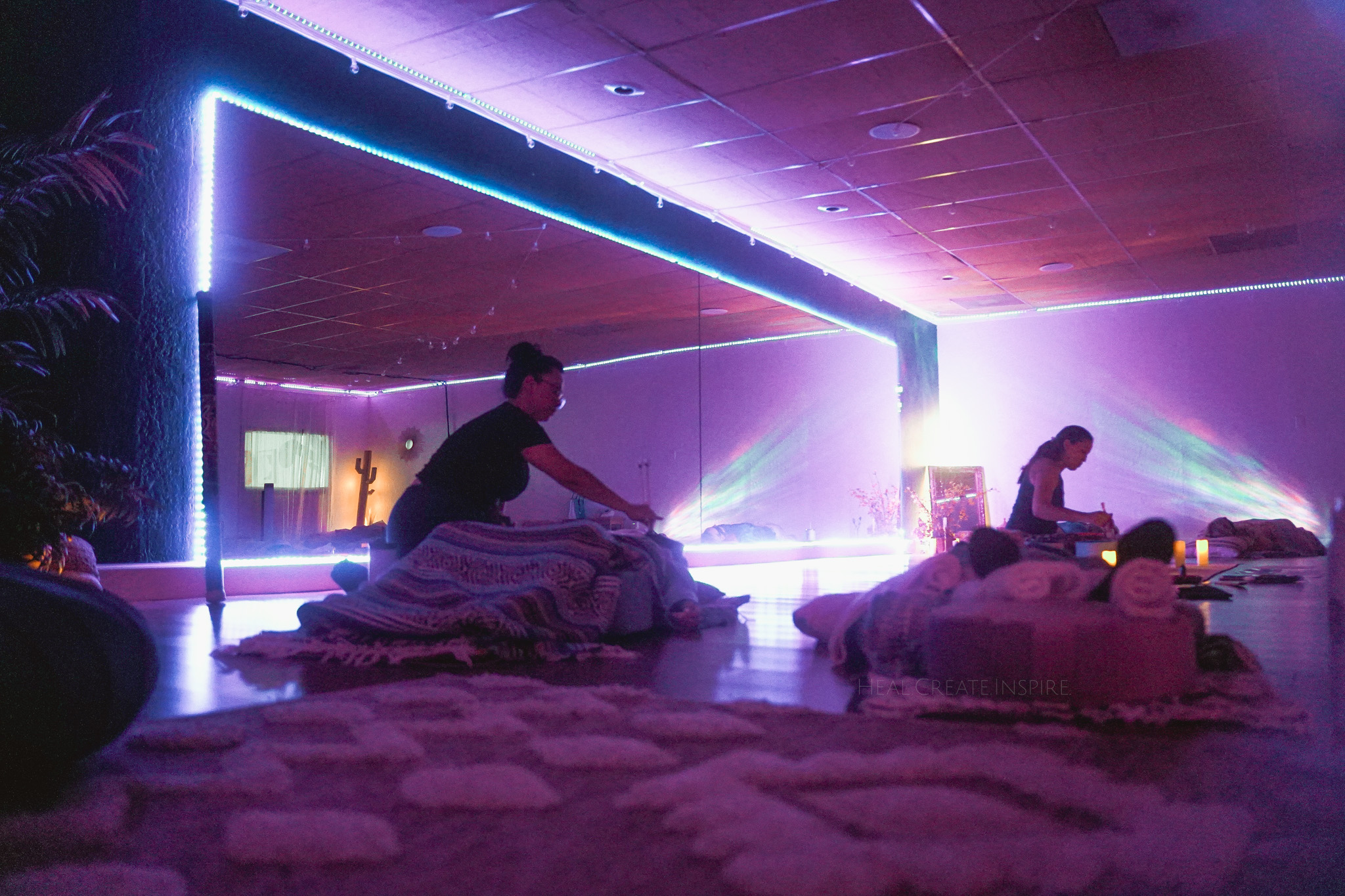
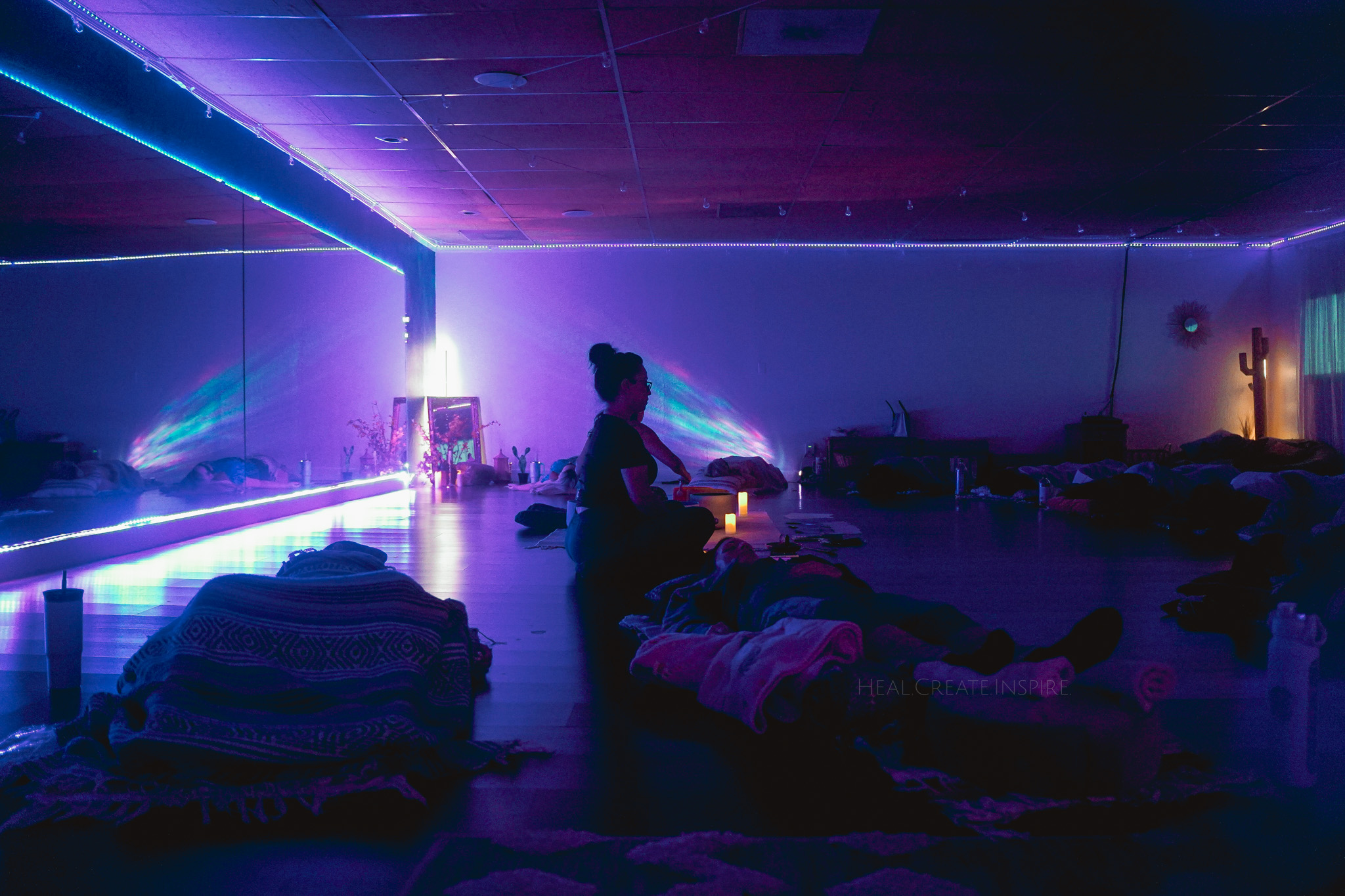
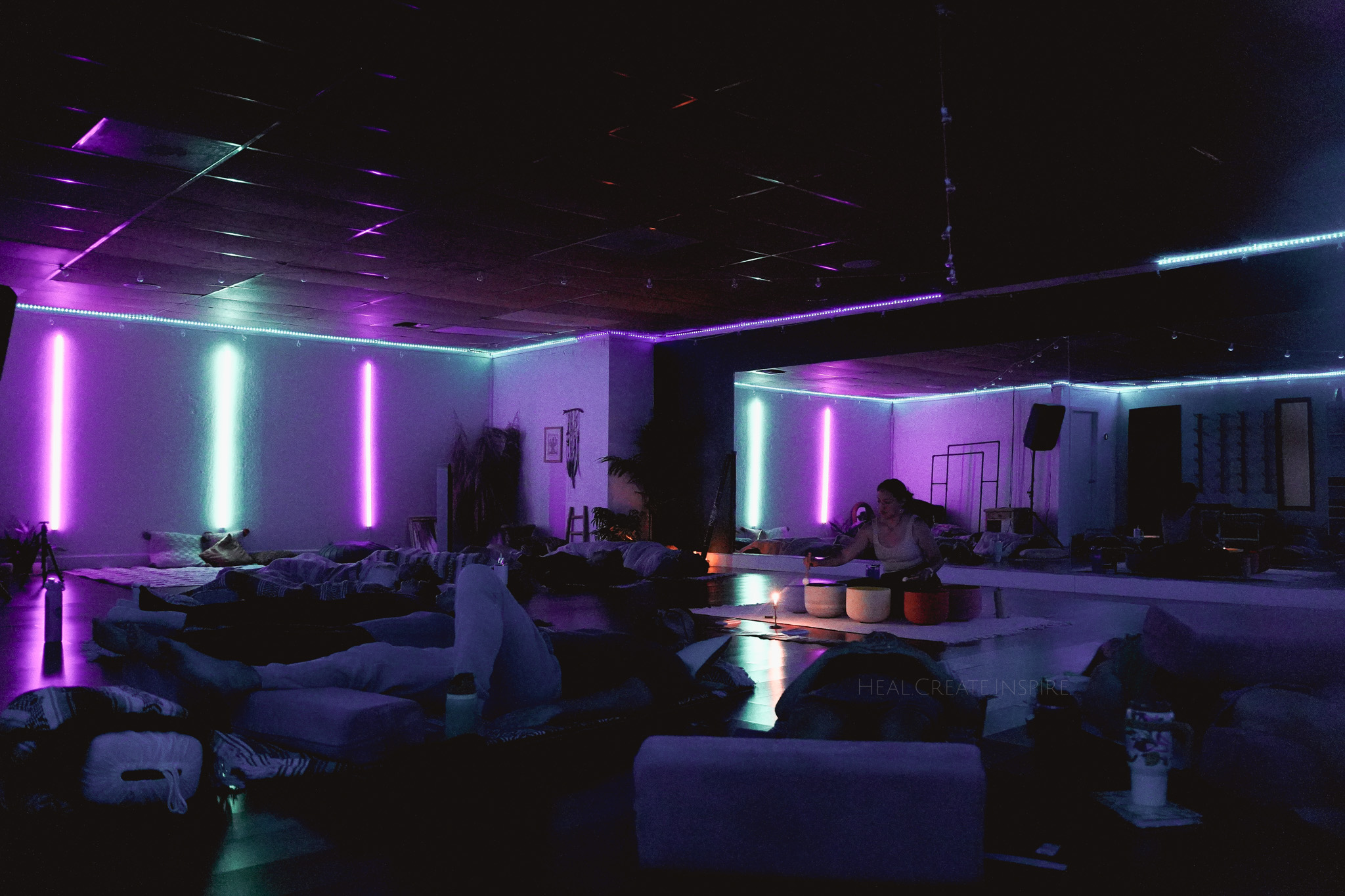
Nervous system support at work does not have to mean something complicated or clinical. Often, it looks like creating conditions where employees can pause, slow down, and reconnect with themselves in simple and practical ways. Breathwork can help people notice how they have been holding themselves physically. Meditation can create mental spaciousness and support a calmer inner pace. Gentle movement can help release tension that has accumulated from stress and sitting. Sound healing can offer a restorative environment for people who feel overstimulated. Reflective practices can help employees recognize earlier when their system is reaching capacity.
What matters most is not only the modality itself, but the intention behind it. Employees need experiences that feel accessible, grounded, and sincere. They need support that does not ask them to perform wellness, but invites them to come back into relationship with their own body and internal state. When that happens, workplace wellness becomes much more than a break in the day. It becomes an opportunity for restoration and reconnection.
For regulation
Breathwork, meditation, and nervous system-aware practices can help employees settle out of chronic tension and internal urgency.
For awareness
Mindfulness and reflection can help people recognize when they are carrying more than they realized and respond earlier with care.
For culture
Shared wellness experiences can support calmer communication, stronger connection, and a more grounded team environment.
Why this matters for leaders, teams, and workplaces
If employees are being asked to work, communicate, problem-solve, and collaborate from systems that are already overloaded, then support cannot only be about efficiency. It has to include the human foundation underneath all of that. People need enough support to feel steady in themselves. They need enough room to notice when they are not. They need workplaces that understand that emotional regulation, physical tension, focus, communication, and connection are all linked much more closely than most people realize.
This is one reason we believe meaningful workplace wellness is not extra. It is one part of what helps a workplace become more humane, more connected, and more sustainable. Employees do not only need stress relief. They need support that helps their system remember what steadiness feels like.
Nervous system support matters at work because employees do not only need help doing more. They need support that helps them feel more grounded while doing what they are already carrying.
So why do employees need nervous system support at work?
They need it because workplace stress does not remain in the mind alone. It affects the body, emotions, focus, communication, and the overall tone of the team environment. When employees are given space to regulate, reconnect, and notice what their system has been holding, they often become more able to work, communicate, and relate from a steadier place.
Workplace wellness becomes more meaningful when it includes this kind of support. It helps people feel less braced, less disconnected, and less alone in what they have been carrying. From there, a healthier workplace culture becomes more possible.
The goal is not perfection. It is not to create a workplace where no one ever feels stress. It is to create a workplace where support is real enough that people do not have to carry everything in silence and strain.