12 August 2026
Why Employees Need Slower Wellness Practices, Not Just More Productivity Tools
Many workplaces are constantly looking for ways to help employees get more done. New systems, apps, processes, dashboards, automation tools, communication platforms, and productivity methods can all be useful. They can help organize work, clarify priorities, and reduce unnecessary confusion when used well.
But productivity tools do not address everything employees are carrying. A calendar can organize meetings, but it cannot teach the body how to recover from constant urgency. A task management system can track deadlines, but it cannot help someone notice shallow breathing, tight shoulders, emotional overload, or the pressure that follows them after work.
Employees need slower wellness practices because the modern workplace does not only create logistical demands. It creates physical, emotional, and nervous system demands that require care, recovery, presence, and practices that help people return to themselves.
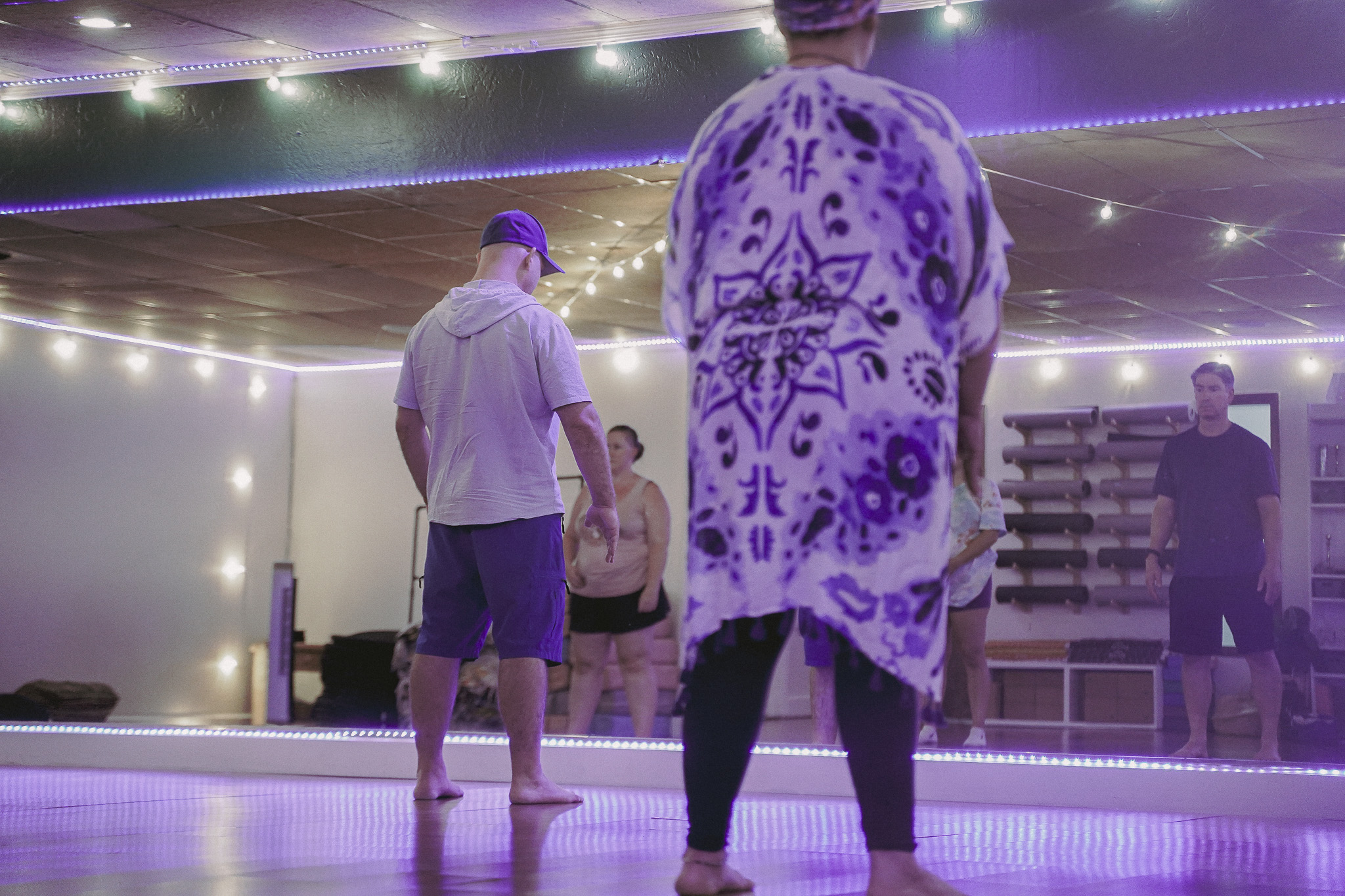
Slower wellness practices can help employees reconnect with breath, body, grounding, and presence in a work culture that often rewards constant speed.
Slower wellness practices may support employees by helping them:
Move beyond productivity and into real body-based support.
- Slow down mental rushing
- Notice stress in the body
- Practice breath awareness
- Reconnect after screen-heavy work
- Create space before reacting
- Transition out of productivity mode
- Build sustainable stress management habits
Productivity tools can help organize work, but they cannot regulate the body
Productivity tools can be helpful when a workplace needs better organization. A clear system can reduce confusion, improve communication, track responsibilities, and help employees understand what needs to happen next. When work is disorganized, tools can make a meaningful difference.
But productivity tools have limits. They are designed to manage tasks, not bodies. They can remind someone what is due, but they cannot help the body process the stress of constant deadlines. They can create more structure, but they cannot automatically create emotional recovery, nervous system support, or physical ease.
This is where many workplace wellness efforts need to evolve. Employees are not only struggling because they lack the right app, system, or strategy. Many are struggling because their bodies are carrying too much speed, tension, pressure, and mental load without enough recovery. Slower wellness practices help address the human side of work that productivity tools cannot reach.
Productivity tools can organize the workload, but they cannot replace the body’s need for rest, breath, movement, and recovery.
Employees are not machines that only need better systems
Modern workplaces often operate as if better systems will solve every problem. Better workflows, better platforms, better calendars, better tracking, better communication channels, and better performance metrics can all matter. But employees are not machines that simply need more efficient programming.
Employees are human beings with nervous systems, emotions, bodies, energy levels, relationships, responsibilities, and lives outside of work. They can care deeply about their jobs and still feel exhausted. They can be productive and still be overwhelmed. They can meet deadlines and still feel disconnected from themselves.
When workplaces focus only on productivity, they risk missing the deeper question: how are people actually doing while they are producing? Slower wellness practices bring that question back into the room. They remind organizations that wellbeing is not only about output. It is also about the human experience behind the output.
Employees do not only need tools that help them do more. They need practices that help them feel human while they work.
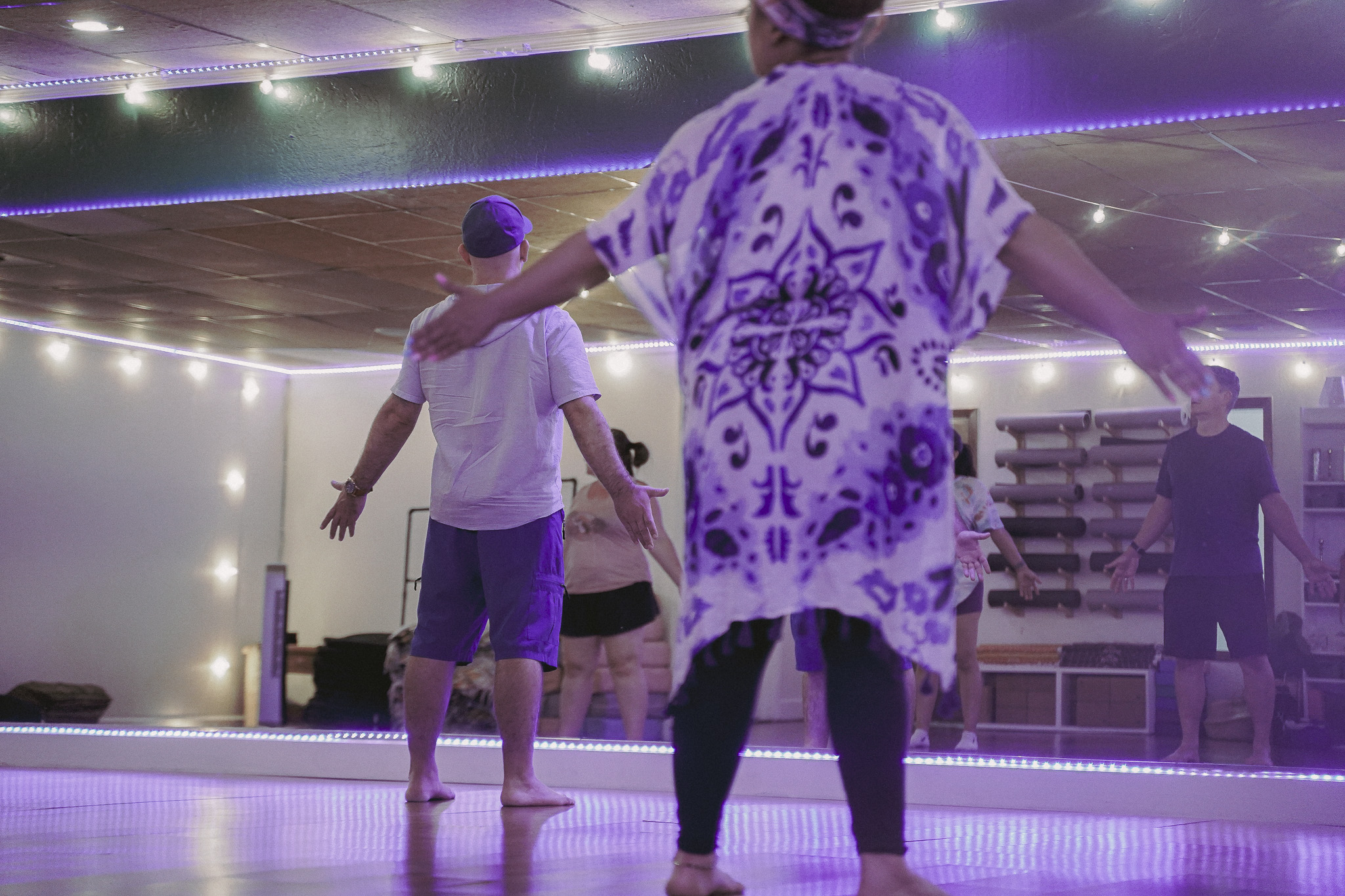
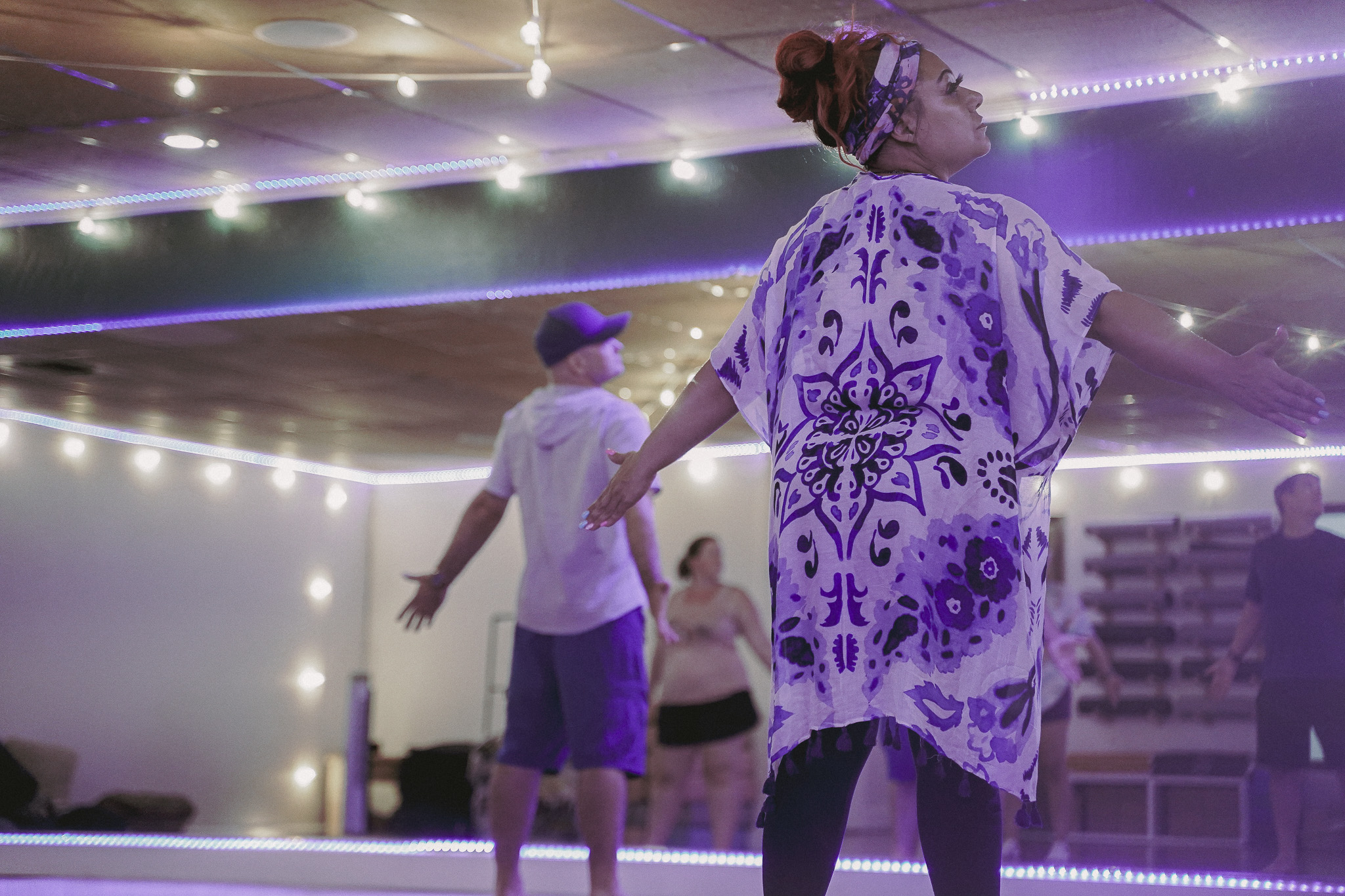
Slower wellness practices help employees notice stress earlier
Stress often builds before employees fully realize how much they are carrying. A person may move through meetings, emails, deadlines, and responsibilities while ignoring shallow breathing, tight shoulders, jaw tension, fatigue, irritability, or the feeling of being unable to settle.
Slower wellness practices create space for employees to notice. Practices like Tai Chi, meditation, breathwork, sound healing, gentle yoga, Reiki, and somatic movement invite the body to become part of the conversation. Instead of only asking, “What needs to get done?” these practices ask, “What is happening in the body while everything is getting done?”
This kind of awareness matters because employees cannot care for what they have not noticed. When stress is recognized earlier, there may be more opportunity to pause, communicate, ask for support, adjust expectations, or use small practices before stress becomes full depletion.
Slower wellness practices help employees hear the body before the body has to get louder.
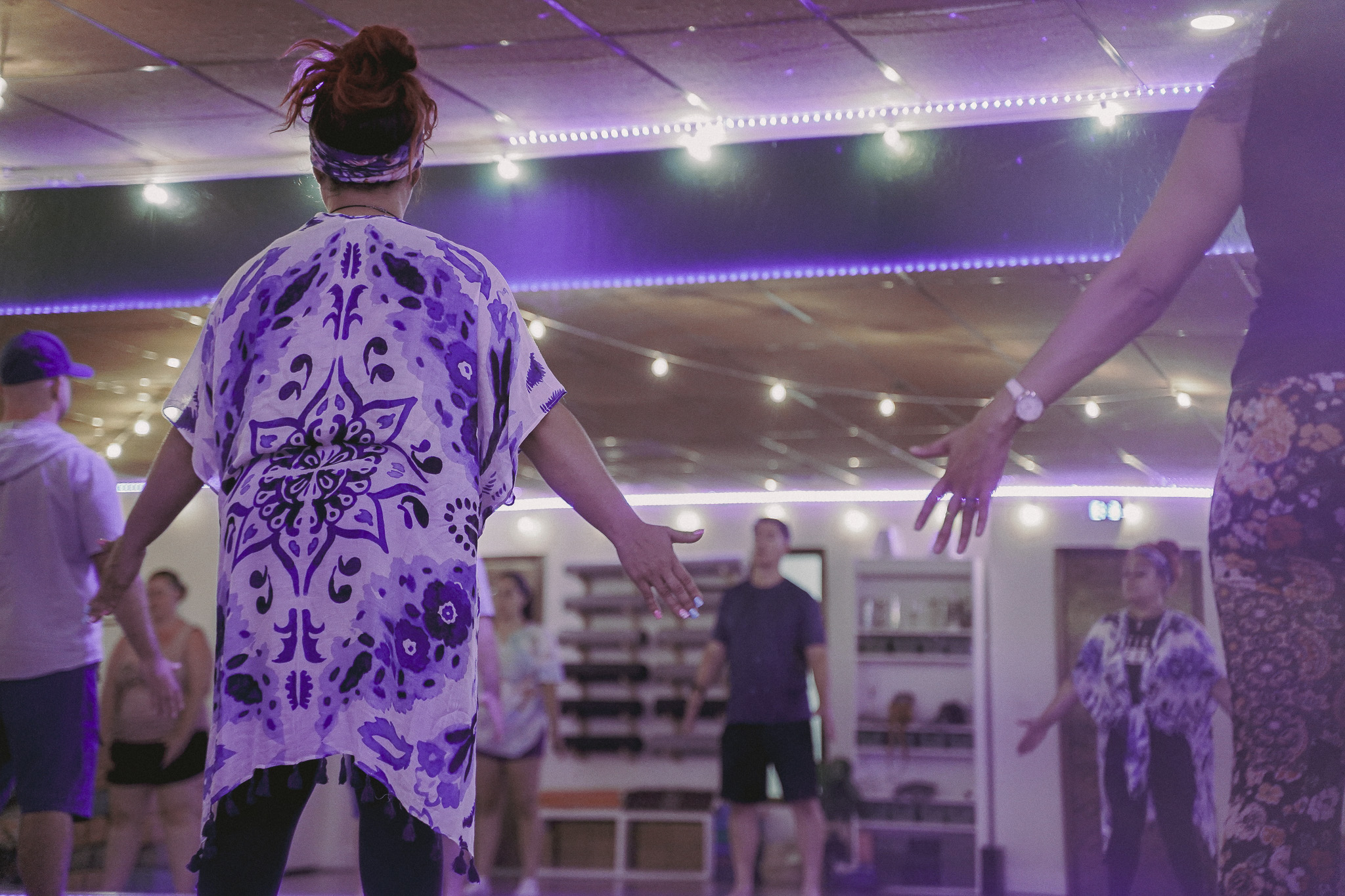
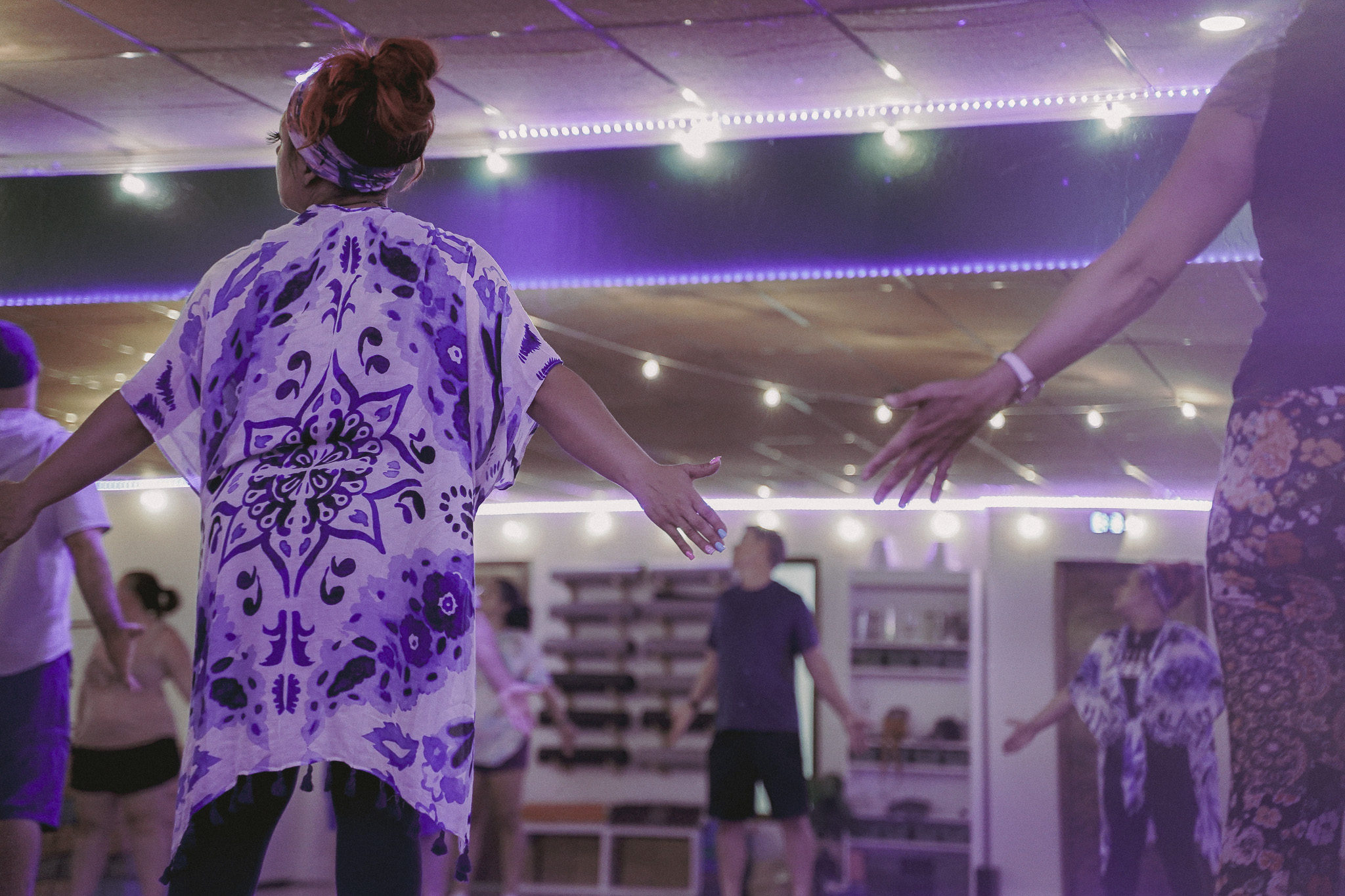
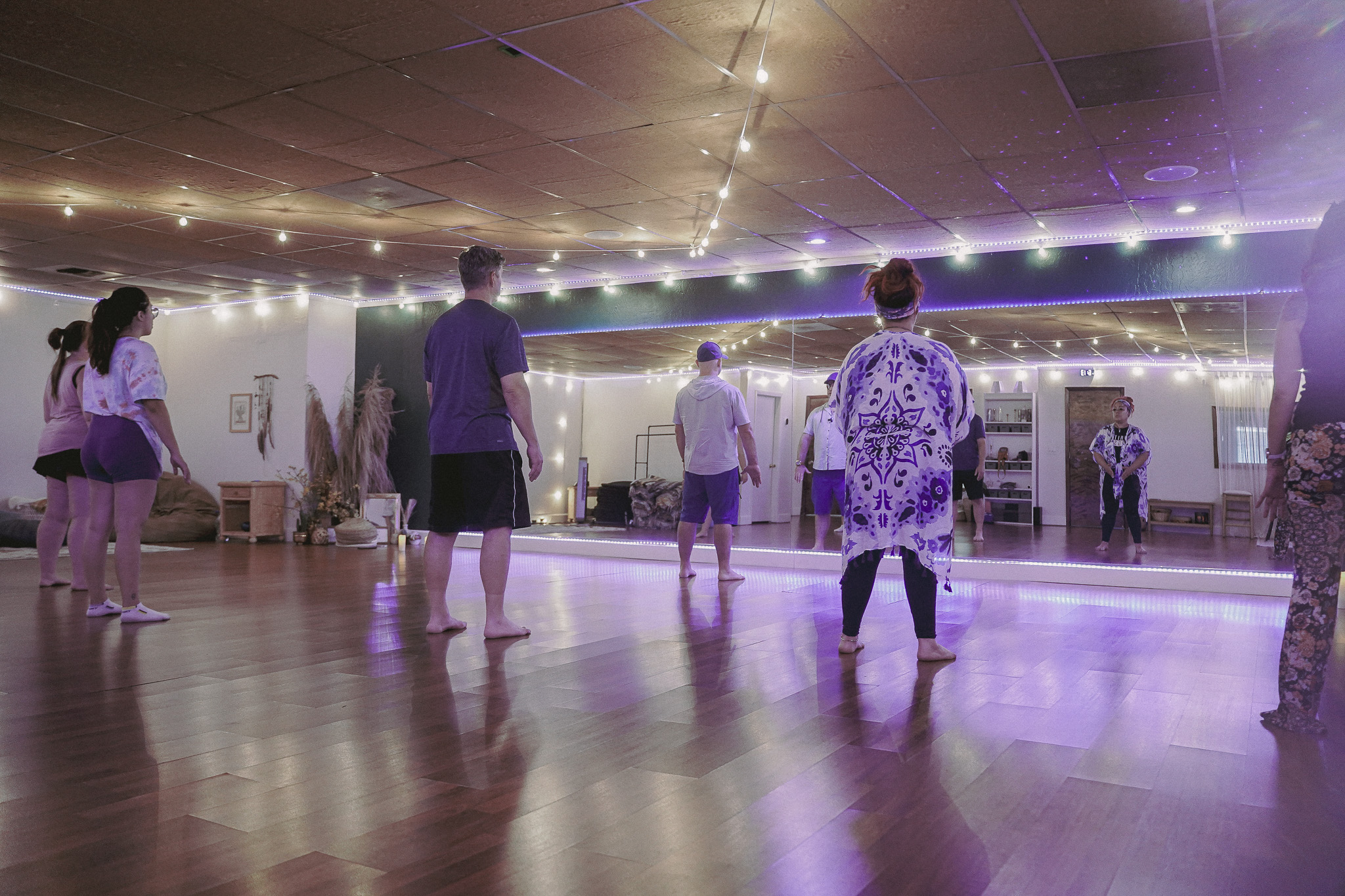
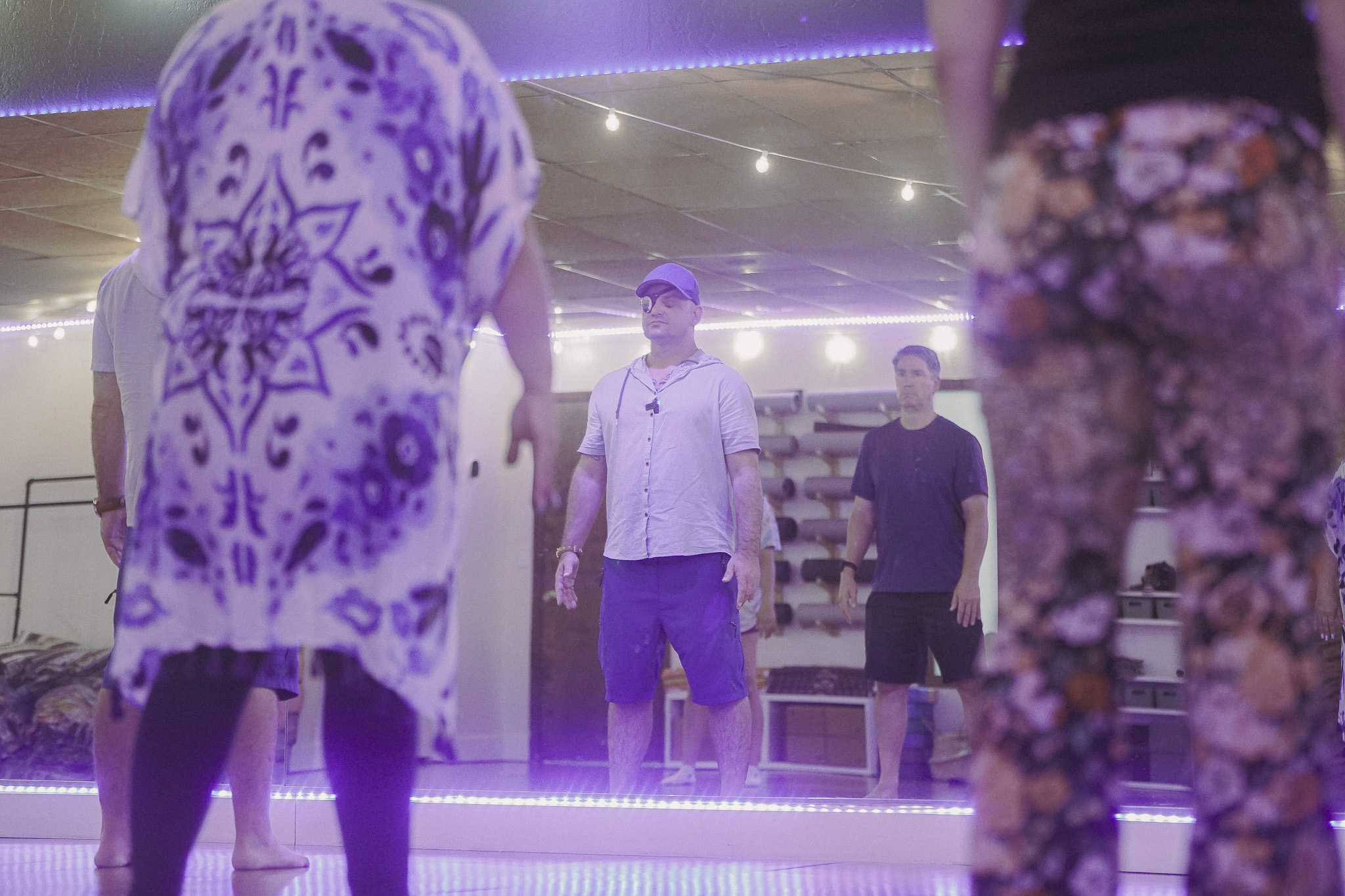
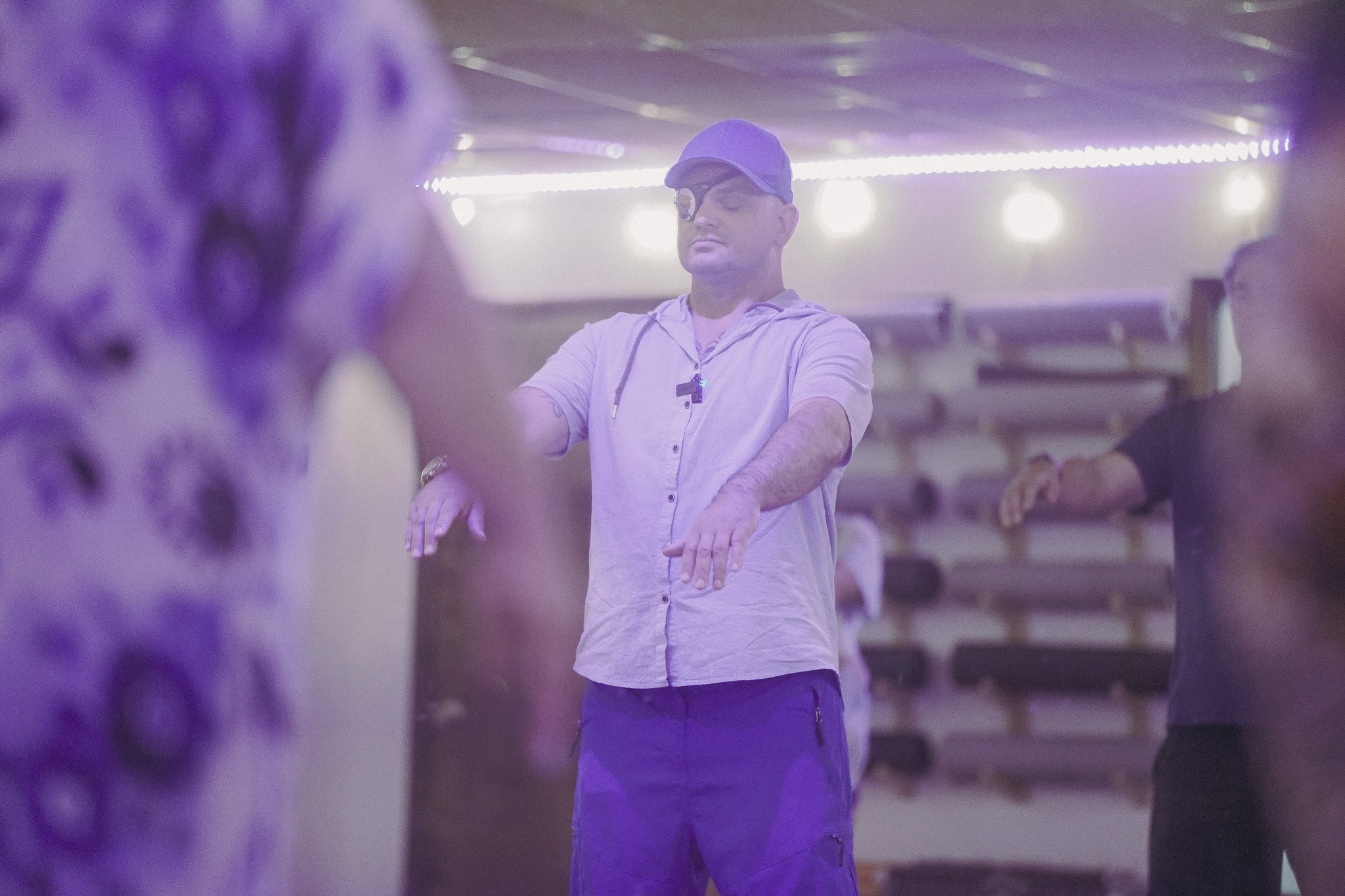
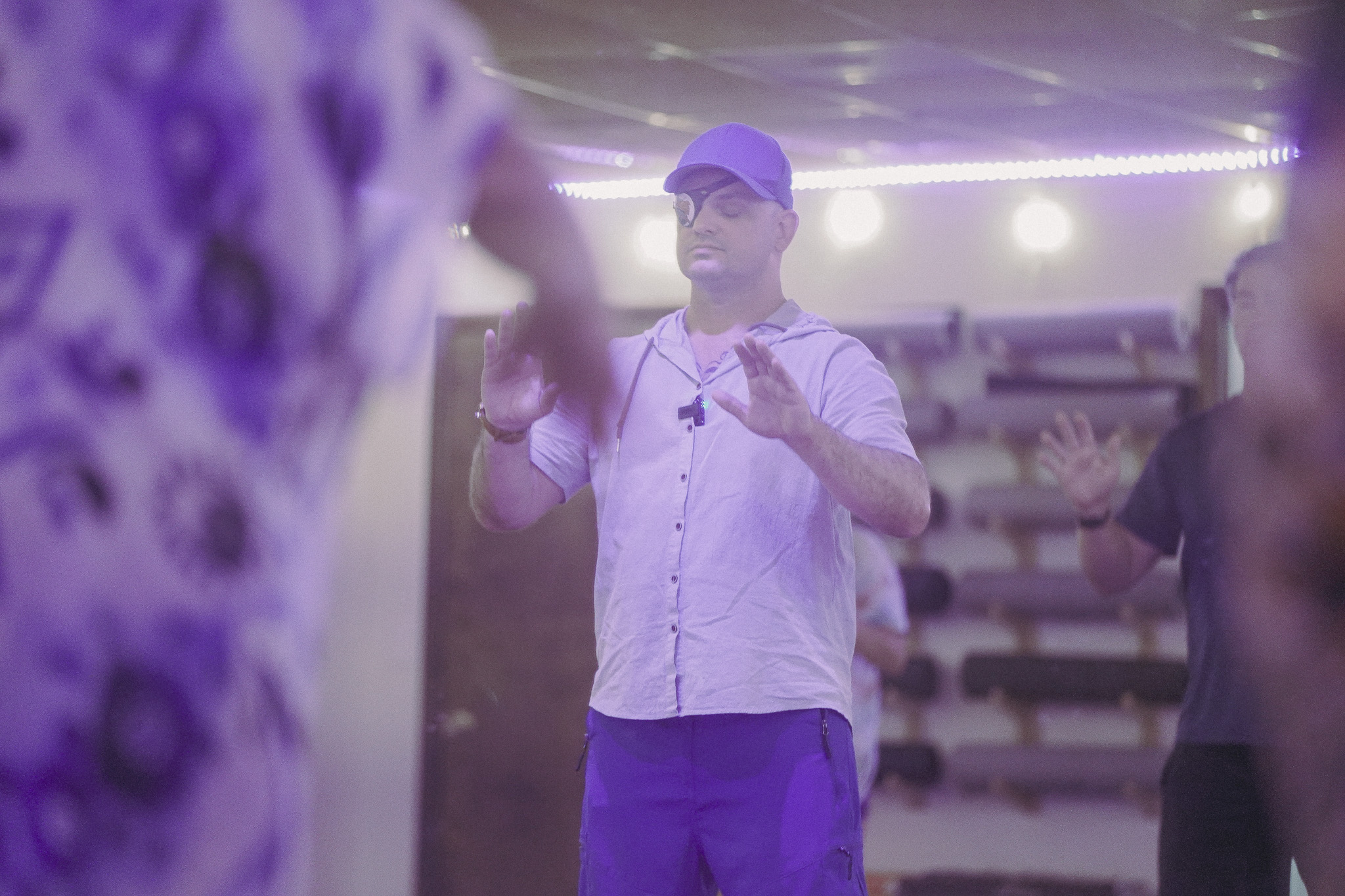
Practices like Tai Chi can help employees notice breath, posture, tension, fatigue, and mental rushing before stress becomes harder to ignore.
Tai Chi is an example of slower wellness that supports real workday stress
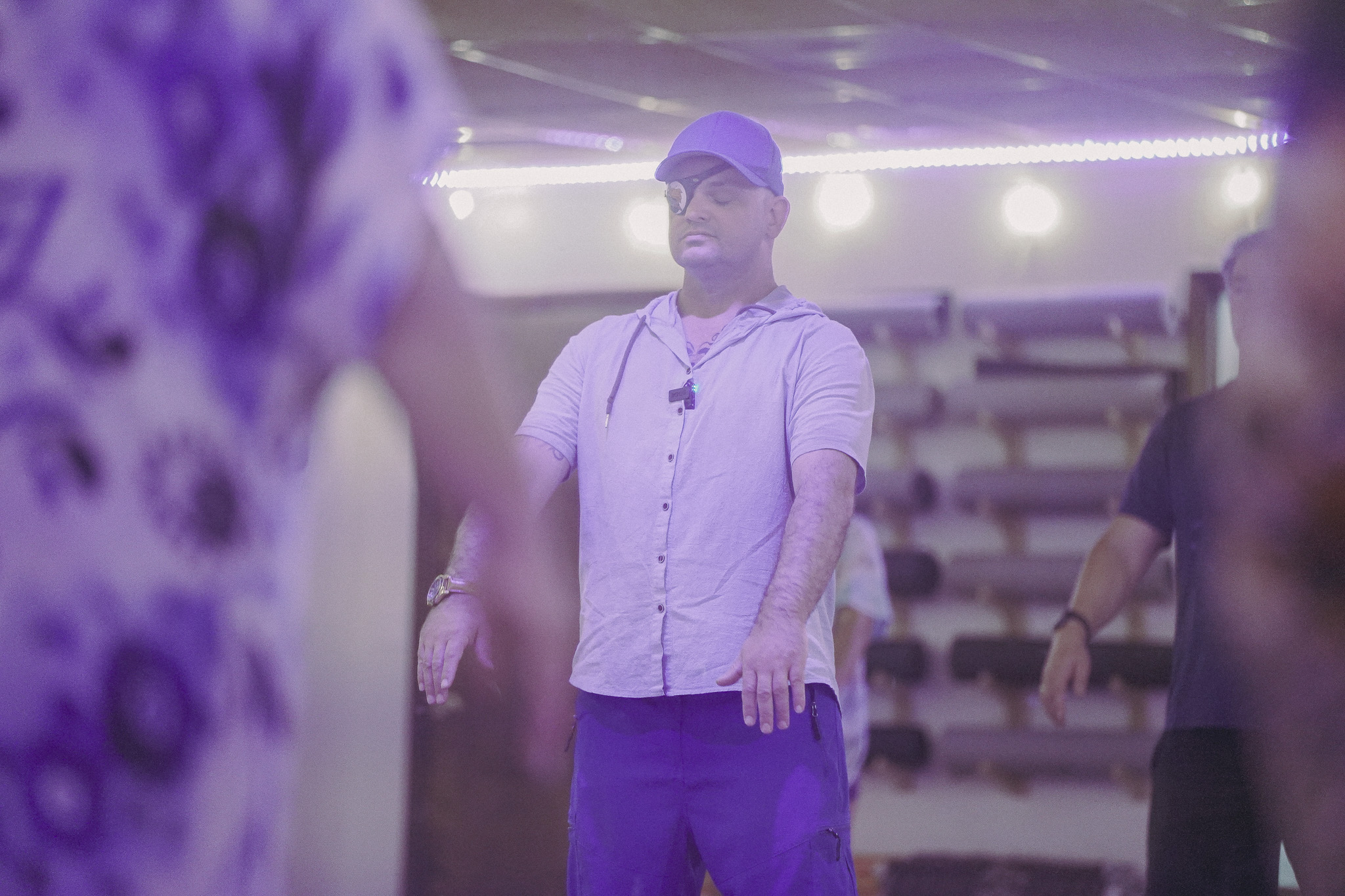
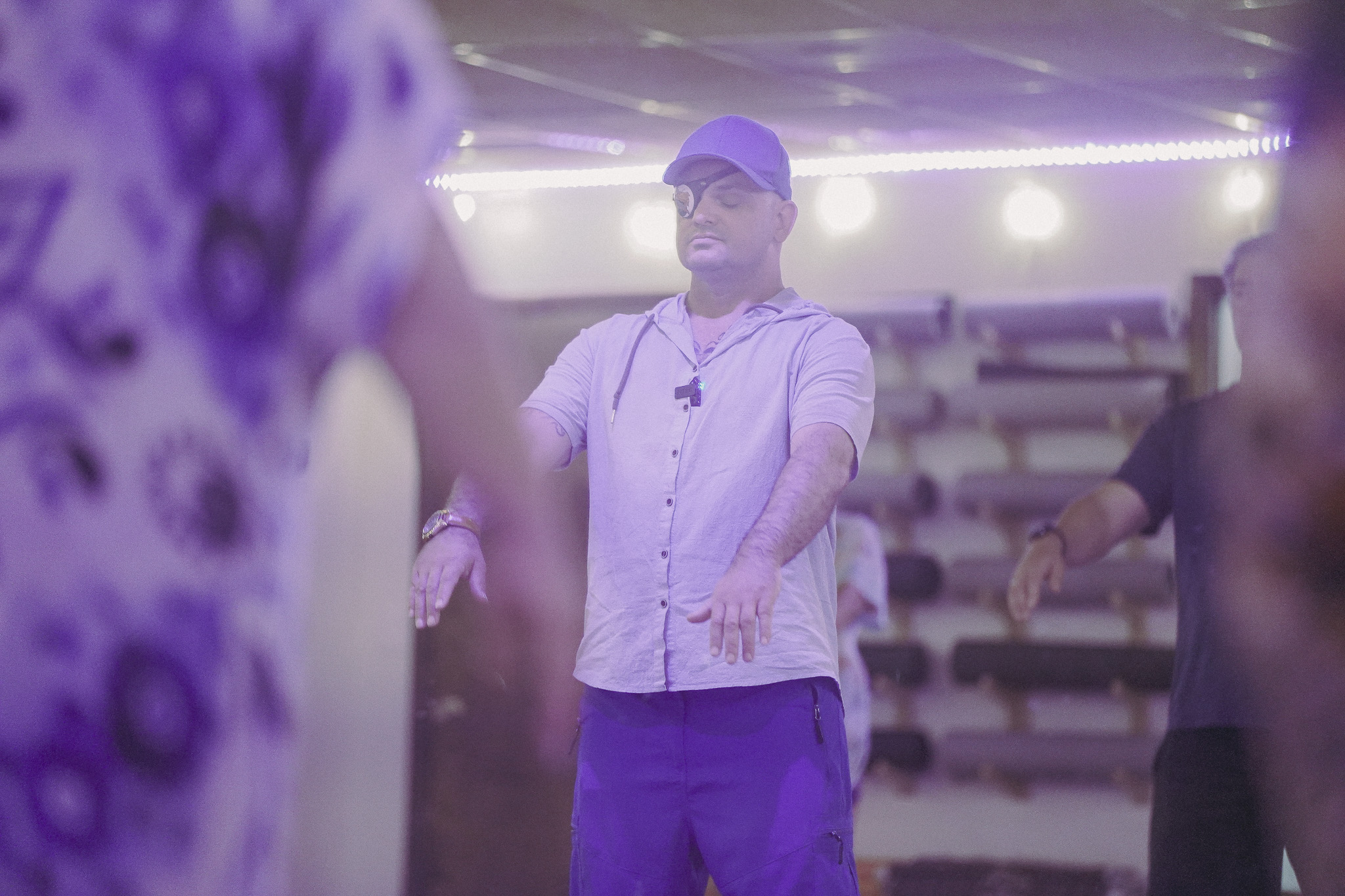
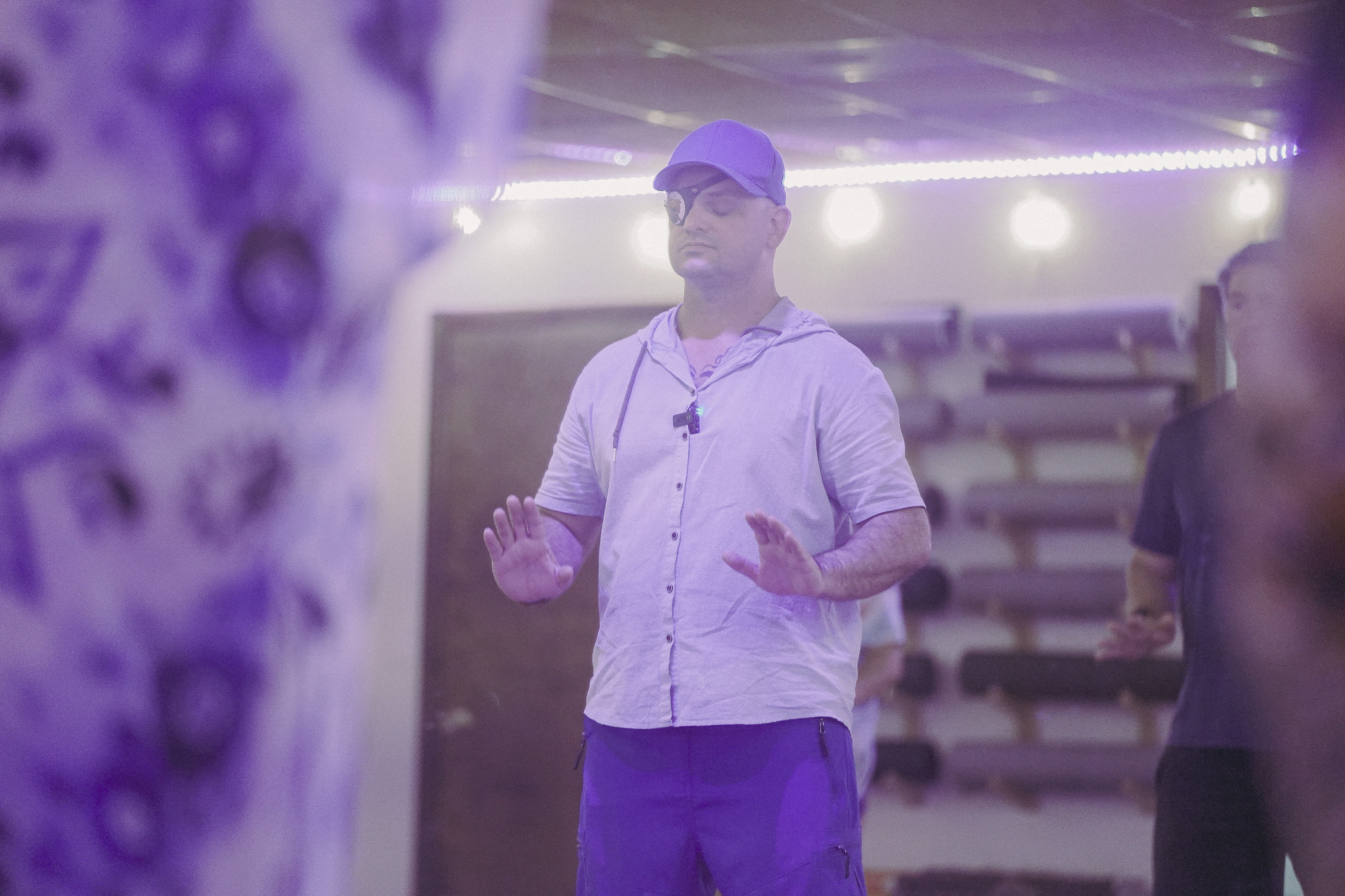
Tai Chi is a gentle, intentional movement practice that combines breath awareness, grounding, posture, balance, and focused attention. In the workplace, Tai Chi can give employees a practical way to slow down without needing to sit in silence or participate in high-intensity movement.
This is important because many employees need support that feels accessible. Some may not want a fitness-based wellness challenge. Others may struggle with seated meditation because their minds feel too busy. Tai Chi offers a middle path by allowing the body to move while attention becomes more grounded.
Through slow movement, employees can practice focus, patience, emotional regulation, and body awareness. They may notice when they are rushing, holding breath, bracing the shoulders, or moving from urgency. These observations can become useful during meetings, communication, transitions, and stressful workday moments.
Tai Chi supports workplace wellness because it gives employees a slower rhythm they can feel, not just another idea they are supposed to understand.
Breath Awareness
Employees can notice when stress changes the breath and use that awareness as a cue to pause.
Grounding
Feeling the feet and posture can help employees return to the present during pressure.
Slow Movement
Moving slowly helps interrupt the body’s habit of rushing through every transition.
Focused Attention
The practice gives busy minds one physical pathway to follow and return to.
Slower practices help employees transition out of productivity mode
One of the hidden challenges of modern work is that many employees do not know how to transition out of productivity mode. Even after a meeting ends, the body may stay alert. Even after the workday is over, the mind may continue reviewing unfinished tasks, conversations, and responsibilities.
Productivity tools can help employees know what needs to happen next, but they do not always help the body know when it is allowed to slow down. Slower wellness practices create a different signal. They invite employees to stop producing for a moment and start noticing.
In Tai Chi, this transition happens through breath, posture, and movement. In sound healing, it may happen through rest and vibration. In meditation, it may happen through stillness and awareness. In breathwork, it may happen through conscious breathing. Each practice offers a different pathway out of constant output and back into presence.
Employees need moments where they are not being asked to optimize, improve, or produce, but are invited to breathe and return.
More productivity tools can sometimes become more noise
A new tool can be helpful when it solves a specific problem. But too many tools can also create more noise. Employees may have to check multiple platforms, manage more notifications, learn new systems, update more fields, and spend additional time proving that work is happening instead of having space to do the work with clarity.
When employees are already overwhelmed, another platform may not feel like support. It may feel like one more thing to manage. This does not mean tools are bad. It means workplace leaders need to understand the difference between support and overload.
Slower wellness practices offer a different kind of support because they are not designed to add more input. They are designed to reduce noise, simplify attention, and help people reconnect with what is happening in the body and the present moment.
Sometimes the most supportive workplace offering is not another tool to manage, but a moment where employees can finally stop managing everything.
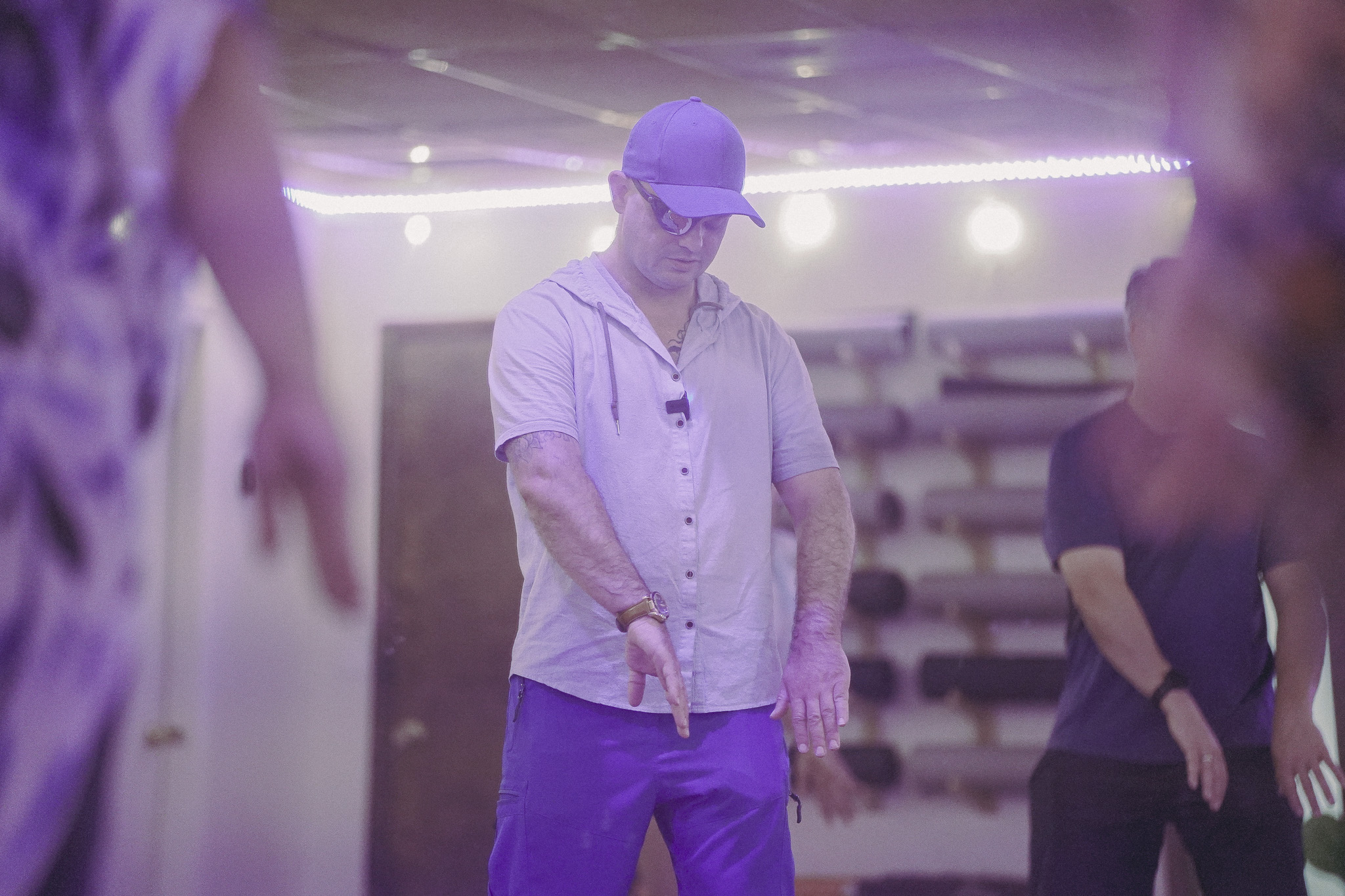
Slower wellness practices can help reduce mental noise by giving employees one simple place to return: breath, body, grounding, and presence.
Slower wellness supports emotional regulation at work
Workplace stress often affects emotional regulation. Employees may become more reactive when they are tired, rushed, or overwhelmed. A difficult message may feel more personal. A tense meeting may stay in the body for hours. A small misunderstanding may create a larger emotional response because the nervous system is already under pressure.
Slower wellness practices help by creating space between what someone feels and how they respond. In Tai Chi, that space is practiced through slow transitions and breath. In meditation, it is practiced through observation. In breathwork, it may be practiced through awareness of breathing patterns. In sound healing or Reiki, it may be practiced through rest and receptivity.
These practices do not remove every workplace emotion, and they should not be used to suppress valid concerns. Instead, they can help employees notice emotion in the body, regulate before responding, and communicate from a more grounded place when possible.
Emotional regulation is not about pretending stress is not there. It is about creating enough awareness to choose the next response with more care.
Slower wellness practices can improve the quality of team connection
Teams do not connect only through meetings, projects, and shared goals. They also connect through the emotional climate of the workplace. When people are rushed, tense, or constantly overwhelmed, connection can become transactional. Communication may become shorter. Patience may decrease. People may begin to relate through urgency instead of presence.
Slower wellness practices can create shared moments where teams relate differently. A Tai Chi session, breathwork practice, sound experience, or guided meditation can help employees be in the same space without needing to perform, solve, or produce. This can remind people that they are working with human beings, not just roles.
Shared slowing down can support trust because it changes the pace of the room. It gives people an experience of being together without immediate output. For teams, this kind of shared presence can be deeply valuable.
Team connection grows when people have space to experience one another outside of urgency, performance, and constant productivity.
Slower does not mean less effective
Many workplace cultures associate speed with value. Fast responses, fast decisions, fast output, and fast growth are often celebrated. While speed has a place, constantly moving quickly can make employees less aware of the cost of that pace.
Slower wellness practices challenge the idea that effectiveness always has to look fast. A slow breath can prevent an unnecessary reaction. A short grounding practice can help someone enter a meeting with more presence. A gentle movement session can help employees notice tension before it becomes more difficult to manage. A quiet sound experience can help a team rest enough to return with more clarity.
Slowness is not the opposite of productivity. In many cases, slowness supports sustainability. It helps people recover, listen, reflect, regulate, and reconnect so they are not constantly operating from depletion.
Slower wellness practices are not about doing less work. They are about helping people stay connected enough to work in a more sustainable way.
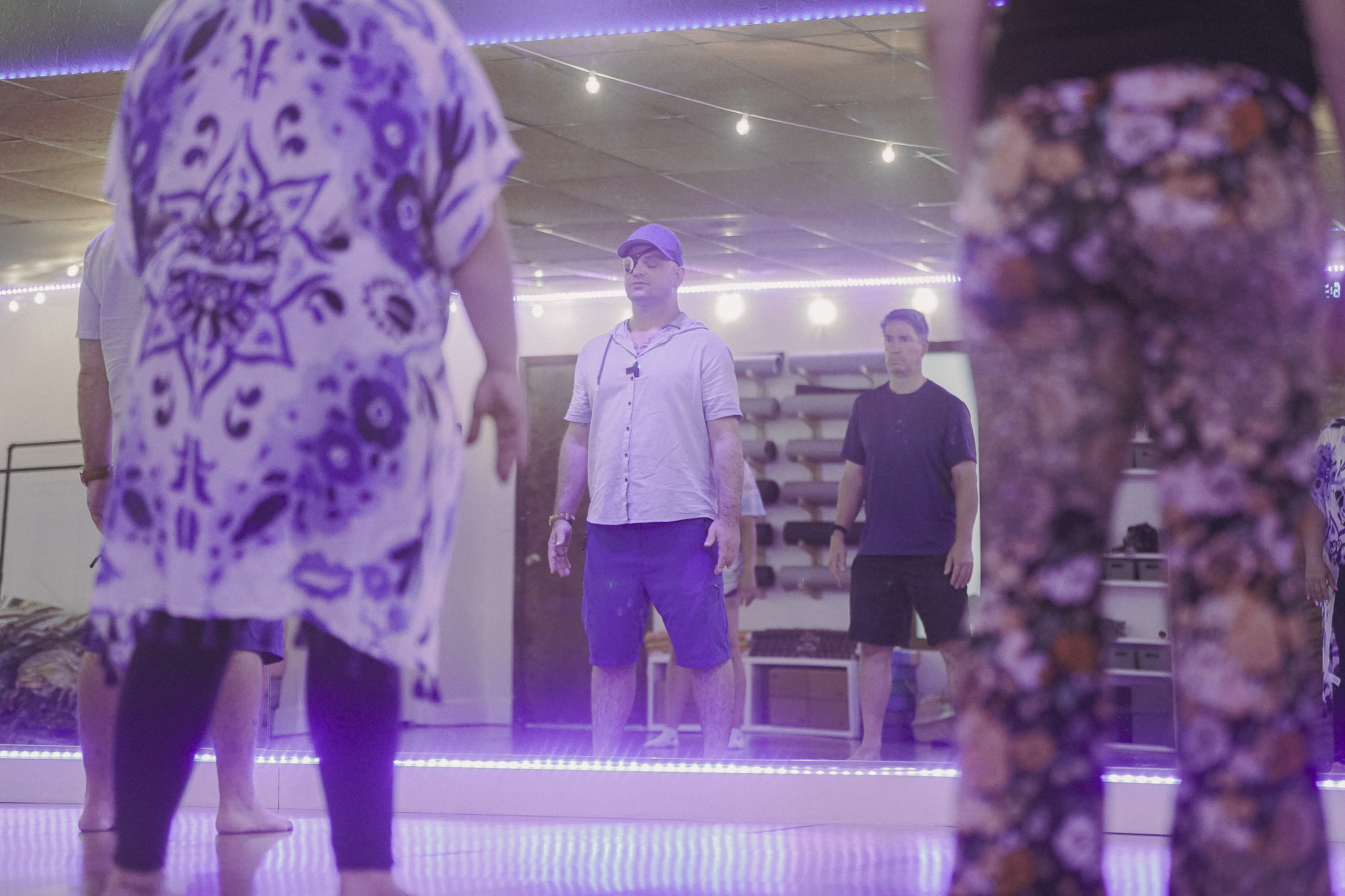
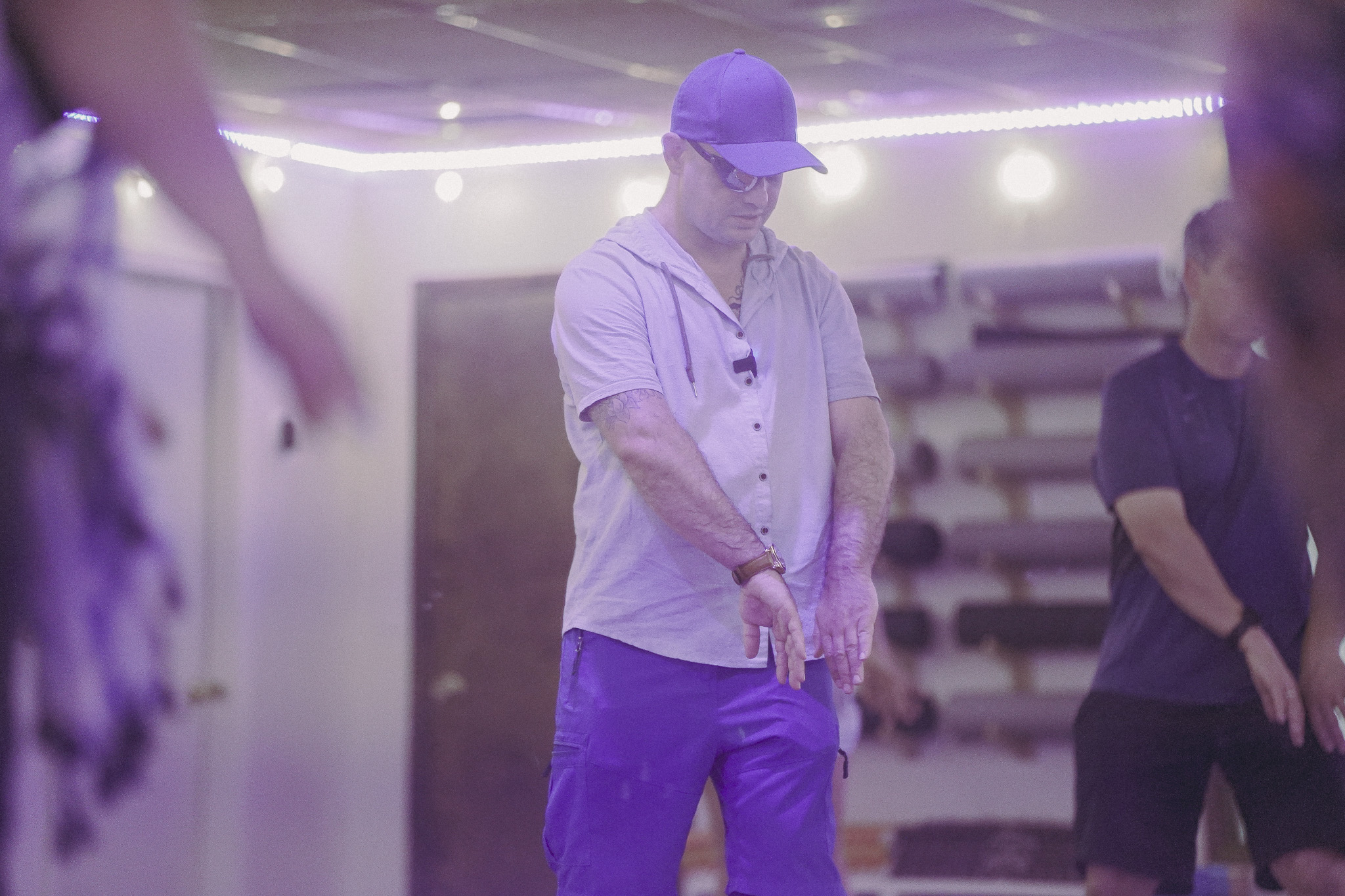
Slower practices can support sustainable focus, emotional regulation, stress awareness, and recovery in modern workplaces.
What slower workplace wellness can look like
Slower workplace wellness does not have to be complicated. It can be introduced through short, accessible experiences that help employees breathe, move, rest, reflect, and reconnect. The goal is not to overwhelm the team with wellness language or ask employees to become experts in a practice. The goal is to give them a real experience of support.
A slower wellness session might include Tai Chi-inspired movement, guided meditation, breath awareness, sound healing, Reiki, somatic grounding, nervous system education, journaling, or reflective team conversation. Each practice can be adapted to the needs of the workplace, the comfort level of the team, and the intention of the experience.
The most important part is that the practice gives employees permission to step out of constant output. It should create space to notice, breathe, slow down, and return to the body in a way that feels practical and accessible.
Tai Chi
Supports gentle movement, focus, grounding, posture awareness, and a slower team rhythm.
Meditation
Supports stillness, attention, reflection, and a more spacious relationship with thought.
Breathwork
Helps employees notice breathing patterns and explore the relationship between breath and stress.
Sound Healing
Offers a restful experience where employees can pause, receive, and let the body settle.
Slower wellness must be paired with healthier workplace systems
Slower wellness practices can be supportive, but they should not be used to cover up unhealthy workplace conditions. Employees should not be expected to meditate, breathe, stretch, or move gently so they can tolerate unrealistic workloads, poor communication, lack of psychological safety, unclear expectations, or cultures that reward constant overextension.
Real workplace wellness requires both individual support and organizational responsibility. Practices like Tai Chi and meditation can help employees regulate and recover, but leaders also need to examine the systems creating stress in the first place.
When slower wellness practices are paired with healthier leadership, clearer communication, realistic expectations, and genuine care, they can become part of a more meaningful workplace wellbeing strategy.
Slower wellness practices are strongest when they are paired with workplace systems that actually support people.
Slower wellness practices are not a replacement for professional care
Slower wellness practices like Tai Chi, meditation, breathwork, sound healing, Reiki, yoga, and somatic movement can support stress relief, mindfulness, grounding, body awareness, emotional regulation, focus, rest, and team connection. However, they are not a replacement for medical care, therapy, medication, psychiatric support, trauma-informed treatment, employee accommodations, crisis services, leadership development, conflict resolution, or healthy workplace systems.
If employees are experiencing significant distress, panic, depression, trauma symptoms, thoughts of self-harm, severe burnout, persistent pain, or difficulty functioning, support from qualified professionals may be necessary. Employers should take these needs seriously and connect employees with appropriate resources.
Mind-body practices can be supportive, but they should not be used to avoid addressing deeper workplace conditions or professional care needs. They are most effective when they are part of a broader culture of support, prevention, care, and accountability.
Slower wellness practices can support employees, but they should never replace professional care, healthy systems, or meaningful organizational responsibility.
Slower workplace wellness with The Healing Tree Collective
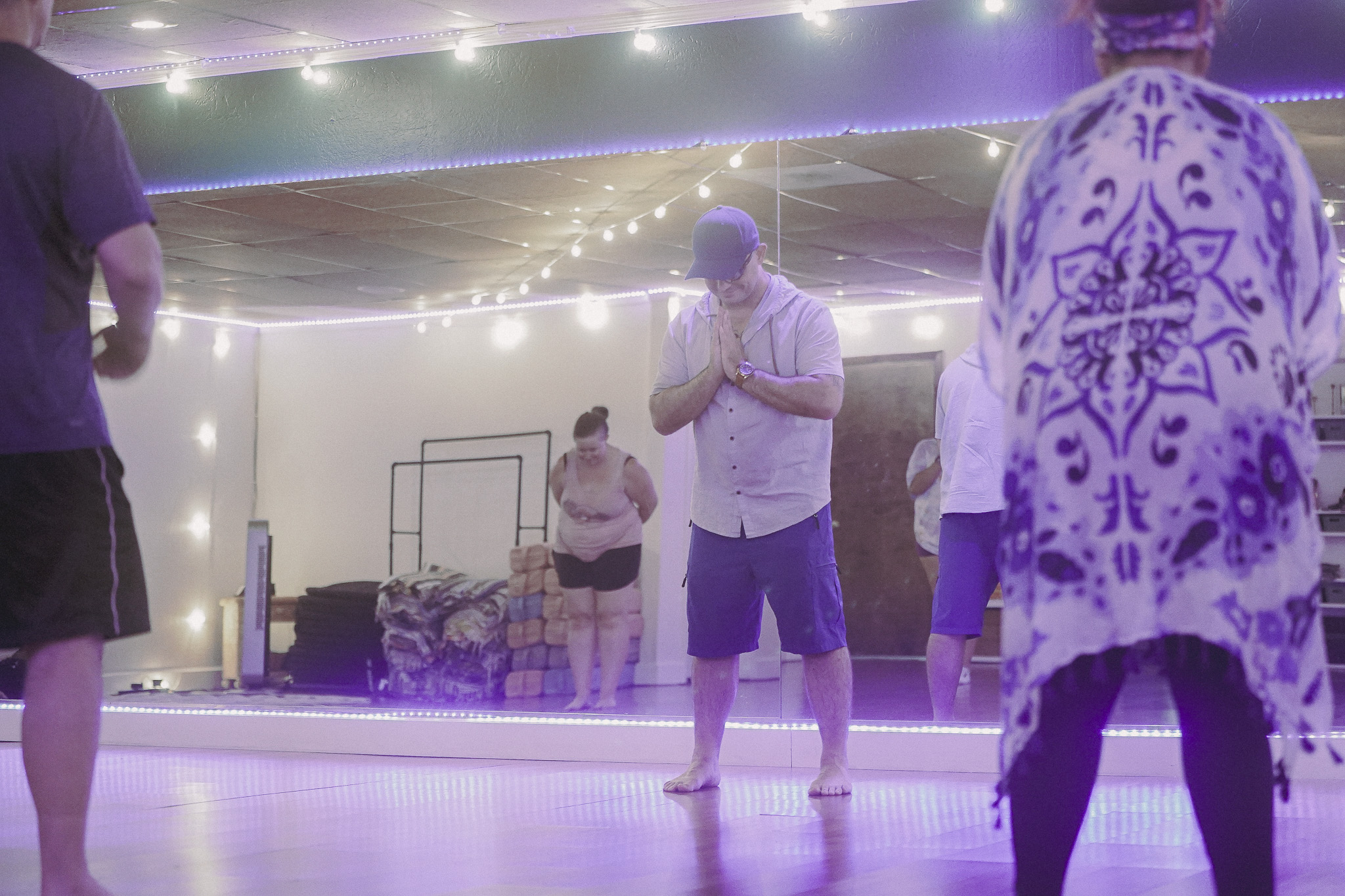
At The Healing Tree Collective, we support workplaces that want to care for their teams in a more human and practical way. Our workplace wellness experiences are designed to help employees slow down, reconnect with their bodies, understand stress in plain language, and experience supportive practices that can translate into daily work life.
We offer wellness experiences that may include Tai Chi, meditation, breathwork, sound healing, Reiki, nervous system education, grounding practices, and reflective team conversations. Each offering can be customized based on the needs of the team, the workplace environment, and the intention of the session.
Our approach is rooted in the belief that employees need more than tools that help them produce. They need experiences that help them breathe, reset, feel supported, and return to themselves as whole people.
At The Healing Tree Collective, workplace wellness is about helping teams return to the human being behind the role, the inbox, the meeting, the deadline, and the productivity metric.
Final thoughts: employees need support that moves at a human pace
Productivity tools can help workplaces organize work, clarify tasks, and improve systems. But employees need more than better systems. They need practices that help the body slow down, the breath return, the mind settle, and the person behind the role feel supported.
Slower wellness practices like Tai Chi, meditation, breathwork, sound healing, Reiki, and gentle movement remind teams that wellbeing is not only about doing more. It is also about recovering, noticing, reconnecting, and creating space for the human experience of work.
In a workplace culture that often rewards speed, slower practices can become a powerful form of care. They invite employees to return to the body, return to presence, and remember that sustainable work requires more than productivity. It requires humanity.
Employees do not only need tools that help them produce more. They need practices that help them breathe, slow down, and return to themselves while they work.
Looking for slower workplace wellness experiences for your team?
The Healing Tree Collective offers workplace wellness experiences designed to support stress relief, mindfulness, grounding, nervous system education, body awareness, team connection, and practical tools for busy workdays. If your team is curious about Tai Chi, meditation, breathwork, sound healing, Reiki, or a customized wellness session, we would love to help you create an experience that feels supportive and practical.
We bring a human approach to workplace wellness because teams need more than productivity tools. They need space to breathe, slow down, reconnect, and remember the people behind the roles.