21 June 2026
Why Slowing Down Can Be One of the Hardest Parts of Healing
Slowing down sounds simple until your body actually has to do it.
Many people know they need rest. They know they are tired. They know they are stressed, overwhelmed, disconnected, or carrying more than they can keep pushing through. But when they finally try to slow down, something uncomfortable can happen.
The body may resist the quiet. The mind may get louder. Emotions may rise. Rest may feel unfamiliar. And suddenly, slowing down does not feel peaceful.. it feels hard.
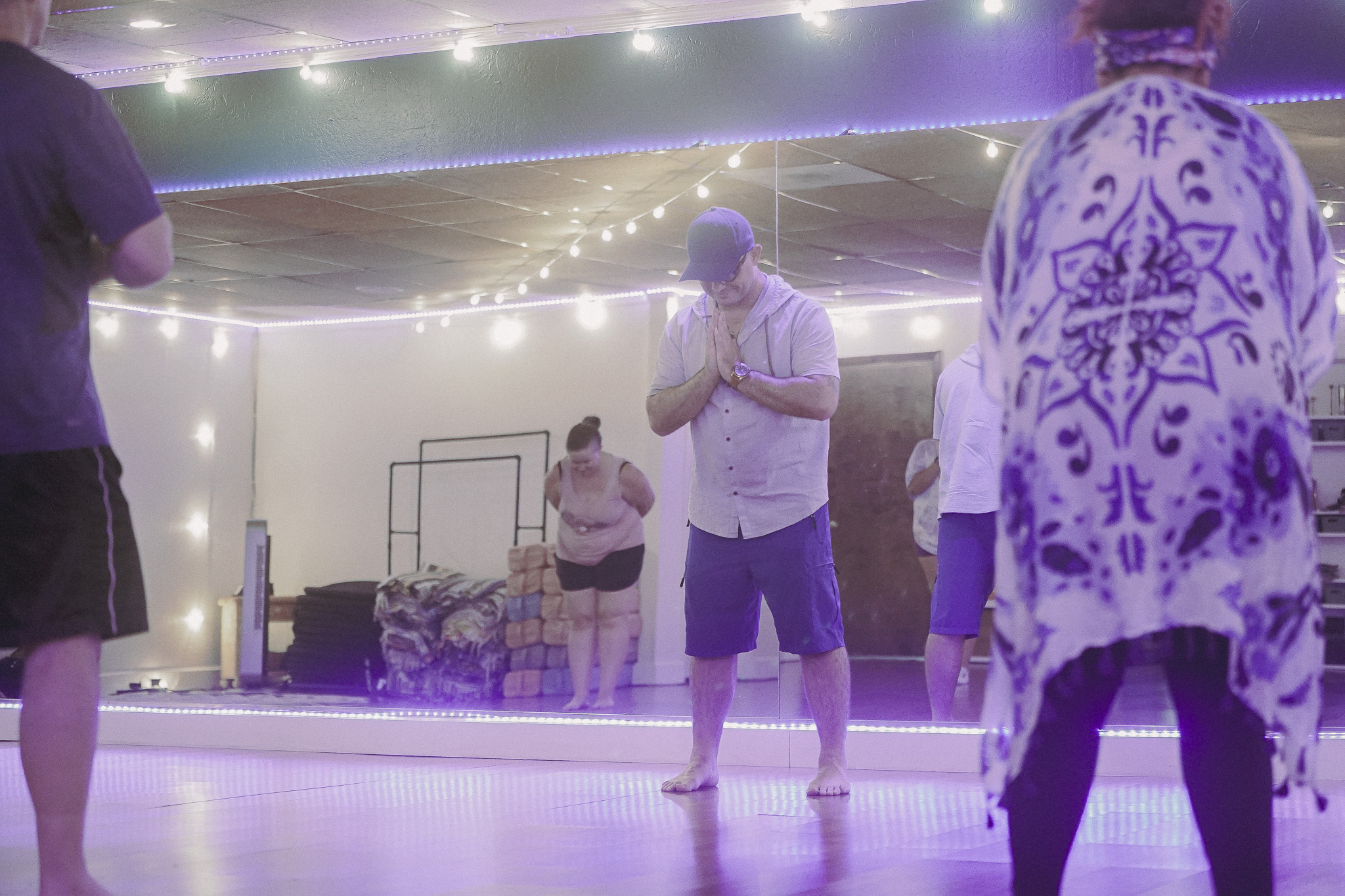
Slowing down can reveal what the body has been carrying beneath the pace of daily life.
Slowing down can feel hard when:
The body is used to surviving through motion, pressure, and constant doing.
- Stillness feels uncomfortable
- The mind gets louder
- Emotions rise to the surface
- Rest feels unproductive
- The body does not feel safe relaxing
- You are used to pushing through
Slowing down can make you feel what busyness helped you avoid
One reason slowing down can feel difficult is because it creates space. And space can reveal what has been waiting beneath the surface.
When life is busy, there is always something to focus on. Another task. Another message. Another responsibility. Another person who needs something. Another reason to keep moving. The pace can become a kind of shield, even when it is exhausting.
But when you slow down, the distractions begin to quiet. The body has more room to speak. The feelings that were pushed aside may become more noticeable. The fatigue that was hidden under adrenaline may finally rise. The tension that felt normal may suddenly become clear.
This is why slowing down can feel uncomfortable at first. It is not always because slowing down is bad. It may be because your body finally has enough space to show you what it has been holding.
Sometimes slowing down is hard because it brings us face to face with what staying busy helped us avoid.
Many people were taught to keep going, not to listen
For a lot of people, slowing down was not something they were taught to value. They were taught to push through. Stay strong. Be useful. Keep working. Do not complain. Do not fall apart. Do not make things harder for others.
Over time, this can create a pattern where the body learns that rest has to be earned, emotions should be managed privately, and exhaustion is something to override instead of honor.
That kind of conditioning can make slowing down feel unsafe, even when you deeply need it. You may feel guilty for resting. You may feel anxious when you are not being productive. You may feel uncomfortable when there is nothing to do. You may not know who you are without constant motion.
This is not a personal failure. It is often a learned survival pattern.
You are not broken because slowing down feels hard. You may simply be learning a rhythm your body was never allowed to practice.
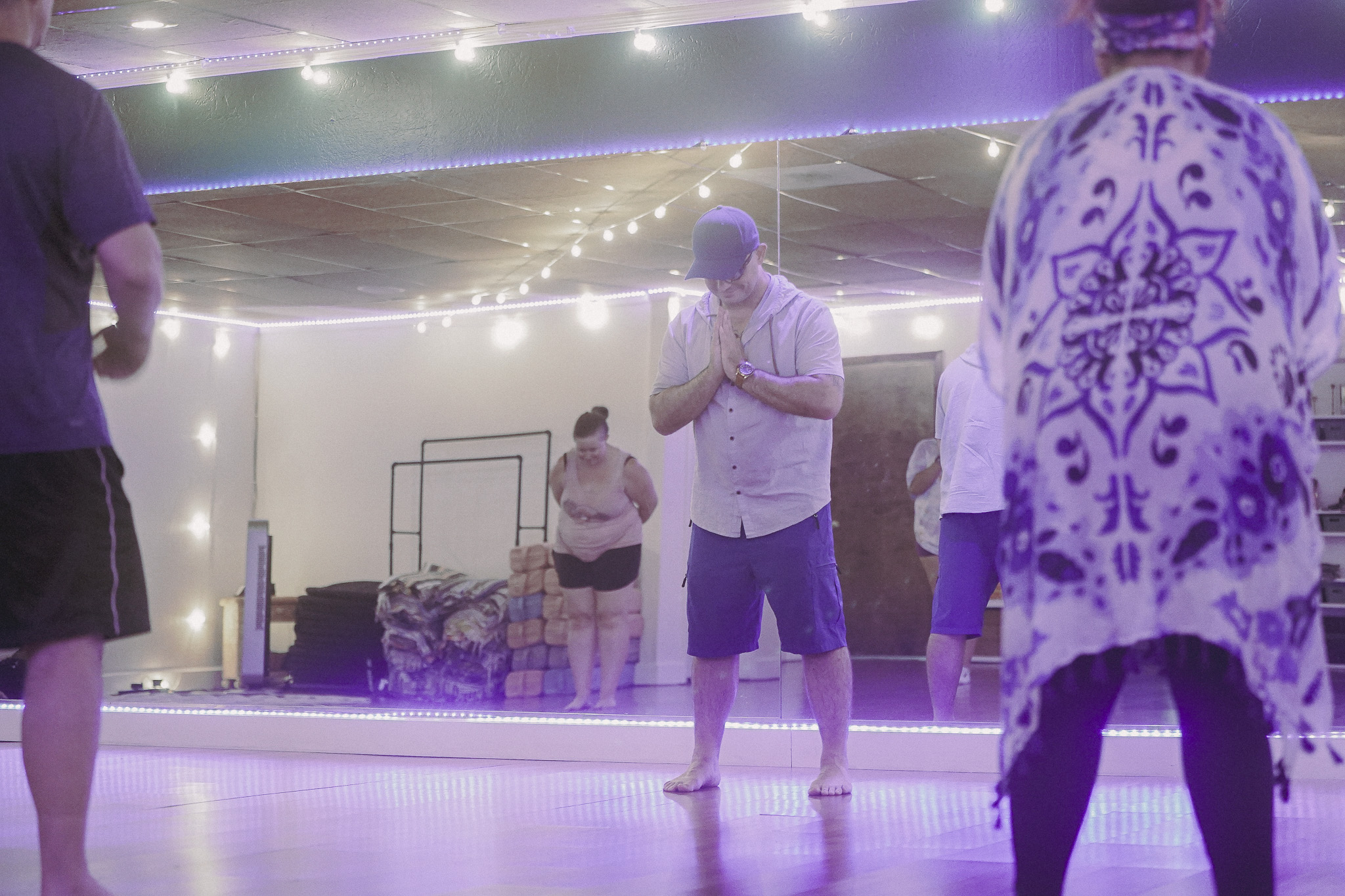
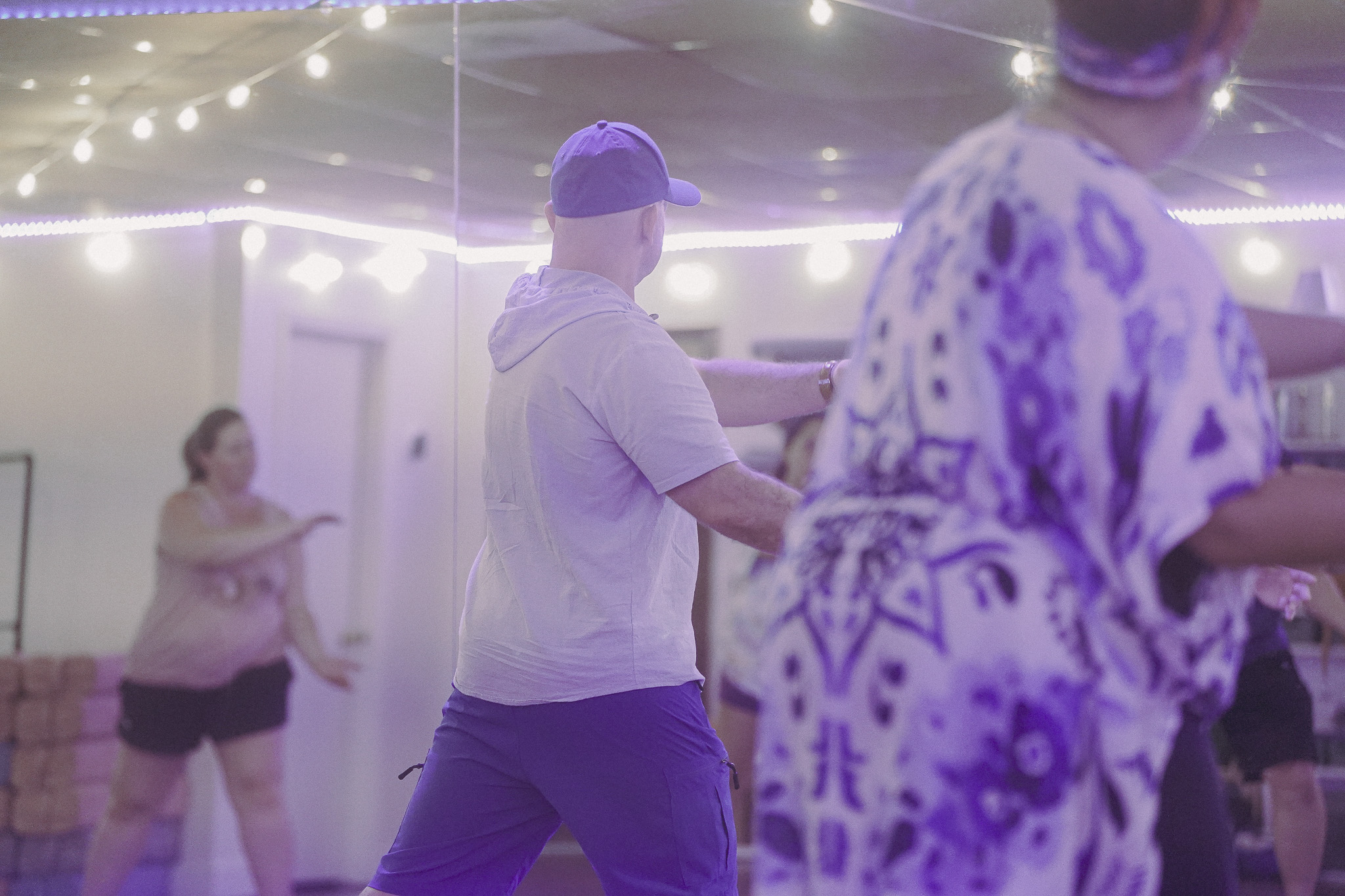
The body may not trust stillness right away
Stillness is often described as peaceful, but for some people, stillness can feel anything but peaceful in the beginning.
When the body has been living in stress, urgency, or survival mode for a long time, slowing down may feel unfamiliar. The nervous system may be used to being alert. The body may be used to bracing. The mind may be used to scanning for the next problem to solve.
So when you finally stop, the body may not immediately relax. It may feel restless. It may want to move. It may feel heavy, emotional, anxious, distracted, or uncomfortable. This does not mean you are doing it wrong. It means your body is learning that a different pace is possible.
Sometimes the first layer of slowing down is not peace. Sometimes the first layer is noticing how much your body has been holding.
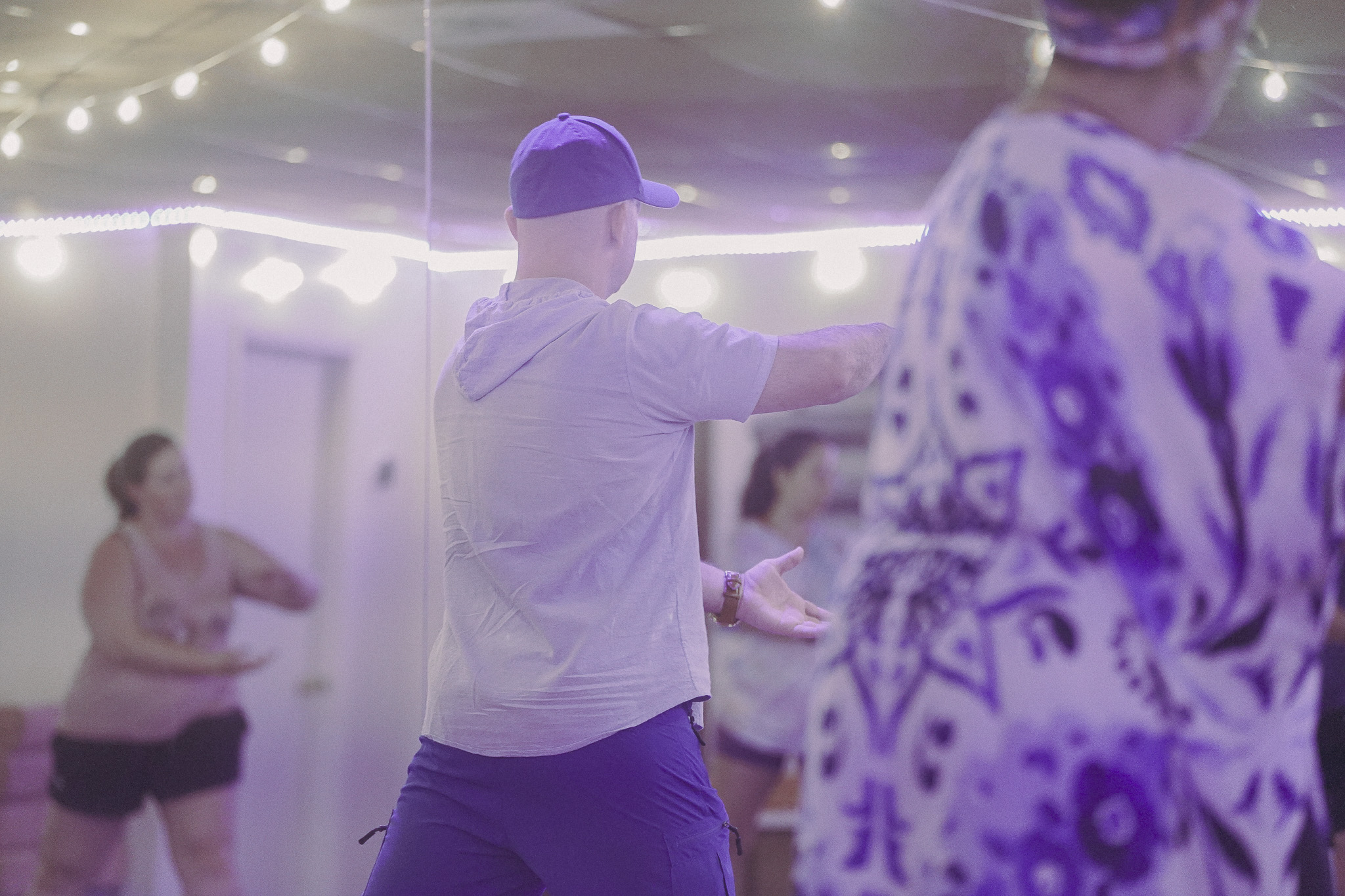
Gentle practices can help the body learn a slower rhythm without forcing stillness before it feels ready.
This is why gentle movement can be so supportive
For some people, going straight into silence or stillness can feel overwhelming. The mind gets louder. The body becomes restless. The emotions feel too close. This is where gentle movement can be supportive.
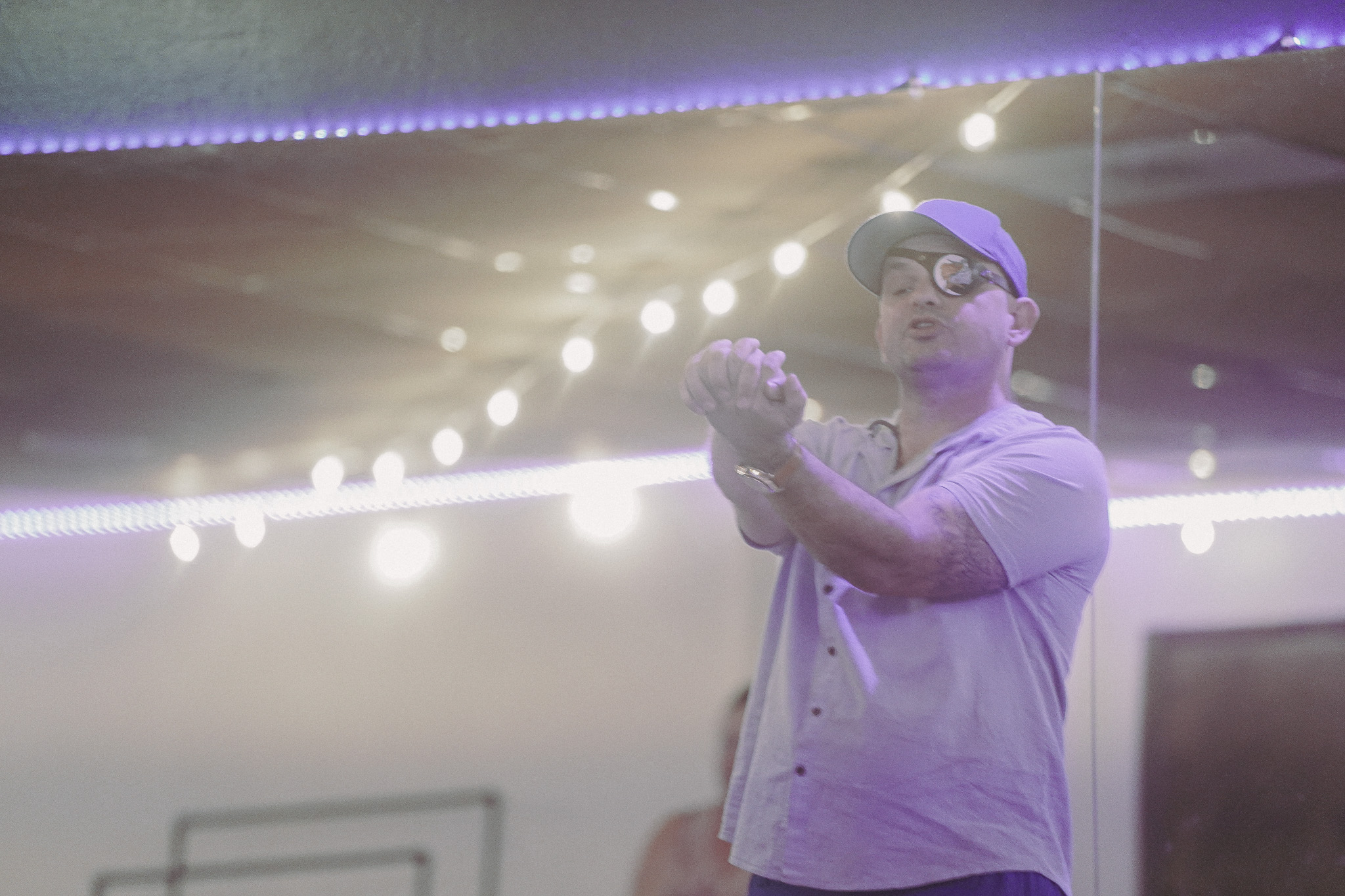
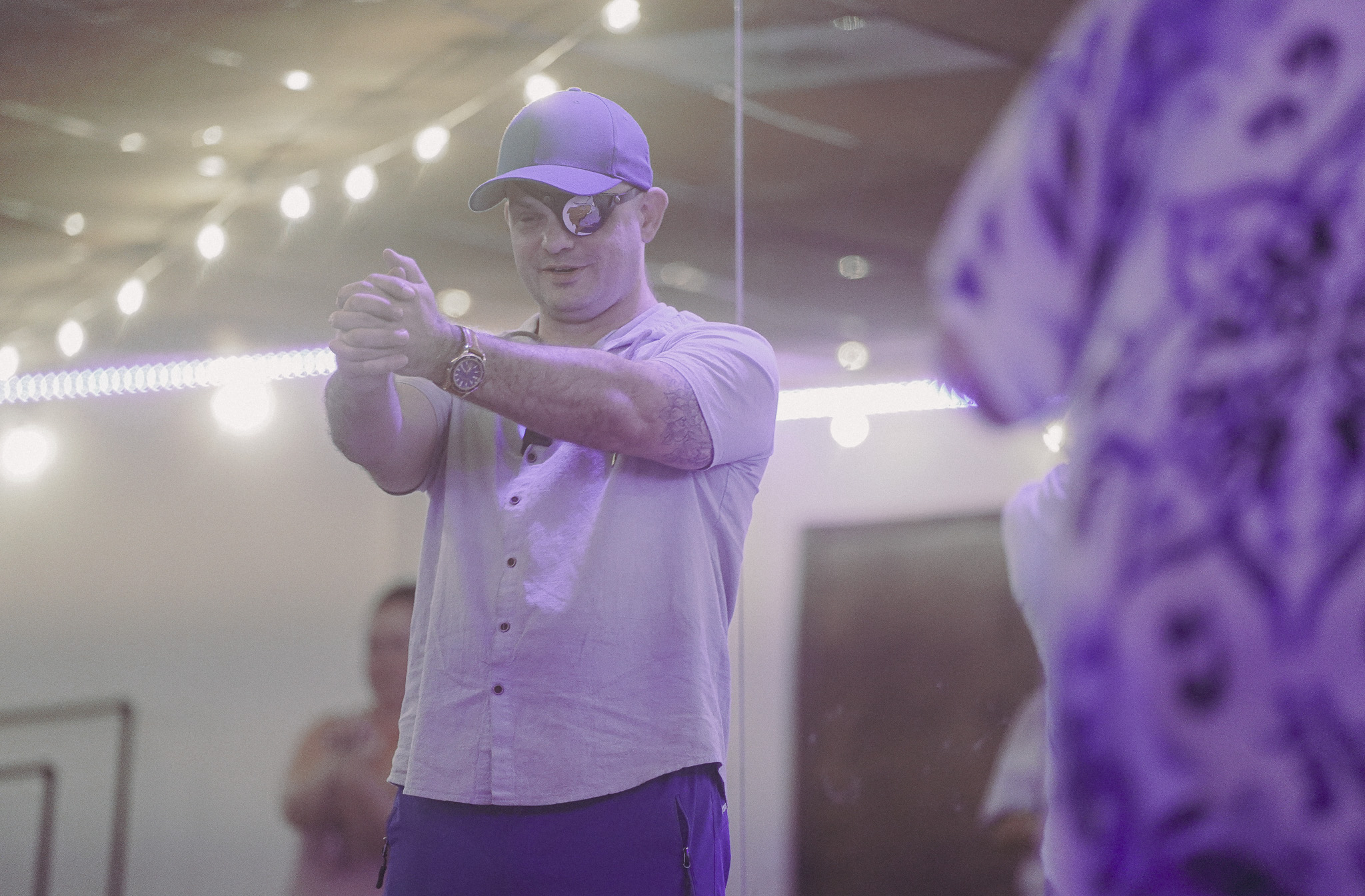
Practices like Tai Chi offer a way to slow down without forcing the body to become completely still. You are moving, but slowly. You are paying attention, but gently. You are present, but you still have something physical to follow.
This can create a softer doorway into healing for people who are not ready to sit in silence or who feel uncomfortable with stillness. The movement gives the mind a place to land. The breath gives the body a rhythm. The feet give you grounding. The slow transitions give you time to notice what is happening.
Gentle movement can help the body slow down without feeling like it has to stop all at once.
Movement Gives the Mind an Anchor
Instead of trying to force silence, your attention can follow the body, breath, feet, hands, and slow transitions.
Slowness Builds Safety
The body gets repeated practice moving without urgency, pressure, or the need to perform.
Awareness Becomes Gradual
You do not have to feel everything at once. You can notice one breath, one movement, one signal at a time.
The Body Can Stay Engaged
For people who struggle with stillness, gentle movement can make presence feel more accessible.
Slowing down can bring up guilt
For many people, the hardest part of slowing down is not the practice itself. It is the guilt that comes with it.
You may feel like you should be doing something more productive. You may think about everything waiting for you. You may feel selfish for taking time for yourself. You may feel pressure to justify rest, as if care only matters when you have already reached exhaustion.
This guilt is often connected to the way many of us were taught to measure our worth. If productivity becomes the proof that we are doing enough, then slowing down can feel like we are failing, falling behind, or letting someone down.
But healing requires a different measurement. It asks us to stop seeing the body as a machine that only deserves care when it breaks down. It asks us to recognize that rest, presence, and nervous system support are not luxuries. They are part of being human.
You do not have to earn the right to slow down. Your body is worthy of care before it reaches the breaking point.
Slowing down can reveal how tired you really are
Sometimes people avoid slowing down because, deep down, they know they are tired. Not just physically tired, but emotionally tired. Mentally tired. Spiritually tired. Tired from carrying responsibility. Tired from being strong. Tired from being needed. Tired from holding everything together.
Busyness can keep that tiredness hidden for a while. But eventually, the body starts telling the truth.
When you slow down, you may realize how much you have been running on pressure, caffeine, adrenaline, responsibility, or the belief that everything will fall apart if you stop. That realization can be tender. It can bring sadness, frustration, grief, or relief.
This is part of why healing can feel uncomfortable. Not because healing is wrong, but because it asks us to acknowledge what we have been surviving.
Sometimes the body does not need more discipline. Sometimes it needs permission to admit how tired it has been.
Healing often asks for a slower relationship with yourself
Healing is not always about doing more. Sometimes it is about relating differently to what is already here.
Instead of rushing past discomfort, you begin noticing it. Instead of judging your body, you begin listening to it. Instead of forcing yourself to be okay, you begin asking what support is actually needed. Instead of treating rest like an inconvenience, you begin seeing it as part of repair.
This slower relationship with yourself can feel unfamiliar at first. Especially if you are used to criticizing, pushing, overriding, or abandoning your own needs in order to keep going.
But this is where the practice deepens. Not in one perfect moment, but in the repeated choice to return with more compassion.
Healing is not always about becoming someone new. Sometimes it is about learning how to stop leaving yourself behind.
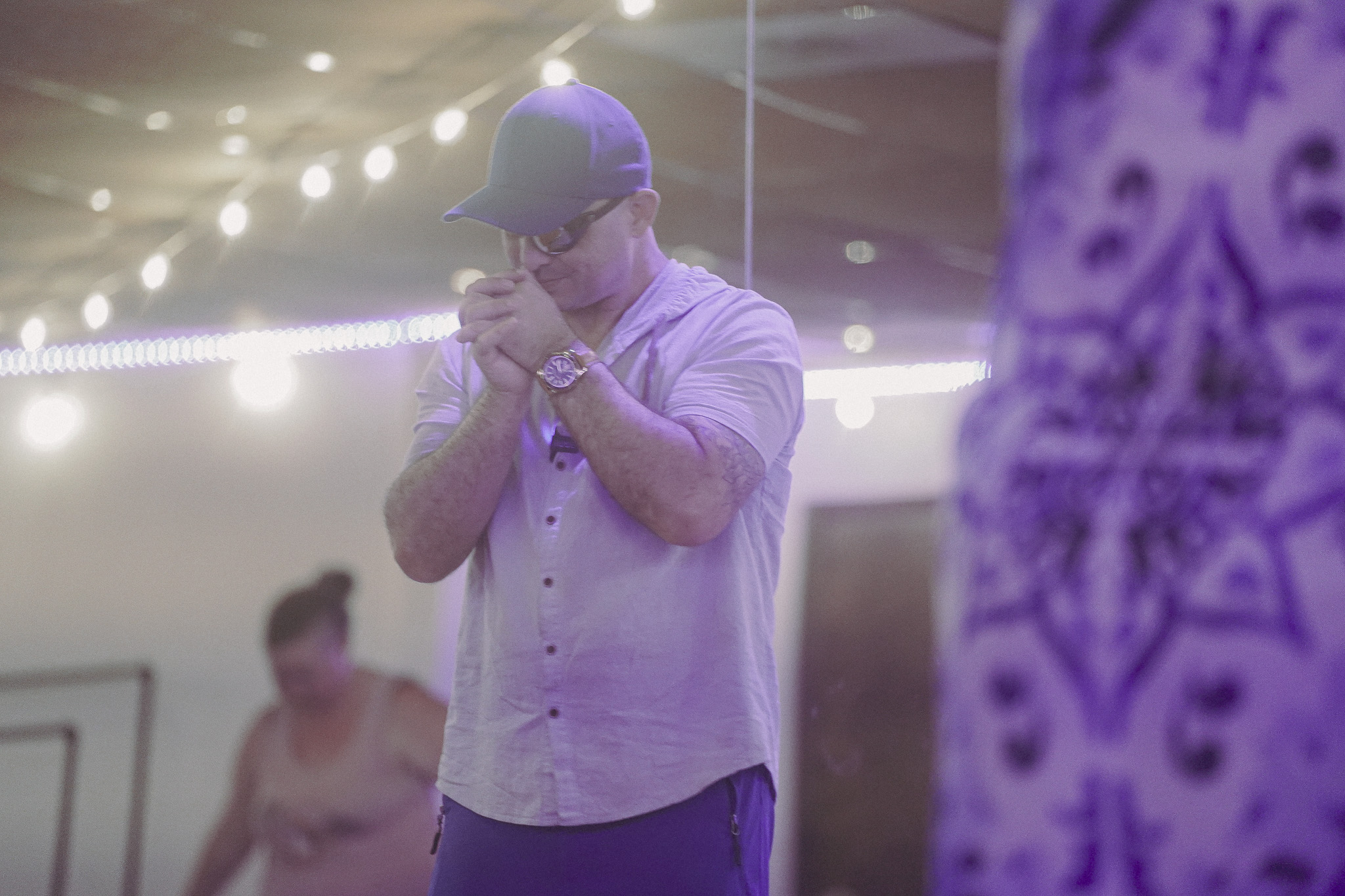
A slower practice can help you build a more compassionate relationship with the body you are living in.
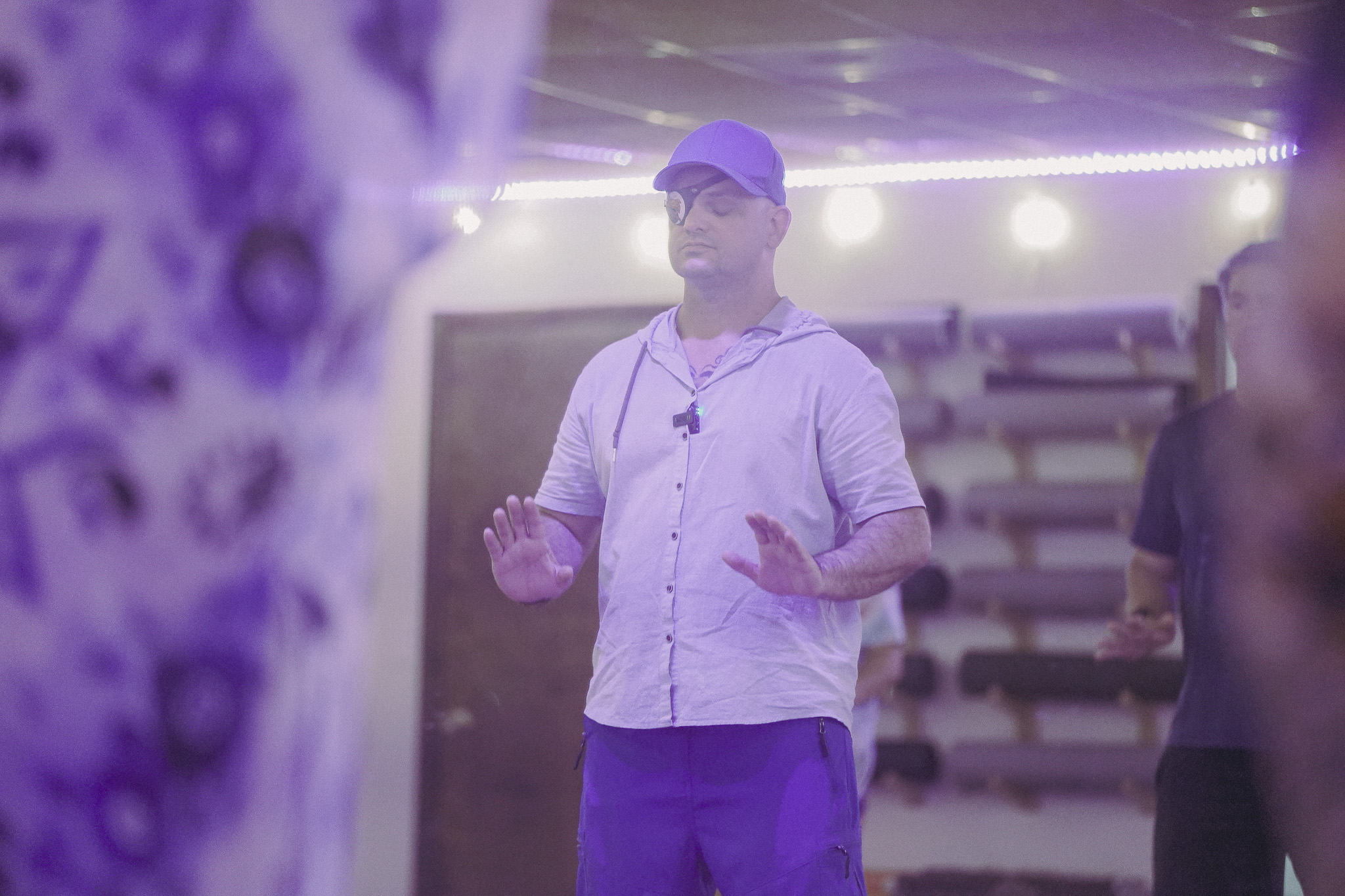
Tai Chi helps you practice slowing down one movement at a time
Tai Chi can be supportive because it does not demand that you become peaceful all at once. It does not ask you to force stillness, empty your mind, or pretend you are calm when you are not.
Instead, it gives you one movement. One breath. One shift of weight. One moment of noticing. One chance to return.
This matters because the body often needs gradual experiences of safety and slowness. It may not trust rest immediately. It may not understand softness right away. It may take time to believe that slowing down will not cause everything to fall apart.
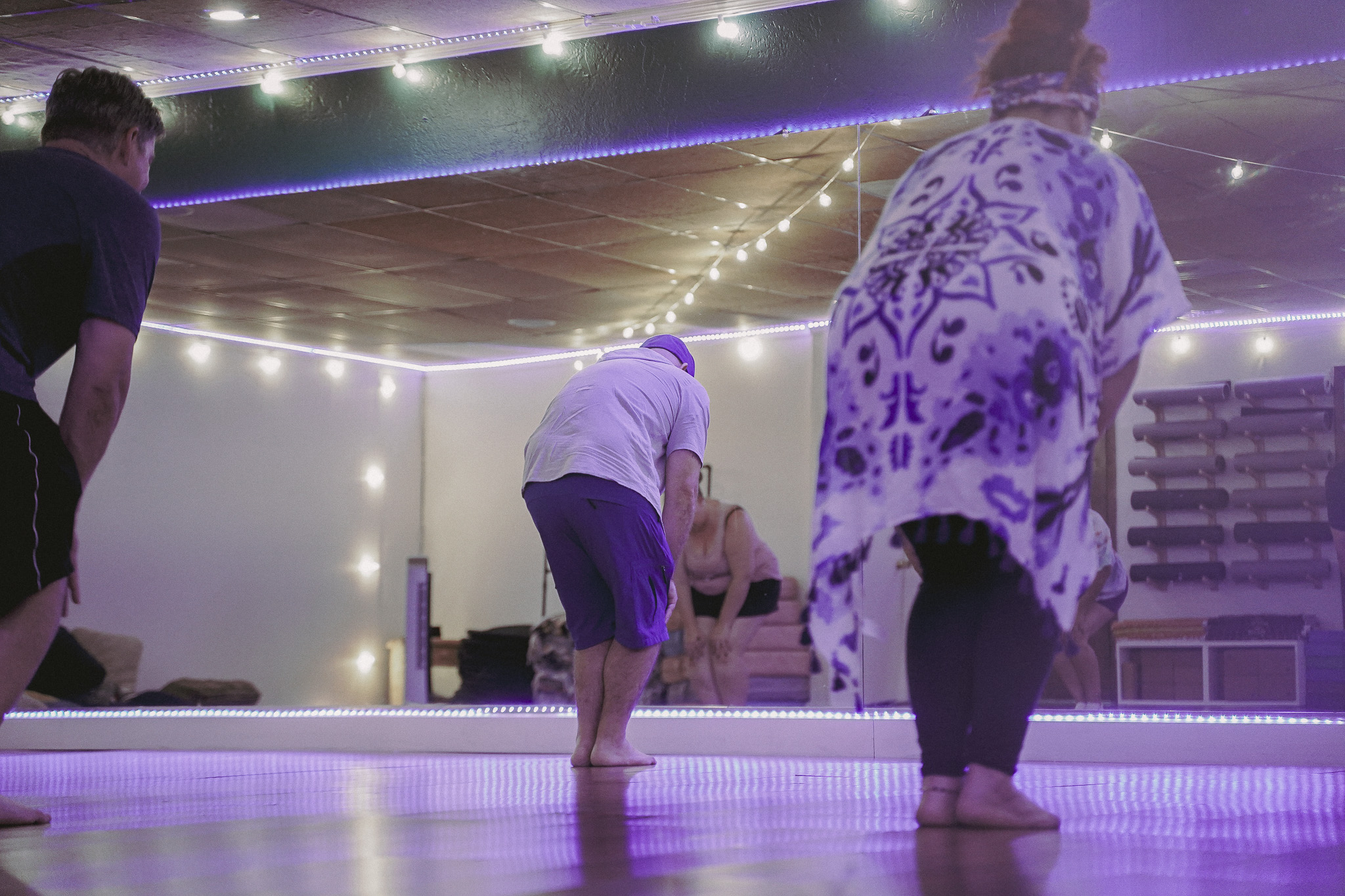
Tai Chi gives the body a way to practice that gradually. The repetition, rhythm, and gentle movement create a pathway where slowing down becomes something you can experience, not just something you think you should do.
Tai Chi helps make slowing down less of a command and more of a practice.
Slowing down can change how you respond to life
The purpose of slowing down is not to live in slow motion forever. It is not about avoiding responsibility or disconnecting from the world. It is about creating enough space inside yourself to respond with more awareness.
When you practice slowing down, you may begin to notice stress sooner. You may pause before reacting. You may feel your breath before speaking. You may notice when your body is saying no before your mouth says yes. You may recognize when you are moving from fear, guilt, urgency, or habit.
This is where slowing down becomes powerful. It gives you access to choice.
Not perfect choice. Not complete control. But a little more space between what happens and how you respond.
Slowing down is not about doing less forever. It is about becoming present enough to choose with more honesty.
In Stress
You may begin noticing your breath, shoulders, jaw, or pace before stress becomes overwhelming.
In Emotion
You may create a little more space between what you feel and how you respond.
In Rest
You may slowly learn that rest is not something you have to earn through exhaustion.
In Daily Life
You may begin moving through transitions, conversations, and responsibilities with more awareness.
The hardest part may be trusting that slow is enough
Many people are used to intensity. They trust things that feel hard, dramatic, or immediate. They believe something is working if it exhausts them, pushes them, or creates a noticeable release right away.
Because of that, slow practices can feel confusing. You may wonder if anything is happening. You may feel like you should be doing more. You may question whether gentle movement is enough to support real change.
But healing does not always arrive through intensity. Sometimes it arrives through repetition. Through patience. Through softening. Through noticing the body before it screams. Through giving yourself the kind of care you used to postpone.
Slow can be enough because slow creates the conditions for awareness. And awareness is often where healing begins.
Sometimes slow feels hard because it asks us to trust what is subtle, steady, and quiet.
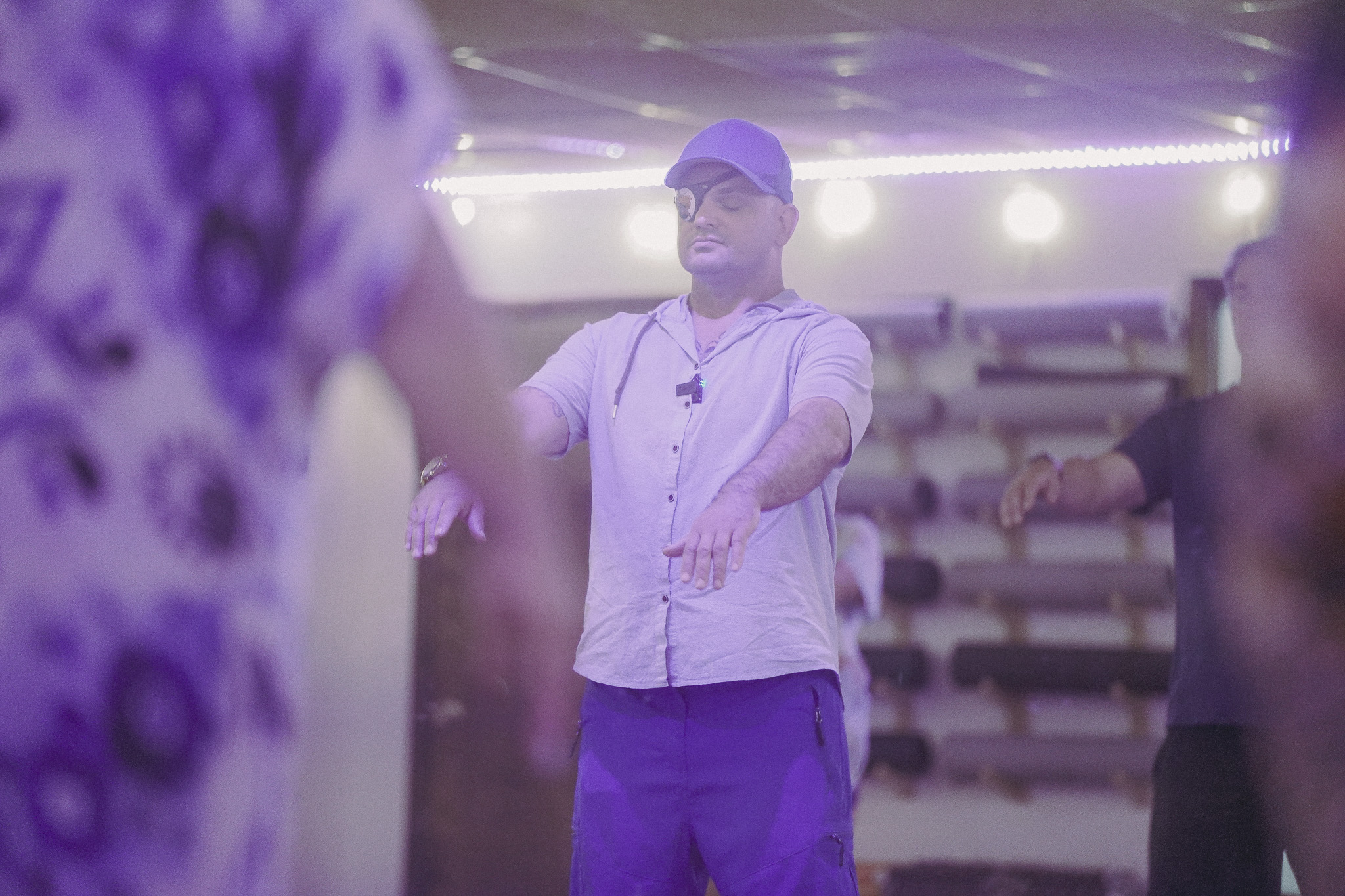
Slow practices can help people build trust in subtle, steady forms of support.
Tai Chi and The Healing Tree Collective
At The Healing Tree Collective, we understand that slowing down is not always easy. For many people, it can feel vulnerable, emotional, uncomfortable, or unfamiliar. That is why we believe healing spaces need to be gentle, welcoming, and rooted in compassion.
We do not believe people need to be pushed harder in order to heal. Many people have already spent years pushing. They have pushed through stress, grief, exhaustion, responsibility, emotional pressure, and the quiet discomfort of feeling disconnected from themselves.
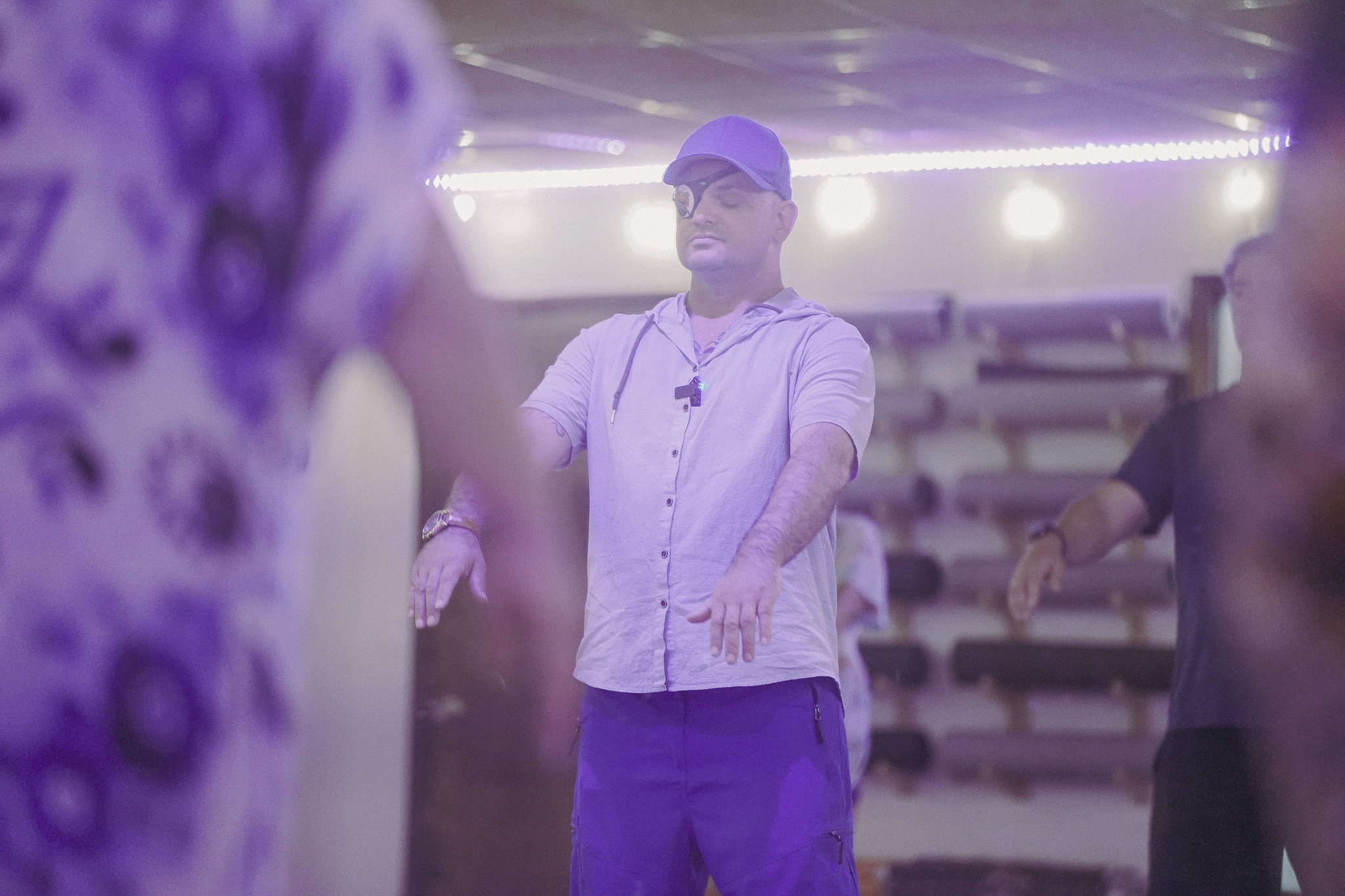
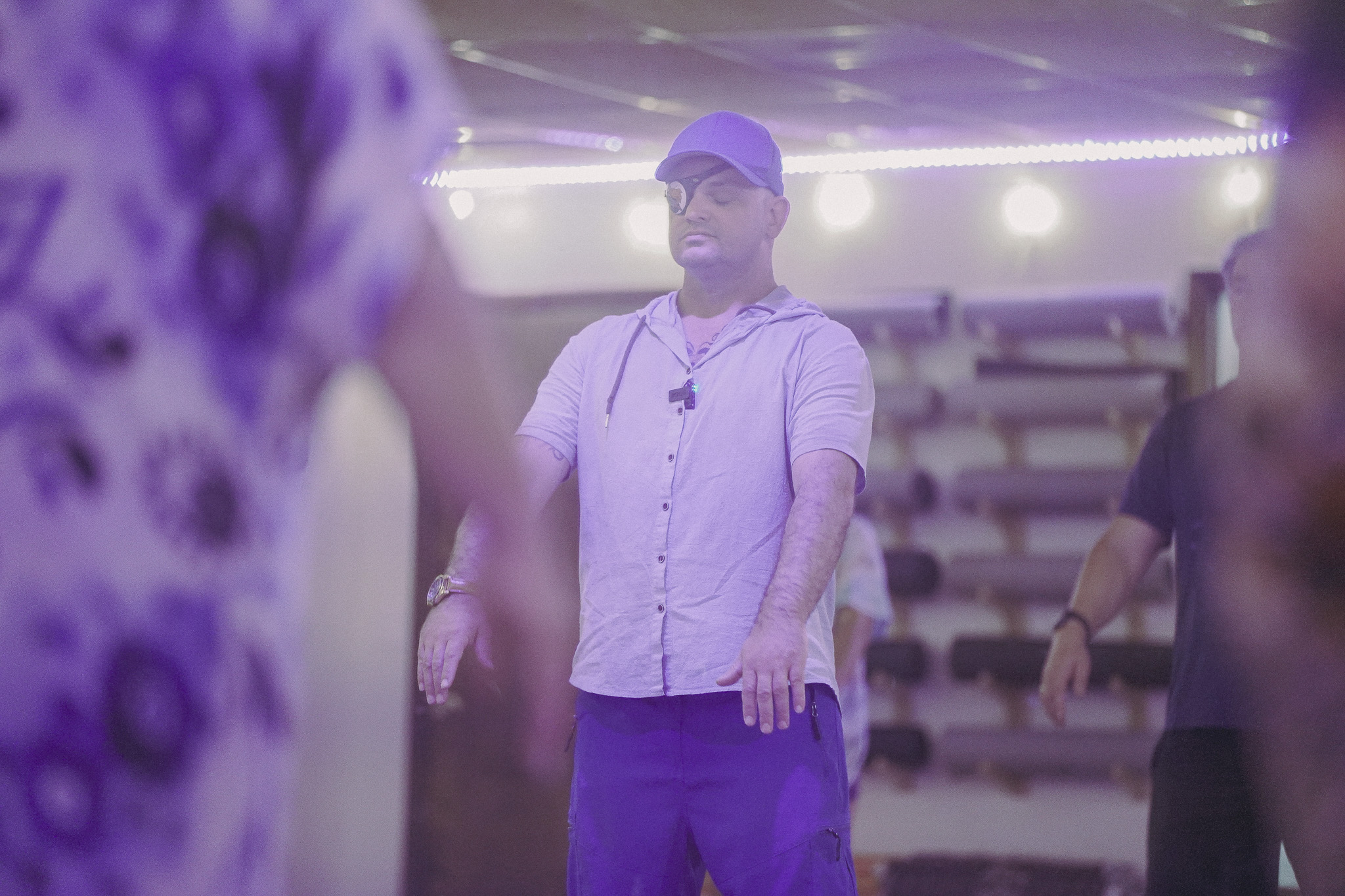
Practices like Tai Chi offer another way. They give people a space to slow down without pressure, move without performance, breathe without forcing, and begin listening to the body again one movement at a time.
This connects directly to our mission. We are here to create accessible wellness spaces where people can heal, grow, and reconnect with themselves through practices that feel grounded, supportive, and real.
We are not just creating classes. We are creating spaces where people can practice slowing down without shame.
Final thoughts: slowing down is not always easy, but it can be honest
Slowing down can be one of the hardest parts of healing because it asks us to feel what we have been outrunning. It asks us to notice the body we have been ignoring. It asks us to question the belief that our worth is tied to productivity. It asks us to build a new relationship with rest, presence, and self-trust.
That kind of slowing down takes practice.
Not because you are failing, but because your body may be learning something new. It may be learning that stillness can become safer over time. That gentle movement can be enough. That rest does not have to be earned. That healing does not have to be rushed.
Sometimes slowing down is hard because it is the first time your body has been given enough space to tell the truth.
Looking for a gentle place to slow down in Tempe, Arizona?
At The Healing Tree Collective, our beginner-friendly wellness classes are designed to support stress relief, mindfulness, body awareness, and deeper connection. If you are curious about Tai Chi, moving meditation, or gentle mind-body practices, you are welcome to begin here.