1 July 2026
The Healing Tree Collective • Tempe, Arizona
Why Tai Chi Can Feel Supportive During Stressful Life Transitions
Life transitions can affect far more than a person’s schedule. A transition can shift the body, the nervous system, the emotions, the sense of identity, and the way a person relates to their daily routine.
Whether someone is moving through a career change, relationship shift, grief, relocation, parenting transition, health concern, family responsibility, identity change, or a season of uncertainty, the body often carries the stress of adjustment before the mind has fully processed what is happening.
Tai Chi can feel supportive during stressful life transitions because it offers a gentle, structured way to slow down, stay connected to the body, move through change with awareness, and practice steadiness when life feels unfamiliar.
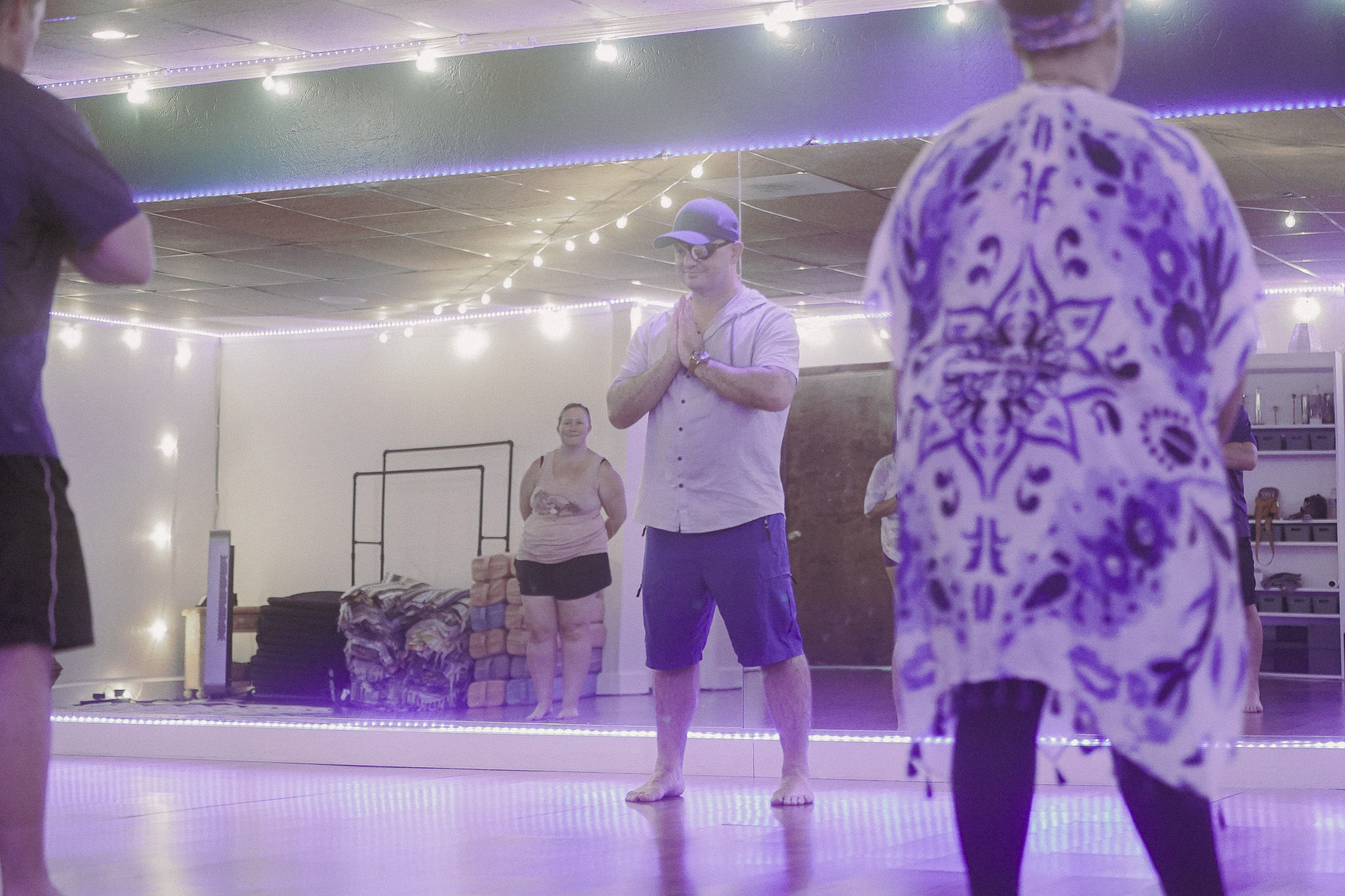
Tai Chi offers a steady movement practice that can support grounding, awareness, and emotional steadiness during seasons of change.
Tai Chi may feel supportive during life transitions by helping you practice:
A grounded relationship with change, uncertainty, and internal adjustment.
- Slowing down during uncertainty
- Staying connected to the body
- Noticing stress signals earlier
- Moving through transitions with awareness
- Grounding through the feet and breath
- Reducing the pressure to have everything figured out
- Building steadiness through repetition
Life transitions often create stress in the body
Stressful life transitions are not only emotional or logistical. They are also physical experiences. When something important changes, the body may respond with tension, fatigue, restlessness, shallow breathing, difficulty sleeping, digestive discomfort, irritability, or a sense of being unsettled. Even positive transitions can create stress because the body has to adapt to new rhythms, expectations, decisions, and responsibilities.
This is one reason transitions can feel so exhausting. A person may be trying to manage practical tasks while also processing uncertainty, grief, excitement, fear, hope, disappointment, or identity change. The mind may be focused on solving problems, while the body is trying to understand what has changed and what is now required.
Tai Chi can be supportive in these moments because it gives the body a structured way to slow down and participate in the adjustment process. Instead of only thinking about change, the person has an opportunity to move with awareness, feel the ground, notice breath patterns, and create a consistent space for the body to settle.
Transitions are not only events we think through. They are experiences the body has to move through as well.
Transitions can make people feel disconnected from themselves
During major changes, people often become focused on what needs to be done. They may need to make decisions, communicate with others, adapt to new responsibilities, organize practical details, manage emotions, or support family members through the same transition. In the process, their own body and internal experience can be pushed into the background.
This can create a sense of disconnection. A person may be functioning externally while feeling internally scattered, numb, tense, or unsure. They may notice that their mind is constantly planning, but their body feels tired and unprocessed. They may know they need support, but not know what kind of support would actually feel accessible.
Tai Chi can help by offering a simple and body-based way to reconnect. The practice does not require someone to explain everything they are feeling. It does not require a perfect emotional state. It simply invites attention back to the feet, the breath, the posture, and the present movement. For people who feel disconnected during transition, that can be a meaningful place to begin.
When life feels unfamiliar, reconnecting with the body can provide a practical starting point for finding steadiness again.
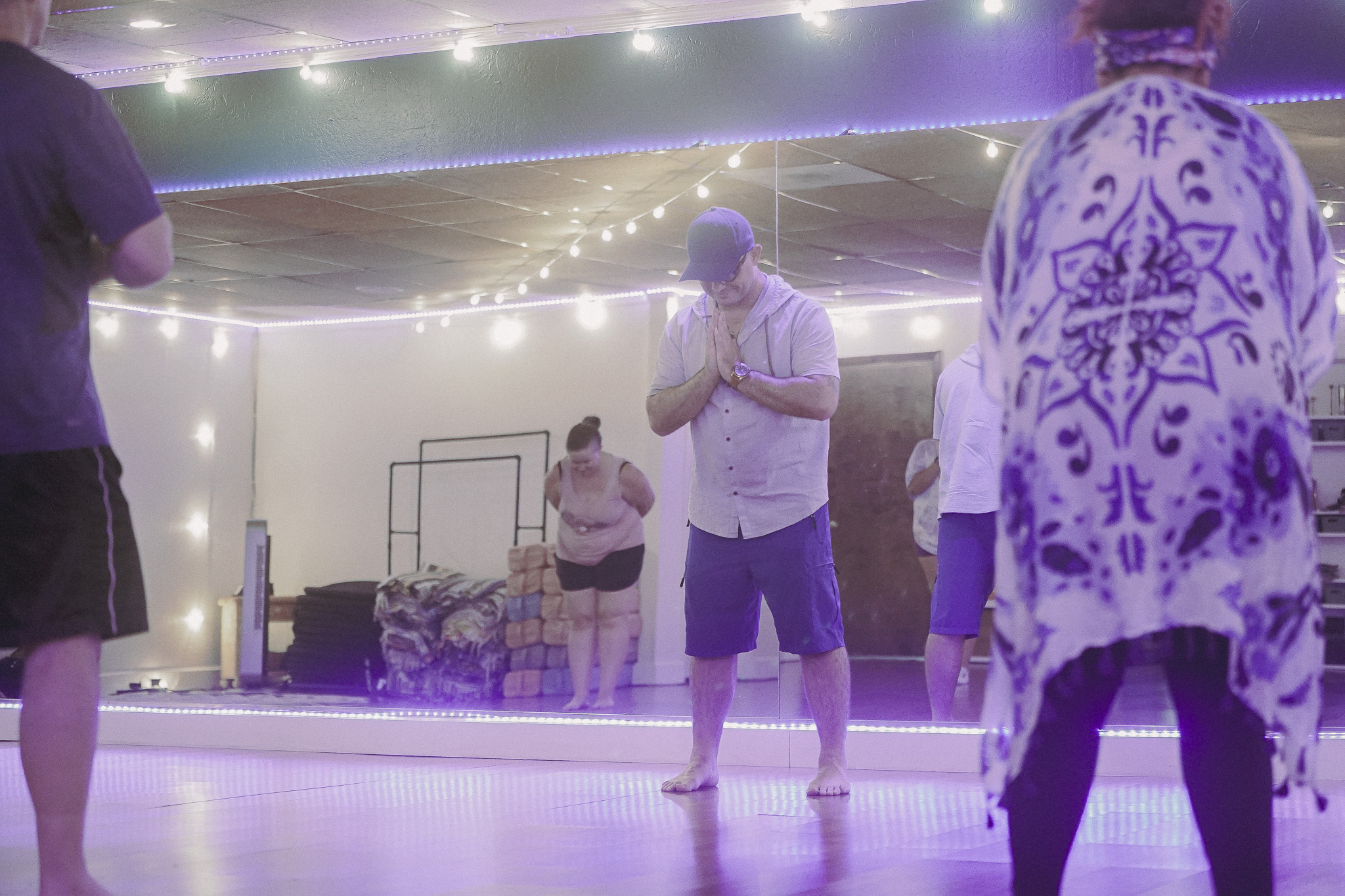
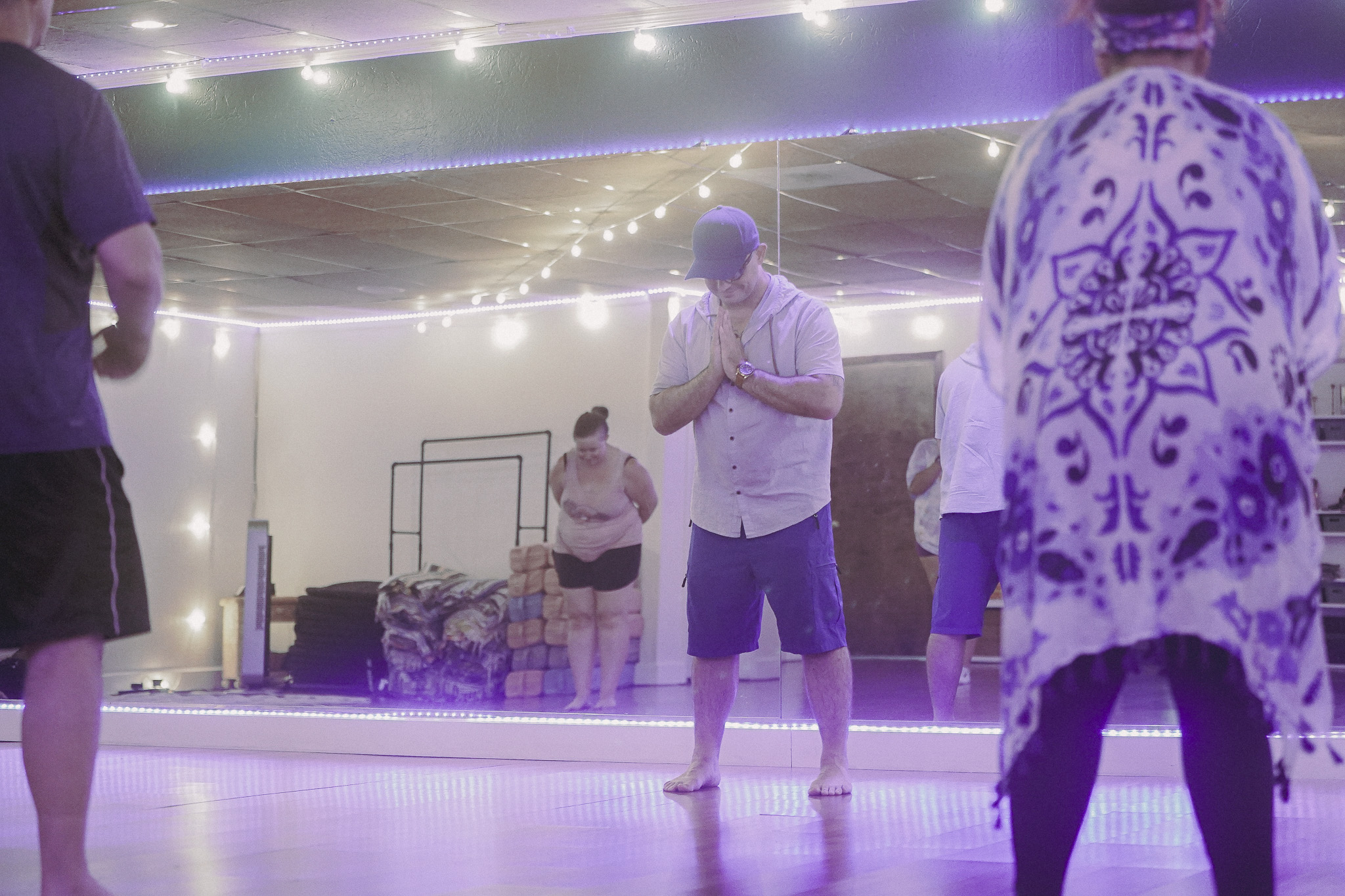
Tai Chi teaches people to move through transition instead of rushing past it
One of the most important lessons within Tai Chi is that transitions matter. In many movement practices, the focus may be on reaching the next position or completing a specific movement. In Tai Chi, the space between movements is an essential part of the practice. How the body shifts weight, how the breath changes, how balance is maintained, and how one movement becomes the next all matter.
This is directly relevant to life transitions. Many people try to rush from one chapter into another because uncertainty feels uncomfortable. They may want to move quickly toward resolution, clarity, stability, or the next version of life. While it is natural to want answers, moving too quickly can cause a person to bypass what the body and emotions still need time to process.
Tai Chi offers a physical model for honoring the in-between. It teaches that transition is not empty space. It is where balance is negotiated, awareness is required, and the next movement begins to take shape. Practicing this physically can help people develop a more patient and grounded relationship with transition in everyday life.
In Tai Chi, the transition is not something to rush through. It is part of the practice, and that lesson can be deeply relevant during seasons of change.
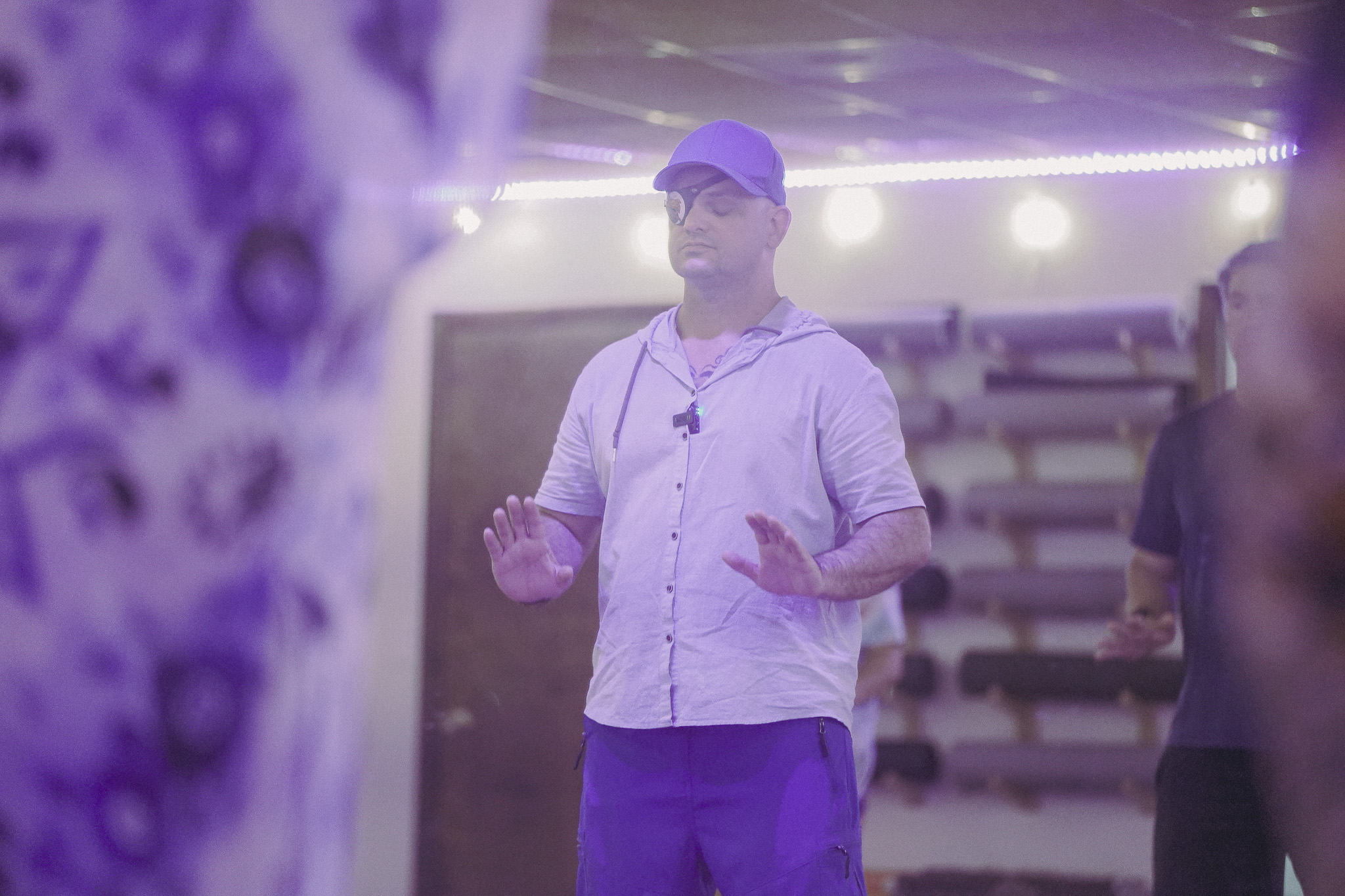
Tai Chi teaches that the space between movements requires awareness, balance, and patience.
Uncertainty often creates mental noise
Stressful transitions often come with mental noise. The mind may replay what happened, question what could have been done differently, plan for what comes next, imagine possible outcomes, or search for certainty before certainty is actually available. This mental activity can become exhausting because the mind is trying to create stability in a situation that may still be unfolding.
For many people, this is one of the most difficult parts of transition. They are not only dealing with the change itself; they are also dealing with the constant thinking that surrounds the change. Even when they are resting, the mind may continue working. Even when they are physically still, the nervous system may feel alert or unresolved.
Tai Chi can help interrupt this pattern by giving the mind a clear physical focus. The practice invites attention to follow the movement, breath, feet, posture, and shifting weight. Instead of trying to force the mind to stop thinking, Tai Chi gives the mind something steady and embodied to return to. This can make mindfulness more accessible during seasons when stillness feels difficult.
During uncertainty, Tai Chi can give the mind a concrete place to return: the body, the breath, the ground, and the next slow movement.
When the Mind Is Planning
Tai Chi can help redirect attention from future concerns into present-moment movement and physical awareness.
When the Body Feels Restless
Gentle movement can offer a more accessible form of mindfulness than trying to sit completely still.
When Decisions Feel Heavy
The practice can create a short space where the body is allowed to slow down before returning to problem-solving.
When Everything Feels Unclear
Grounding through the feet and breath can help create steadiness even when answers are still developing.
Tai Chi supports grounding during change
Grounding is especially important during life transitions because change can make people feel unsteady. A transition may affect routines, relationships, identity, finances, family roles, work responsibilities, or future plans. When many parts of life are shifting, the body may need a simple and consistent way to feel connected to the present moment.
Tai Chi supports grounding by repeatedly bringing attention to the feet, legs, posture, and balance. The practitioner notices where their weight is, how they are supported by the ground, and what happens when they shift from one position into another. This physical awareness can help bring attention out of mental overwhelm and back into the body.
Grounding does not mean that the transition becomes easy or that uncertainty disappears. It means the body has an anchor while the transition is happening. That anchor can be important because the body often needs stability even when life circumstances are not fully stable yet.
Grounding does not eliminate change. It helps the body find steadiness while change is still unfolding.
The body may need a slower pace than the mind wants
During a stressful transition, the mind often wants resolution. It wants to know what will happen, what needs to be done, what the next step is, and how to create a sense of stability as quickly as possible. This desire is understandable, especially when uncertainty feels uncomfortable or when practical responsibilities require attention.
However, the body may not move at the same speed as the mind. Even when decisions are made, the body may still be processing what changed. Even when a new routine begins, the nervous system may still be adjusting. Even when someone knows intellectually that a transition is necessary, they may still feel grief, tension, fear, fatigue, or emotional heaviness.
Tai Chi can feel supportive because it respects a slower pace. The practice does not rush the body into the next movement. It allows transition to happen gradually, with awareness and breath. This can be a helpful reminder that moving through life change does not always require force. Sometimes it requires enough steadiness to let the body catch up with what the mind already knows.
During transition, the mind may want quick answers, but the body often needs time, repetition, and a slower rhythm to adjust.
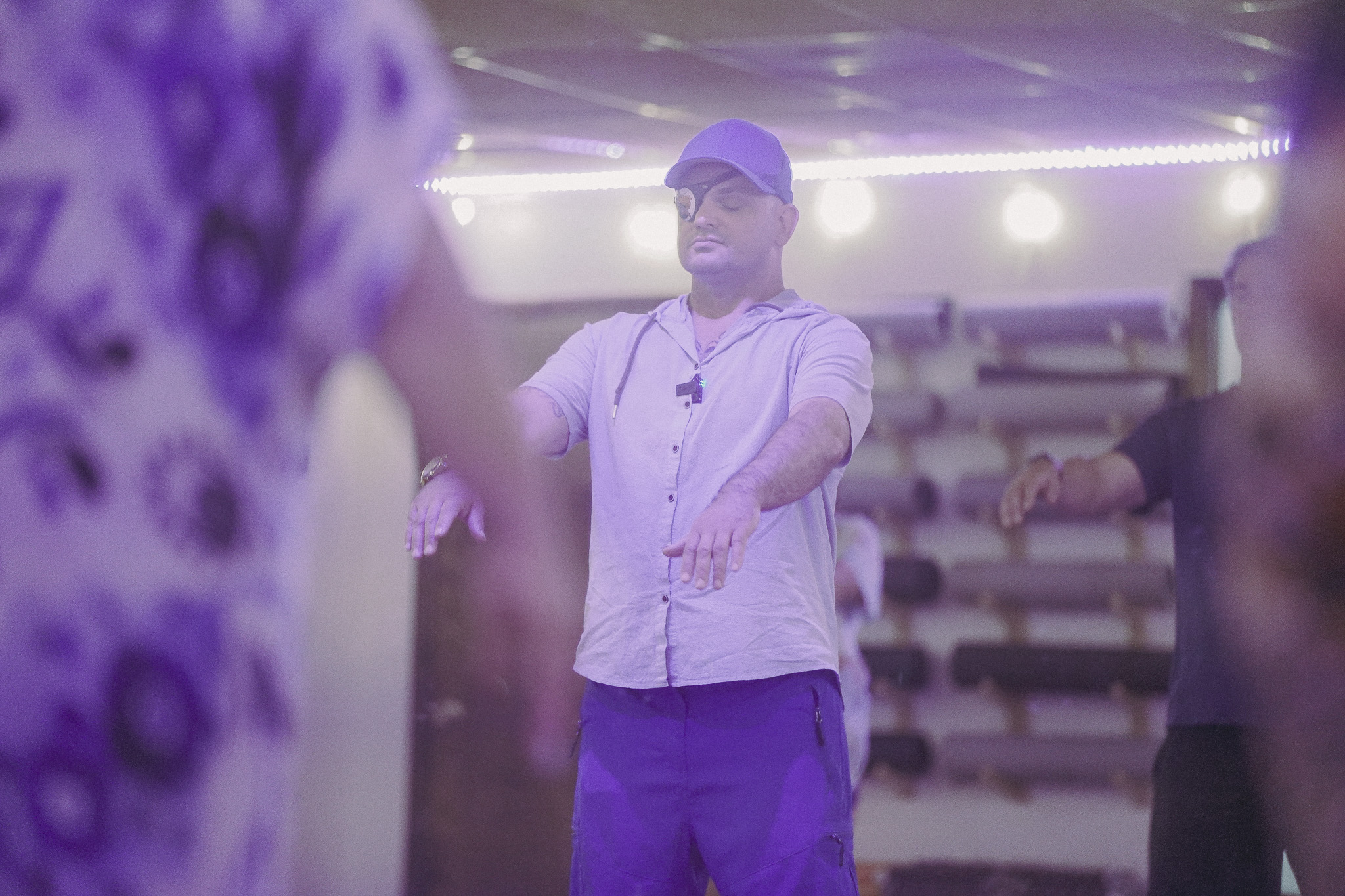
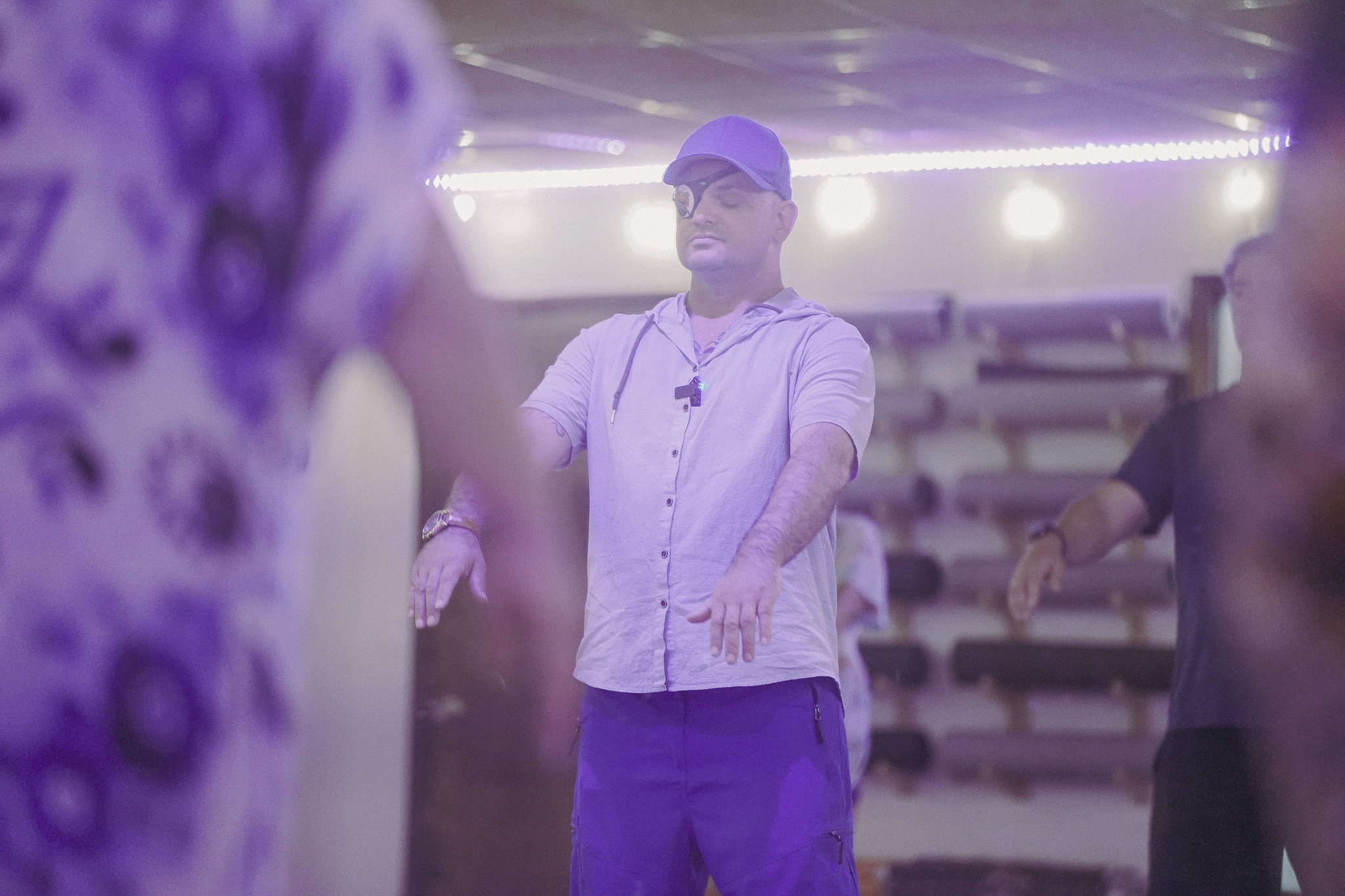
Tai Chi can help people stay connected to themselves during identity shifts
Some life transitions affect identity. Becoming a parent, ending a relationship, changing careers, losing a loved one, moving to a new place, stepping into leadership, retiring, recovering from burnout, or entering a new stage of life can all raise questions about who a person is now. These transitions can be emotionally complex because they may involve both loss and growth at the same time.
During identity shifts, it can be easy to feel disconnected from what feels familiar. A person may no longer fit into an old version of themselves, but the new version may not feel clear yet. This in-between space can be uncomfortable, especially when others expect quick clarity or when the person feels pressure to explain what is changing internally.
Tai Chi can support this process because it provides consistency without requiring immediate answers. The practice gives the body a familiar rhythm to return to, even when life feels unfamiliar. Through movement, breath, and grounding, a person can practice staying present with themselves while identity continues to evolve.
Tai Chi can offer a consistent place to return while a person is still discovering who they are becoming.
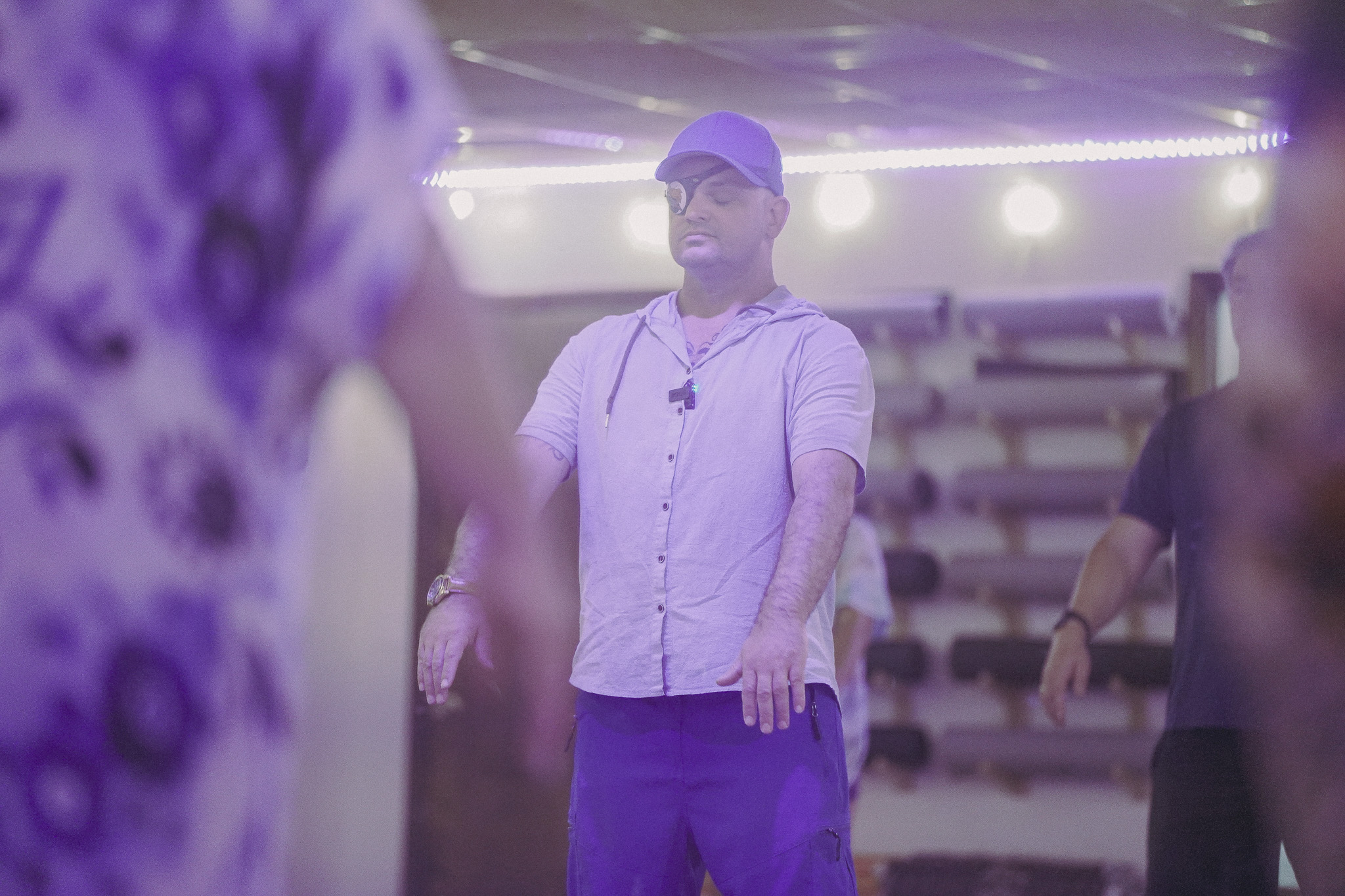
Life transitions can change identity, routine, and emotional orientation; Tai Chi offers a steady practice during that adjustment.
Tai Chi supports emotional steadiness without forcing emotional control
Stressful transitions can bring up many emotions at once. A person may feel grief, relief, sadness, anxiety, hope, uncertainty, frustration, or fear in the same season. This mixture can feel confusing, especially when the person expects themselves to feel only one thing or to move through the transition more cleanly than they actually are.
Tai Chi does not require emotions to be simplified. It does not ask a person to force calm or deny what is present. Instead, the practice provides a container where the body can move slowly while emotions exist in the background. The person can feel their feet, notice their breath, soften unnecessary tension, and continue moving with awareness.
This can support emotional steadiness because it helps people practice being with themselves without needing to resolve every feeling immediately. Emotional steadiness is not the absence of emotion. It is the ability to stay connected to the body and present moment while emotions are moving through.
Emotional steadiness does not mean controlling every feeling. It means having enough support to remain connected while feelings are present.
Grief
Tai Chi can provide gentle movement and structure when emotions feel heavy or difficult to organize.
Uncertainty
The practice can help anchor attention in the body when the mind is searching for answers that are not yet available.
Overwhelm
Slow movement can help the body participate in care without requiring intensity or immediate emotional processing.
New Beginnings
Tai Chi can support the body as it adapts to unfamiliar routines, roles, and expectations.
A consistent practice can create structure when life feels unstructured
During life transitions, familiar routines often change. A person may lose a previous rhythm, need to build a new schedule, or feel as though their usual forms of support no longer fit the current season. When structure is missing, stress can feel more difficult to manage because the body has fewer predictable anchors.
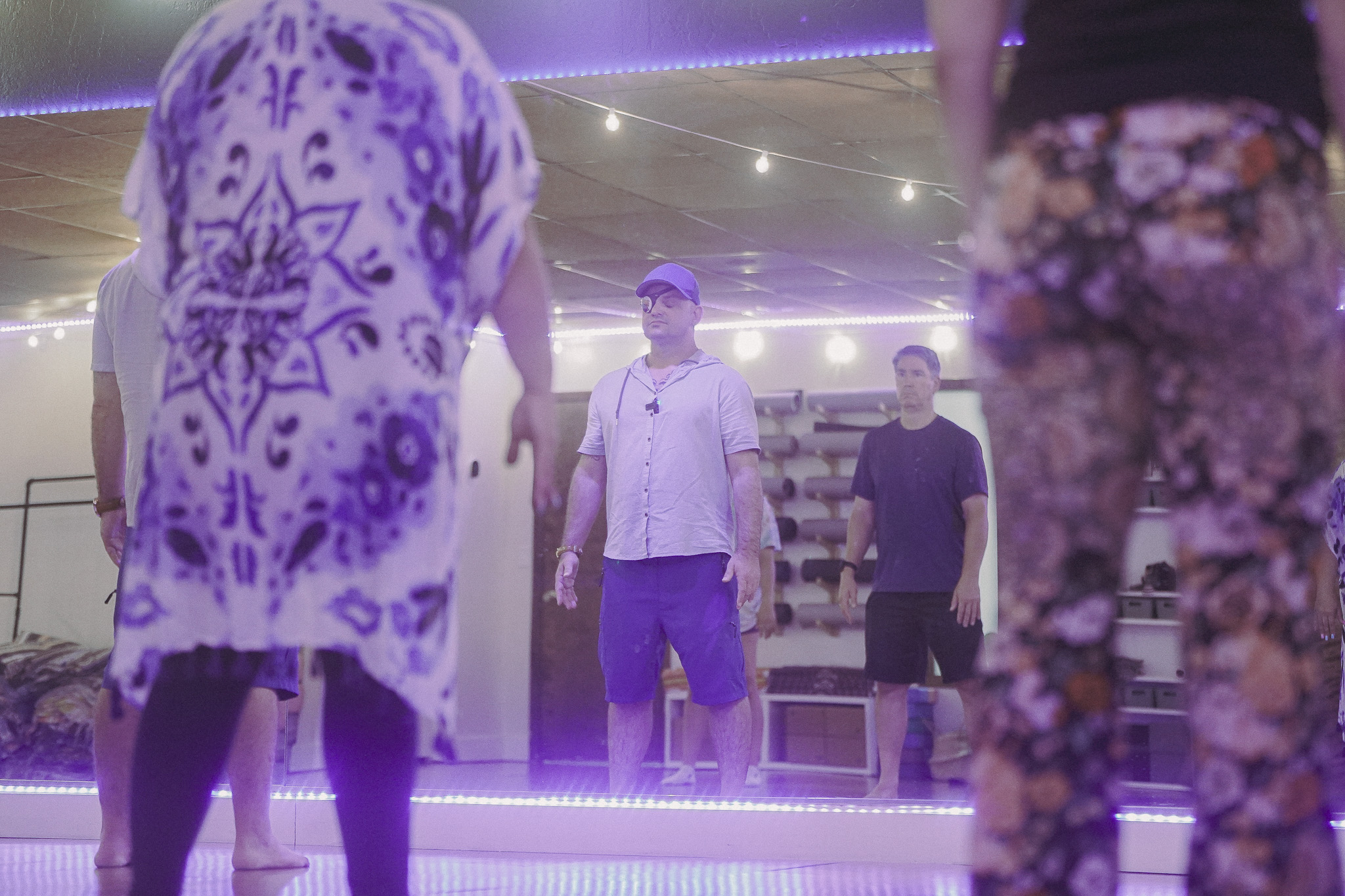
A consistent Tai Chi practice can offer a simple form of structure. Attending class regularly creates a repeated time and place to pause, move, breathe, and check in with the body. This kind of structure can be especially meaningful when other areas of life feel uncertain or unsettled.
The value is not only in the movement itself, but in the rhythm of returning. Each class becomes a reminder that support can be practiced repeatedly. The body begins to recognize the pattern: arrive, slow down, feel the feet, follow the movement, notice the breath, and return to the present moment. Over time, that pattern can become part of how a person moves through transition.
When life feels unstructured, a consistent practice can become a supportive anchor for the body and mind.
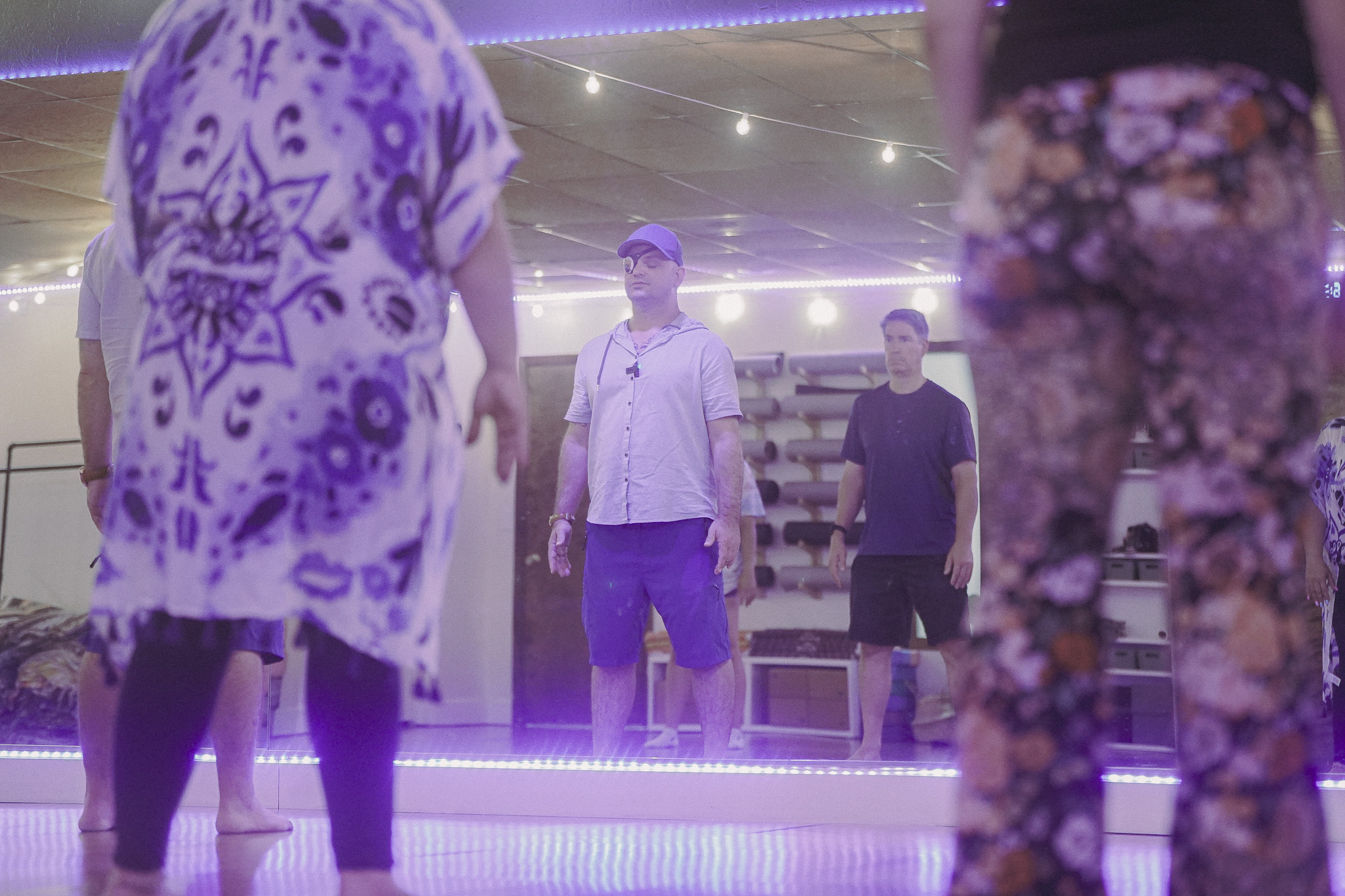
Tai Chi is not about solving the transition immediately
It is important to be realistic about what Tai Chi can and cannot do. Tai Chi does not remove grief, make difficult decisions for you, eliminate uncertainty, or replace therapy, medical care, community support, or practical life changes. When someone is moving through a major transition, they may need several layers of support.
What Tai Chi can offer is a supportive practice for the body and mind during the transition. It can help create space to slow down, notice stress signals, reconnect with breath, and practice moving through uncertainty without becoming completely disconnected from yourself.
This distinction matters because supportive wellness practices should not be presented as quick solutions to complex life circumstances. Tai Chi is not about making the transition disappear. It is about helping the body participate in the process of moving through it with more awareness and steadiness.
Tai Chi does not solve every life transition, but it can support the way a person inhabits their body while change is happening.
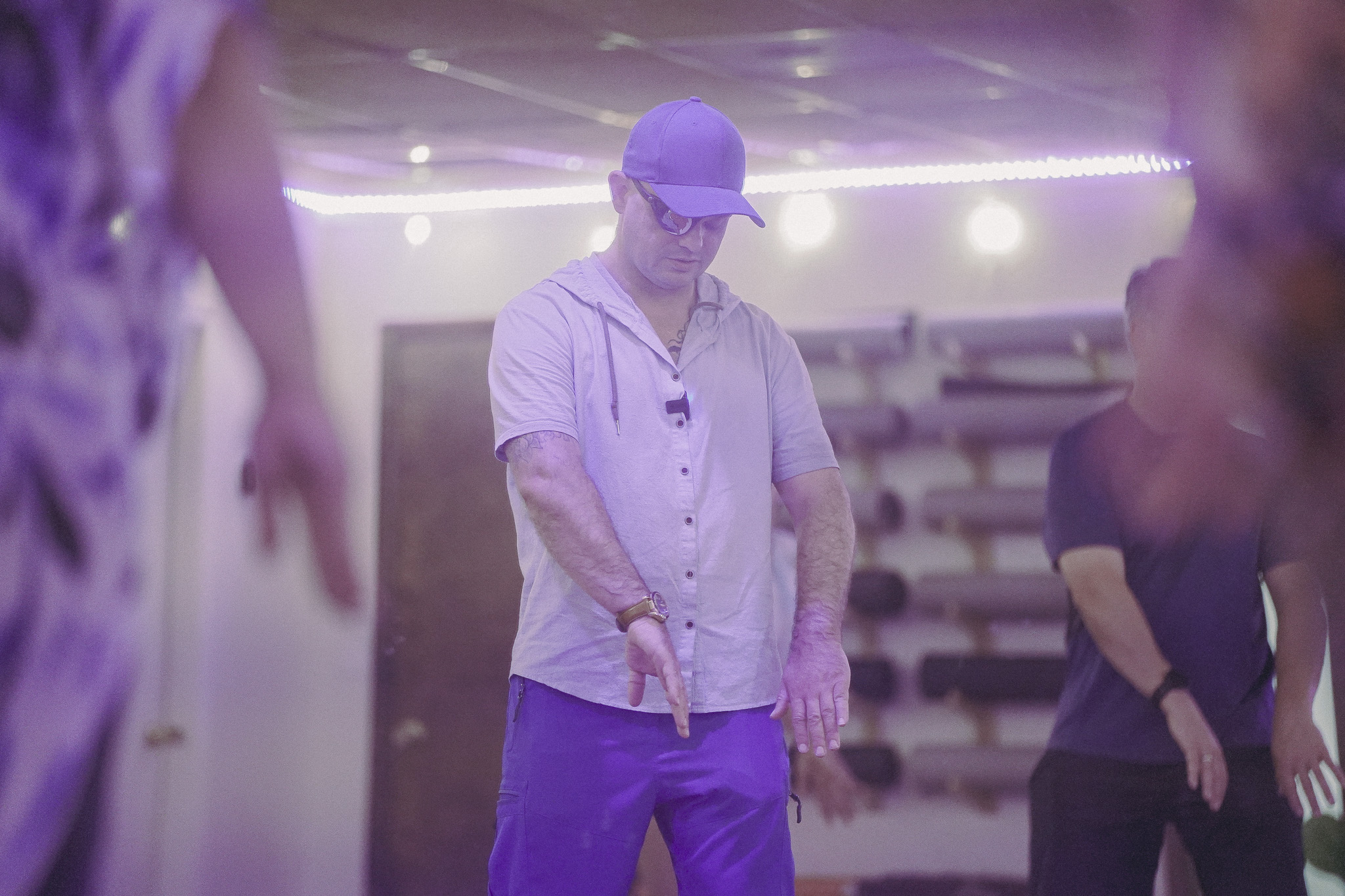
Tai Chi can be one supportive practice within a broader care system during major life changes.
How Tai Chi can support daily life during transition
The benefits of Tai Chi are not limited to class time. Over time, the awareness developed during practice may begin to show up during ordinary moments. This is especially helpful during transitions because daily life often contains many small moments of uncertainty, stress, or emotional activation.
A person may notice that they are holding their breath while making a difficult decision. They may recognize that their shoulders tense when talking about the transition. They may feel their body rushing when there is no immediate urgency. They may realize they need a pause before responding to a message, making a commitment, or moving into another responsibility.
These small moments of awareness can support more intentional action. Tai Chi trains the body to notice, pause, ground, and move with care. When these skills begin to transfer into daily life, a person may feel more equipped to navigate change without being completely overtaken by stress or pressure.
During Decisions
You may notice whether the body is rushing, bracing, or asking for more time before making a choice.
During Conversations
You may recognize emotional activation before responding, explaining, withdrawing, or agreeing too quickly.
During Uncertainty
You may use breath, feet, and posture as anchors when the mind wants immediate answers.
During New Routines
You may build a more grounded relationship with unfamiliar rhythms, roles, and responsibilities.
Tai Chi and The Healing Tree Collective
At The Healing Tree Collective, we recognize that life transitions can be emotionally, physically, and spiritually demanding. People may arrive during seasons of grief, growth, uncertainty, burnout, change, new beginnings, or quiet endings that are difficult to explain. In these seasons, many people do not need more pressure. They need supportive spaces where they can slow down and reconnect with themselves.
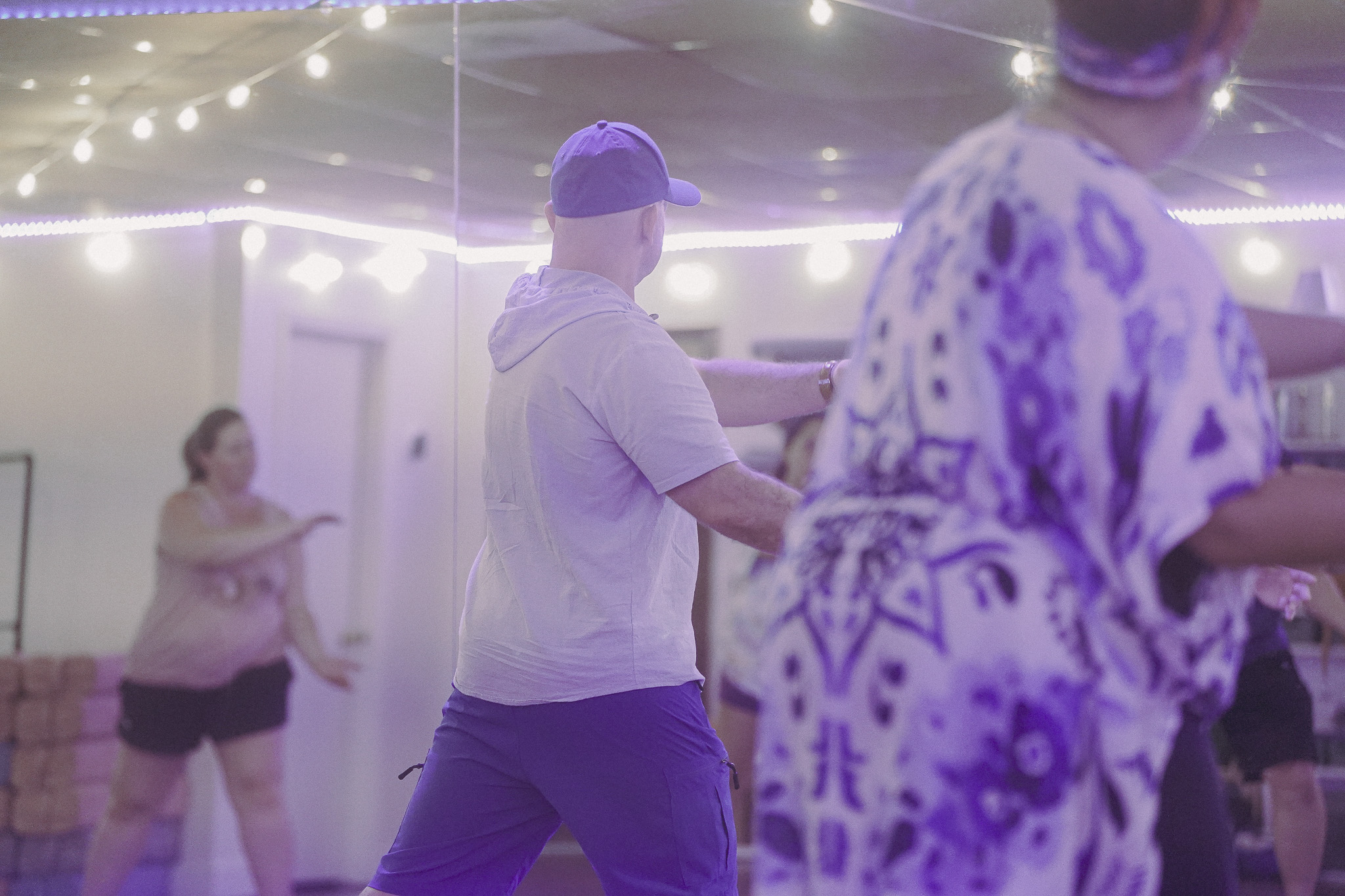
Tai Chi fits naturally into our approach because it offers a gentle, structured, and beginner-friendly way to practice presence during change. It does not require prior experience, athletic ability, or a perfectly calm mind. It simply invites people to move slowly, notice the body, feel the ground, and practice staying connected through transition.
Our mission is to create accessible wellness spaces where people can heal, grow, and reconnect with themselves through practices that feel supportive, educational, and real. Tai Chi supports that mission because it teaches people how to move through change with awareness rather than force, and how to find steadiness even when life is still shifting.
At The Healing Tree Collective, Tai Chi is offered as a practice for real life: a way to move through change, uncertainty, and transition with more awareness, grounding, and care.
Final thoughts: change requires support, not just strength
Tai Chi can feel supportive during stressful life transitions because it gives the body a steady practice during seasons that may feel uncertain, emotionally complex, or difficult to organize. Through slow movement, breath awareness, grounding, balance, and mindful transitions, the practice helps people reconnect with themselves while change is still unfolding.
The goal is not to force calm, rush healing, or solve every question immediately. The goal is to create a supportive rhythm where the body can participate in the transition with more awareness. Tai Chi can help people notice stress signals, honor the in-between, and practice steadiness before everything feels completely clear.
Life transitions often ask a person to change externally and internally at the same time. Tai Chi offers a way to move through that process with more patience, more connection, and more respect for the body’s pace.
Tai Chi can support stressful life transitions by helping people practice moving through change instead of rushing past the parts of themselves that still need time to adjust.
Looking for Tai Chi during a stressful life transition in Tempe, Arizona?
At The Healing Tree Collective, our beginner-friendly wellness classes are designed to support stress relief, mindfulness, body awareness, and deeper connection. If you are moving through change, uncertainty, grief, burnout, or a new season of life, Tai Chi may offer a gentle place to begin reconnecting with yourself.