12 July 2026
The Healing Tree Collective • Tempe, Arizona
Why Tai Chi Is a Good Meditation Practice for Busy Minds
A busy mind can make meditation feel almost impossible at first. The moment a person tries to sit still, thoughts may become louder. The mind may start planning, remembering, analyzing, worrying, reviewing conversations, or jumping ahead to everything that still needs to be done.
For many people, this creates the belief that meditation is not for them. They may assume their mind is too active, their body is too restless, or their life is too full to practice mindfulness in a meaningful way. But a busy mind does not mean someone is incapable of meditating. It may simply mean they need a meditation practice with more structure, movement, and physical grounding.
Tai Chi can be a good meditation practice for busy minds because it gives attention something steady to follow: breath, balance, posture, grounding, slow movement, and the feeling of the body moving through space.
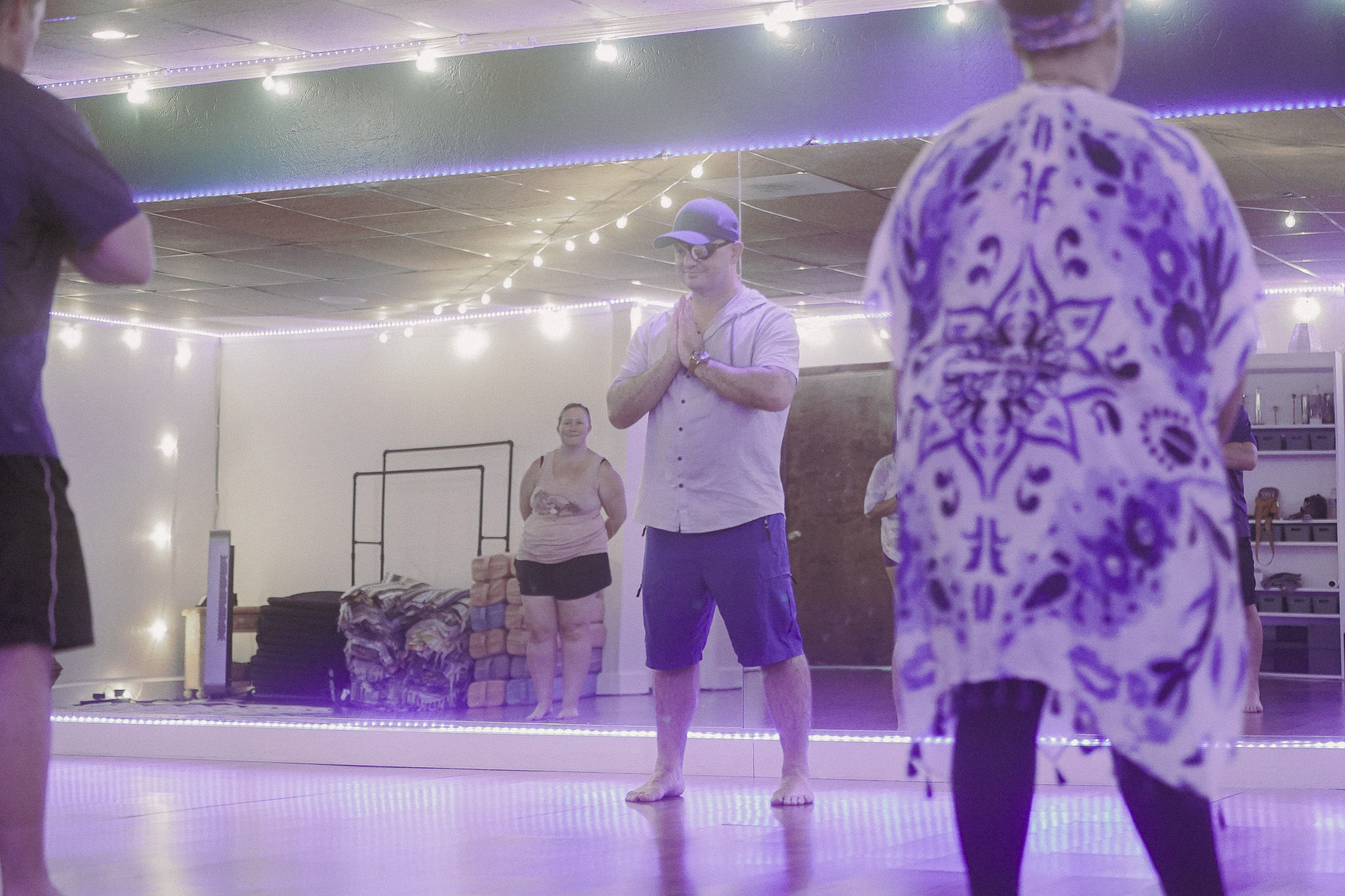
Tai Chi gives busy minds a practical meditation pathway through movement, breath, balance, and body awareness.
Tai Chi may be supportive for busy minds because it helps you practice:
A more grounded relationship with attention, distraction, and mental noise.
- Returning to the body
- Following slow movement
- Noticing the breath
- Feeling the feet on the ground
- Practicing balance and patience
- Moving attention away from mental looping
- Building mindfulness without forced stillness
A busy mind is not a meditation failure
Many people misunderstand meditation because they believe the mind is supposed to become completely quiet. When thoughts continue to appear, they assume they are doing something wrong. This can be especially discouraging for people whose minds are naturally active or constantly occupied with responsibilities, problem-solving, caregiving, work, planning, or emotional processing.
A busy mind during meditation does not mean the practice is failing. It often means the person is finally noticing how active the mind has already been. In daily life, mental activity can be hidden under tasks, conversation, screens, errands, and constant stimulation. When things slow down, the noise becomes more noticeable.
Tai Chi can help shift the experience of meditation because it does not require the mind to become empty before practice begins. Instead, it gives the mind a clear task: follow the body. The mind can return to the feet, the breath, the hands, the posture, or the next movement. This makes meditation feel more practical for people who struggle with silence or stillness.
A busy mind does not disqualify you from meditation. It gives you more opportunities to practice returning.
Busy minds often need a physical anchor
When the mind is busy, attention can feel scattered. A person may be thinking about several things at once, moving between unfinished tasks, planning future conversations, replaying past moments, or trying to solve problems that do not have immediate answers. In this state, being told to “just be present” may not feel helpful because the mind has no clear place to land.
Tai Chi provides a physical anchor for attention. Instead of asking the mind to focus on nothing, the practice asks attention to follow something concrete. The feet touch the ground. The weight shifts. The hands move slowly. The breath changes. The posture adjusts. The body becomes the place where the mind can return.
This physical anchor is one of the reasons Tai Chi can be a good meditation practice for busy minds. It turns mindfulness into something a person can feel and follow. The practice becomes less about controlling thoughts and more about repeatedly guiding attention back into the body.
For a busy mind, the body can become a reliable anchor because it gives attention something real, physical, and present to return to.
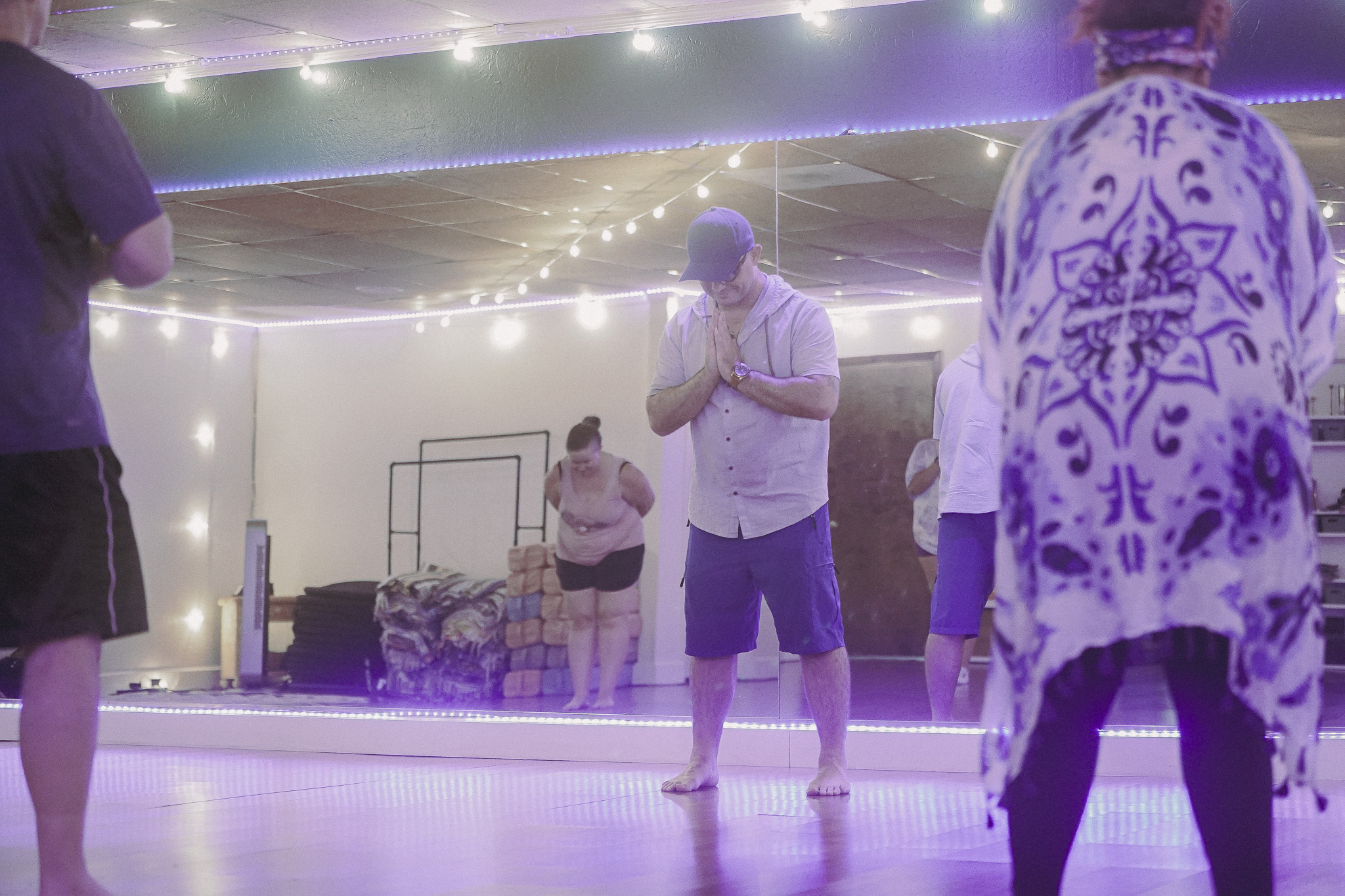
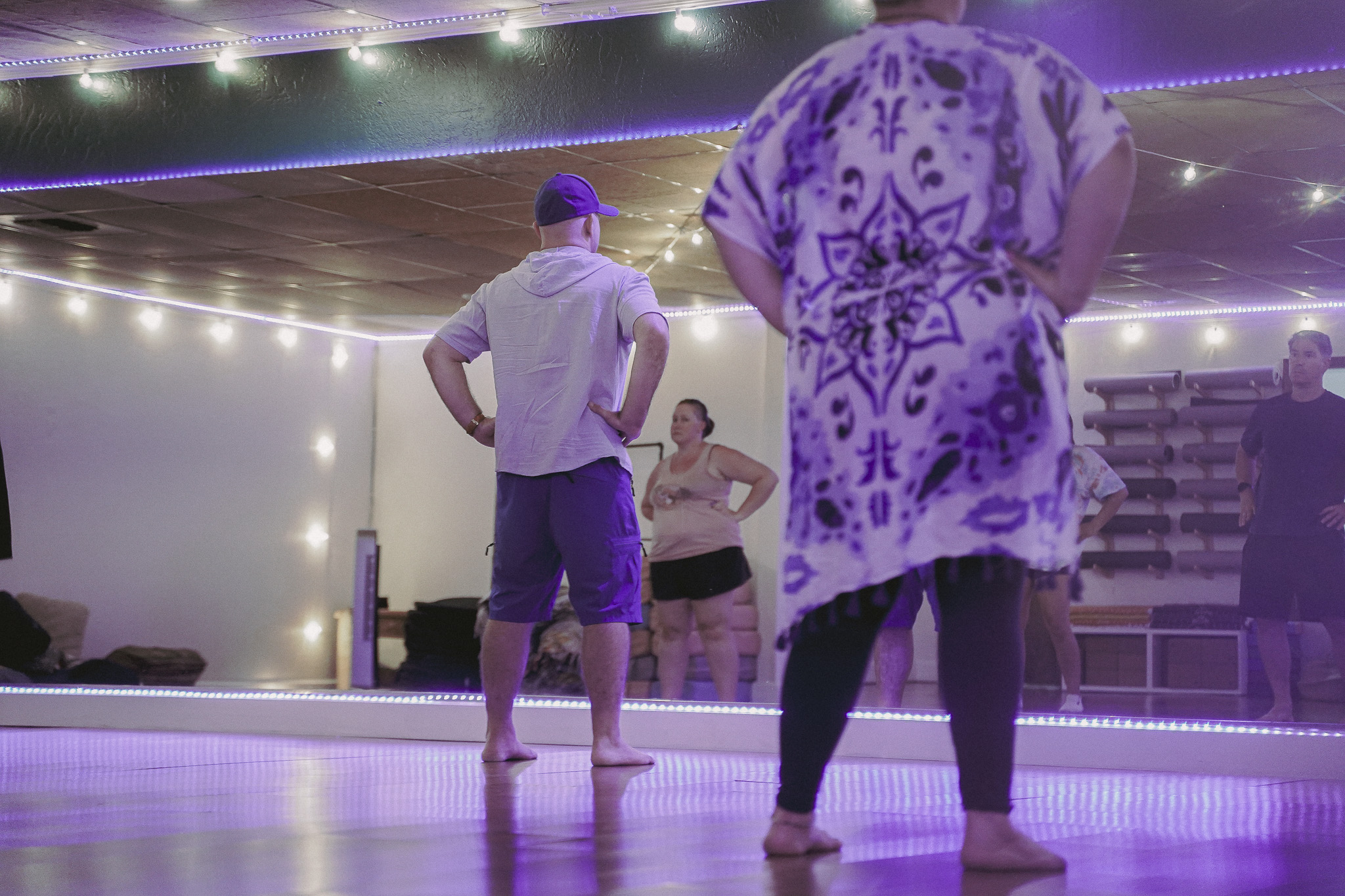
Tai Chi gives the mind a steady sequence to follow
One of the challenges of seated meditation for busy minds is that the practice can feel too open-ended. A person may sit down, close their eyes, and immediately feel unsure what to do with all the thoughts that appear. Without enough structure, the mind may keep moving in familiar loops.
Tai Chi offers structure through sequence. The practitioner follows a pattern of movement, breath, weight shifting, posture, and transition. This sequence gives the mind something organized to track. It is not overly stimulating, but it is also not empty. It provides enough guidance for attention to feel supported.
This can be especially helpful for people who find it difficult to meditate without movement. The sequence creates a pathway. When attention wanders, the practitioner does not have to figure out where to return. They can come back to the next movement, the next shift of weight, or the next breath.
Tai Chi supports busy minds by giving attention a steady path to follow, rather than leaving the mind alone with its own noise.
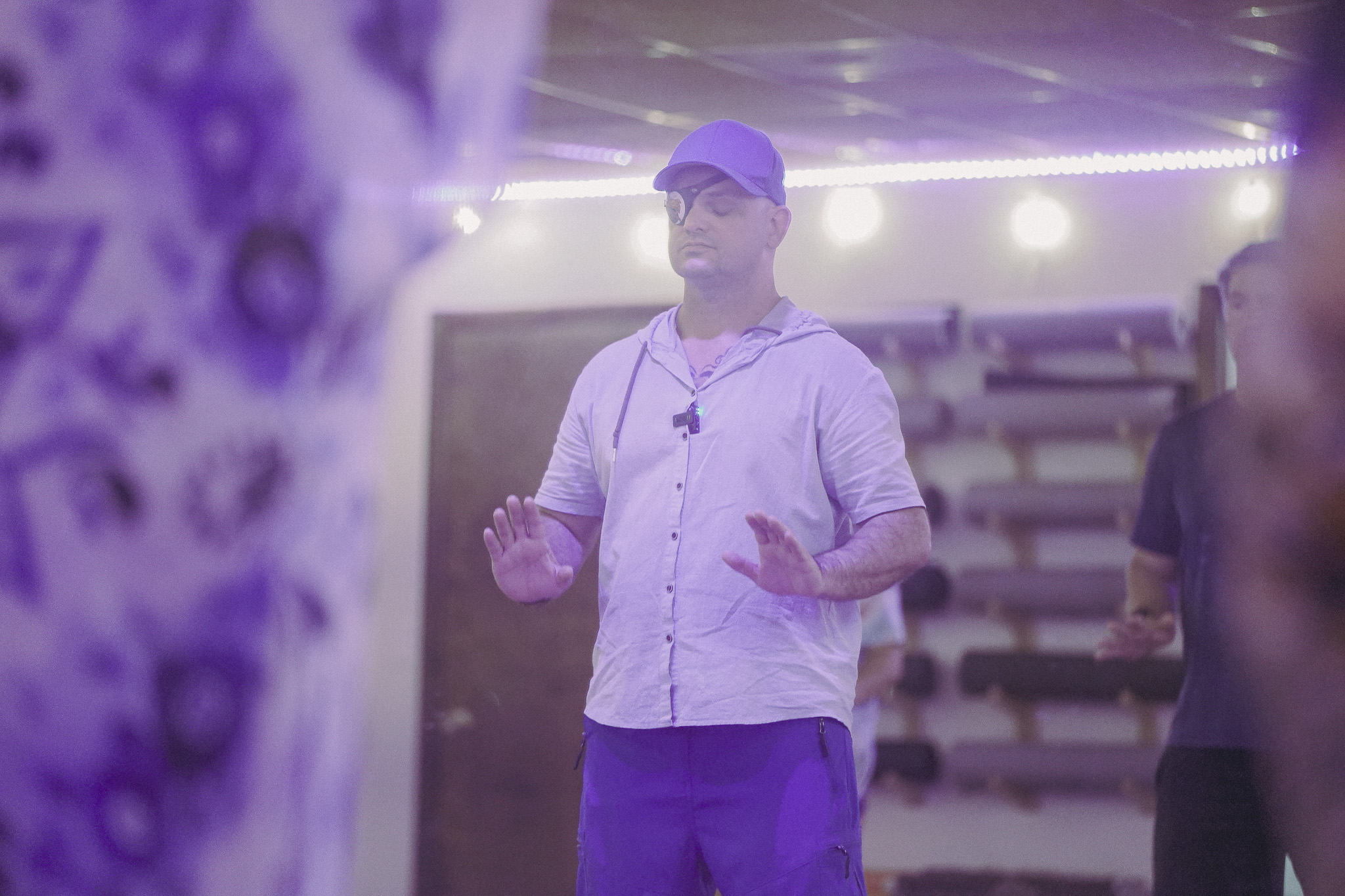
The structure of Tai Chi can help organize attention when the mind feels scattered or overwhelmed.
The practice does not ask you to stop thinking
A common misconception is that meditation requires a person to stop thinking. This expectation can make busy-minded people feel defeated before they even begin. The more they try to stop thoughts, the more noticeable those thoughts become. This can turn meditation into a struggle against the mind.
Tai Chi takes a gentler approach. Thoughts may still appear during practice. A person may think about work, family, responsibilities, the class sequence, or whether they are doing the movement correctly. None of this means the practice has stopped. The important part is noticing when attention has wandered and returning to the body.
This makes Tai Chi more forgiving and more realistic. The mind does not need to become silent before the practice can be useful. The practice helps the mind relate differently to thought. Instead of following every mental thread, attention learns to return to movement, breath, balance, and grounding.
The goal is not to stop thinking. The goal is to notice thinking and return to the body with patience.
Thoughts Appear
The mind may plan, remember, evaluate, or drift into distraction during practice.
You Notice
Awareness begins when you recognize that attention has moved away from the present moment.
You Return
The feet, breath, posture, and movement provide clear places to bring attention back.
You Continue
Each return becomes part of the meditation, even when the mind wanders many times.
Tai Chi can help reduce mental looping
Busy minds often get caught in loops. A person may replay the same concern repeatedly, imagine multiple possible outcomes, overthink a conversation, or keep returning to a decision that has not yet become clear. Mental looping can feel exhausting because it gives the impression of problem-solving without always creating resolution.
Tai Chi can help interrupt this pattern by redirecting attention into physical experience. The mind is invited away from repetitive thought and into the movement happening now. The weight shifts. The breath is noticed. The body turns. The hands move through space. These physical anchors help attention step out of the loop and into the present moment.
This does not mean Tai Chi solves every concern. It means the practice can provide a break from constant mental repetition. That break can be valuable because the mind often needs space before it can return to decisions, communication, or problem-solving with more clarity.
When the mind is caught in a loop, Tai Chi gives attention a different pattern to follow through the body.
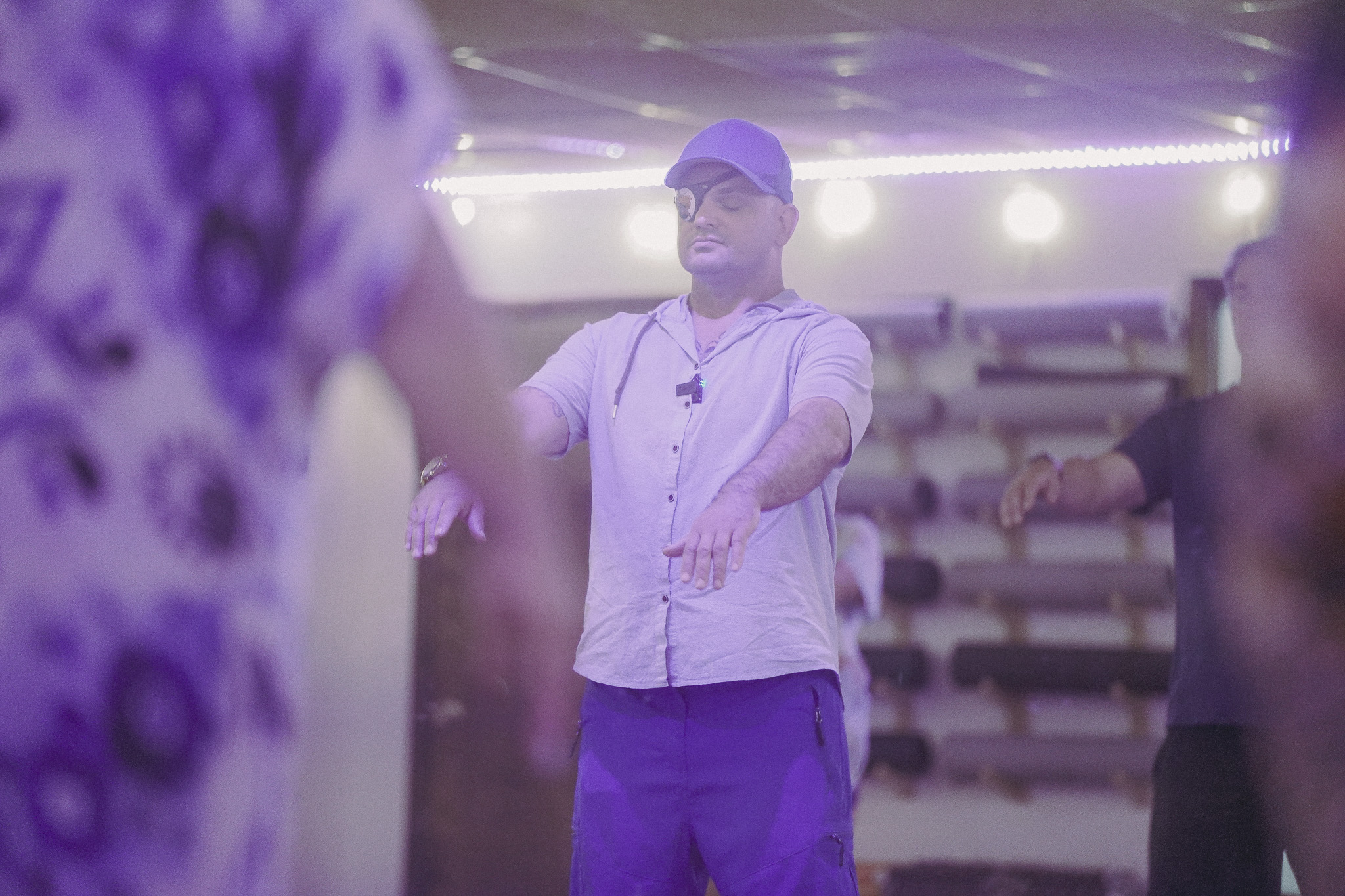
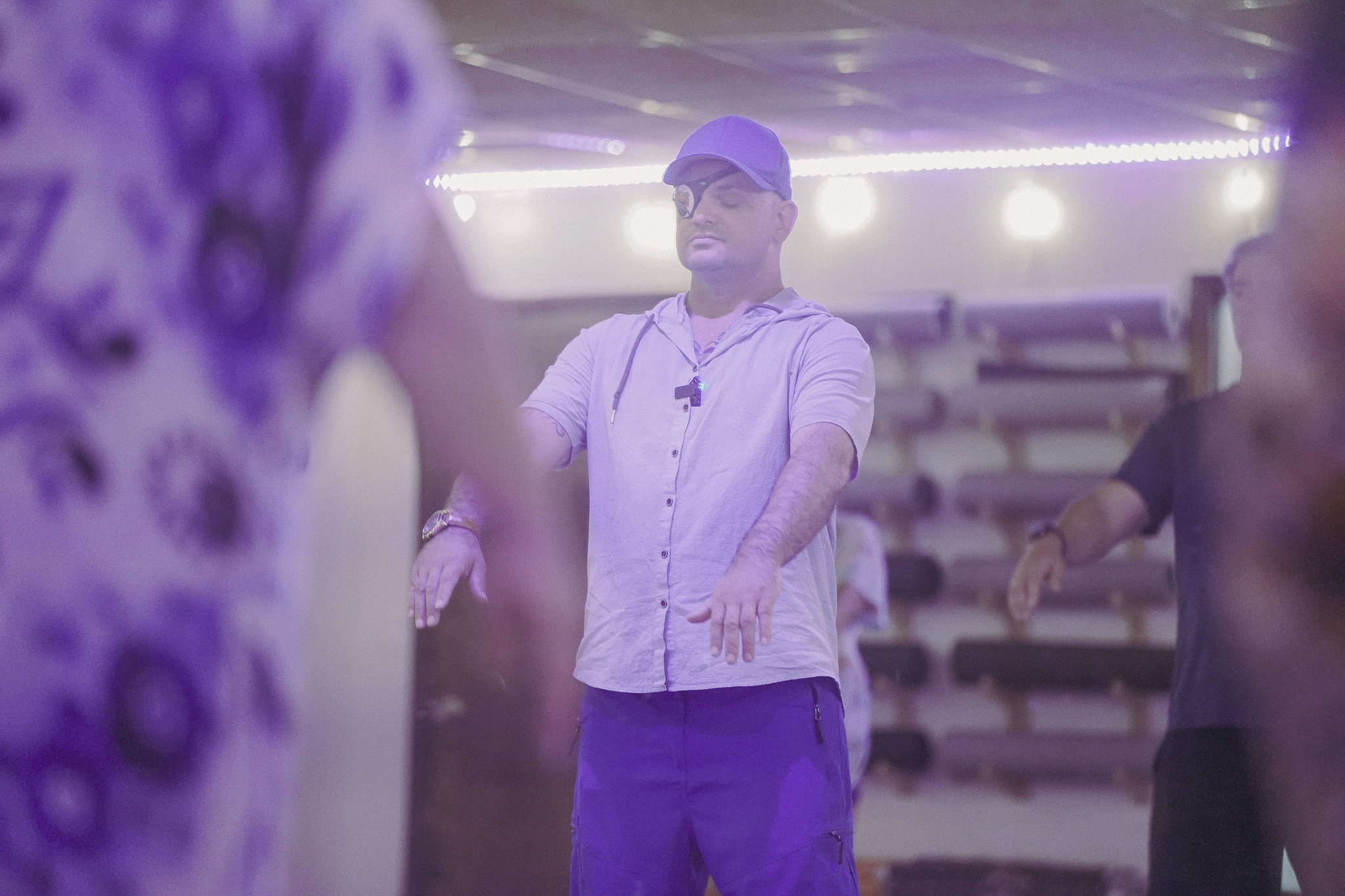
Movement makes mindfulness more accessible for restless bodies
A busy mind often comes with a restless body. The body may feel fidgety, tense, unsettled, or uncomfortable in stillness. For some people, sitting meditation can make restlessness feel more obvious, which can lead to frustration or the belief that meditation is not possible.
Tai Chi offers a middle path between constant activity and complete stillness. The body remains gently engaged, but the movement is slow and intentional. This allows restlessness to have somewhere to go without turning into rushing, intensity, or distraction.
For people who struggle to sit still, this can make mindfulness feel more accessible. They are not asked to freeze the body in order to calm the mind. They are invited to move in a way that supports attention, breath, and body awareness.
Tai Chi can help restless bodies practice mindfulness because the body is allowed to move while attention learns to slow down.
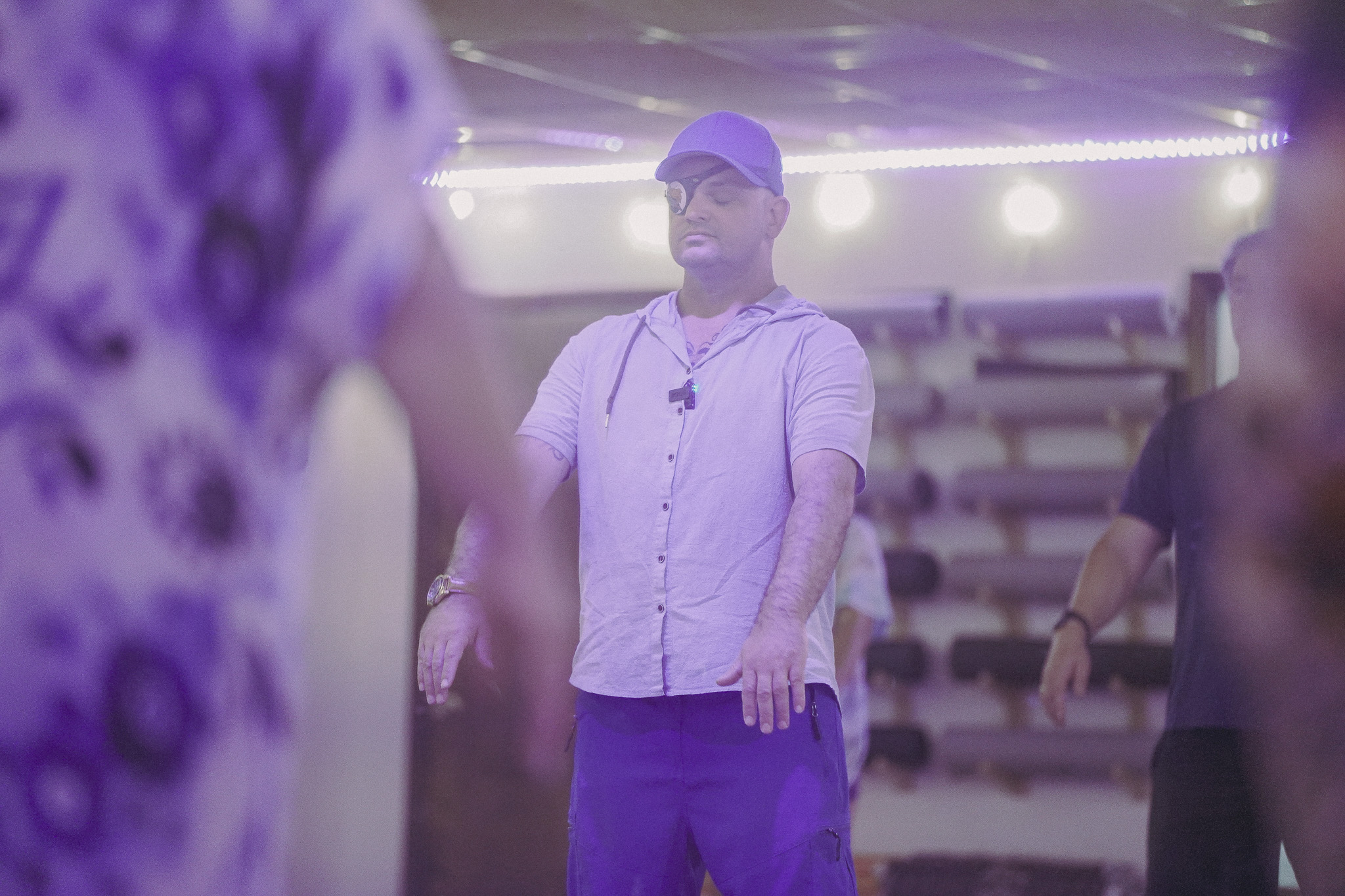
For people who feel restless in stillness, Tai Chi offers a meditation practice where movement becomes part of the support.
Breath awareness helps busy minds slow down
The breath can be one of the first signs that the mind and body are moving too quickly. When someone is stressed, thinking intensely, or feeling mentally overloaded, the breath may become shallow, held, or restricted. Many people do not notice this because attention is focused on thoughts rather than physical experience.
In Tai Chi, breath awareness develops through movement. The practitioner does not need to force the breath into a perfect pattern. Instead, the slower pace creates space to notice what the breath is already doing. A person may recognize when they are holding the breath during concentration, when an exhale helps soften tension, or when the body feels more coordinated as breathing becomes more available.
For busy minds, this can be helpful because the breath gives attention a simple place to return. The breath does not need to solve every thought. It simply brings the practitioner back to something happening now.
Breath awareness helps busy minds slow down by giving attention a living rhythm to follow in the present moment.
Balance helps attention stay present
Balance is another reason Tai Chi can be helpful for busy minds. When the body is shifting weight slowly, attention cannot move too far away without the body noticing. Balance invites the mind to stay close to the present moment.
This does not mean the practice has to be difficult or physically intense. Even simple weight shifts can teach attention. The practitioner notices where the weight is held, how the body adjusts, and what happens when movement is rushed. This creates a practical relationship between attention and physical steadiness.
For busy minds, balance becomes a teacher. It reminds the practitioner that presence is not an abstract idea. It is felt through the body. When attention returns to balance, the mind becomes less scattered because it has to participate in what is happening now.
Balance helps busy minds because the body asks attention to stay close, steady, and connected to the present movement.


Tai Chi can help busy minds practice one thing at a time
Busy minds are often trying to hold several things at once. A person may be thinking about work while responding to family needs, checking messages while planning the next task, or carrying emotional stress while trying to stay productive. This constant divided attention can make the mind feel crowded and the body feel tense.
Tai Chi invites attention into one thing at a time. One breath. One movement. One shift of weight. One transition. This does not mean all other thoughts disappear, but the practice creates a clear priority for attention. The mind is gently guided toward what is happening now.
This one-thing-at-a-time quality can feel deeply supportive for people who are used to mental multitasking. It gives the nervous system a different rhythm and reminds the mind that it does not always have to manage everything at once.
For a busy mind, practicing one thing at a time can become a powerful form of relief.
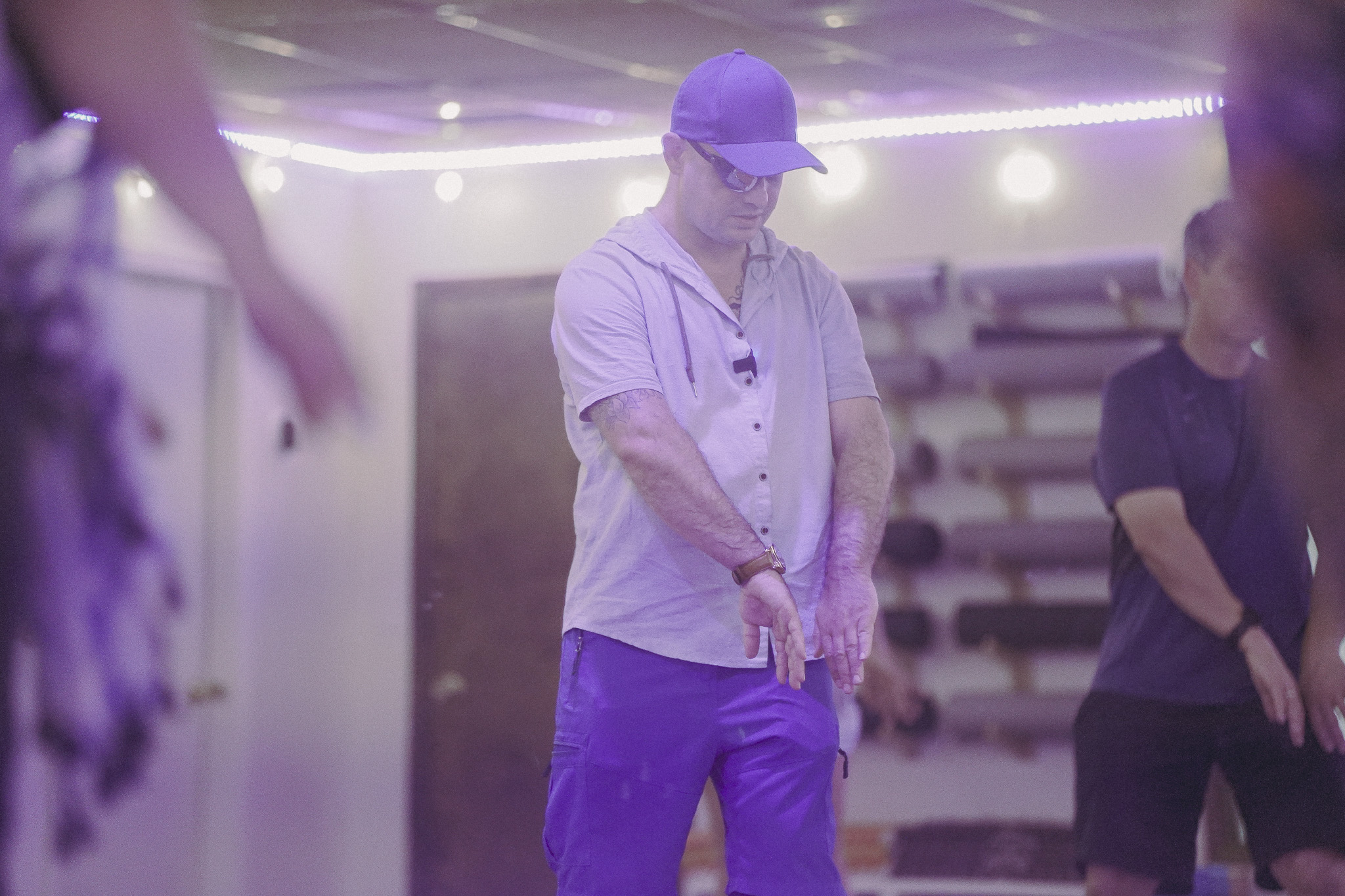
Tai Chi encourages attention to follow one movement, one breath, and one transition at a time.
Busy minds often benefit from repetition
Repetition is one of the reasons Tai Chi can become more supportive over time. At first, the movements may feel unfamiliar, and the mind may be busy trying to remember what comes next. This is normal. The body is learning a new pattern, and the mind is learning how to follow it.
As the movements become more familiar, the mind has more space to notice the breath, posture, balance, and internal state. The repeated sequence becomes less about memorization and more about awareness. This is where the practice begins to deepen.
For busy minds, repetition creates predictability. The body begins to recognize the rhythm. The mind begins to understand where to return. The practice becomes less overwhelming because the repeated movements create a familiar pathway into presence.
Repetition helps busy minds settle because the body and attention begin to recognize the pathway back to presence.
First Class
The mind may focus on learning the sequence, following the teacher, and understanding the pace.
Early Practice
The movements begin to feel more familiar, and attention can return more easily to the body.
Consistent Practice
The repetition can help the mind settle into rhythm, breath, grounding, and body awareness.
Daily Integration
The skill of returning may begin to support everyday stress, communication, and transitions.
Tai Chi can support daily life for busy minds
The skills developed in Tai Chi can become useful outside of class because busy minds do not only appear during meditation. They appear during work, parenting, conversations, decision-making, rest, errands, and transitions. A person may notice that the mind is already three steps ahead while the body is still carrying stress from the previous moment.
Tai Chi helps people practice noticing this pattern. Over time, a person may become more aware of when the mind is racing, when the breath is shallow, when the body is rushing, or when attention is scattered across too many demands. These observations can create space for a different response.
Instead of continuing automatically, a person may pause, breathe, feel their feet, soften their shoulders, or return to one task at a time. This is where Tai Chi becomes practical. It is not only a class. It is a way of training attention that can support the real moments where life feels full.
At Work
You may notice when the mind is scattered and use breath or posture to return to one task.
In Relationships
You may pause before reacting from pressure, defensiveness, or mental overload.
During Transitions
You may create space between one responsibility and the next instead of rushing automatically.
Before Rest
You may use gentle movement to help the body move out of the pace of the day.
Tai Chi is not a replacement for mental health care
Tai Chi can be a supportive wellness practice for mindfulness, body awareness, stress awareness, gentle movement, and emotional wellbeing, but it is not a replacement for therapy, medication, medical care, psychiatric support, trauma-informed treatment, or crisis services. If someone is experiencing persistent anxiety, panic, depression, trauma symptoms, thoughts of self-harm, or difficulty functioning, support from a qualified professional may be necessary.
At the same time, many people benefit from practices that help them work with everyday stress, mental noise, body tension, and attention fatigue. Tai Chi can be one supportive part of a broader care routine because it offers a gentle, accessible way to practice meditation without requiring stillness, silence, or perfection.
The value of Tai Chi is not that it removes every thought or solves every source of stress. Its value is that it gives busy minds a repeatable way to return to the body, the breath, and the present moment.
Tai Chi can support mindfulness and stress awareness as part of a broader wellness routine, but it should not replace professional mental health support when that support is needed.
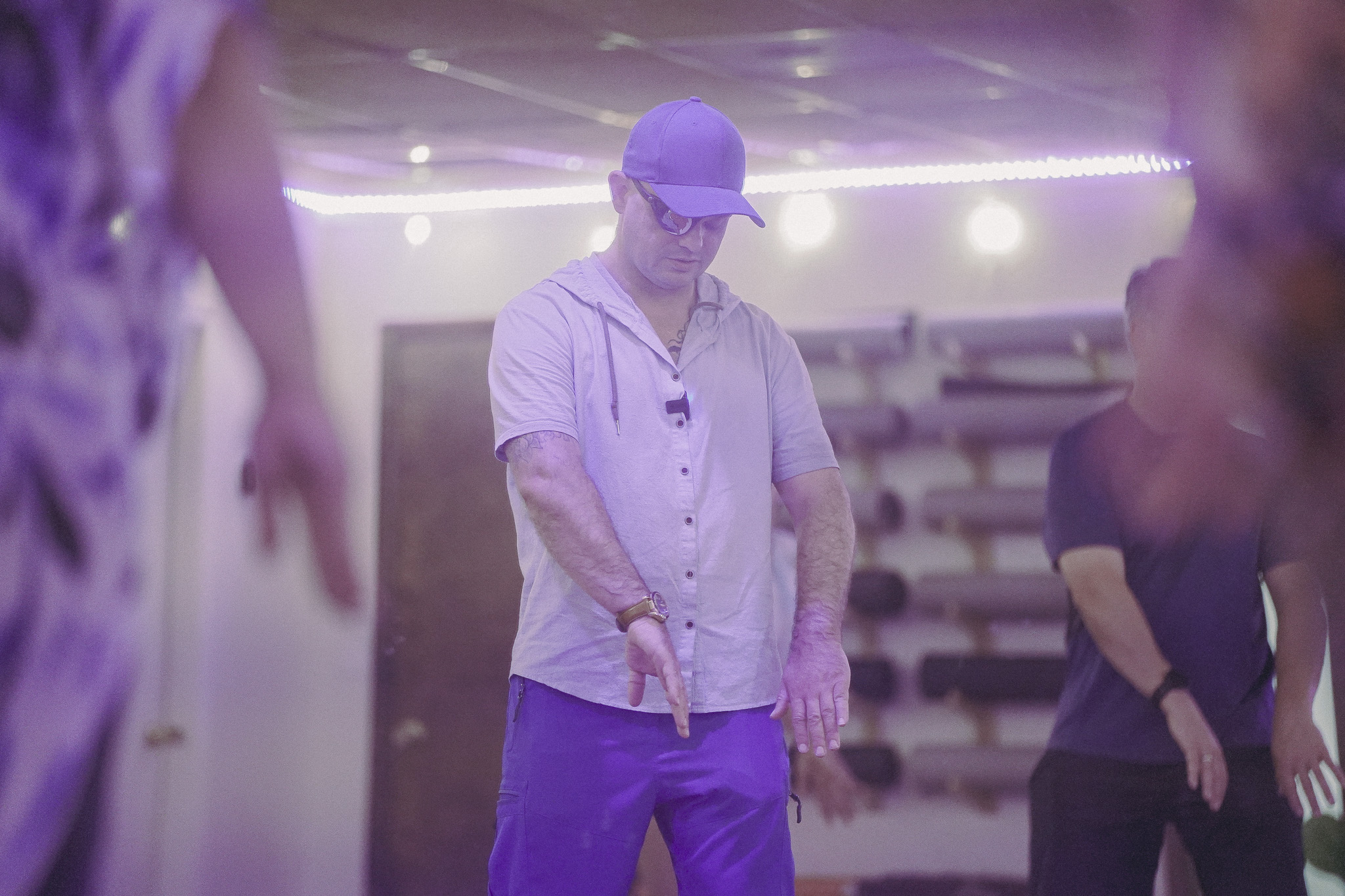
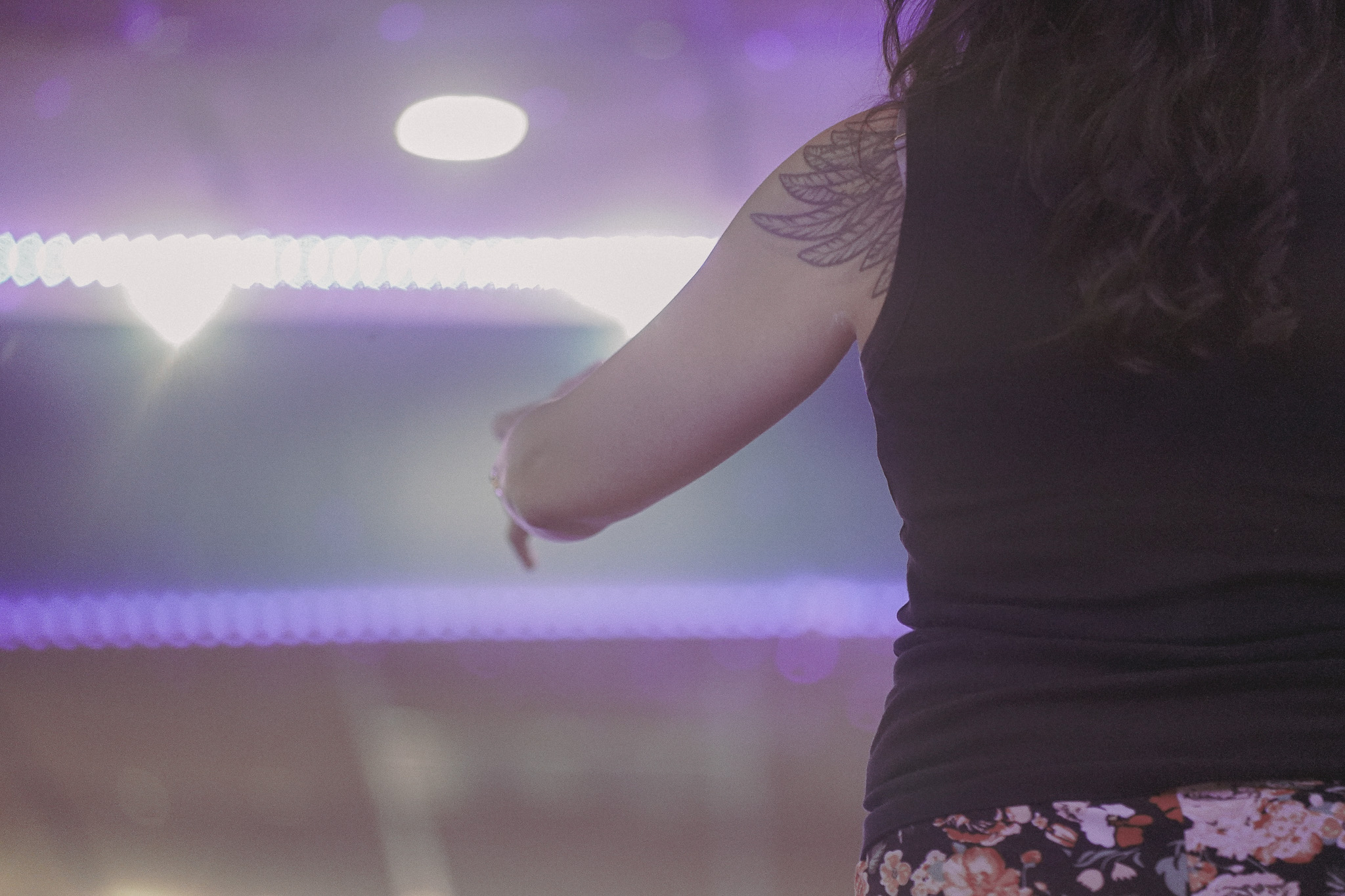
Tai Chi and The Healing Tree Collective
At The Healing Tree Collective, we understand that many people arrive with full minds. They may be carrying work stress, family responsibilities, emotional pressure, decision fatigue, grief, overstimulation, or the quiet exhaustion of constantly thinking ahead. They may want to meditate, but sitting still with a busy mind may feel discouraging or unrealistic.
Tai Chi fits naturally into our approach because it offers meditation through movement. It gives people a way to slow down without forcing stillness, to practice mindfulness without needing an empty mind, and to reconnect with the body through breath, balance, posture, and gentle movement.
Our mission is to create accessible wellness spaces where people can heal, grow, and reconnect with themselves through practices that feel supportive, educational, and real. Tai Chi supports that mission because it meets busy minds with structure, patience, and a grounded path back to presence.
At The Healing Tree Collective, Tai Chi is offered as a meditation practice for real life: a way to support busy minds through movement, breath, grounding, and return.
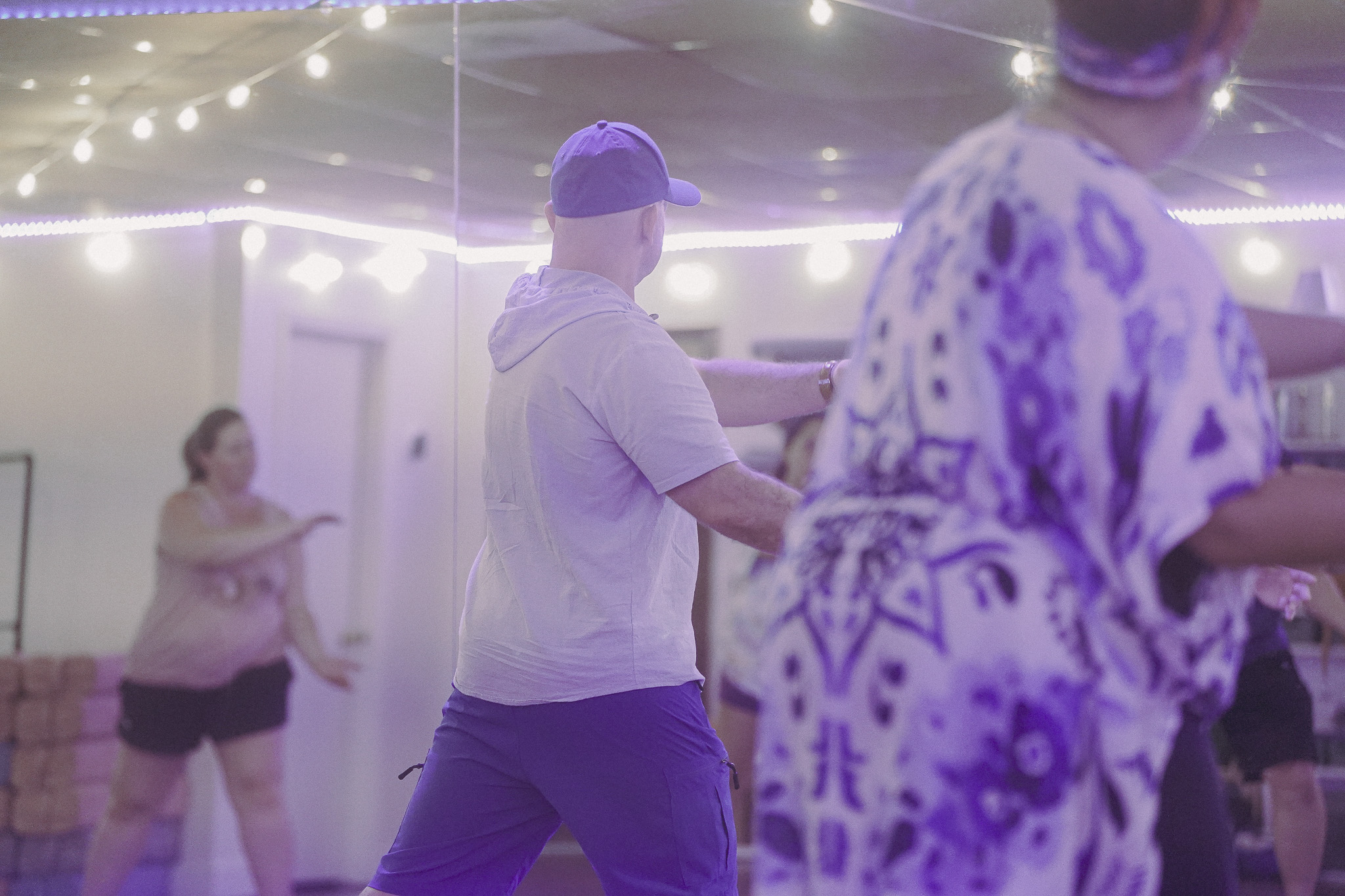
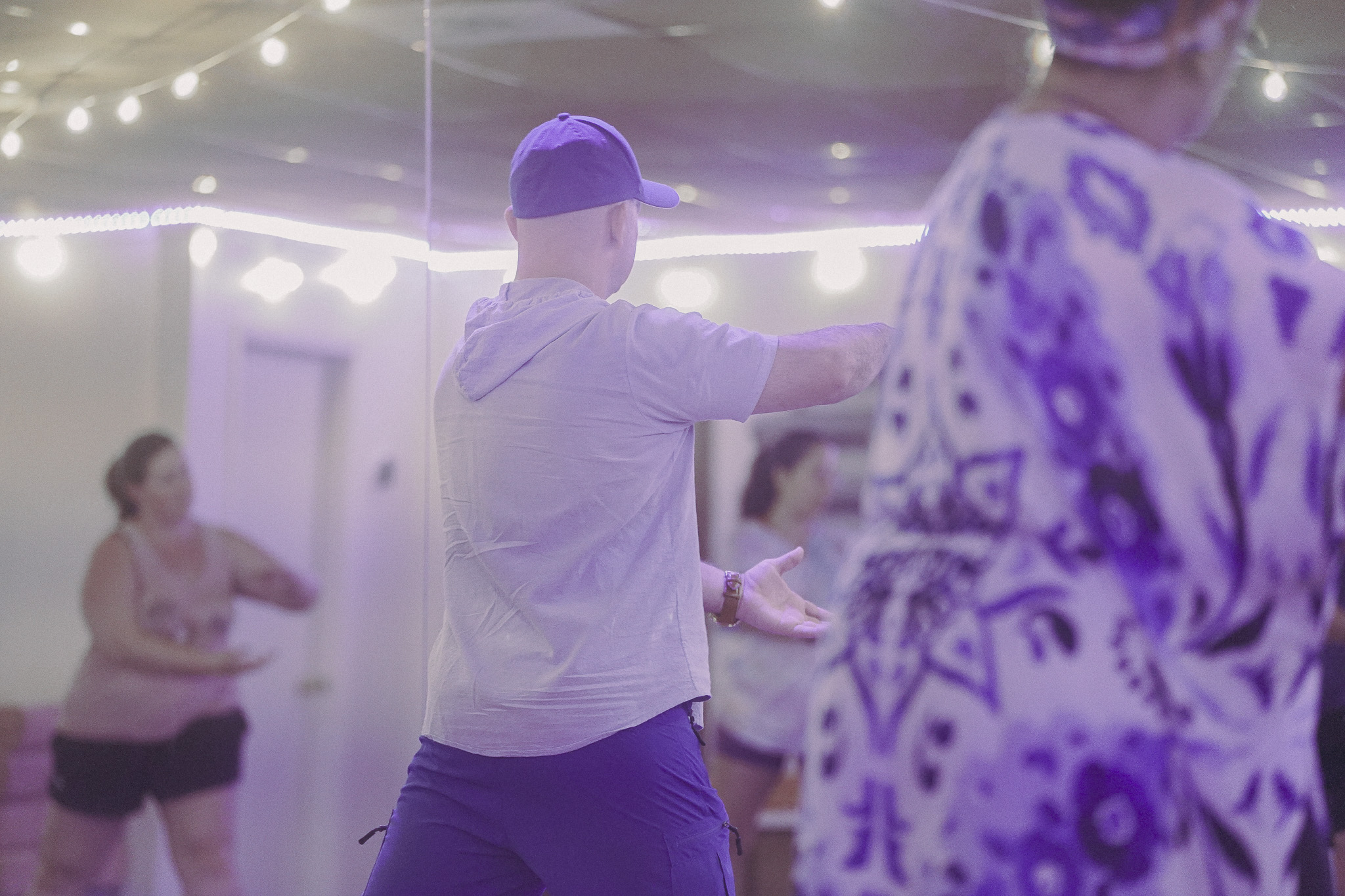
Final thoughts: busy minds need support, not judgment
Tai Chi is a good meditation practice for busy minds because it does not ask the mind to become empty before beginning. Instead, it gives attention a steady place to return through breath, balance, posture, grounding, slow movement, and mindful transitions.
For people who struggle with seated meditation, racing thoughts, restlessness, or mental overload, Tai Chi can offer a more accessible pathway into mindfulness. The body remains gently active, the mind has structure, and the practice becomes less about forcing silence and more about returning to the present moment.
A busy mind does not mean meditation is impossible. It may simply mean the practice needs to meet the mind through the body. Tai Chi offers that meeting place, one breath, one movement, and one return at a time.
Tai Chi supports busy minds by turning meditation into movement, giving attention a grounded path back to the present moment.
Looking for Tai Chi meditation for busy minds in Tempe, Arizona?
At The Healing Tree Collective, our beginner-friendly wellness classes are designed to support stress relief, mindfulness, body awareness, and deeper connection. If you are curious about Tai Chi, moving meditation, or mindfulness practices that support busy minds, you are welcome to begin here.