18 June 2026
Why Tai Chi Takes Practice: Understanding the Benefits Over Time
One of the most important things to understand about Tai Chi is that the benefits are not always immediate, obvious, or dramatic after one class.
You may try Tai Chi for the first time and feel calm. You may feel awkward. You may feel unsure. You may leave wondering if you “did it right” or if anything was really happening at all.
That does not mean the practice is not working. It means Tai Chi often reveals its benefits slowly, through repetition, awareness, patience, and time.
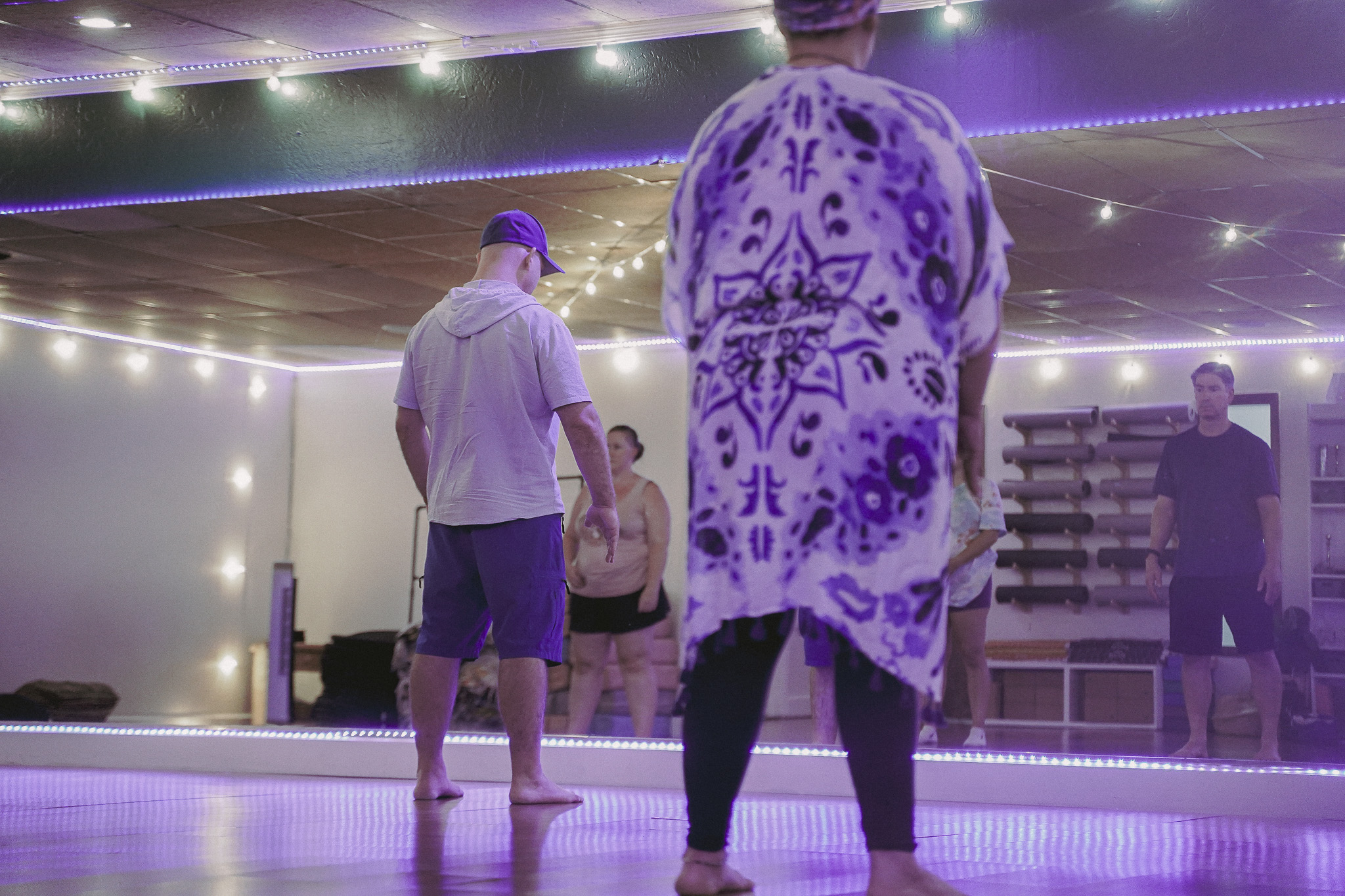
Tai Chi deepens through repetition. Each class gives the body another chance to notice, adjust, and return.
Over time, Tai Chi can help you build:
Benefits that often grow through consistency rather than intensity.
- Body awareness
- Balance and coordination
- Breath awareness
- Patience with the body
- A calmer relationship with stress
- More presence in daily life
Why people expect Tai Chi to work right away
Many people come into wellness practices hoping for a quick shift. They want to feel calmer immediately. They want their stress to melt away. They want their body to feel different after one class. They want to know that the practice “worked.”
That desire makes sense. When you are stressed, overwhelmed, anxious, burned out, or disconnected from your body, you naturally want relief. You want to feel better. You want something to help.
But Tai Chi does not always work like an instant reset button. Sometimes it is more like learning a new language with your body. At first, the movements may feel unfamiliar. The pace may feel too slow. The coordination may feel awkward. Your mind may wander. Your body may not know how to relax yet.
That does not mean nothing is happening. It means your body is being introduced to a different rhythm.
Tai Chi is not always about immediate transformation. Sometimes it is about slowly teaching the body another way to move, breathe, listen, and respond.
The first class is only an introduction
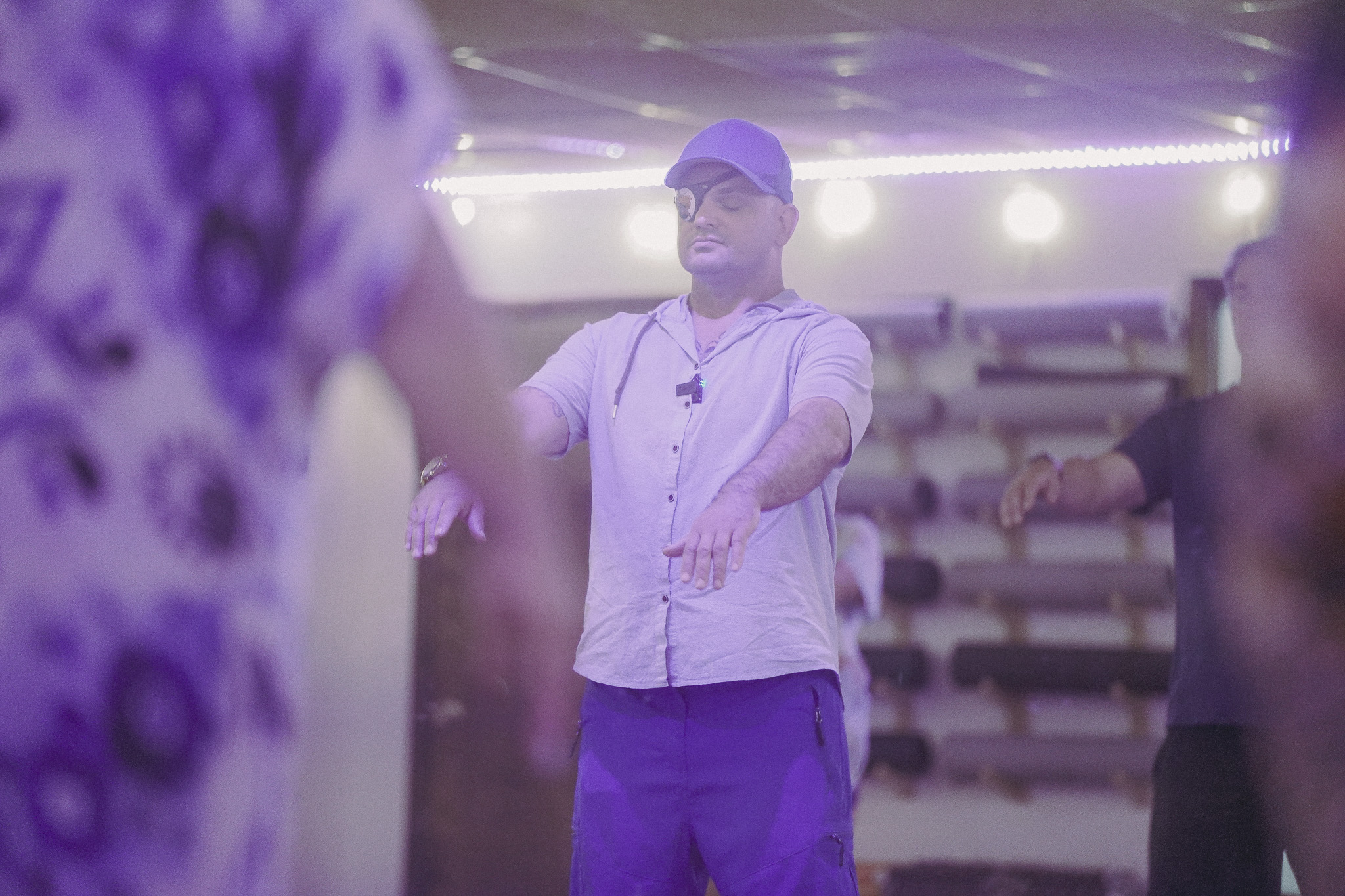
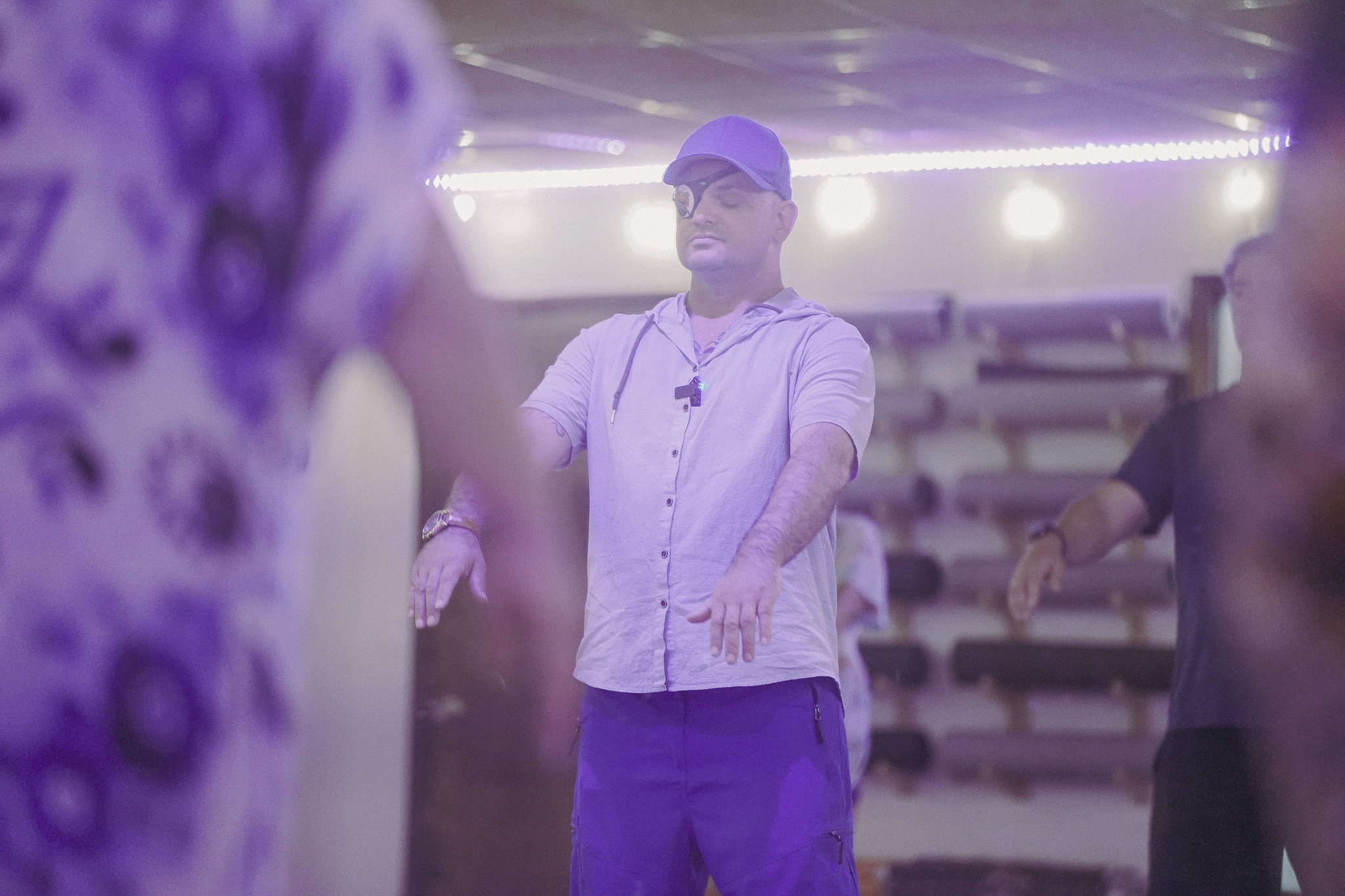
Your first Tai Chi class is not meant to be the full understanding of the practice. It is an introduction. It gives you a first experience of the pace, the movement, the breath, the balance, and the kind of attention Tai Chi asks for.
During your first class, you may spend a lot of energy simply following along. You may be focused on where to place your feet, how to move your arms, when to shift your weight, or how to stay with the instructor. That is normal.
Because your mind is busy learning the outside shape of the movement, you may not yet feel the deeper layers. The awareness, breath, ease, grounding, and flow often become clearer after the body has had more time to practice.
This is why one class can be meaningful, but it does not tell the whole story. Tai Chi is something you begin to understand through returning.
The first class introduces your body to Tai Chi. Repetition is what helps your body begin to understand it.
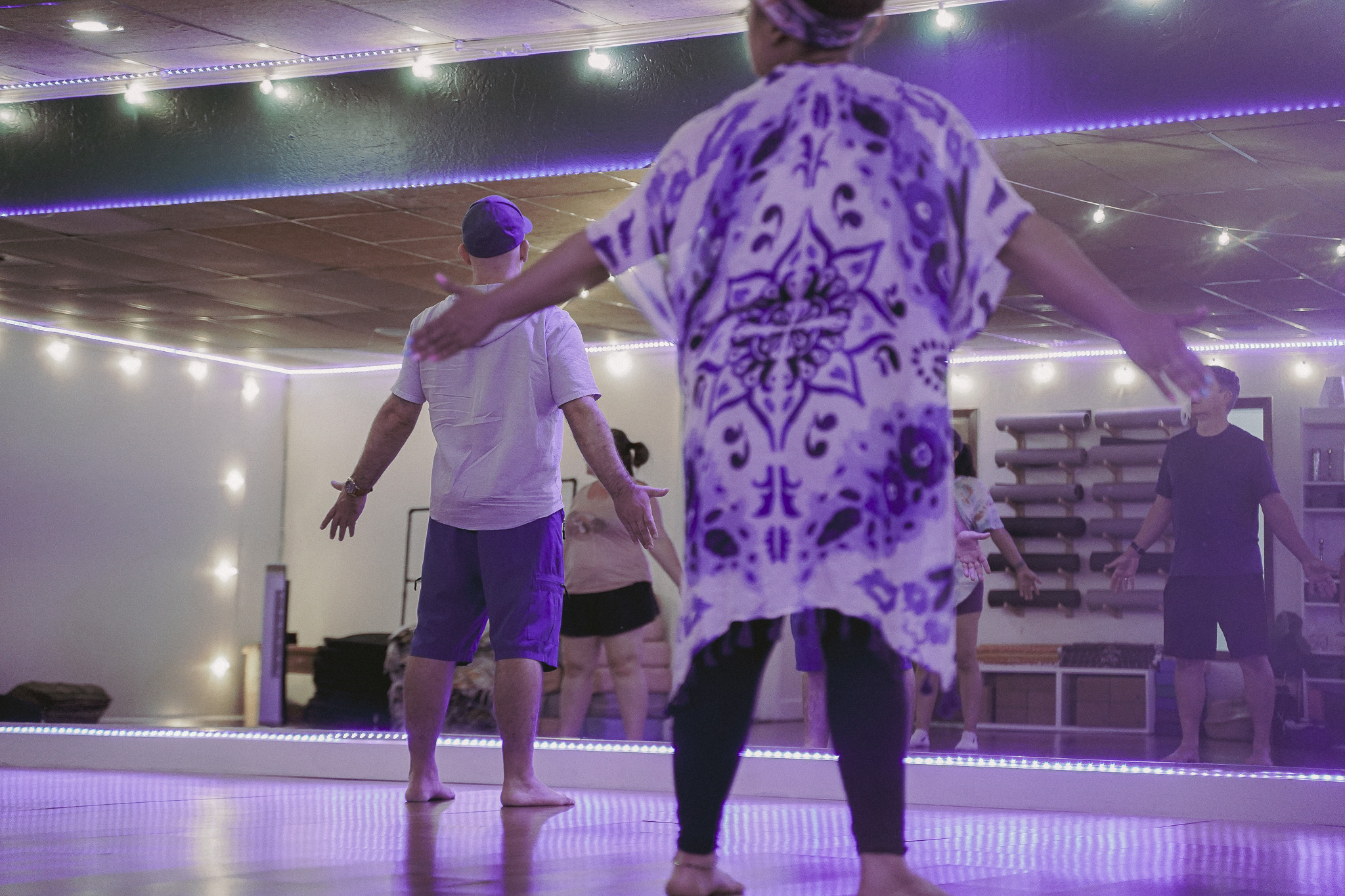
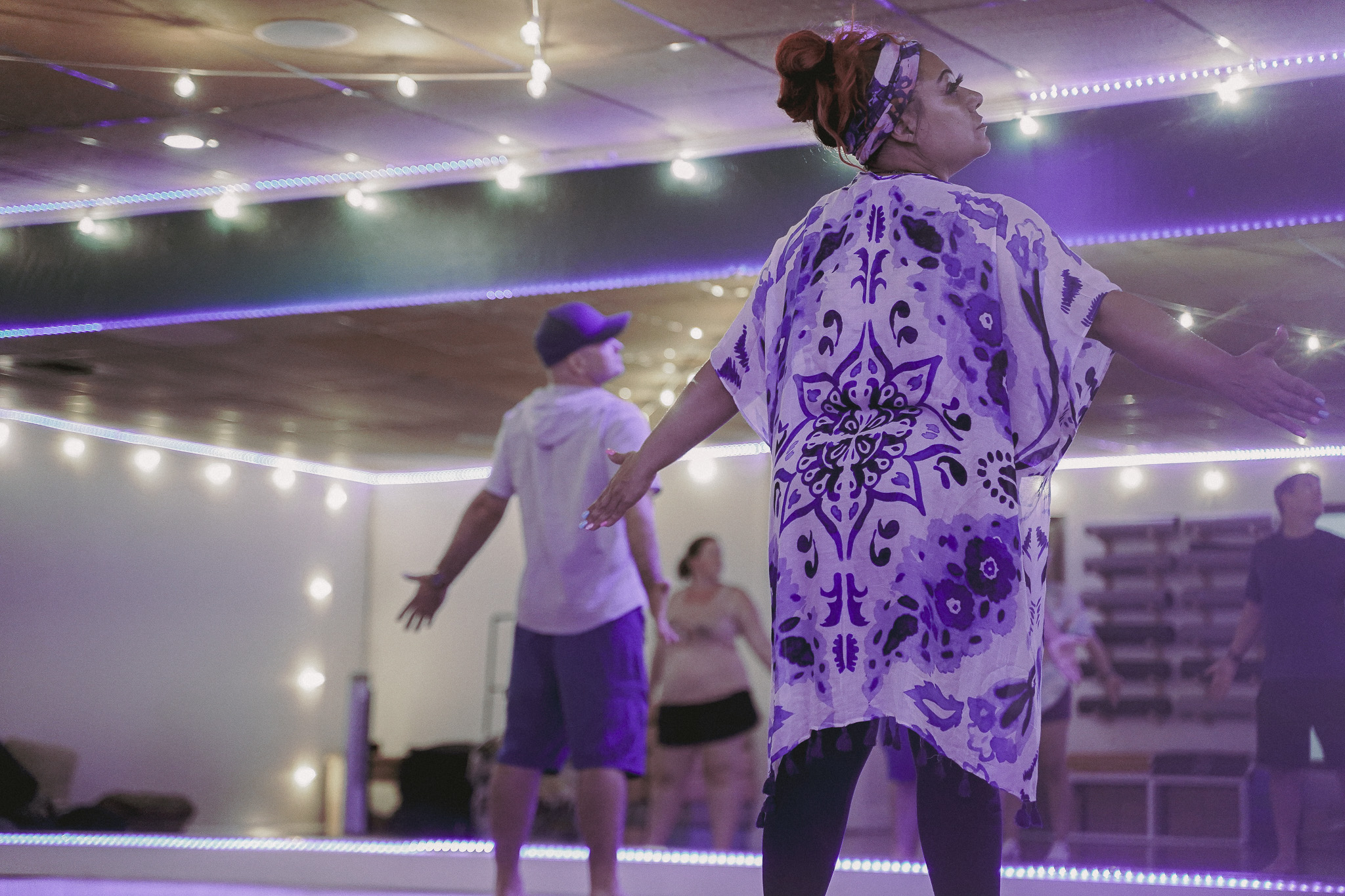
Tai Chi builds awareness in layers
One of the reasons Tai Chi takes practice is that awareness builds in layers. You do not notice everything at once. You notice what your body is ready to notice.
At first, you may notice the obvious things: the movement feels slow, your balance feels different on each side, your arms and legs are trying to coordinate, or your mind wants to rush ahead.
Over time, more subtle awareness begins to appear. You may notice how you hold your breath when concentrating. You may notice how your shoulders lift when you feel unsure. You may notice that one foot feels more grounded than the other. You may notice that your body starts softening sooner than it did in the beginning.
Those small moments matter. They are part of how the practice grows.
In Tai Chi, awareness is not something you force. It is something you keep making room for.

The more familiar the movement becomes, the more space there is to notice what is happening beneath the surface.
Your body learns through repetition
The body does not always learn through explanation alone. It learns through experience. It learns by doing something again, feeling it differently, adjusting, and returning.
This is why repetition is so important in Tai Chi. Repeating a movement is not about doing the same thing without purpose. It is about giving the body enough time to understand the movement from the inside.
The first time you move through a form, you may be thinking about the steps. The next time, you may notice your breath. Another time, you may notice how your weight shifts. Later, you may begin feeling how the movement flows instead of only trying to remember what comes next.
That is practice. Not perfection. Not performance. Practice.
Repetition is how Tai Chi moves from something you are trying to remember into something your body begins to feel.
First Class
You are learning the pace, the movements, and how it feels to slow down in a new way.
Early Practice
You begin noticing posture, breath, balance, tension, and how your mind responds to the movement.
Consistency
The body becomes more familiar with the rhythm, and awareness has more space to deepen.
Daily Life
The practice begins showing up outside of class through patience, grounding, breath, and response.
The benefits may be subtle at first
Some wellness practices create a strong and immediate experience. You may leave feeling like something big happened. Tai Chi can sometimes feel calming right away, but many of its benefits are more subtle in the beginning.
You may not notice a dramatic shift after one class. Instead, you may notice that your body feels a little more settled. Your breath feels slightly easier. Your mind feels a little less rushed. You feel more aware of your feet, your posture, or the tension you were carrying.
These small shifts are easy to dismiss because they are not dramatic. But subtle does not mean insignificant.
Over time, these small moments of awareness can begin to shape the way you move through your day. You may catch yourself rushing and choose to slow down. You may notice stress in your shoulders before it becomes overwhelming. You may remember to breathe during a difficult conversation. You may feel more grounded when life feels full.
Tai Chi often works through small shifts that become meaningful because you keep practicing them.

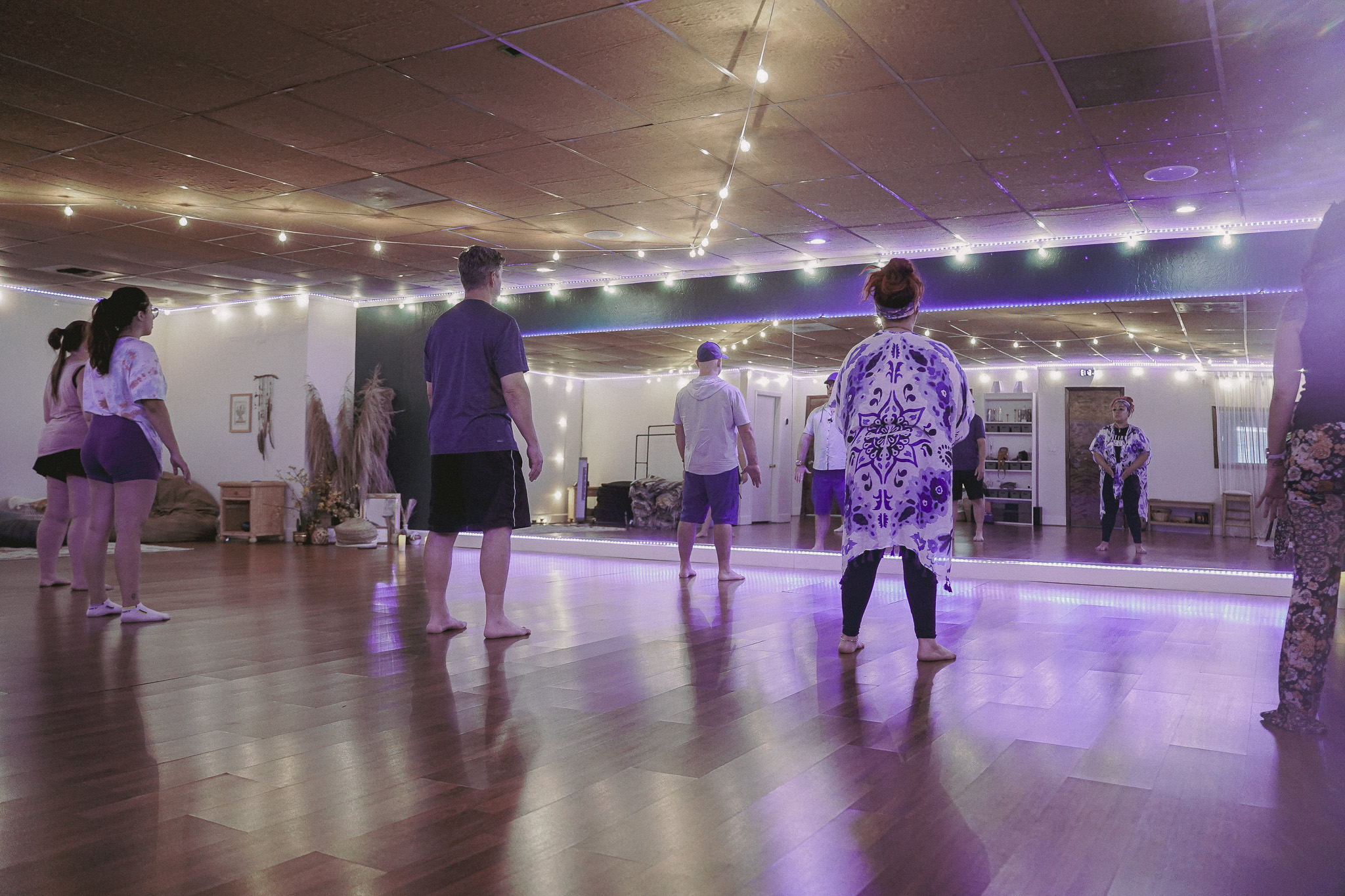
Practice helps you move from thinking into feeling
When you are new to Tai Chi, it is common to think your way through the movement. You may try to remember the sequence, copy the instructor, figure out where your hands go, or worry about whether you are doing it correctly.
That is part of the beginning.
But with practice, something begins to shift. The movements become less about figuring everything out mentally and more about feeling what is happening in the body. Your attention can move from “Am I doing this right?” to “What do I notice?”
This shift matters because many people already live most of their lives in the mind. They analyze, plan, worry, compare, and think ahead. Tai Chi gives the body a pathway back into the conversation.
Over time, Tai Chi helps you stop only thinking about the movement and begin feeling the movement from within.
Tai Chi helps build patience with yourself
Tai Chi can bring up impatience, especially for people who are used to fast results. You may want to understand the movement right away. You may feel frustrated when your coordination does not match what you imagined. You may compare yourself to someone else in class. You may wonder why something so slow feels so difficult.
This is where the practice becomes deeper than movement.
Tai Chi gives you a place to practice patience with your body. It reminds you that learning does not have to happen through pressure. It teaches you that being new is not a problem. It invites you to keep returning without making yourself wrong for needing time.
For many people, this is healing in itself. Not because it fixes everything, but because it offers a different relationship with growth.
Practice teaches patience. Patience teaches the body that it does not have to be forced in order to change.
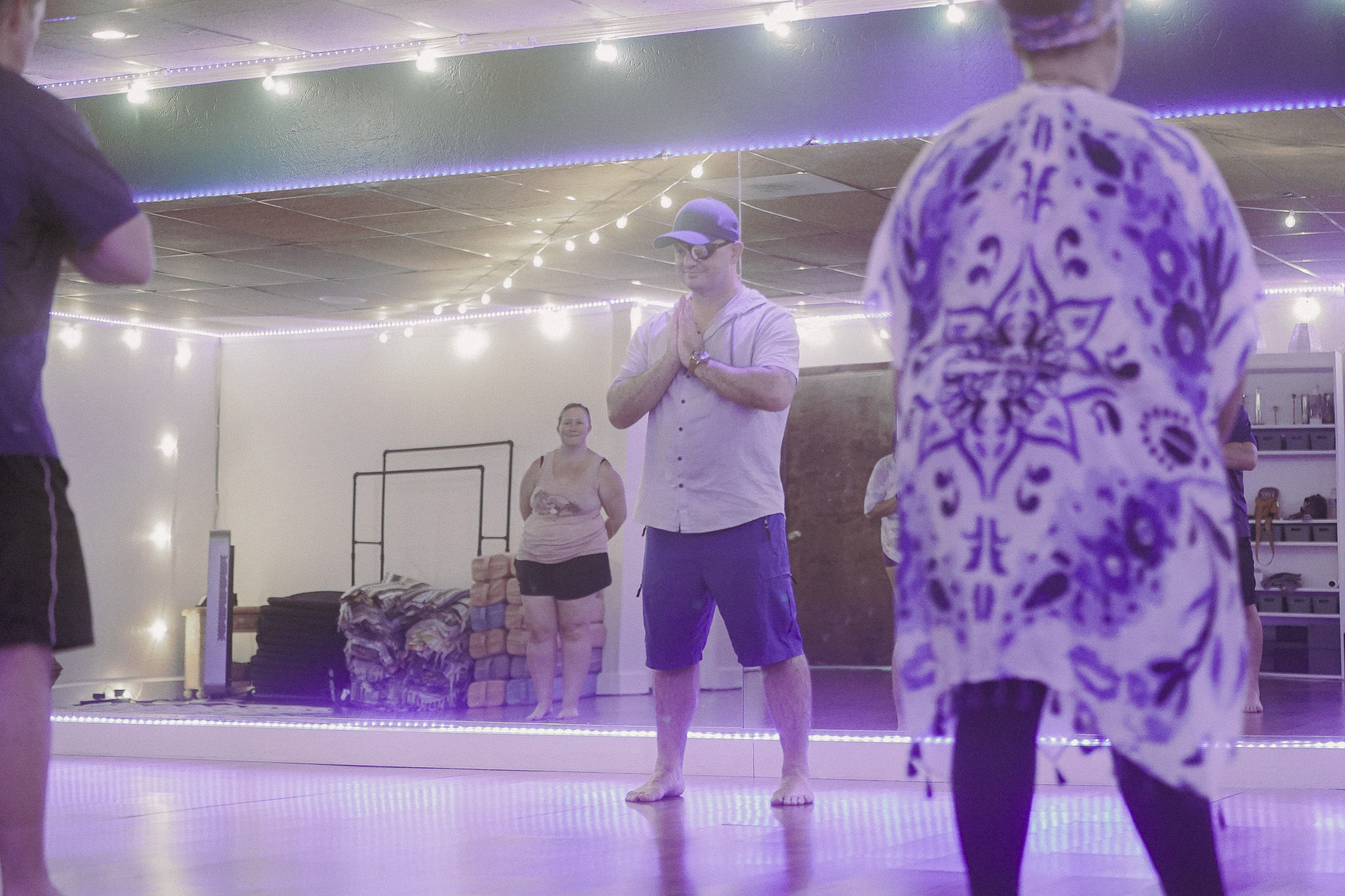
Tai Chi gives you a space to be new, to learn slowly, and to let the practice unfold over time.
The benefits show up outside of class
One of the most meaningful things about Tai Chi is that the benefits are not limited to the time you spend practicing. Over time, the awareness you build in class can begin to follow you into daily life.
You may notice when you are rushing through the grocery store. You may catch yourself holding your breath while answering emails. You may feel your shoulders lift during a hard conversation and choose to soften them. You may become more aware of how your body responds to stress before stress takes over.
These are real benefits. They may seem small, but they matter because this is where the practice becomes practical. Tai Chi is not only about what happens in class. It is about how the practice changes your relationship with your body, your breath, your stress, and your pace.
Tai Chi becomes powerful when the awareness you practice in class begins to support the way you live outside of class.
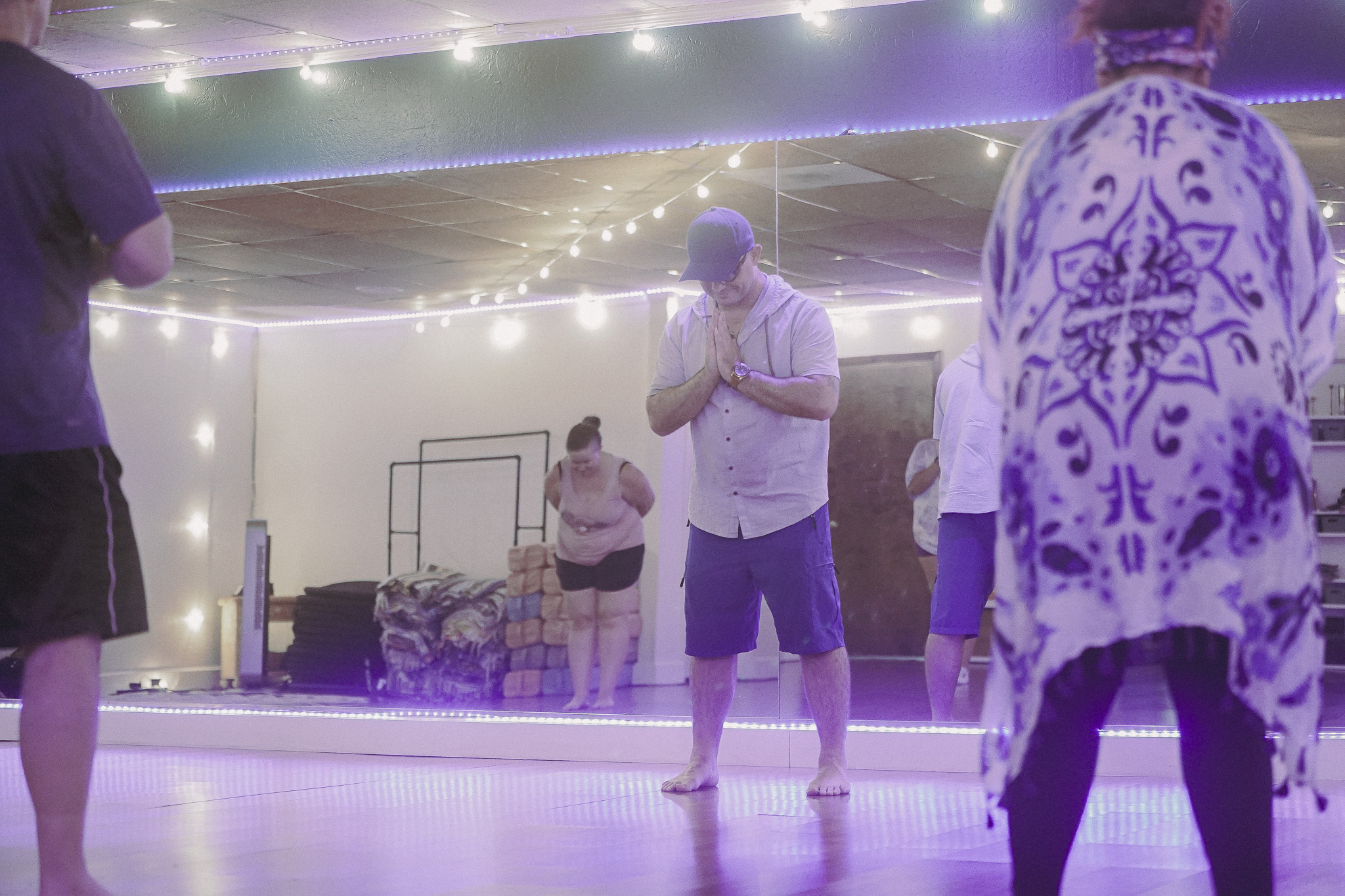
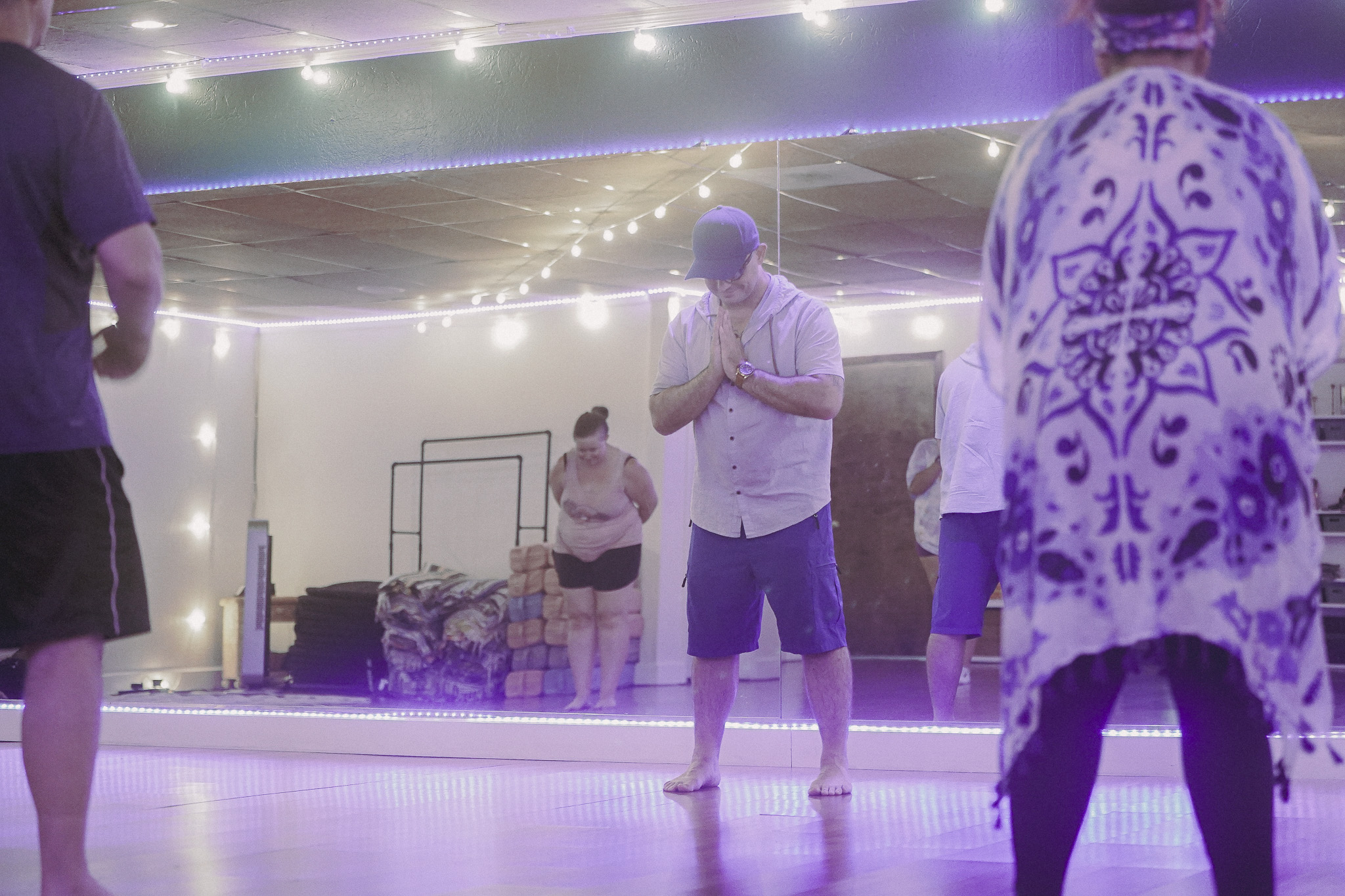
Consistency matters more than perfection
Many people think practice means getting better in a way that looks obvious from the outside. They imagine improvement as cleaner movements, better memory, stronger balance, or more confidence. Those things may happen over time, but they are not the only signs of progress.
Progress in Tai Chi can also look like being less harsh with yourself. Breathing sooner. Noticing tension earlier. Feeling more grounded after class. Becoming more comfortable with slowness. Letting yourself be a beginner without shame.
That is why consistency matters more than perfection. You do not need every class to feel profound. You do not need to master every movement. You do not need to understand the whole practice right away.
You simply keep returning, and each return gives the body another chance to learn.
The goal is not to practice perfectly. The goal is to keep returning with awareness.
Why giving Tai Chi time matters
If you only try Tai Chi once, you may experience the surface of the practice. You may feel the slowness, the unfamiliar movements, and the effort of learning something new. But if you give the practice time, you may begin to experience the deeper layers.
You may begin to understand why the movements are slow. You may feel how repetition builds confidence. You may notice how breath and movement become more connected. You may begin to experience mindfulness without forcing stillness. You may discover that gentle movement can be powerful in a way you did not expect.
This is especially important for people who are used to living in urgency. Tai Chi may not meet that urgency by becoming louder or faster. Instead, it offers a different rhythm completely.
And sometimes, that is exactly what the body needs.
Giving Tai Chi time is also giving yourself time.. time to listen, time to learn, time to reconnect, and time to remember that growth does not have to be rushed.
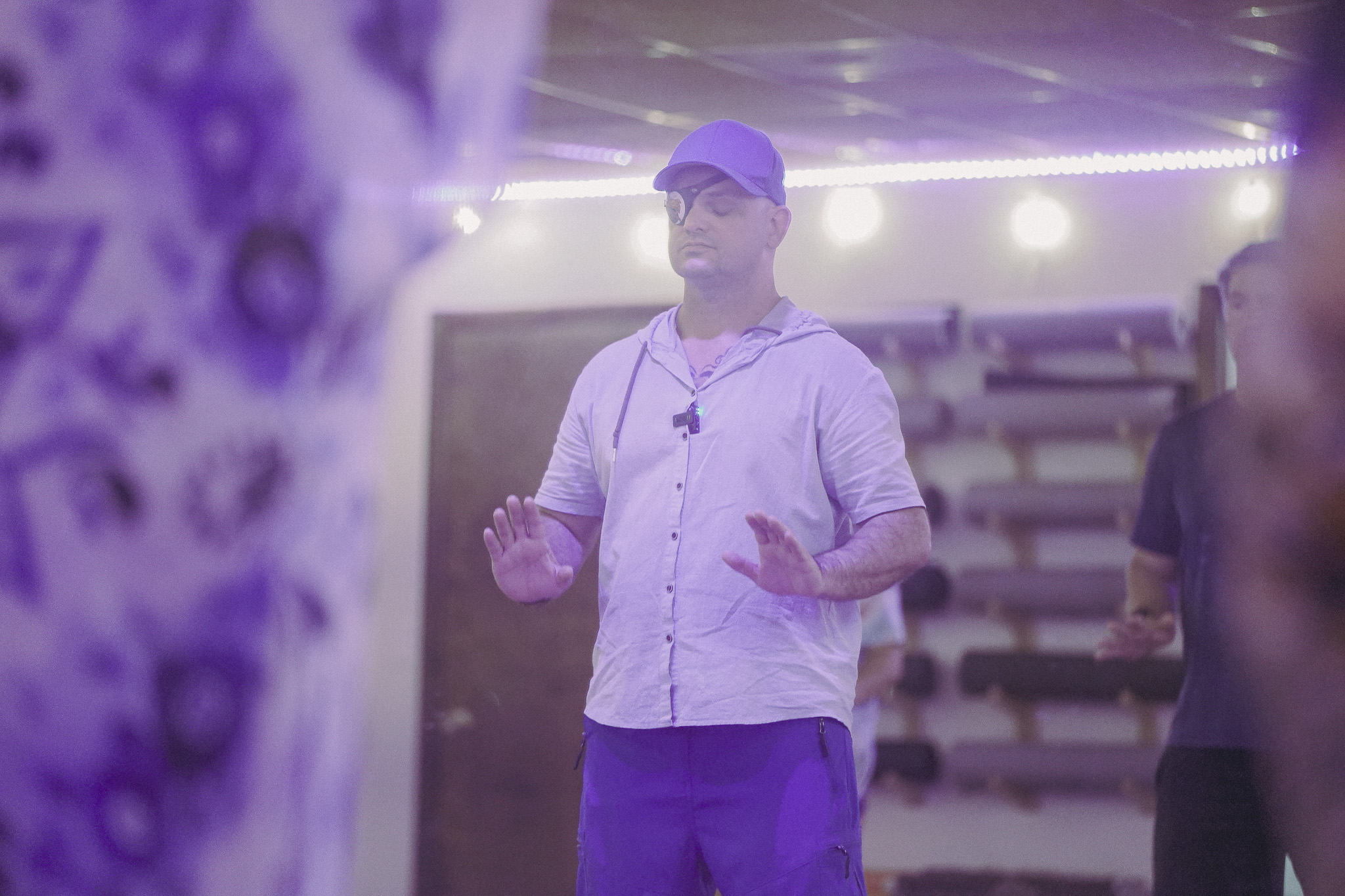
The deeper benefits of Tai Chi often appear through consistency, patience, and gentle repetition.
Tai Chi and The Healing Tree Collective
At The Healing Tree Collective, we believe practices like Tai Chi matter because they remind people that healing and self-connection do not always happen instantly. In a world that often pushes fast transformation, quick fixes, and constant productivity, Tai Chi offers a slower path.
That slower path can be meaningful for people who are stressed, burned out, disconnected from their bodies, or tired of feeling like everything has to be forced.
Tai Chi gives people a space to practice returning. Returning to breath. Returning to balance. Returning to the body. Returning to patience. Returning to the present moment.
This connects directly to our mission. We are here to create accessible wellness spaces where people can heal, grow, and reconnect with themselves through practices that feel grounded, supportive, and real.
We are not just creating classes for people to attend once. We are creating spaces where people can build a relationship with themselves over time.
Final thoughts: the practice deepens because you return
Tai Chi takes practice because the body needs time to learn a new rhythm. The mind needs time to trust slowness. Awareness needs time to grow. Breath needs time to become part of the movement. Balance needs time to develop. Patience needs time to soften the pressure to get everything right.
One class can be a beautiful beginning, but the deeper benefits often come from returning again and again.
That is the heart of the practice. Not perfection. Not performance. Not instant transformation. Returning.
Returning to the body. Returning to the breath. Returning to the present moment. Returning to yourself one movement at a time.
Tai Chi takes practice because the benefits are not only something you receive. They are something you build a relationship with over time.
Looking for beginner-friendly Tai Chi in Tempe, Arizona?
At The Healing Tree Collective, our beginner-friendly wellness classes are designed to support stress relief, mindfulness, body awareness, and deeper connection.
If you are curious about Tai Chi, moving meditation, or gentle mind-body practices, you are welcome to begin here.