8 July 2026
The Healing Tree Collective • Tempe, Arizona
How Tai Chi Helps Quiet the Mind Without Forcing Silence
Many people want a quieter mind, but the way they try to reach that quiet often creates more pressure. They may try to stop thinking, force themselves to relax, ignore distractions, or become frustrated when the mind continues to move.
This is one of the reasons practices like meditation and mindfulness can feel discouraging for beginners. The desire for inner quiet is understandable, but forcing silence can turn the practice into another form of control. Instead of feeling supported, the person may feel like they are fighting their own mind.
Tai Chi can help quiet the mind in a different way. Rather than demanding silence, it gives the mind a steady rhythm to follow through slow movement, breath awareness, grounding, posture, and mindful attention.
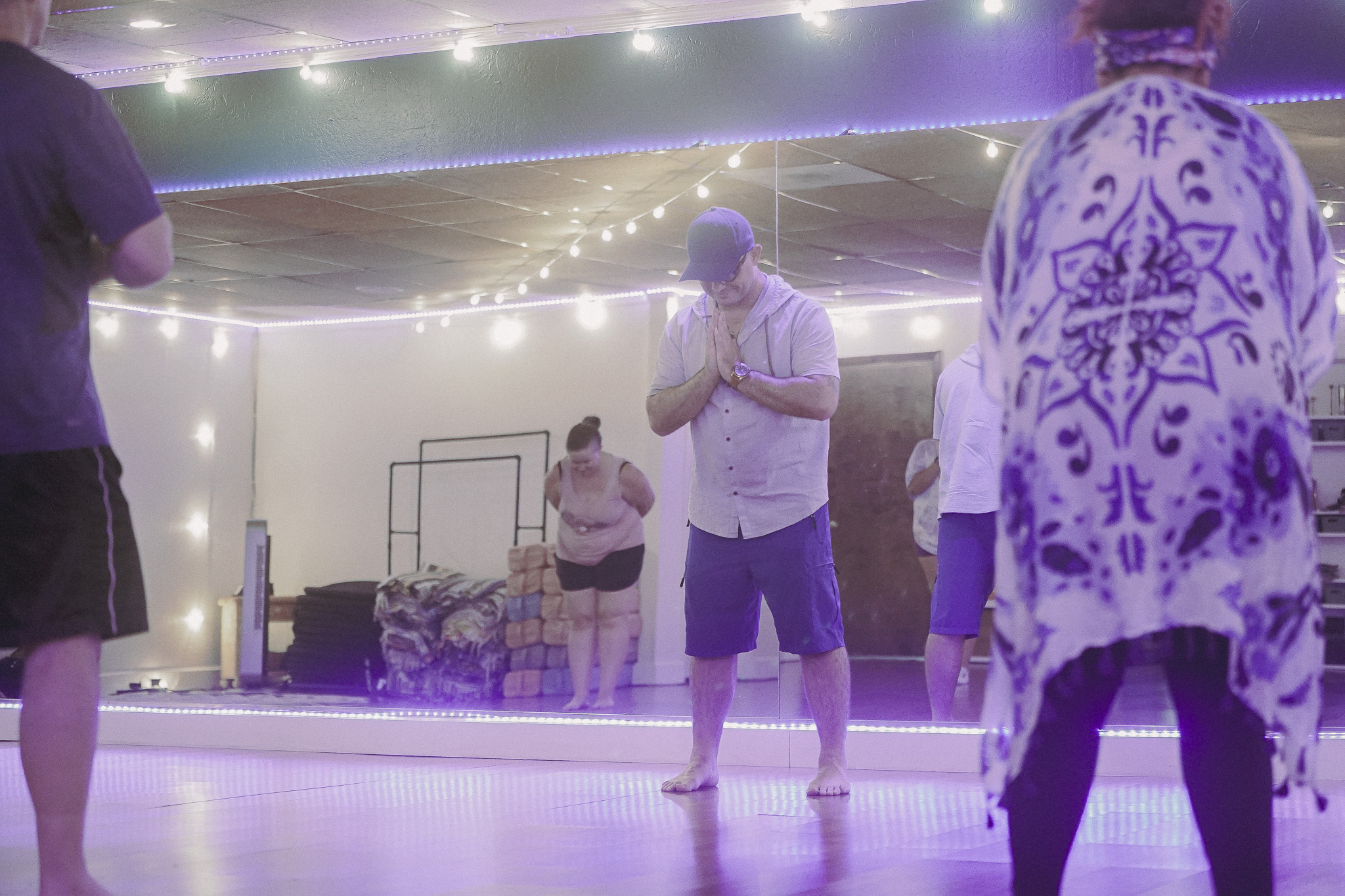
Tai Chi supports a quieter mind by giving attention a physical rhythm to follow instead of asking the mind to become silent on command.
Tai Chi may help quiet the mind by helping you practice:
A gentler relationship with mental noise, distraction, and internal pressure.
- Returning attention to movement
- Following the rhythm of breath
- Grounding through the feet
- Noticing thoughts without fighting them
- Slowing the body’s pace
- Creating structure for awareness
- Practicing presence without pressure
A quiet mind is not always created through force
When the mind feels loud, it is natural to want immediate relief. People may want racing thoughts to stop, worries to calm down, distractions to disappear, or mental noise to become less overwhelming. However, trying to force the mind into silence can sometimes create the opposite effect. The more a person demands quiet, the more aware they may become of every thought that appears.
This can create frustration. A person may think they are failing because thoughts continue to move. They may judge themselves for being distracted, restless, or unable to relax. Instead of creating calm, the practice becomes another place where the person feels pressure to perform correctly.
Tai Chi takes a different approach. It does not ask the mind to become silent before practice begins. It gives the mind something steady to follow. The body moves slowly, the breath becomes easier to notice, the feet connect to the ground, and attention is invited back to the movement again and again. Quiet begins to develop indirectly, through rhythm and return rather than through force.
Trying to force silence can become another form of mental tension. Tai Chi offers a gentler way to quiet the mind by giving attention somewhere steady to land.
Mental noise often reflects an overwhelmed system
A noisy mind is not always a sign of poor focus. It may be a sign that the body and nervous system are carrying too much. Stress, responsibility, emotional pressure, overstimulation, deadlines, family needs, uncertainty, grief, and burnout can all contribute to a mind that feels crowded or difficult to settle.
When the system is overwhelmed, the mind may keep scanning for solutions. It may replay conversations, prepare for future problems, create lists, question decisions, or search for certainty. This mental activity can feel exhausting, but it is often the mind’s attempt to create safety, organization, or control in the middle of internal or external pressure.
Tai Chi can be supportive because it does not treat mental noise as something to attack. Instead, it works with the body. Through slow movement, breath, balance, and grounding, the practice gives the system a different signal. It communicates a slower rhythm, a physical anchor, and a structured way to return to the present moment.
A busy mind may not need to be defeated. It may need a steadier rhythm, a clearer anchor, and a practice that helps the body feel less rushed.


Tai Chi gives the mind a rhythm to follow
One of the reasons Tai Chi can feel calming is that the practice has rhythm. The movements are slow, continuous, and intentional. The body shifts weight gradually. The hands move with care. The posture adjusts with awareness. The breath becomes part of the experience. This rhythm gives the mind a pattern to follow that is not based on rushing, solving, or reacting.
For a busy mind, rhythm matters. Without a clear anchor, attention may jump from thought to thought. It may move into future concerns, unfinished responsibilities, or self-judgment. Tai Chi provides structure without intensity. The mind is not left alone in silence; it is invited to participate in movement.
Over time, the rhythm of the practice can create a different internal pace. The body begins to understand what it feels like to move slowly, to complete one transition before beginning the next, and to return to the breath when the mind wanders. This repeated rhythm can help mental noise feel less dominant.
Tai Chi quiets the mind not by forcing thoughts away, but by giving attention a slower rhythm to follow.
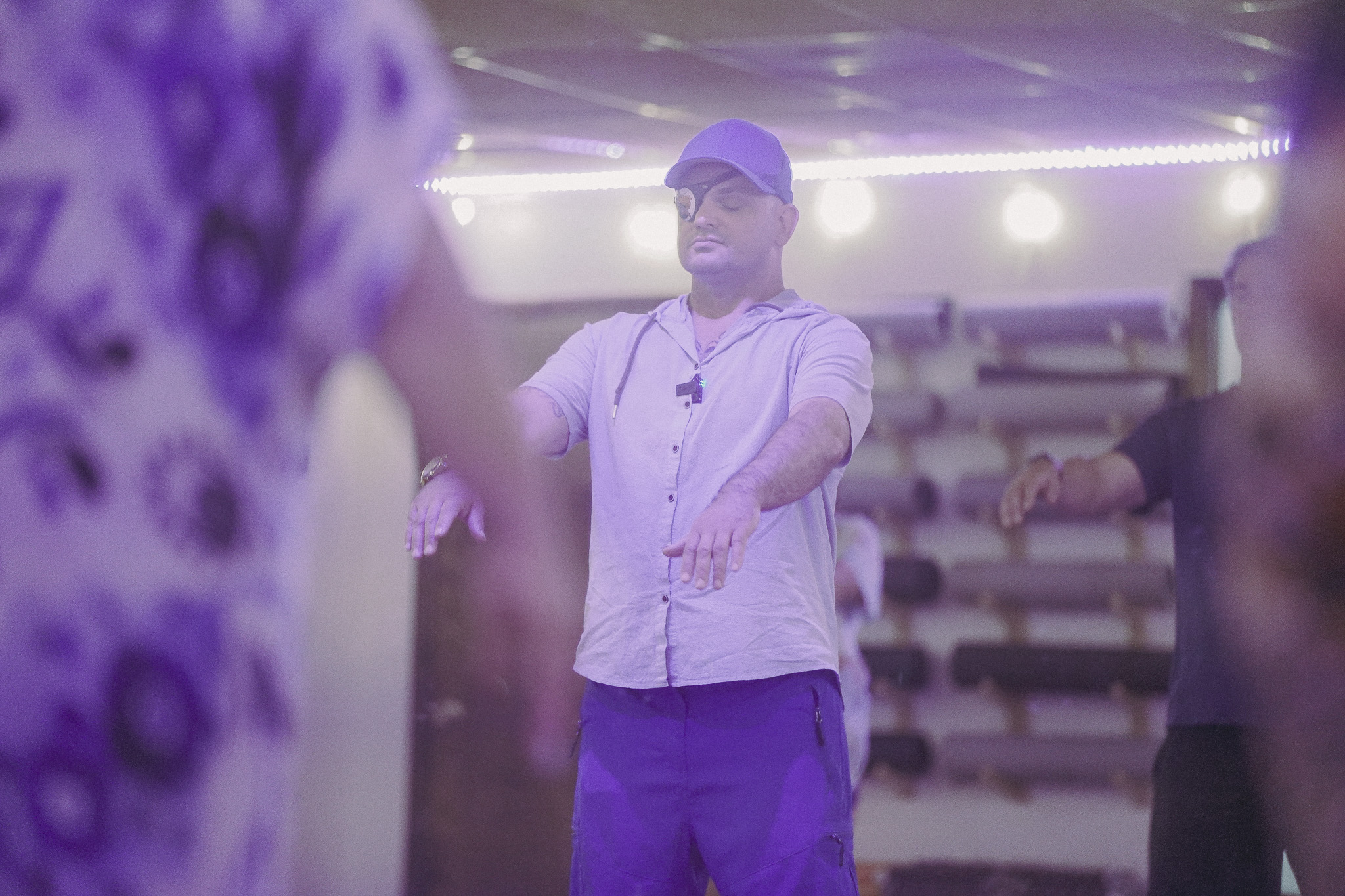
The rhythm of Tai Chi can help organize attention when thoughts feel scattered or repetitive.
The body becomes the pathway into quiet
Many people try to quiet the mind by using the mind alone. They think about relaxing, tell themselves to stop worrying, or try to reason their way out of mental noise. Sometimes this helps. Other times, it creates more thinking. The mind begins trying to manage the mind, which can become another loop.
Tai Chi offers a body-based pathway. Instead of starting with thought, the practice begins with physical awareness. Where are the feet? How is the weight shifting? Is the breath shallow or available? Are the shoulders lifting? Is the body rushing? These questions bring attention into direct experience rather than abstract mental effort.
This is why Tai Chi can feel supportive for people who feel stuck in their heads. The practice does not require them to think their way into calm. It gives the mind a way to reconnect with the body. As attention returns to physical sensation, the mind may begin to feel less crowded because it is no longer trying to carry everything by itself.
Sometimes the mind becomes quieter when the body is finally included in the process of becoming present.
Feet
Feeling the feet on the ground can redirect attention away from mental noise and back into the present moment.
Breath
Noticing the breath can help identify when the body is tense, rushed, or holding stress.
Posture
Posture reveals whether the body is bracing, collapsing, over-efforting, or carrying unnecessary tension.
Movement
Slow movement gives attention something physical to follow while the mind practices returning.
Thoughts can soften when they are not treated as the enemy
One reason mental noise can become exhausting is that people often begin fighting with their thoughts. A thought appears, and the person immediately reacts to it. They may judge it, resist it, analyze it, or become frustrated that it appeared at all. This reaction can make the thought feel stronger because it receives more energy and attention.
Tai Chi supports a different relationship with thought. During practice, thoughts may still appear. The mind may wander into work, family, memories, worries, or the desire to do the movement correctly. Instead of treating those thoughts as a problem, the practice invites the person to notice them and return to the body.
This changes the relationship with mental noise. Thoughts do not need to be fought in order for practice to continue. They can be noticed, allowed to pass, and gently redirected. Over time, this can help the mind feel less pressured because every thought no longer needs to become a battle.
The mind often softens when thoughts are no longer treated as enemies that must be defeated before peace is allowed.
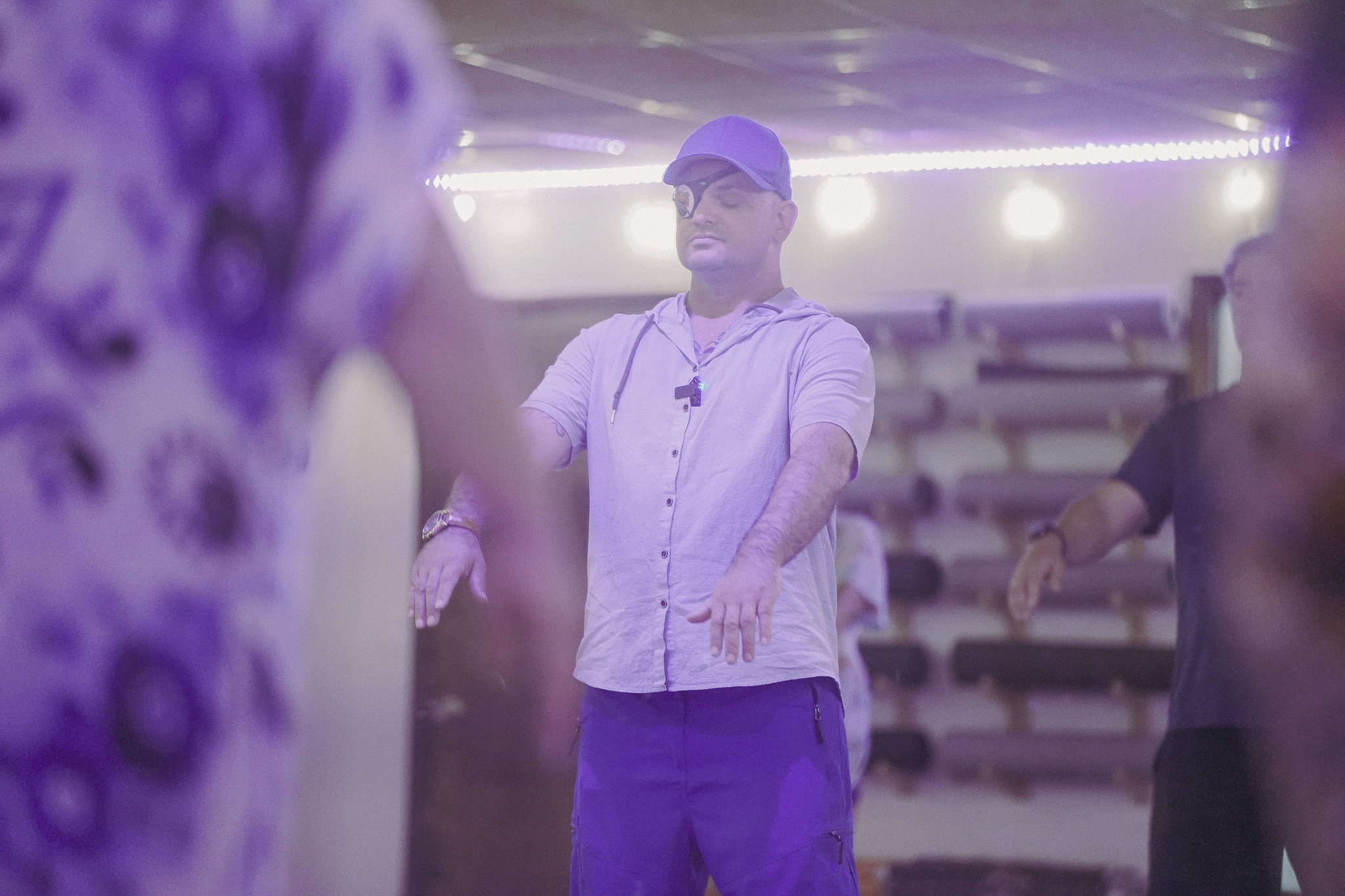

Returning is what trains the mind
Quieting the mind through Tai Chi is not about staying perfectly focused from beginning to end. That expectation is unrealistic for most people, especially beginners. The mind will wander. Attention will leave the movement. Thoughts will appear. Distraction will happen.
The practice is the return. Each time the mind wanders and the practitioner returns to the feet, breath, posture, or movement, a skill is being strengthened. That skill is not silence. It is awareness. It is the ability to recognize where attention has gone and guide it back without unnecessary judgment.
This is one reason Tai Chi can be helpful for people who have felt discouraged by meditation. Instead of measuring success by whether the mind is empty, the practice measures progress by the willingness to return. The more often the person returns, the more familiar the pathway becomes.
Tai Chi trains the mind through returning, not through perfect silence.

Each return to the movement becomes part of the practice, even when the mind wanders many times.
Breath awareness helps reduce internal pressure
The breath often reflects the state of the body and mind. When the mind feels busy, the breath may become shallow, restricted, held, or rushed. Many people do not notice this because their attention is focused on thoughts rather than physical experience.
In Tai Chi, breath awareness develops gradually. The practice does not require forcing the breath into a perfect pattern. Instead, the slower movement creates space to notice how the breath is behaving. A person may begin to recognize when they are holding the breath, when the chest feels tight, or when an exhale helps soften unnecessary effort.
This awareness can reduce internal pressure because the body is no longer being ignored while the mind tries to manage everything. The breath becomes a simple place to return. It does not need to fix every thought. It simply helps the practitioner reconnect with the present moment.
The breath can help quiet the mind by giving attention a simple, living rhythm that is happening now.
Quieting the mind does not mean disconnecting from life
Sometimes people imagine that a quiet mind means becoming detached, unaffected, or removed from real life. However, the kind of quiet Tai Chi supports is not disconnection. It is a clearer relationship with what is happening. The mind may still think, feel, respond, and process, but it may become less reactive and less scattered.
This kind of quiet is practical. It can help a person notice stress before reacting, pause before responding, recognize the body’s signals earlier, or move through a transition with more awareness. It is not about becoming empty. It is about becoming more connected to the present moment.
Tai Chi supports this by connecting awareness to the body. The feet, breath, posture, and movement all keep the practice grounded. Rather than escaping from daily life, the practitioner is learning how to inhabit the body more fully within it.
A quieter mind does not mean a disconnected mind. It means attention has more space, steadiness, and connection to the present moment.

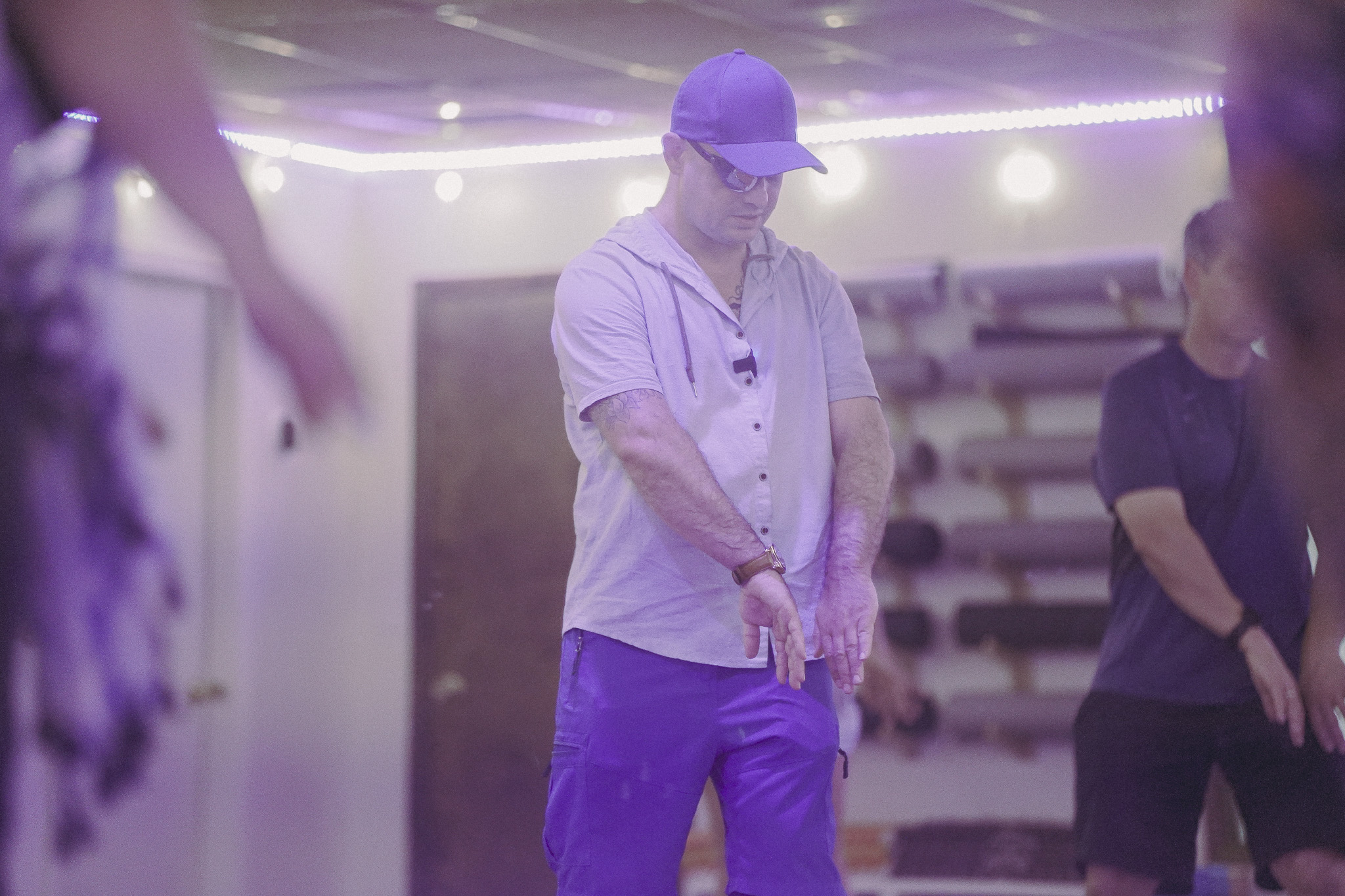
Tai Chi can be especially helpful for people who feel mentally overstimulated
Mental overstimulation can happen when the mind is constantly receiving input. Screens, notifications, conversations, decisions, responsibilities, errands, work demands, and emotional stress can all keep attention moving outward. By the end of the day, a person may feel tired but unable to settle.
Tai Chi can offer a different kind of input. The practice is slower, quieter, and more intentional. Instead of adding more stimulation, it helps organize attention around movement and breath. The body is engaged, but not overwhelmed. The mind is active, but not forced to process new information at the same speed as daily life.
For people who feel mentally overstimulated, this can be meaningful. The practice creates a structured environment where the mind can begin to follow one thing at a time. This one-thing-at-a-time quality is part of what helps mental noise soften.
When the mind has been pulled in too many directions, Tai Chi offers a slower practice where attention can follow one movement, one breath, and one transition at a time.

Tai Chi can support people who feel mentally overstimulated by offering slow, structured, body-based attention.
The quiet that comes from Tai Chi often develops gradually
It is important for beginners to understand that Tai Chi may not make the mind feel completely quiet in one class. A first class may bring awareness to how busy the mind is. A person may feel awkward, distracted, uncertain, or impatient with the slower pace. These experiences are normal and do not mean the practice is not working.
The quieter mind that Tai Chi supports often develops gradually. Over time, the body becomes more familiar with the rhythm of the practice. The breath becomes easier to notice. The movements become less unfamiliar. The mind learns that wandering does not mean failure, because there is always another opportunity to return.
This gradual development is important because mental habits are often built through repetition. If the mind has spent years rushing, planning, analyzing, or reacting, it may need repeated experiences of a different rhythm. Tai Chi offers that rhythm through consistent practice.
The mind often learns quiet through repetition, not through one forced attempt to become silent.
First Class
You may notice how active, distracted, or restless the mind feels when the body slows down.
Early Practice
You may begin recognizing the feet, breath, posture, and movement as anchors for attention.
Consistent Practice
The mind may become more familiar with returning instead of fighting every distraction.
Daily Life
The same skill of returning may begin supporting stress, communication, decisions, and transitions.
A quieter mind can support more intentional responses
When the mind is loud, scattered, or overloaded, it can be more difficult to respond intentionally. A person may react quickly, over-explain, avoid a conversation, make a decision from urgency, or continue pushing through stress without noticing what the body needs.
Tai Chi can support more intentional responses by helping the mind slow down enough to notice what is happening. The practice creates space between thought and reaction. A person may begin to recognize tension, breath changes, rushing, or emotional activation before responding automatically.
This is where quieting the mind becomes practical. The goal is not to become silent for the sake of silence. The goal is to create enough steadiness to choose the next action with more awareness. Tai Chi supports this by training attention through movement and helping the body participate in the pause.
A quieter mind can create more space for choice, especially in moments when stress would normally lead to automatic reaction.

Tai Chi is not a replacement for mental health care
Tai Chi can be a supportive wellness practice for stress awareness, mindfulness, and body connection, but it is not a replacement for therapy, medication, medical care, psychiatric support, trauma-informed treatment, or crisis services. If someone is experiencing persistent anxiety, panic, depression, trauma symptoms, thoughts of self-harm, or difficulty functioning, support from a qualified professional may be necessary.
At the same time, many people benefit from practices that help them build awareness of the body, breath, thoughts, and stress patterns in everyday life. Tai Chi can be one supportive part of a broader wellness routine because it offers a gentle, accessible way to practice presence without requiring silence, intensity, or perfection.
The value of Tai Chi is not that it removes every thought or fixes every source of stress. Its value is that it helps people practice returning to the present moment with more patience and less force.
Tai Chi can support mindfulness and stress relief as part of a broader care routine, but it should not replace professional mental health support when that support is needed.

Tai Chi can be part of a broader support system for mindfulness, stress awareness, body awareness, and emotional wellbeing.
How this can translate into daily life
The quieter relationship with the mind that Tai Chi supports can become useful outside of class. A person may begin to notice when thoughts are speeding up, when the body is rushing, when the breath is being held, or when they are reacting from pressure rather than clarity.
These moments of awareness can create small but meaningful shifts. Before answering a stressful message, a person may feel their feet and take one breath. Before entering a difficult conversation, they may notice their posture and soften unnecessary tension. Before making a decision, they may recognize whether urgency is coming from the situation itself or from the body’s stress response.
This is how Tai Chi becomes practical. The practice does not only help people quiet the mind during class. It helps them build a relationship with attention that can support ordinary moments of stress, communication, transition, and decision-making.
Before Responding
You may pause long enough to notice whether your response is coming from clarity, stress, or emotional activation.
During Work Stress
You may recognize mental overload earlier and use breath or movement as a way to return to focus.
In Relationships
You may notice when the mind becomes defensive, anxious, or reactive before choosing your words.
At the End of the Day
You may use gentle movement to help transition from mental activity into a slower state of rest.
Tai Chi and The Healing Tree Collective
At The Healing Tree Collective, we understand that many people are looking for calm, but they do not always know how to access it without forcing themselves into stillness or silence. They may feel mentally full, emotionally tired, overstimulated, or disconnected from the body. They may want support, but they do not want another practice that makes them feel like they are failing.
Tai Chi fits naturally into our approach because it offers a beginner-friendly way to build mindfulness through movement. It does not require prior experience, advanced flexibility, athletic ability, or a perfectly quiet mind. It simply invites people to move slowly, notice the breath, feel the feet, and return to the present moment with patience.
Our mission is to create accessible wellness spaces where people can heal, grow, and reconnect with themselves through practices that feel supportive, educational, and real. Tai Chi supports that mission because it helps people understand that quiet does not have to be forced. It can be practiced gently through the body, one movement at a time.
At The Healing Tree Collective, Tai Chi is offered as a practical pathway toward a quieter mind, not through pressure or performance, but through movement, breath, grounding, and return.


Final thoughts: the mind can quiet through rhythm, not force
Tai Chi helps quiet the mind without forcing silence because it gives the mind a gentle, structured way to return to the present moment. Instead of demanding that thoughts disappear, the practice invites attention back to movement, breath, posture, balance, and the feeling of the body in space.
This approach can be especially supportive for people who feel mentally busy, overstimulated, distracted, or discouraged by traditional meditation expectations. The mind does not need to become blank before the practice can begin. Thoughts can appear, and the practice can still continue.
Over time, Tai Chi may help people develop a quieter relationship with their thoughts. Not because the mind is forced into silence, but because the body has learned a slower rhythm, the breath has become easier to notice, and attention has a place to return.
Tai Chi quiets the mind by teaching attention how to return, not by forcing the mind to disappear.
Looking for Tai Chi to quiet the mind in Tempe, Arizona?
At The Healing Tree Collective, our beginner-friendly wellness classes are designed to support stress relief, mindfulness, body awareness, and deeper connection. If you are curious about Tai Chi, moving meditation, gentle movement, or mindfulness practices that do not require forced silence, you are welcome to begin here.