9 July 2026
The Healing Tree Collective • Tempe, Arizona
Tai Chi as Mindfulness in Motion: Learning to Pay Attention Differently
Mindfulness is often described as paying attention to the present moment, but many people are never taught what that actually looks like in real life. They may assume mindfulness means sitting still, feeling calm, clearing the mind, or staying perfectly focused without distraction.
For people with busy schedules, racing thoughts, emotional stress, or bodies that feel tense and restless, that version of mindfulness can feel difficult to access. The idea sounds helpful, but the practice can feel unclear. What are you supposed to pay attention to? What happens when thoughts keep moving? What if stillness makes you feel more aware of stress instead of less?
Tai Chi can be understood as mindfulness in motion because it teaches people to pay attention through the body. Instead of forcing the mind to focus in silence, Tai Chi gives attention a practical pathway through movement, breath, posture, grounding, balance, and transition.
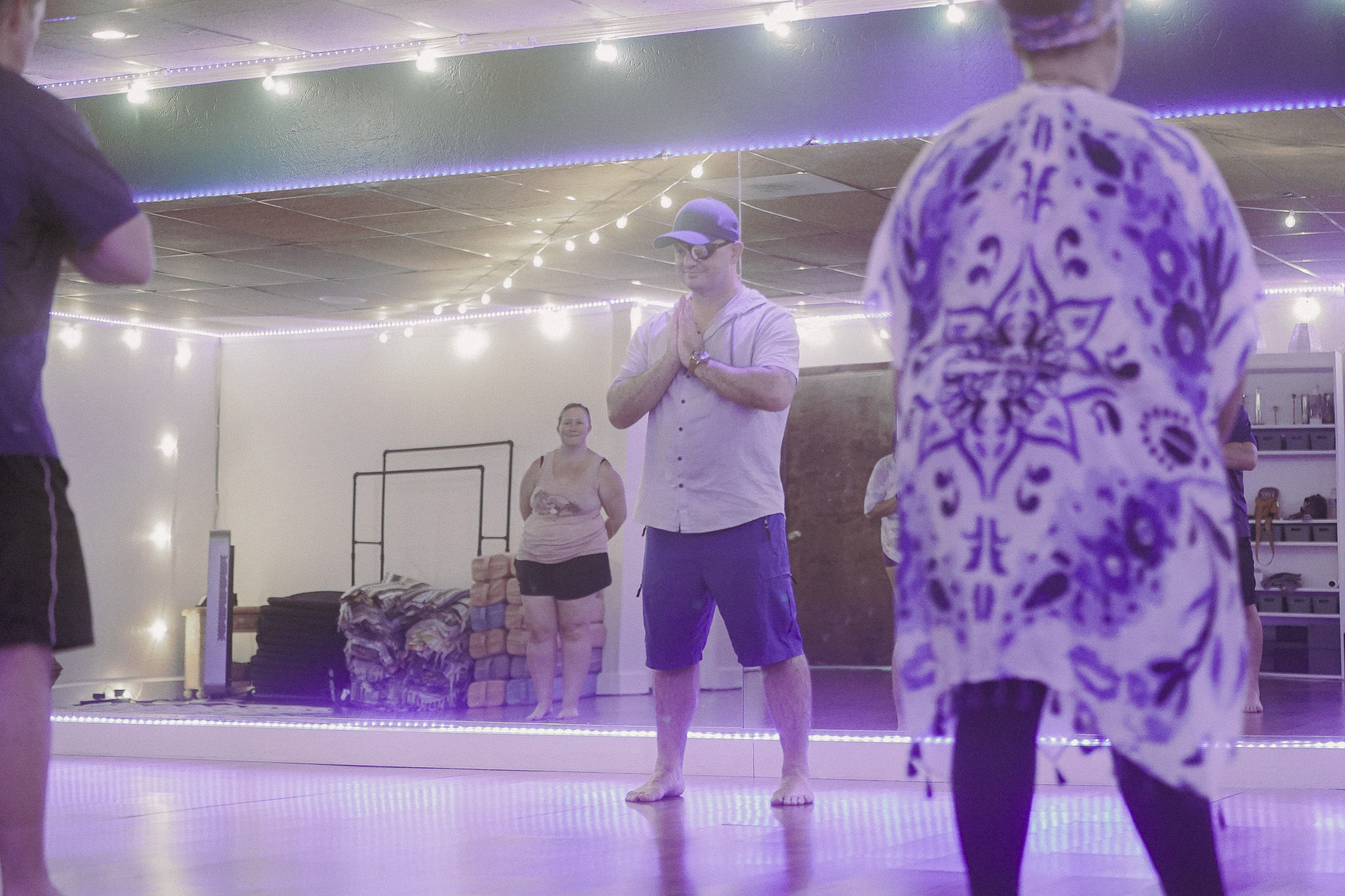
Tai Chi helps people practice mindfulness by bringing attention into movement, breath, posture, and the present moment.
Tai Chi teaches a different kind of attention.
Instead of only thinking about mindfulness, you practice it through:
- Feeling your feet on the ground
- Noticing how your breath changes
- Tracking the shift of weight
- Observing posture and tension
- Moving slowly through transitions
- Returning when the mind wanders
- Paying attention without harsh self-judgment
Mindfulness is more than sitting still
Mindfulness is often associated with stillness because many traditional meditation practices are done while seated or lying down. Those practices can be meaningful, but they are not the only way to develop awareness. Mindfulness is not limited to one posture, one environment, or one method. At its core, mindfulness is the practice of noticing what is happening with more presence and less automatic reaction.
For many beginners, this becomes easier to understand when the body is involved. Sitting still and trying to observe the mind can feel abstract. In contrast, moving slowly gives attention something concrete to follow. A person can notice the feet, the hands, the breath, the shoulders, the shift of weight, or the pace of movement. These physical anchors help make mindfulness more practical.
This is why Tai Chi can be such a supportive entry point. It allows people to practice mindfulness while standing, moving, breathing, adjusting, and returning. The body remains gently active, which can make attention feel more accessible than trying to force awareness in complete stillness.
Mindfulness does not have to begin with stillness. It can begin with noticing the body while it moves.
Tai Chi helps you pay attention through the body
In daily life, attention is often directed outward. People pay attention to messages, deadlines, responsibilities, conversations, tasks, family needs, screens, and the next thing that needs to be handled. Over time, attention can become so outward-focused that the body becomes background noise.
Tai Chi reverses this pattern in a gentle way. The practice brings attention back to physical experience. You begin noticing how your feet connect to the floor, how your breath feels, how your body shifts from one side to another, and how much effort you are using. These details may seem small, but they help rebuild a relationship with the present moment.
This body-based attention is important because the body often communicates stress, emotion, fatigue, and urgency before the mind fully names them. By learning to pay attention through the body, a person may begin recognizing internal signals earlier and responding with more awareness.
Tai Chi teaches mindfulness by helping attention move from external demands back into physical presence.
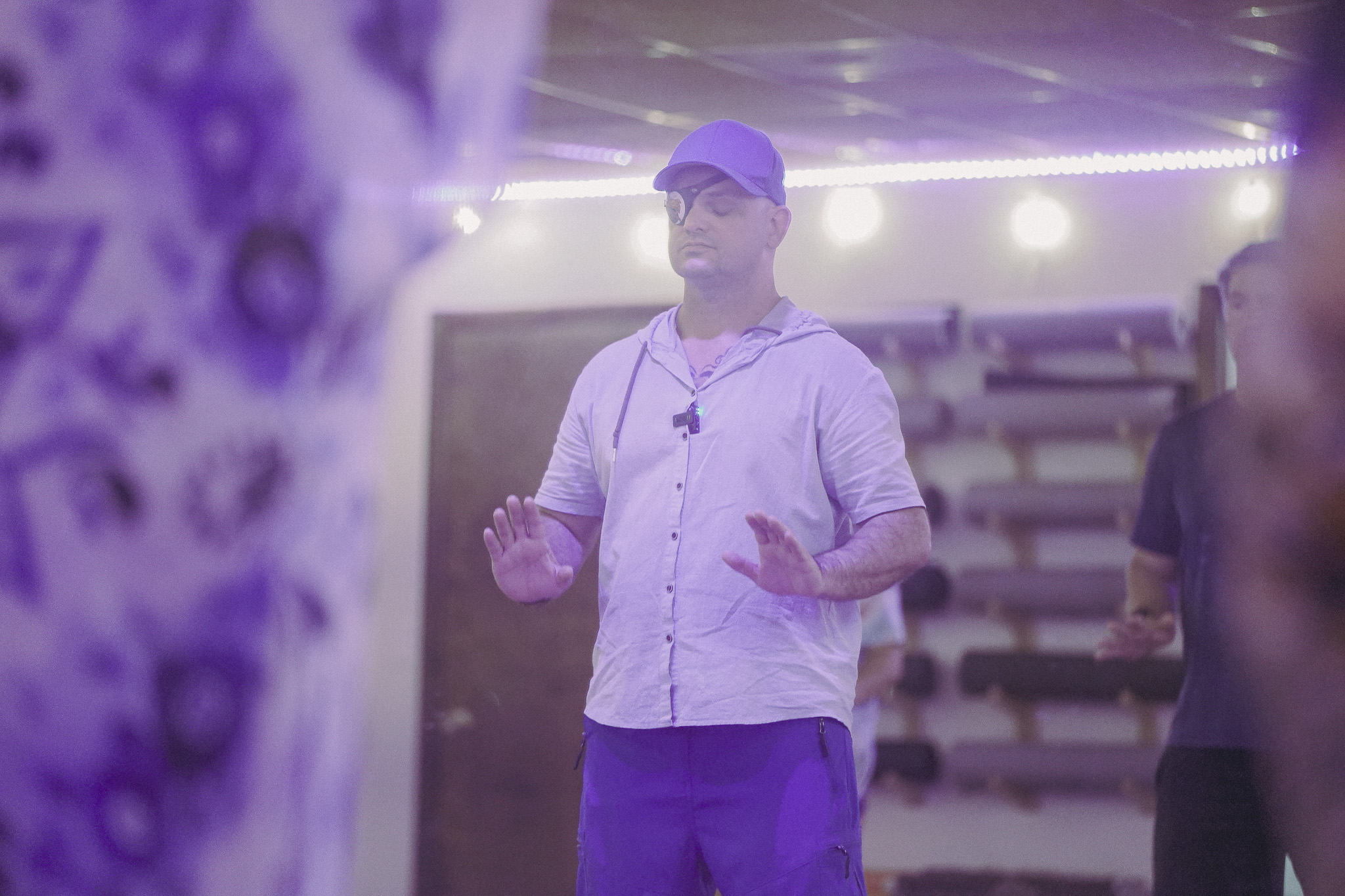
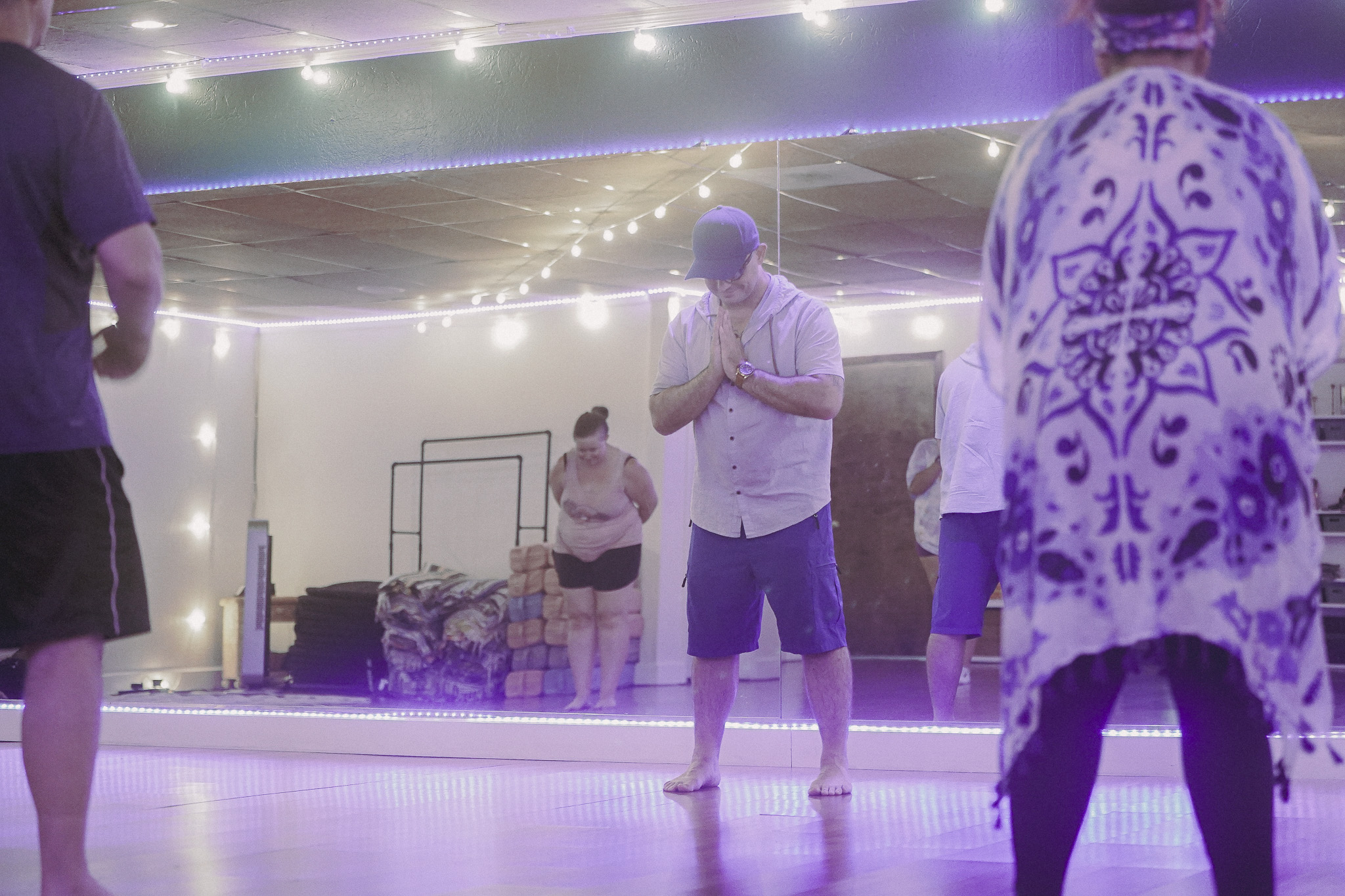
Paying attention differently means noticing without rushing to fix
Many people are used to paying attention only when something feels wrong. They notice the body when pain appears, when fatigue becomes hard to ignore, when stress becomes overwhelming, or when emotions spill into reaction. Attention becomes connected to urgency, correction, or problem-solving.
Tai Chi invites a different form of attention. During practice, you notice without needing to immediately fix everything you observe. You may notice that your shoulders are tense, your breath is shallow, your balance feels uneven, or your body wants to rush. These observations are not treated as failures. They are information.
This can be an important shift. Mindfulness is not about criticizing what you notice. It is about becoming aware enough to understand what is happening. When attention becomes less judgmental, the body may begin to feel safer to listen to. Tai Chi supports this by creating a structured practice where noticing is valued more than performing perfectly.
Mindfulness in motion means noticing what is happening without immediately turning that noticing into self-criticism.
Tai Chi helps people practice observation without needing to turn every sensation into a problem to solve.
The movement gives attention a clear structure
One reason people struggle with mindfulness is that attention can feel too open-ended. When someone is told to “be present,” they may not know where to place their focus. The instruction may sound simple, but in practice it can feel vague, especially when the mind is busy.
Tai Chi gives attention a clear structure. The sequence of movement, the rhythm of breath, the placement of the feet, and the transitions between postures all provide specific places for awareness to land. The mind is not expected to become blank. It is invited to follow something steady and physical.
This structure makes Tai Chi especially useful for beginners because the practice is not based on an abstract idea of calm. It is based on a repeated experience of returning. When attention wanders, there is always a clear place to come back: the next movement, the next breath, the next shift of weight, or the feeling of the body standing on the ground.
Tai Chi makes mindfulness practical by giving attention something specific to follow and somewhere clear to return.
The Feet
The feet help anchor attention through grounding, balance, and the feeling of contact with the floor.
The Breath
The breath helps connect physical movement with internal awareness and present-moment attention.
The Hands
The movement of the hands gives the eyes and mind a gentle point of focus without needing force.
The Transition
The space between movements teaches patience, awareness, balance, and the ability to stay present before moving forward.
Tai Chi helps you notice the quality of your attention
Mindfulness is not only about what you are paying attention to. It is also about how you are paying attention. Many people bring pressure, urgency, comparison, or self-judgment into their attention without realizing it. They may try to do the movement correctly, keep up with others, avoid mistakes, or force themselves to feel calm.
Tai Chi can reveal these patterns gently. A person may notice that they become tense when learning something new, impatient when the movement is slow, self-critical when they lose balance, or distracted when the sequence feels unfamiliar. These observations are useful because they show how attention behaves under pressure.
This matters because the way someone pays attention in class may reflect the way they pay attention in life. The same urgency that appears during a slow movement may also appear during work. The same self-judgment that appears while learning may appear in relationships or decision-making. Tai Chi provides a place to observe these patterns and practice a different relationship with attention.
Tai Chi does not only teach you to pay attention. It helps you notice whether your attention is rushed, harsh, distracted, curious, patient, or grounded.
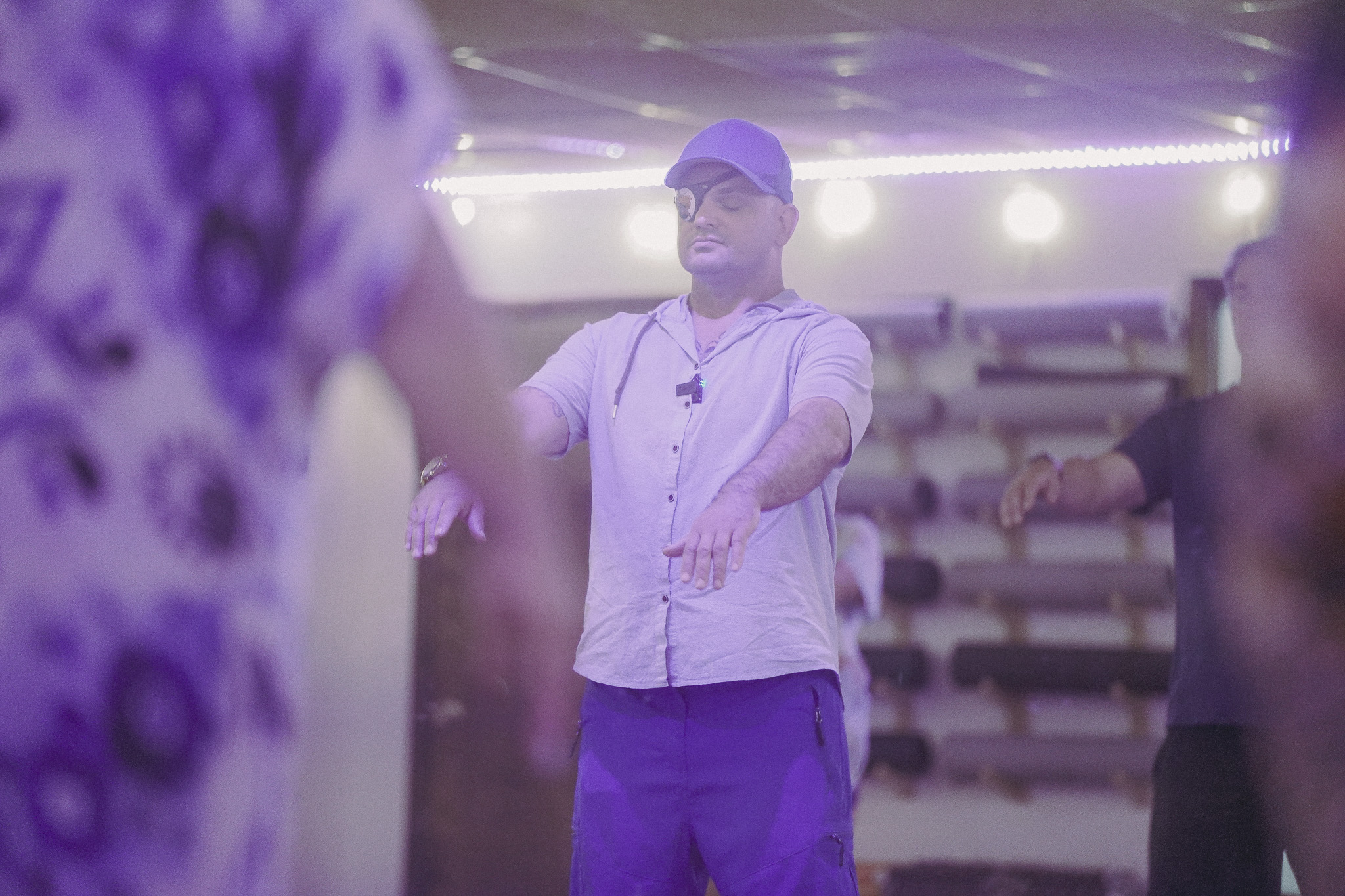
Mindfulness in motion can support people with busy minds
People with busy minds often feel discouraged by mindfulness practices because they assume distraction means they are doing something wrong. In reality, distraction is part of the practice. The mind naturally moves into thought, planning, remembering, worrying, and evaluating. Mindfulness is the skill of noticing that movement and returning to the present moment.
Tai Chi can make this process easier because the return happens through the body. Instead of trying to force the mind to be quiet, the practitioner can return to the feet, breath, posture, hands, or next movement. This gives the mind a steady and physical point of focus.
For busy minds, this can be more accessible than sitting in silence. The body remains gently engaged, and the movement provides direction. The practitioner does not need to stop thinking before beginning. They simply practice returning to the movement whenever attention wanders.
A busy mind does not prevent mindfulness. It gives the practice more opportunities to notice and return.
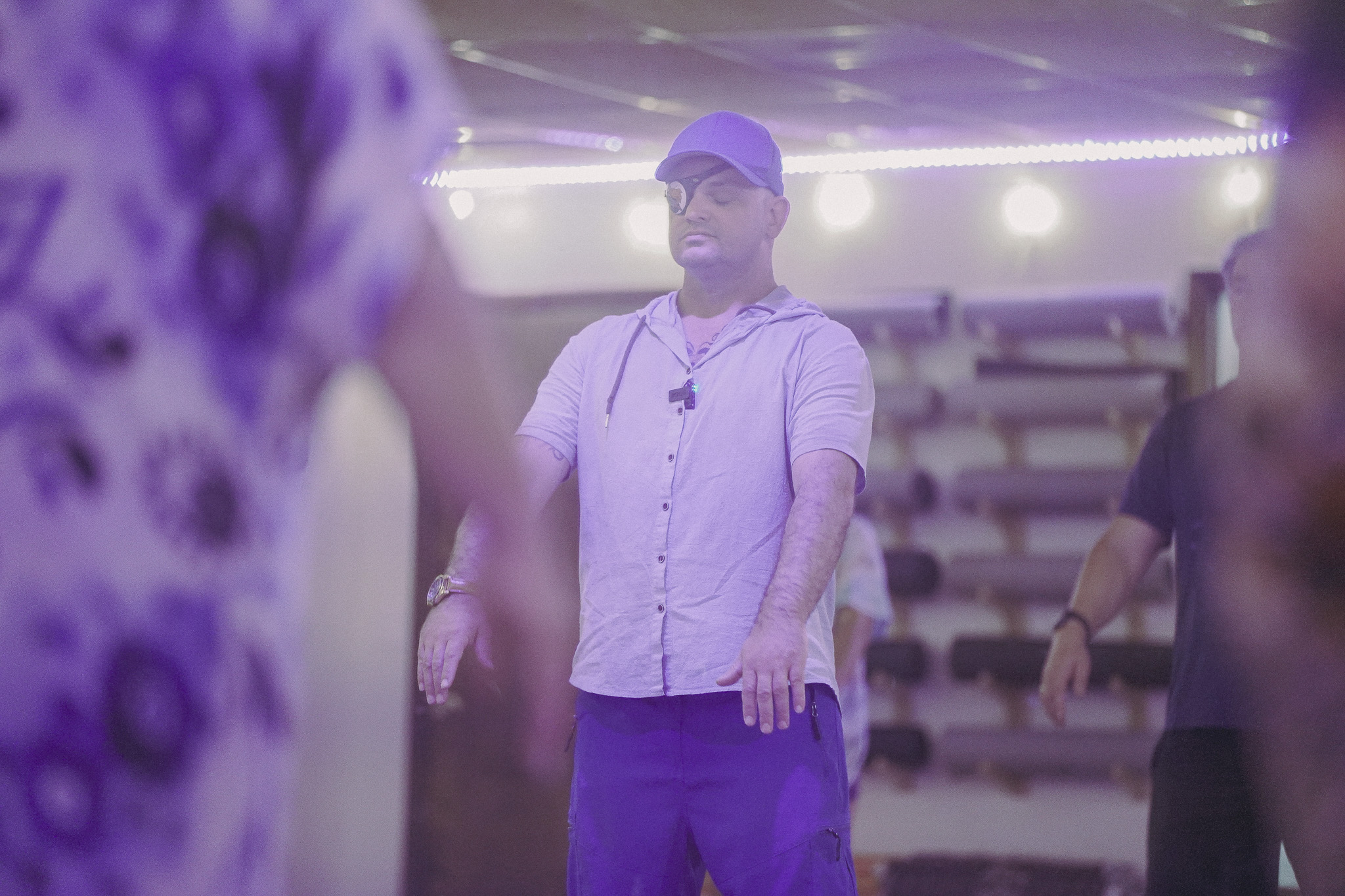
For people with busy minds, Tai Chi offers a physical pathway back to attention.
Tai Chi trains attention through transition
One of the most valuable parts of Tai Chi is the attention placed on transition. The practice is not only about arriving at the next posture. It is about noticing how the body moves from one posture into another. Weight shifts, breath changes, balance adjusts, and the body prepares before the next movement fully forms.
This makes Tai Chi a strong practice for attention because transitions require presence. If attention rushes ahead, the body may lose balance or become disconnected from the movement. If attention becomes too focused on getting the next step right, the practitioner may miss what is happening now.
This lesson applies to daily life as well. Many people rush through transitions without noticing how one moment affects the next. They move from work into home life, from stress into communication, from a difficult conversation into the next responsibility, or from emotion into reaction. Tai Chi teaches that the in-between space matters.
Mindfulness in motion teaches that the transition is not empty space. It is where awareness, balance, and response are formed.
Paying attention differently can change how you relate to stress
Stress often narrows attention. When a person is stressed, attention may become focused on what is wrong, what needs to be solved, what might happen next, or what cannot be controlled. This narrow focus can be useful in emergencies, but when it becomes constant, the mind and body may remain in a state of urgency.
Tai Chi helps widen attention. Instead of focusing only on the stressful thought or task, the practitioner begins noticing the whole body. The feet are on the ground. The breath is moving. The shoulders may be tense. The body may be rushing. The movement is happening now. This wider awareness can create more space around the stress response.
This does not mean stress disappears immediately. It means the person is no longer relating to stress only through thought. The body becomes part of the awareness, and that can create more options. A person may pause, breathe, adjust posture, slow down, or respond with more intention.
When attention widens beyond the stressful thought, the body can become part of how a person returns to steadiness.

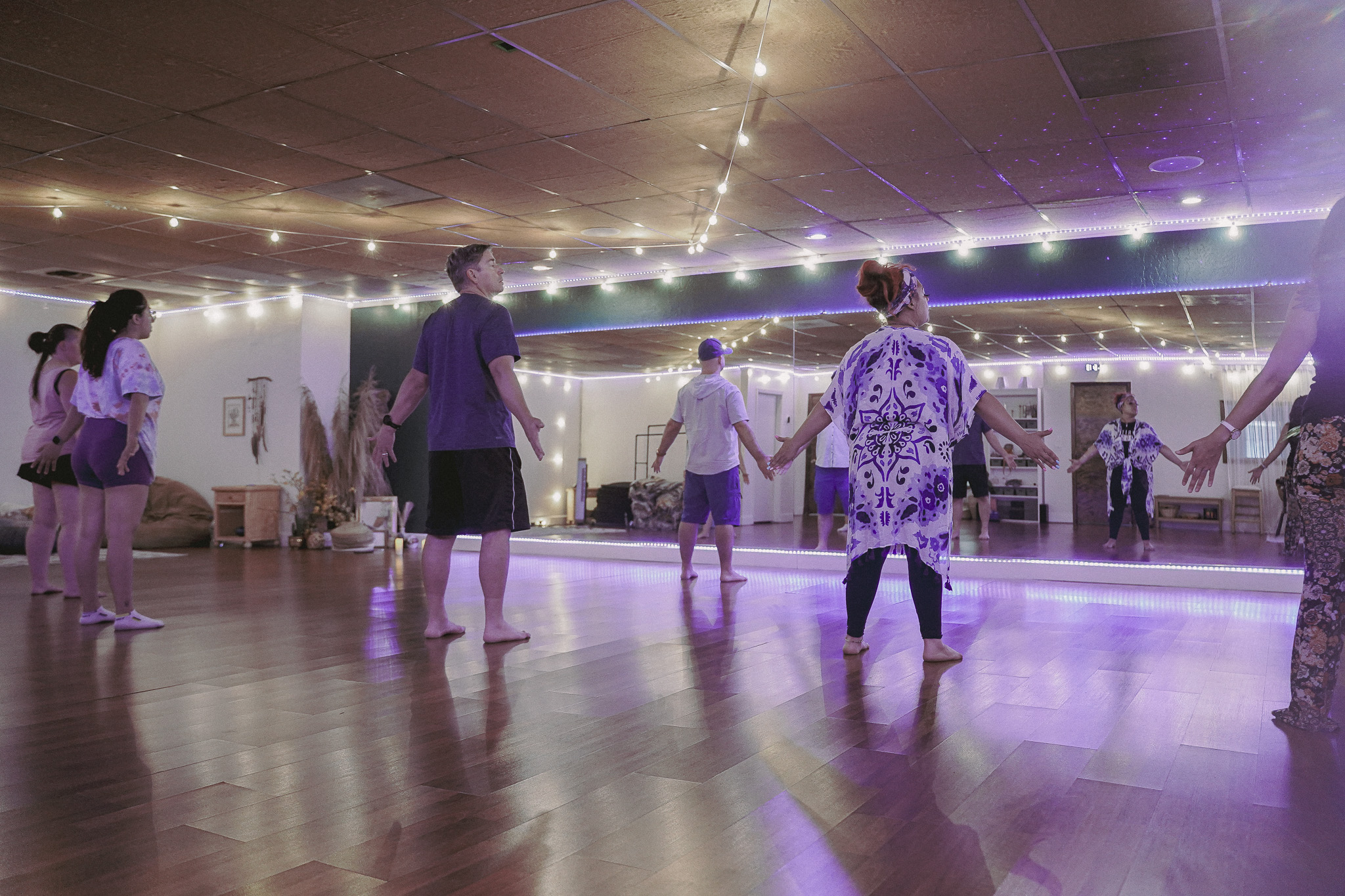
Mindfulness in motion does not require perfection
Beginners sometimes worry that they need to perform the movements correctly in order to benefit from Tai Chi. This pressure can make the practice feel intimidating, especially for people who are already self-conscious, stressed, or unfamiliar with movement-based practices.
However, Tai Chi as mindfulness in motion is not about perfect performance. It is about awareness. A person can forget the sequence and still practice returning. They can lose balance and still notice the body. They can feel distracted and still come back to the breath. They can move imperfectly and still develop mindfulness.
This distinction is important because perfection can become another distraction. If the mind becomes overly focused on doing everything correctly, the practice can become tense. Tai Chi invites a more patient approach. The movements are learned over time, and attention develops through repetition rather than pressure.
The practice is not to move perfectly. The practice is to notice, adjust, and return with patience.
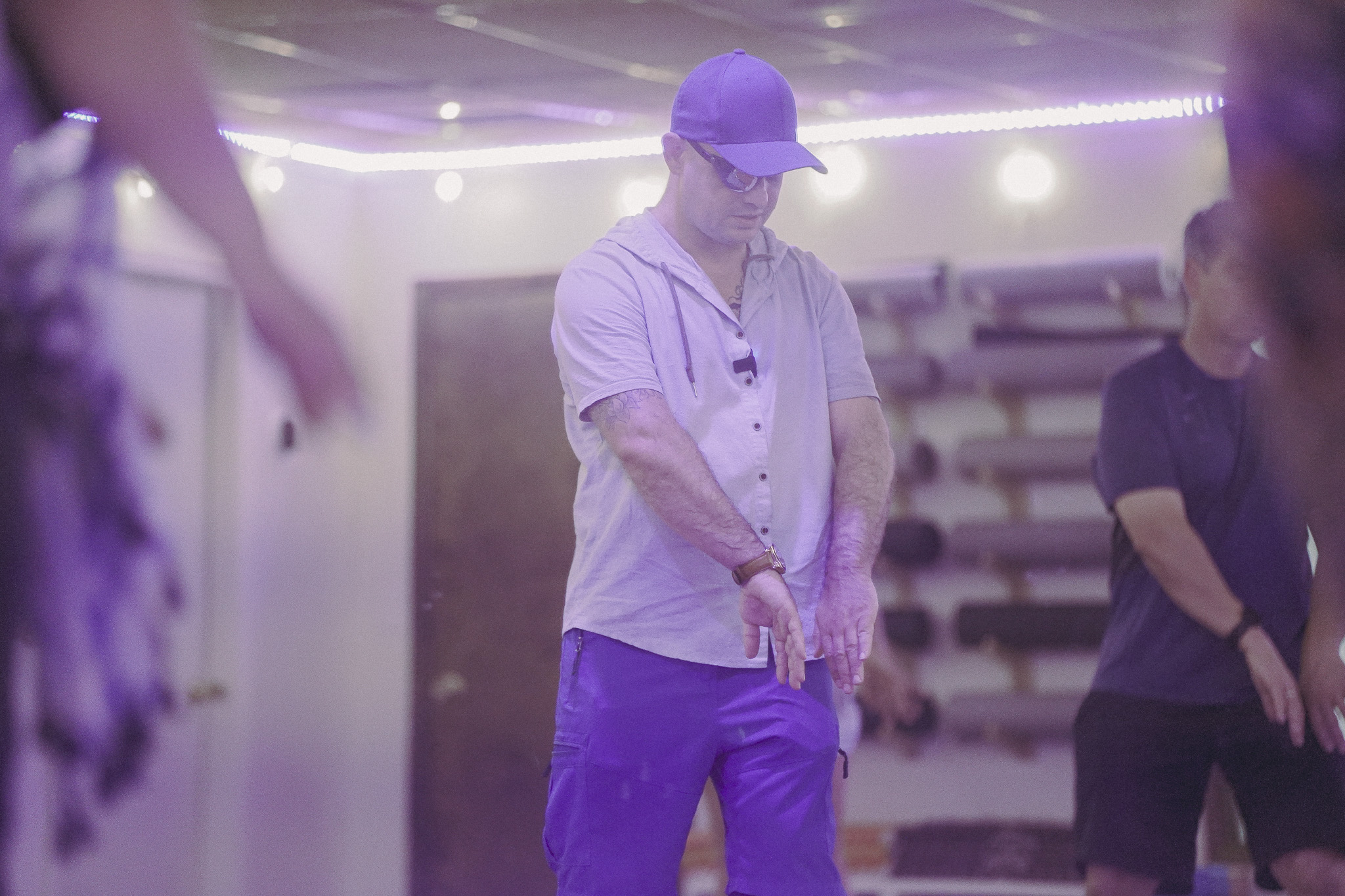
Tai Chi allows beginners to learn gradually while developing attention, awareness, and body connection over time.
Tai Chi helps turn attention into a daily life skill
The attention practiced in Tai Chi is not limited to class. Over time, the same skills may begin to appear in everyday moments. A person may notice when their breath becomes shallow during a stressful email, when their shoulders tense in a difficult conversation, or when their body begins rushing through a transition that needs more care.
These moments matter because they create opportunities for a different response. Instead of moving automatically from stress into reaction, a person may pause, breathe, feel their feet, or take a moment to understand what is happening internally. This is mindfulness becoming practical.
In this way, Tai Chi helps people pay attention differently outside the studio as well. It supports a more embodied form of awareness that can influence communication, decision-making, emotional regulation, work stress, parenting, relationships, and rest.
At Work
You may notice when stress changes your breath, posture, focus, or internal pace before responding.
In Relationships
You may recognize when the body becomes activated before reacting, withdrawing, or over-explaining.
During Transitions
You may become more aware of how one moment affects the next and create space before moving forward.
Before Rest
You may notice whether the body is truly settling or still carrying the pressure of the day.
Tai Chi is not a replacement for mental health care
Tai Chi can be a supportive wellness practice for mindfulness, stress awareness, body connection, and emotional wellbeing, but it is not a replacement for therapy, medication, medical care, psychiatric support, trauma-informed treatment, or crisis services. If someone is experiencing persistent anxiety, panic, depression, trauma symptoms, thoughts of self-harm, or difficulty functioning, support from a qualified professional may be necessary.
At the same time, many people benefit from practices that help them become more aware of how stress, emotion, and mental noise appear in the body. Tai Chi can be one supportive part of a broader care routine because it offers a gentle, accessible way to practice attention without requiring stillness, perfection, or forced silence.
The value of Tai Chi is not that it removes every thought or solves every source of stress. Its value is that it helps people practice returning to the present moment with more awareness, more patience, and more connection to the body.
Tai Chi can support mindfulness and stress awareness as part of a broader wellness routine, but it should not replace professional mental health support when that support is needed.
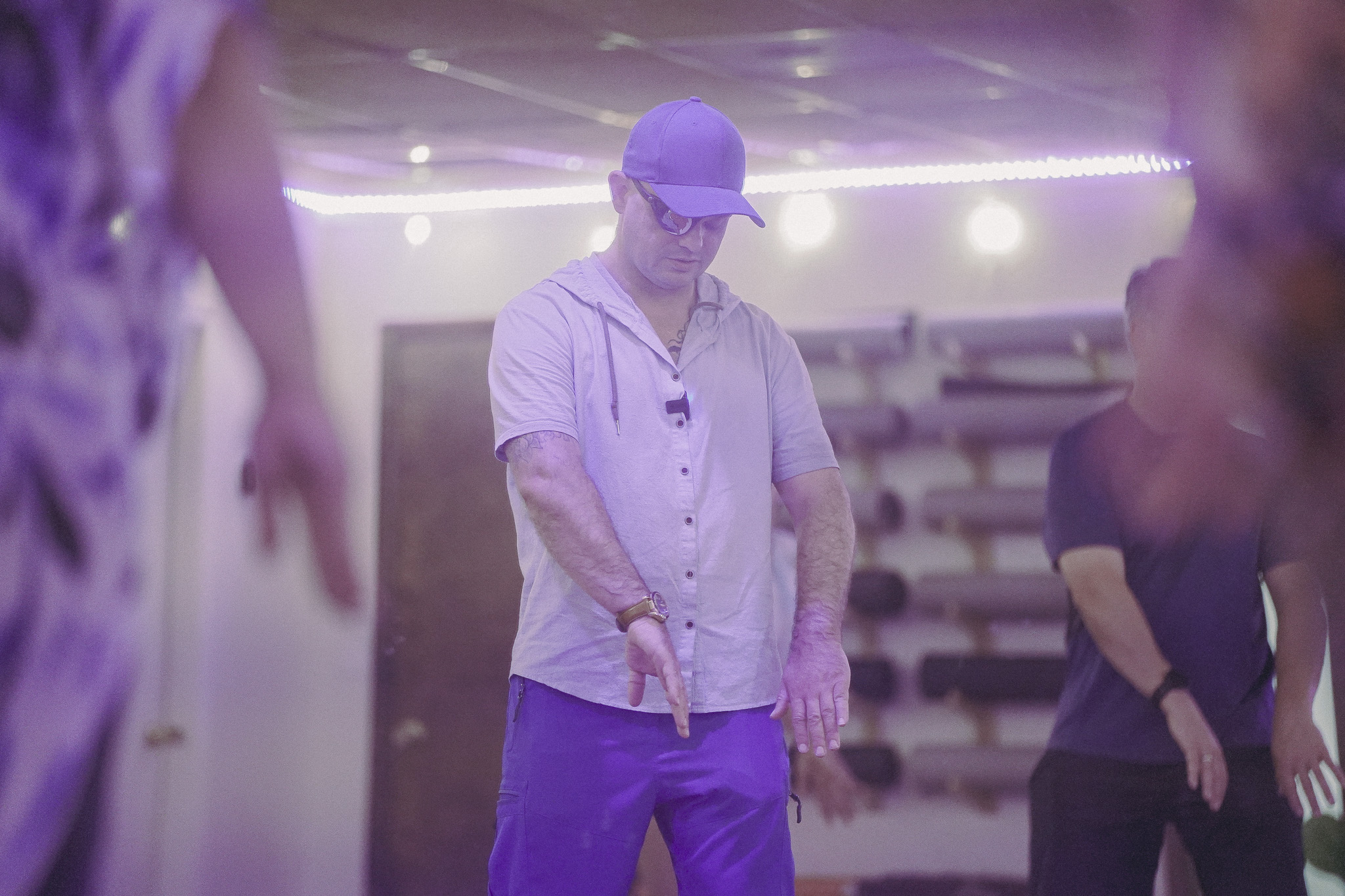
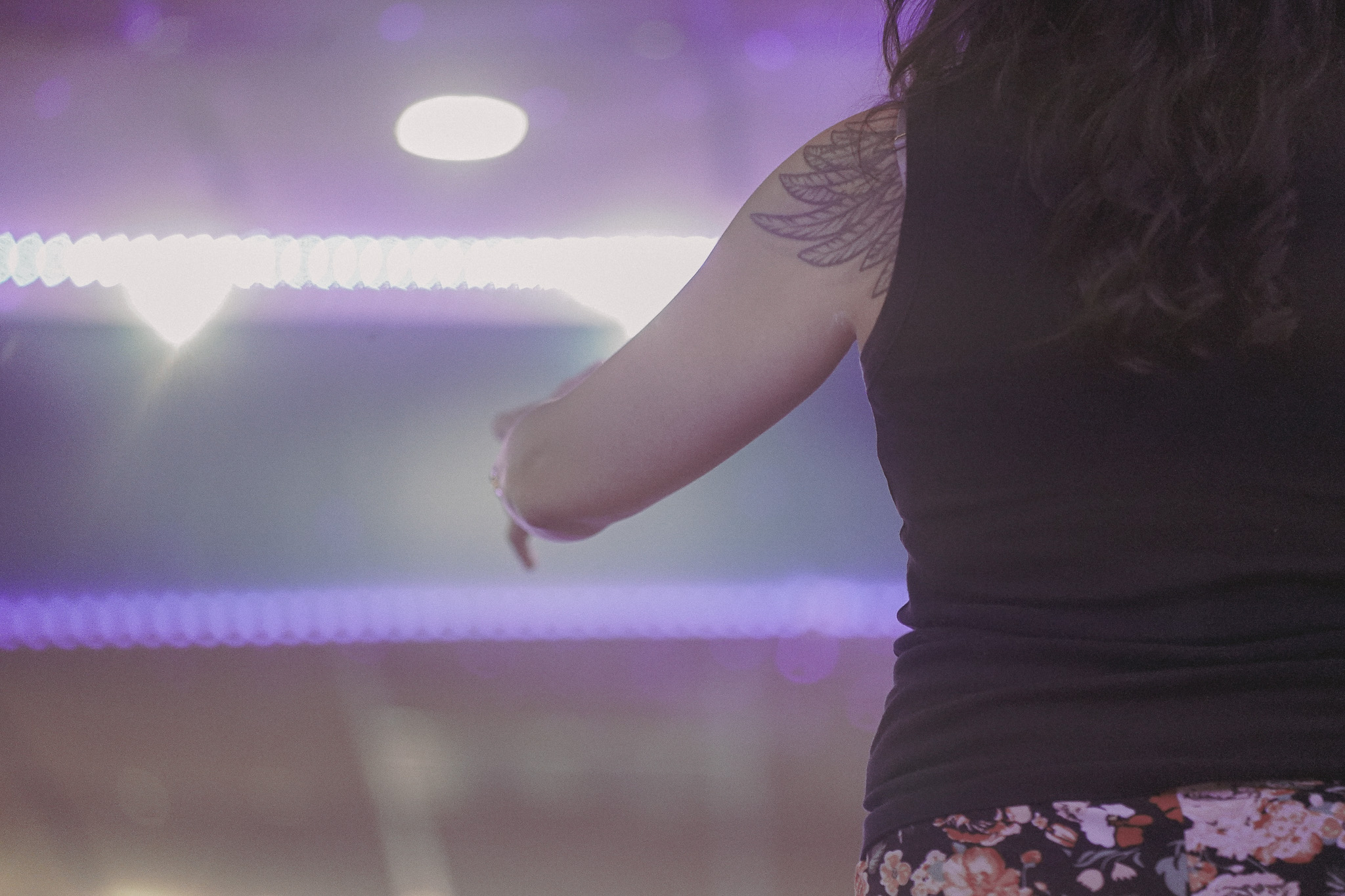
Tai Chi and The Healing Tree Collective
At The Healing Tree Collective, we understand that many people are looking for mindfulness practices that feel practical, grounded, and accessible. They may not want another wellness practice that feels like a performance. They may not want to be told to simply calm down, empty the mind, or sit still when their body and life feel full.
Tai Chi fits naturally into our approach because it teaches mindfulness through movement. It gives people a way to practice awareness while standing, breathing, shifting, balancing, and moving at a slower pace. It does not require prior experience, advanced flexibility, athletic ability, or a perfectly calm mind.
Our mission is to create accessible wellness spaces where people can heal, grow, and reconnect with themselves through practices that feel supportive, educational, and real. Tai Chi supports that mission because it helps people learn how to pay attention differently, not only during class, but in the ordinary moments where stress, emotion, responsibility, and relationship all meet.
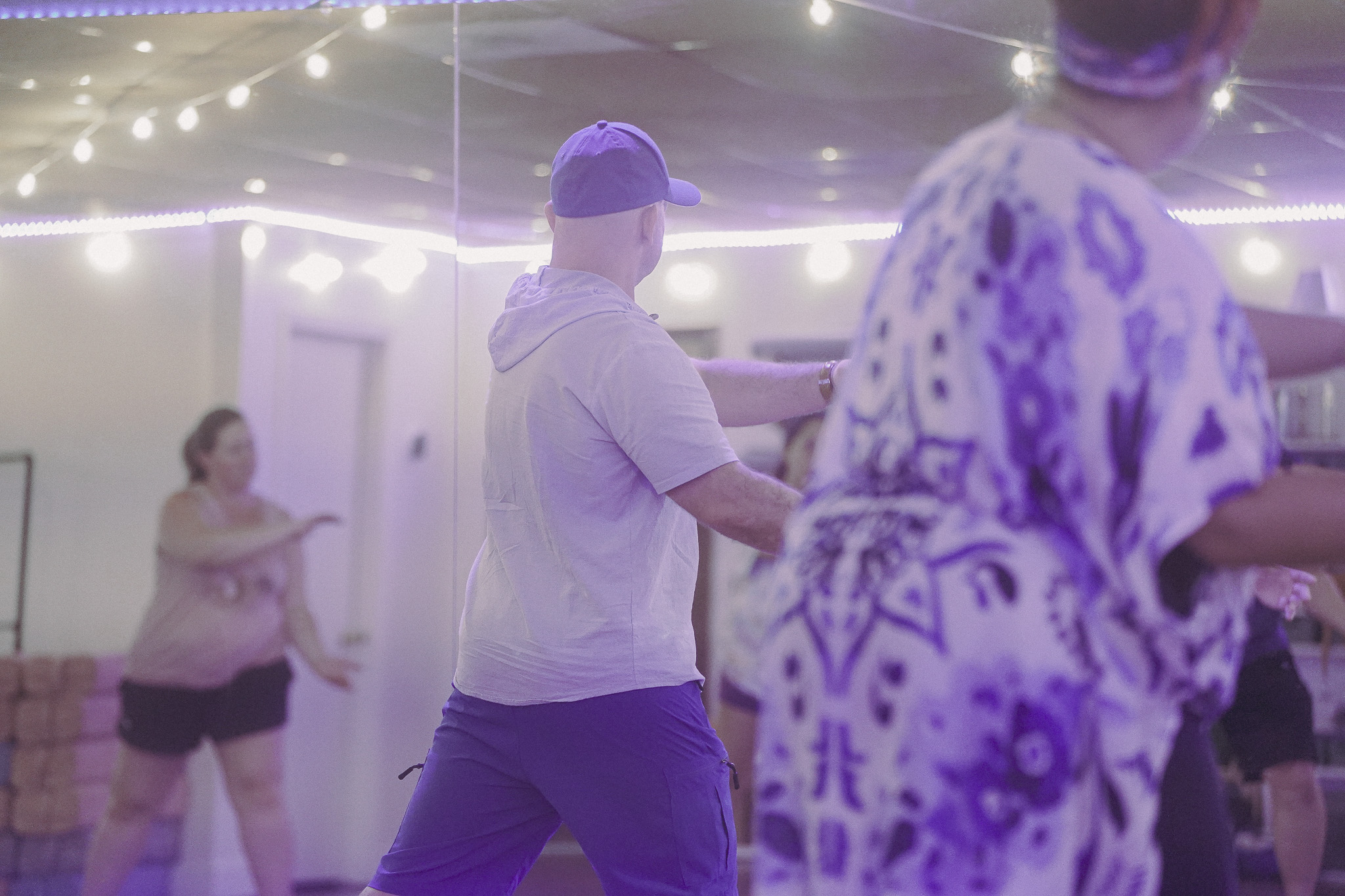
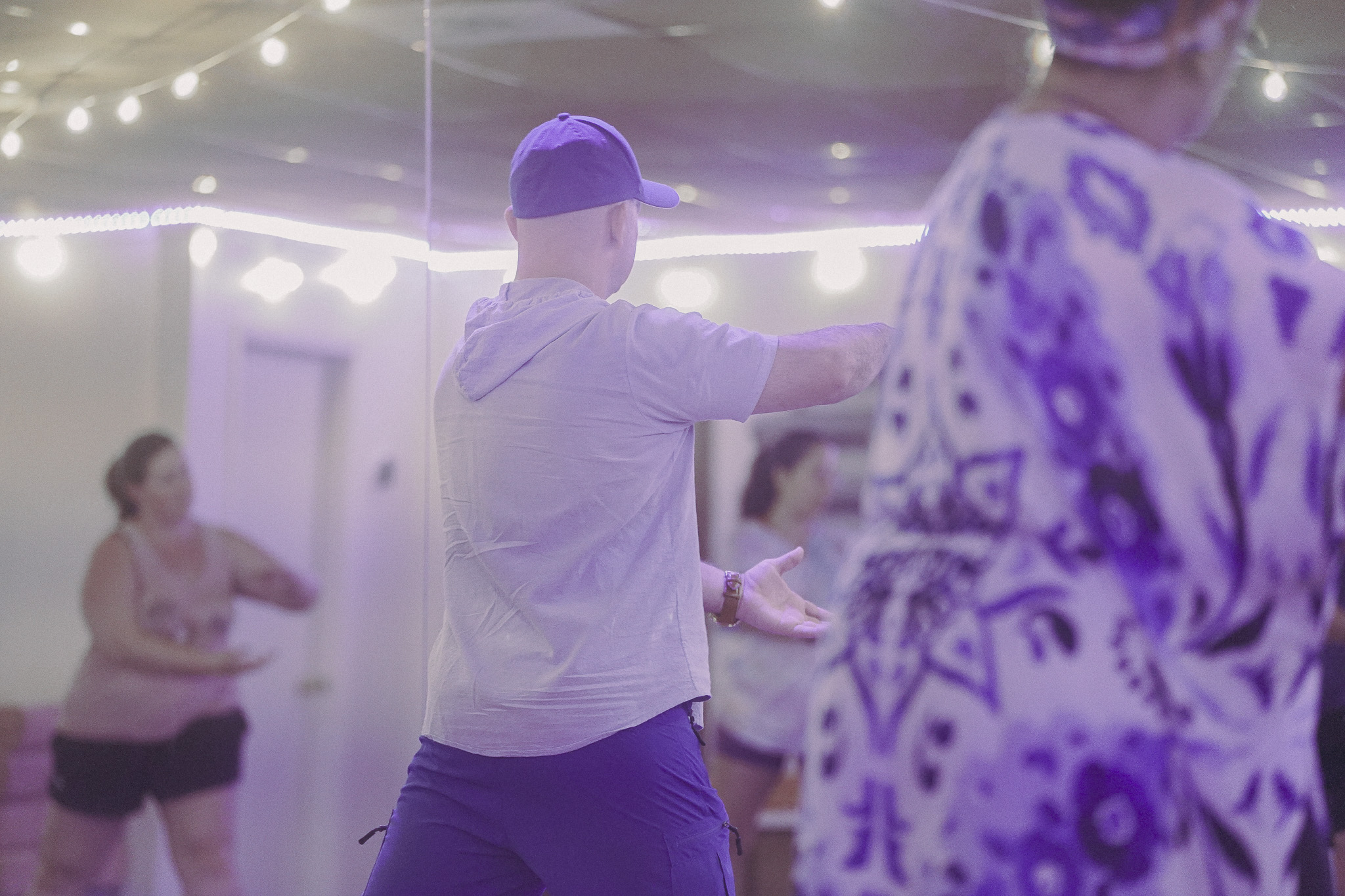
At The Healing Tree Collective, Tai Chi is offered as mindfulness in motion: a practice for learning how to return to the body, notice with more care, and move through life with greater awareness.
Final thoughts: mindfulness can be practiced through movement
Tai Chi can be understood as mindfulness in motion because it teaches people to pay attention differently. Instead of treating mindfulness as something that only happens in silence, Tai Chi brings awareness into movement, breath, posture, grounding, balance, and transition.
The practice helps people notice the body, observe the mind, recognize stress patterns, and return to the present moment without forcing perfection. This can be especially supportive for beginners, busy minds, restless bodies, and people who want a more practical way to understand mindfulness.
Learning to pay attention differently is not only useful during class. It can support the way people communicate, respond to stress, move through transitions, make decisions, and reconnect with themselves in daily life.
Tai Chi is mindfulness in motion because it teaches attention through the body, one breath, one movement, and one return at a time.
Looking for Tai Chi mindfulness in Tempe, Arizona?
At The Healing Tree Collective, our beginner-friendly wellness classes are designed to support stress relief, mindfulness, body awareness, and deeper connection. If you are curious about Tai Chi, mindfulness in motion, moving meditation, or gentle movement practices, you are welcome to begin here.