5 July 2026
The Healing Tree Collective • Tempe, Arizona
What Is Moving Meditation? How Tai Chi Helps You Meditate Through Movement
Many people believe meditation means sitting still, closing the eyes, clearing the mind, and remaining completely quiet. Because of that, they may assume meditation is not for them when their thoughts feel busy, their body feels restless, or stillness feels uncomfortable.
Moving meditation offers a different way to understand the practice. Instead of asking the body to become still before the mind is ready, moving meditation uses gentle, intentional movement as the focus of attention. The body remains active, but the mind is invited to return again and again to the present moment through breath, posture, rhythm, and physical awareness.
Tai Chi is one of the most accessible examples of moving meditation because it combines slow movement, breath awareness, grounding, balance, and mindful attention in a way that helps people practice presence through the body rather than through stillness alone.
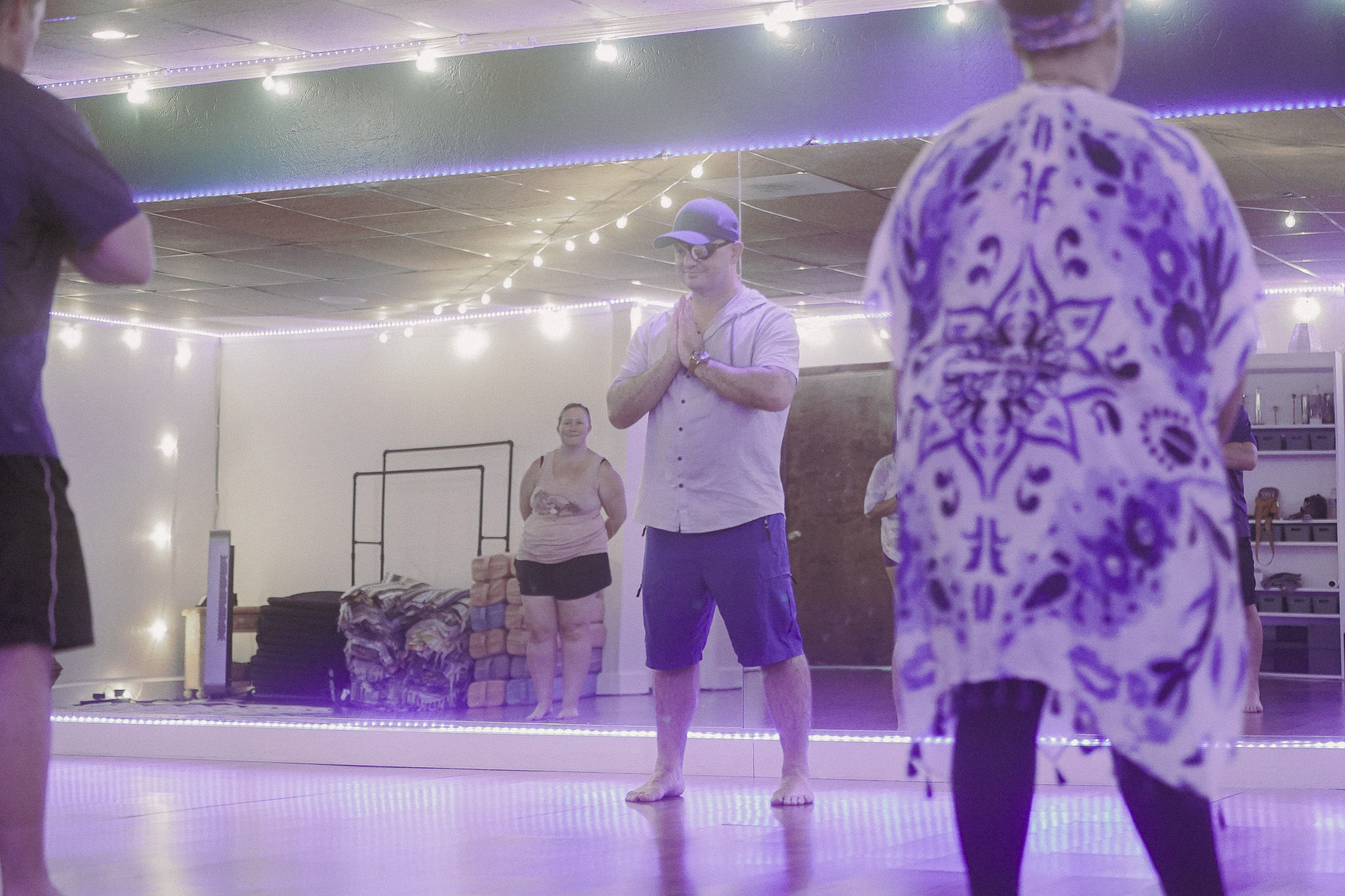
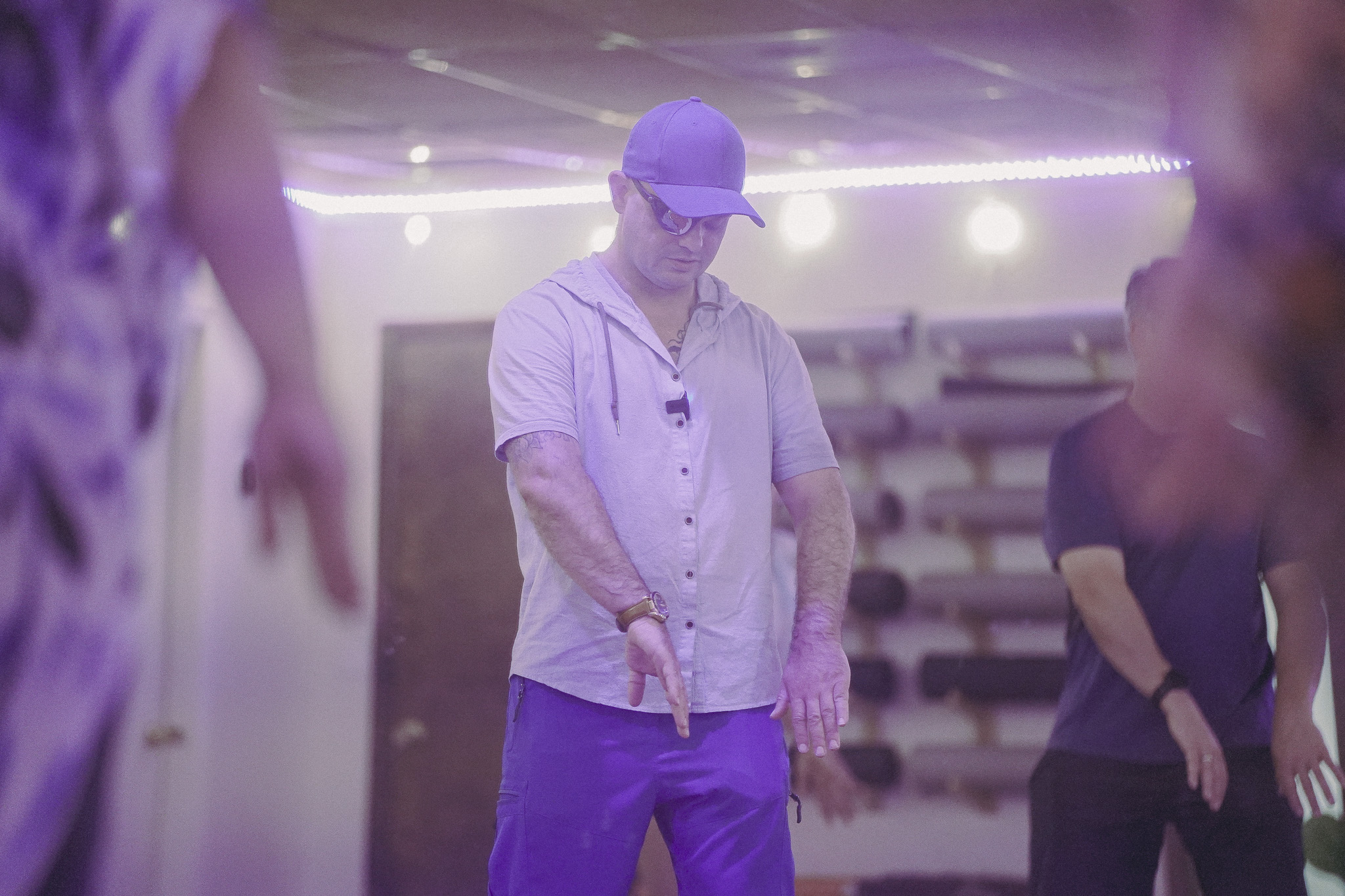
Tai Chi helps people explore meditation through slow, intentional movement rather than through stillness alone.
Moving meditation may support people who:
Need a practical way to practice mindfulness while the body remains gently engaged.
- Struggle with sitting still
- Have a busy or racing mind
- Feel disconnected from the body
- Want a beginner-friendly mindfulness practice
- Prefer movement over silence
- Need structure for attention
- Want to build presence through the body
What is moving meditation?
Moving meditation is a form of meditation where movement becomes the anchor for awareness. Instead of focusing only on the breath, a mantra, a visualization, or silent observation, the practitioner brings attention to the body while it moves. This may include noticing the feet, the breath, the posture, the shifting of weight, the pace of movement, and the transition from one position into another.
The purpose of moving meditation is not to perform a movement perfectly or to turn meditation into exercise. The purpose is to practice present-moment awareness through the body. The movement gives the mind something clear to follow. When attention wanders, which is normal, the practitioner returns to the next movement, the next breath, or the physical sensation of being grounded.
This can be especially helpful for beginners because it makes meditation less abstract. A person does not have to wonder whether they are “clearing their mind” correctly. Instead, they can ask more practical questions: Where are my feet? How is my breath moving? Am I rushing? Where is my body holding tension? Can I return to the movement in front of me?
Moving meditation is not about escaping the body. It is about using the body as a practical pathway into attention, presence, and awareness.
Meditation does not have to mean sitting completely still
One of the reasons many people give up on meditation is that they have been taught a very narrow idea of what meditation should look like. They may imagine a person seated in silence with no thoughts, no movement, no discomfort, and no distraction. When their own experience does not match that image, they assume they are not capable of meditating.
In reality, meditation is not defined by the absence of thought. It is more accurately understood as a practice of awareness. The mind will think, the body may shift, emotions may arise, and attention will naturally wander. The practice is not to stop all of that from happening. The practice is to notice when attention has wandered and gently return to the chosen point of focus.
For some people, movement provides a more accessible point of focus than stillness. When the body is moving slowly and intentionally, the mind has something concrete to follow. This is why Tai Chi can feel supportive for people who have tried seated meditation but found it difficult, frustrating, or uncomfortable.
Meditation is not only the practice of becoming still. It is the practice of returning to awareness, and movement can be one way to do that.
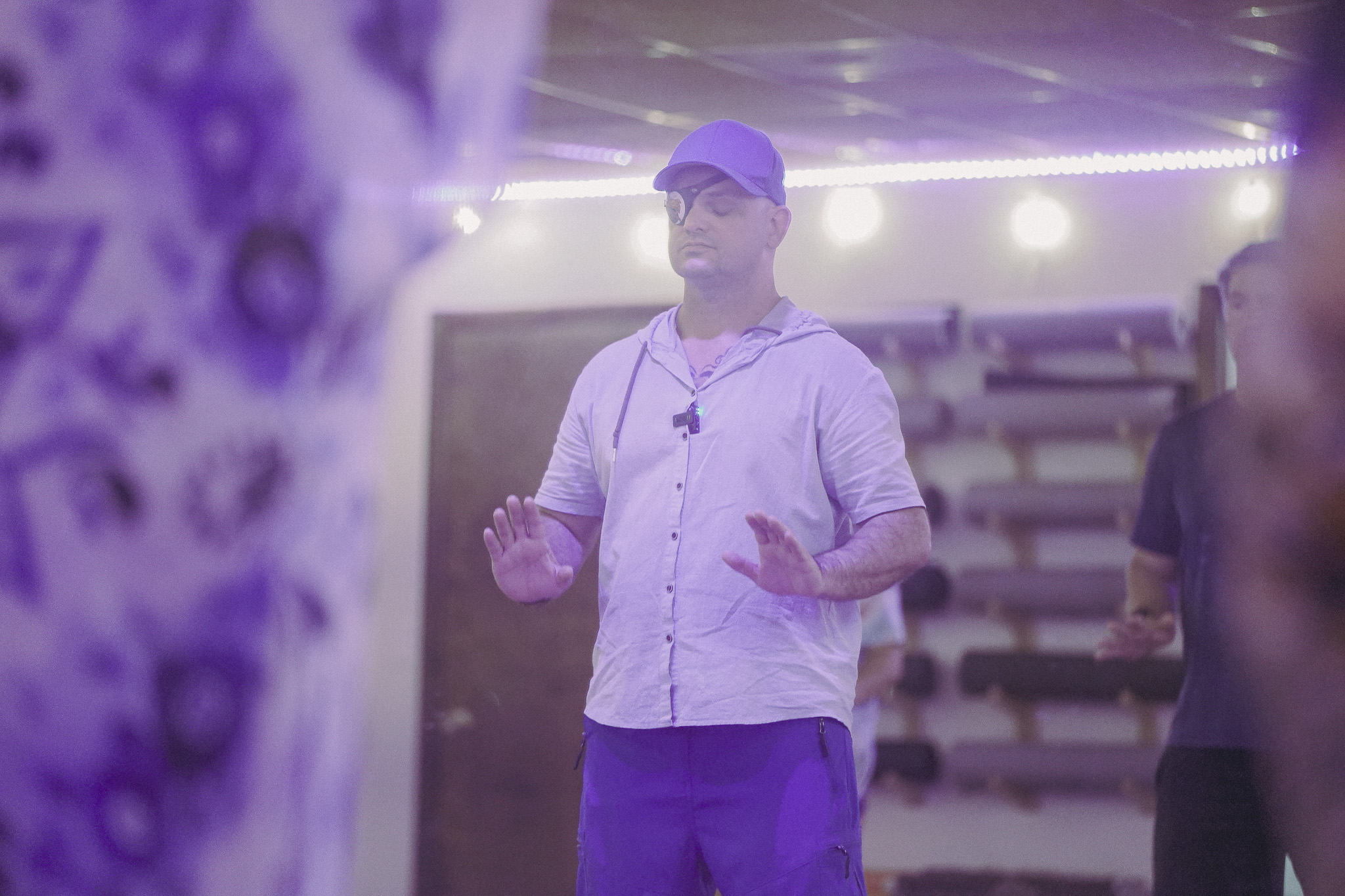
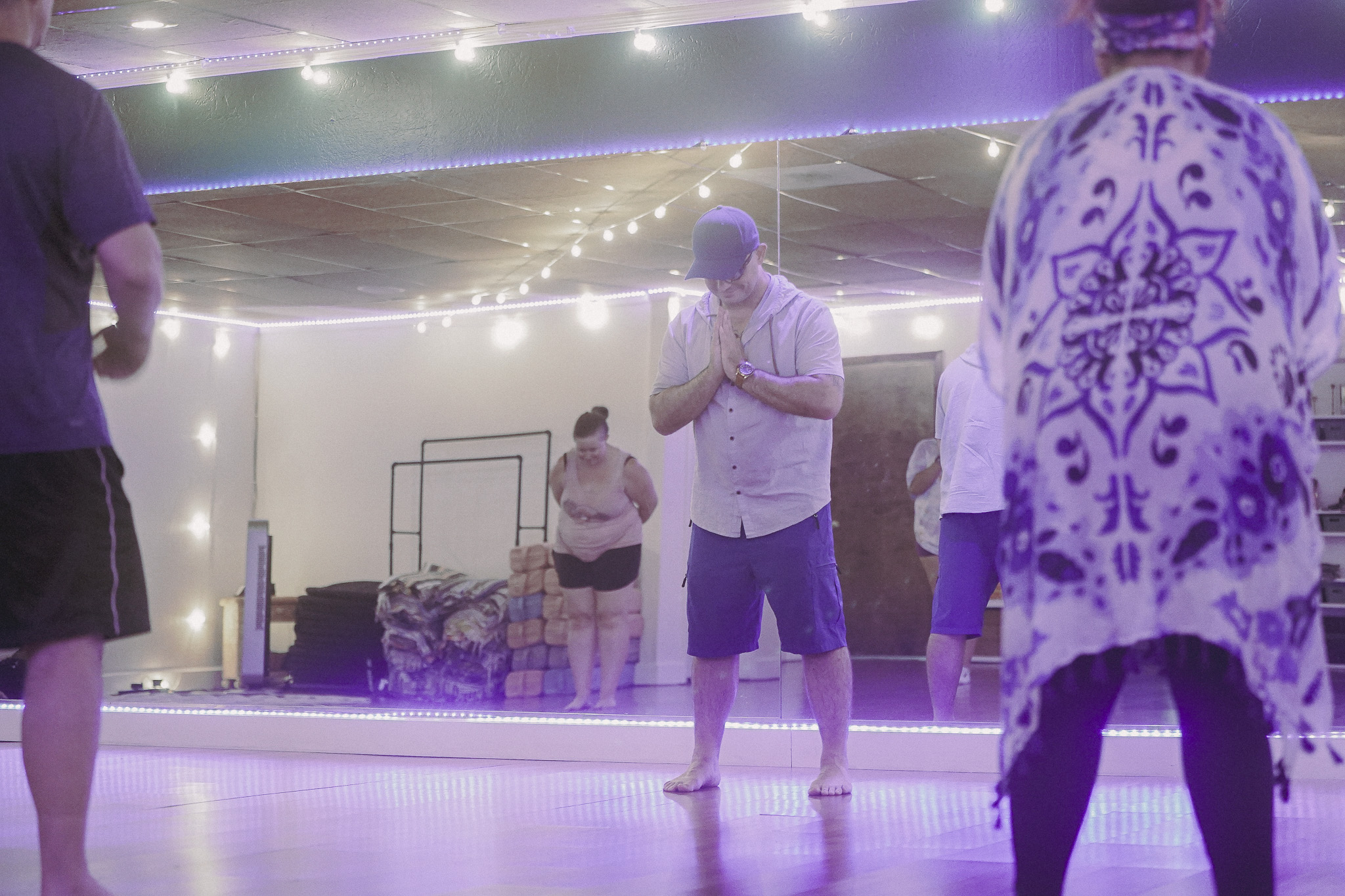
How Tai Chi turns movement into meditation
Tai Chi turns movement into meditation by asking the practitioner to move with attention rather than habit. The movements are slow, controlled, and continuous, which gives the mind and body time to stay connected. Instead of moving quickly from one shape to another, the practitioner notices how each movement begins, develops, and transitions into the next.
This is where the meditative quality of Tai Chi becomes practical. Attention is placed on the body in real time. You may notice the weight shifting into one foot, the arms moving through space, the breath changing with the pace, or the body’s tendency to rush when a movement feels unfamiliar. These details create an anchor for awareness.
Because Tai Chi is structured, it provides direction without overwhelming the practitioner. The sequence gives the mind something to follow, while the slower pace creates enough room to notice what is happening internally. This combination of structure and awareness is what allows Tai Chi to function as moving meditation.
Tai Chi becomes meditative because the movement is not separate from attention. The movement is the place where attention is practiced.
In Tai Chi, awareness is practiced through the feet, breath, posture, balance, and movement transitions.
Why moving meditation can be helpful for a busy mind
A busy mind often needs structure. When someone is stressed, overstimulated, or mentally tired, sitting quietly with no physical anchor may make the mind feel louder. Thoughts may become more noticeable, the body may feel restless, and the person may become frustrated by how difficult it is to relax.
Moving meditation can be helpful because it gives the mind a clear task that is not overly demanding. In Tai Chi, the mind can return to the feet, the hands, the breath, the posture, or the next transition. This does not eliminate every thought, but it can help organize attention. The practice gives the mind a place to land.
This is especially important for people who assume they cannot meditate because they think too much. Tai Chi does not require the mind to become empty before beginning. It creates a structure where the mind can keep returning to the body, even if thoughts continue to appear throughout the practice.
For a busy mind, movement can become a practical anchor because attention has something physical, steady, and immediate to follow.
The Feet
Attention can return to the ground, weight shifting, balance, and the physical support beneath the body.
The Breath
Breath awareness helps connect the rhythm of the body with the pace of movement and attention.
The Hands
The movement of the hands gives the eyes and mind a gentle point of focus without requiring force.
The Transition
The space between movements teaches patience, awareness, and the ability to stay present before moving forward.
Moving meditation is not the same as exercise on autopilot
It is possible to move the body without being present. Many people exercise while thinking about work, listening to something distracting, rushing toward a goal, or pushing through discomfort without noticing what the body is communicating. While that kind of movement may still have physical benefits, it is not the same as moving meditation.
Moving meditation requires attention. The movement is not only about completing a sequence or increasing physical effort. It is about noticing how the body moves, how the breath responds, where tension appears, and how the mind relates to the present moment. In Tai Chi, the slower pace helps make this attention more available.
This does not mean that Tai Chi is not physical. It involves balance, coordination, posture, muscle engagement, and controlled movement. However, the physical practice is paired with awareness. That is what allows the movement to become meditative rather than simply mechanical.
Movement becomes meditation when attention is present. Without attention, movement may become another task the body completes while the mind remains elsewhere.
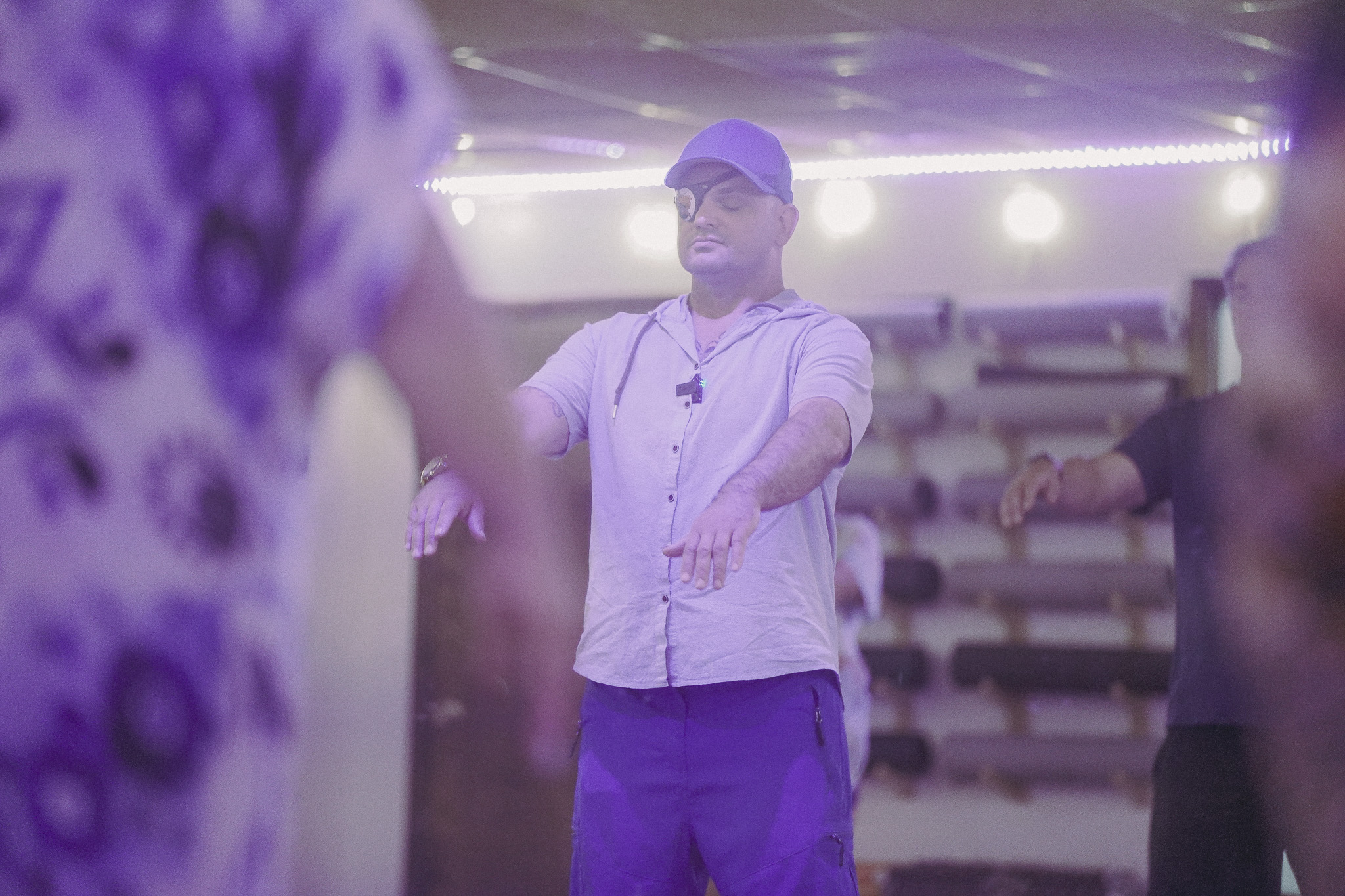
Tai Chi teaches presence through transitions
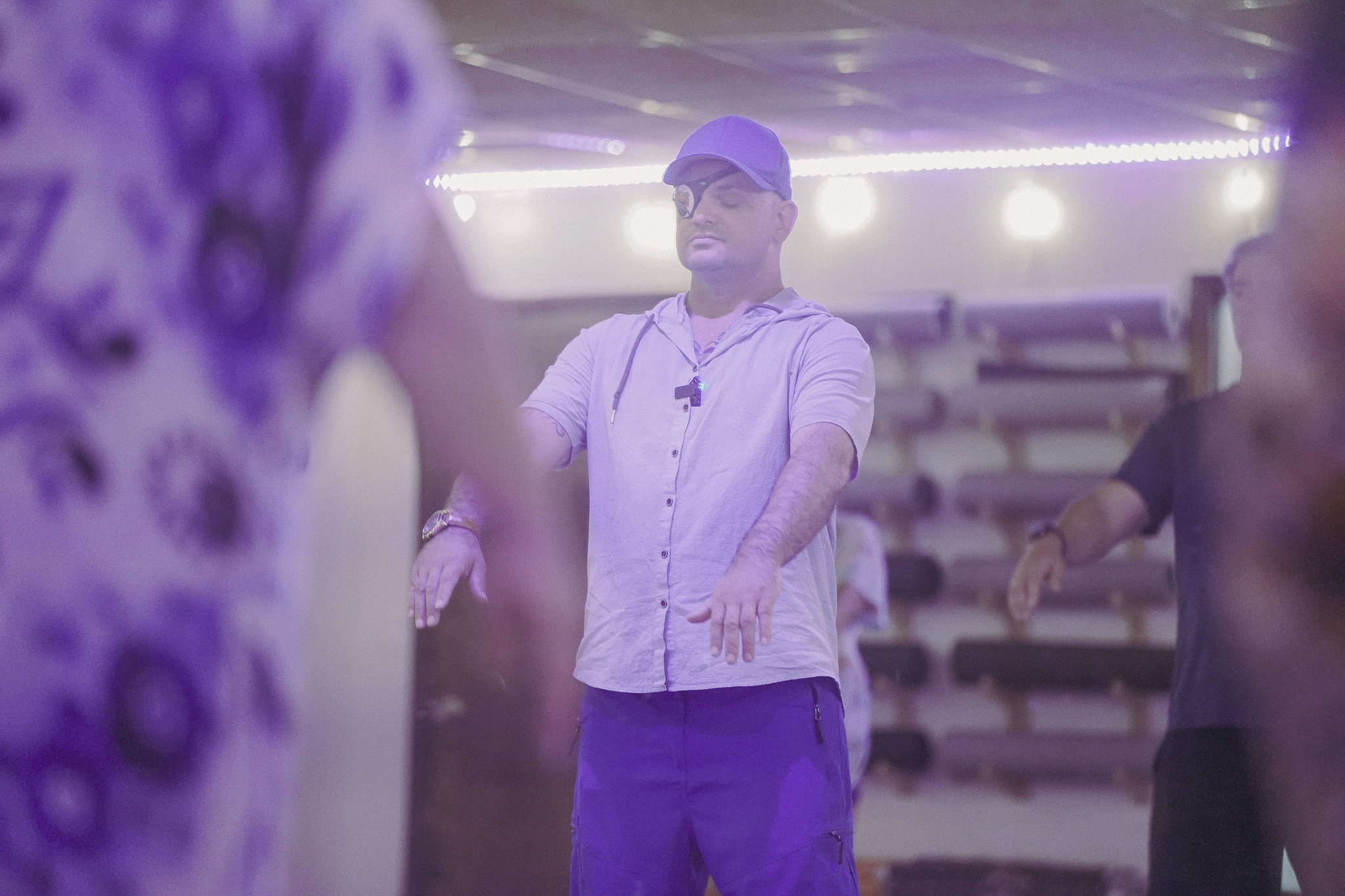
One of the most valuable parts of Tai Chi is the attention placed on transition. The movement from one posture into the next is not rushed or treated as empty space. The practitioner notices how weight shifts, how balance changes, how the breath moves, and how the body prepares for what comes next.
This matters because meditation is not only about the moments when everything feels still. Meditation can also be practiced in the in-between moments, when attention wants to rush ahead. Tai Chi teaches people to stay present during transition rather than only focusing on the final position.
This lesson can be useful in everyday life. Many people move quickly through transitions: from work to home, from one conversation to another, from stress to rest, or from emotion to reaction. Tai Chi provides a physical practice for slowing down during those in-between spaces, which can help people become more aware of how they move from one moment into the next.
In Tai Chi, the transition is part of the meditation. The space between movements becomes a place to practice awareness.
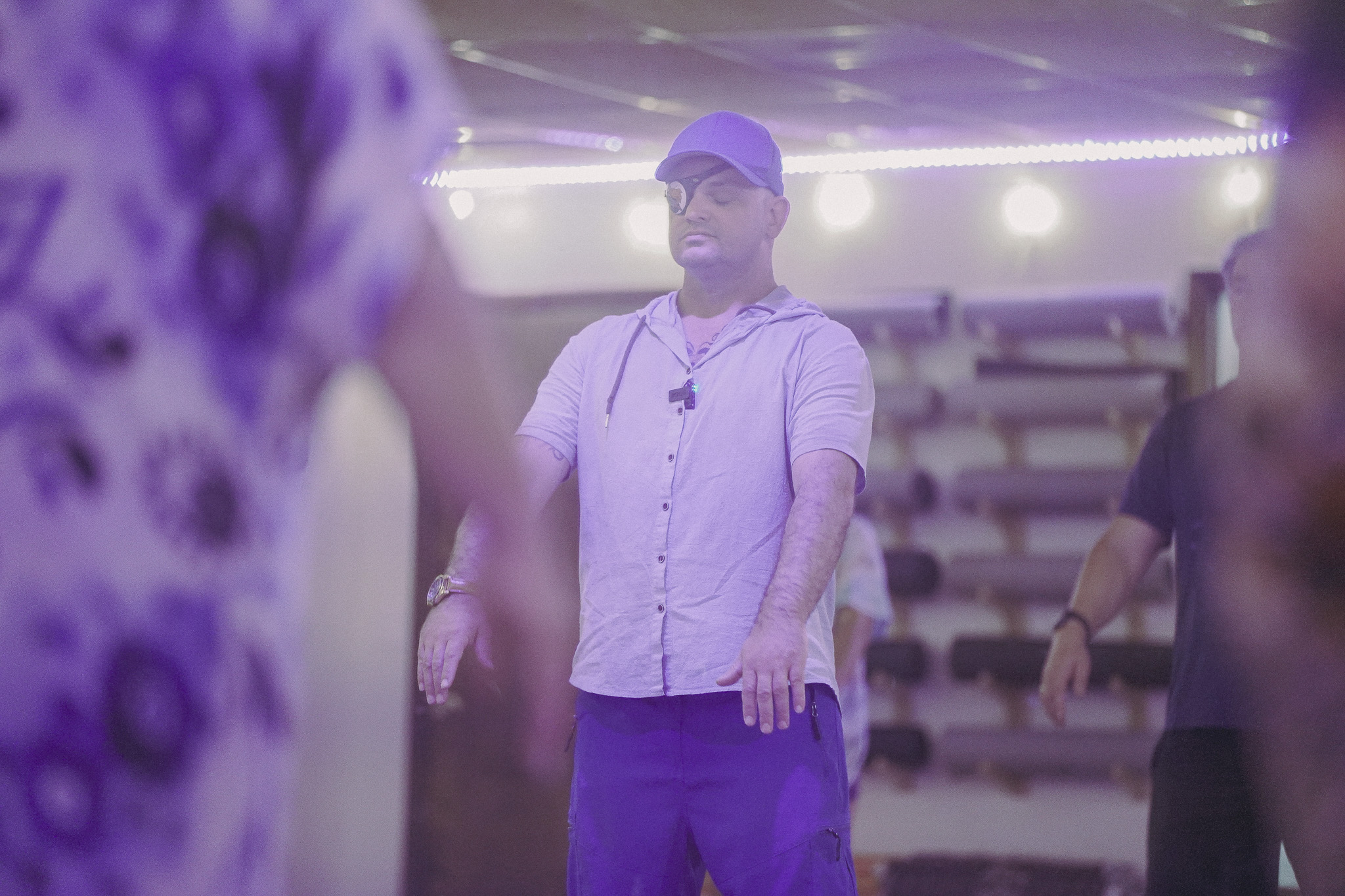
Tai Chi teaches people to pay attention not only to the movement itself, but also to the space between movements.
Breath connects the mind and body during movement
Breath awareness is an important part of moving meditation because the breath helps connect the mind and body. When stress is present, the breath may become shallow, fast, restricted, or held. Many people do not notice this change because they are focused on thoughts, responsibilities, or external demands.
In Tai Chi, the slower pace creates an opportunity to notice the breath without forcing it. As the body moves, the practitioner may begin to sense when the breath feels restricted, when an exhale helps soften tension, or when the body feels more coordinated as breathing becomes more available. This awareness can help make the practice feel grounding.
The breath also provides a point of return. When the mind wanders, the practitioner can come back to the breath. When the body feels tense, the practitioner can notice the breath. When the movement feels unfamiliar, the breath can help anchor attention. This makes breath an important bridge between physical movement and meditative awareness.
In moving meditation, the breath helps connect awareness to the body while the body is still in motion.
Moving meditation can support body awareness
Many people live with a limited awareness of their bodies. They may notice the body only when it is tired, tense, uncomfortable, or unable to keep going. The rest of the time, attention may remain in the mind, focused on responsibilities, plans, tasks, or worries.
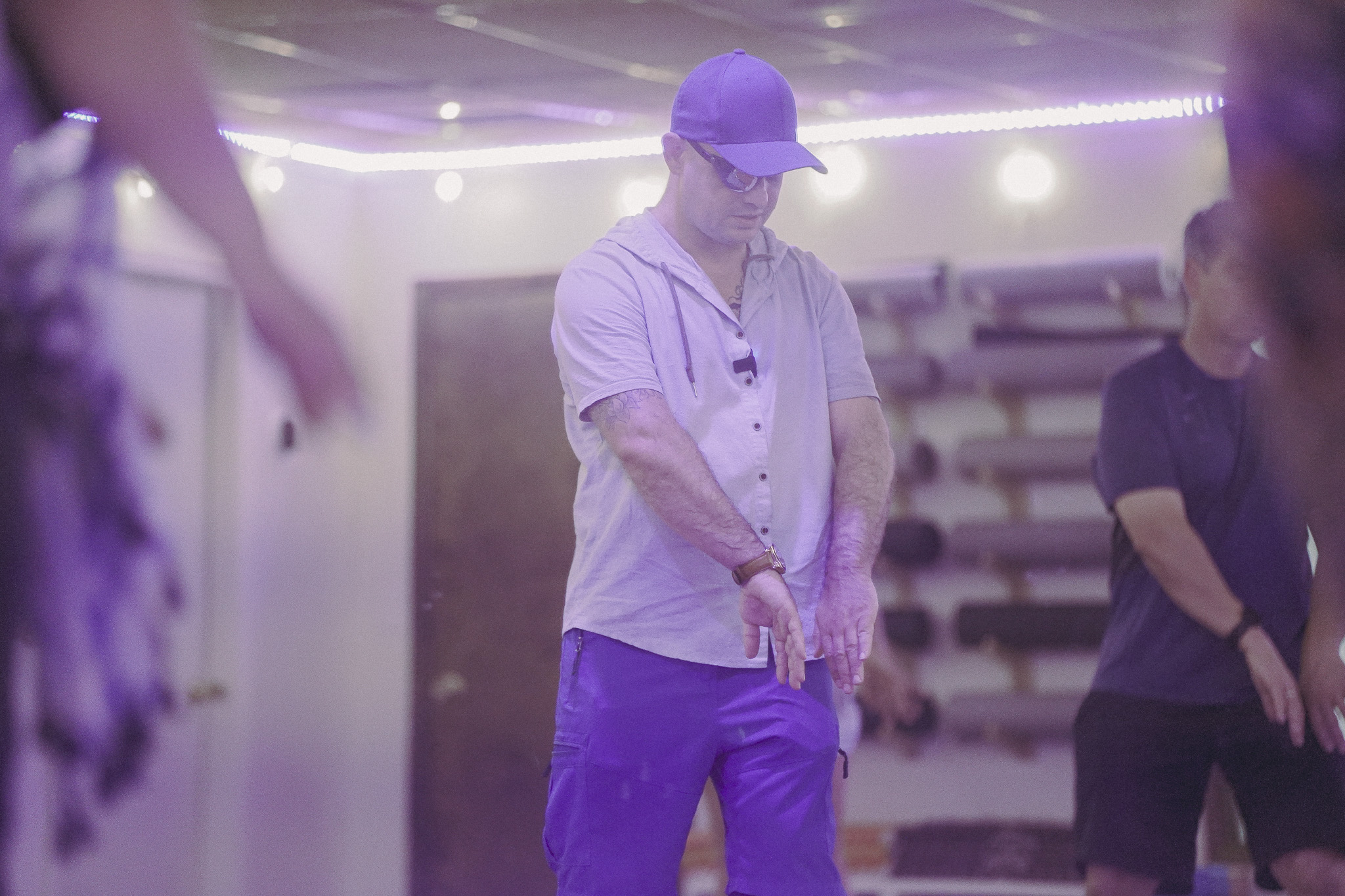
Tai Chi supports body awareness by bringing attention back to physical experience in a steady and structured way. The practitioner notices posture, balance, muscle tension, breath, coordination, and the feeling of the body moving through space. Because the movements are slow, the body’s signals become easier to observe.
This can be useful because body awareness often supports emotional awareness and stress management. When people notice their bodies earlier, they may recognize stress before it becomes overwhelming. They may notice when the shoulders are tense, the breath is restricted, or the body is rushing. These signals can become invitations to pause, adjust, and return to the present moment.
Moving meditation helps rebuild body awareness by giving attention a physical experience to observe, rather than asking awareness to remain only in the mind.
Moving meditation can feel more accessible for beginners
Beginners often feel pressure to meditate correctly. They may believe they need to have a quiet mind, sit for a long time, understand spiritual language, or enter a deep state of calm before the practice is effective. These expectations can make meditation feel intimidating or discouraging.
Moving meditation can reduce some of that pressure because the practice gives clear, practical instructions. In Tai Chi, the beginner is not expected to clear the mind perfectly. They are invited to follow the movement, feel the feet, notice the breath, and return attention whenever it wanders. This makes the practice easier to understand because the body is involved in each step.
It is also normal for beginners to feel awkward or distracted. Learning movement takes time. Forgetting the sequence, losing balance, or feeling uncertain does not mean the practice is failing. In fact, those moments become part of the meditation because they give the practitioner another opportunity to notice, adjust, and return.
For beginners, moving meditation can make mindfulness more practical because the body provides structure while the mind learns how to return.
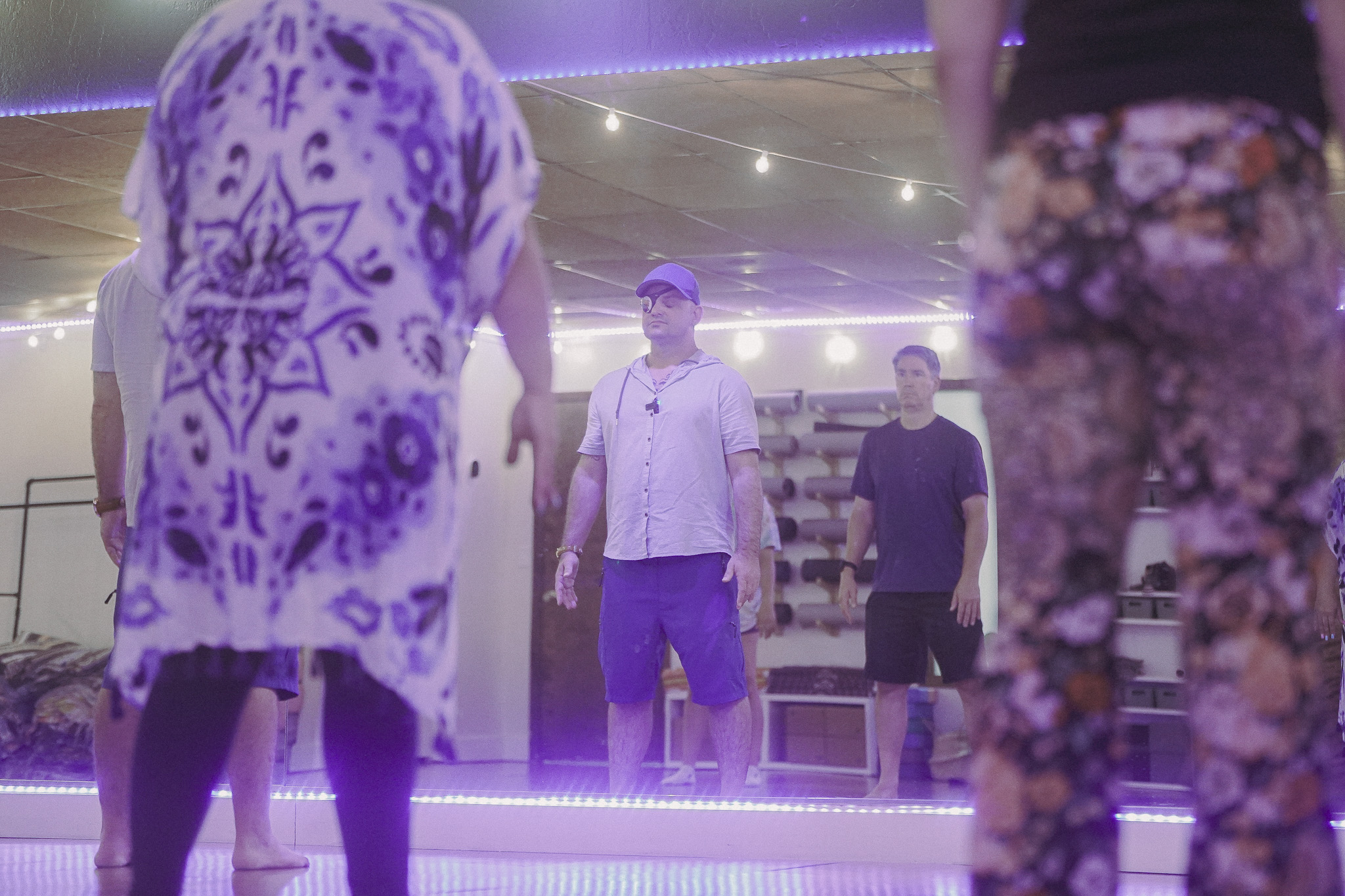
A beginner-friendly Tai Chi class allows people to learn meditation through movement, without needing prior experience.
How Tai Chi can support stress relief through moving meditation
Stress often pulls attention away from the present moment. The mind may focus on what needs to be done, what might happen next, what went wrong, or what still feels unresolved. The body may respond with tension, shallow breathing, restlessness, fatigue, or urgency. When this happens, meditation can be helpful, but stillness may not always feel accessible.
Tai Chi offers a movement-based approach to stress relief because it gives the mind and body a shared focus. Instead of trying to mentally force relaxation, the practitioner moves slowly, notices the breath, feels the ground, and returns attention to the body. This process can help interrupt autopilot and create a slower internal rhythm.
The goal is not to remove every stressor or create instant calm. A more realistic benefit is that Tai Chi can help people practice recognizing stress earlier, slowing down before reacting, and reconnecting with the body before mental noise becomes overwhelming.
Moving meditation can support stress relief by giving the body and mind a structured way to slow down together.
Stress Awareness
The slower pace can help reveal where stress is showing up physically, such as in the breath, shoulders, jaw, or posture.
Mental Focus
Movement gives attention a steady point of focus, which may help reduce the feeling of scattered mental activity.
Grounding
The feet, balance, and shifting weight provide physical anchors for returning to the present moment.
Emotional Space
The practice can help create a small pause between internal activation and automatic reaction.
Moving meditation is a practice of returning
One of the most important things to understand about meditation is that wandering attention is not a failure. The mind naturally thinks, remembers, plans, evaluates, and reacts. This is part of being human. Meditation is not the absence of distraction; it is the practice of noticing distraction and returning to the present moment.
Tai Chi makes this process visible. The mind may wander while the body is moving. A person may think about work, wonder if they are doing the movement correctly, become distracted by others in the room, or feel impatient with the slower pace. Each time this happens, the practice is to return to the movement, the breath, or the feet.
This repeated returning is what builds the meditative skill. Over time, a person may become less frustrated by distraction and more familiar with the process of coming back. This can be useful outside of class as well, because daily life constantly pulls attention away from the present moment.
The practice is not to stay perfectly focused. The practice is to notice when attention has left and return with patience.
Moving meditation can translate into daily life
The value of moving meditation is not limited to what happens during class. Over time, the awareness developed through Tai Chi can begin to appear in everyday moments. A person may notice when they are rushing through a transition, holding their breath during a stressful message, tightening their shoulders during a conversation, or reacting before they have fully understood what they are feeling.
These moments of awareness are practical. They can support communication, stress management, emotional regulation, and self-care. A person may pause before responding, feel their feet before entering a difficult conversation, or take a slower breath before making a decision. The skills practiced in movement begin to support how they move through life.
This is one of the reasons moving meditation can be valuable for people with full schedules and busy minds. It does not ask them to separate mindfulness from real life. It teaches mindfulness through the same body that works, communicates, cares for others, handles stress, and moves through daily responsibilities.
Moving meditation becomes most useful when the awareness practiced in class begins to support the way a person moves through ordinary life.
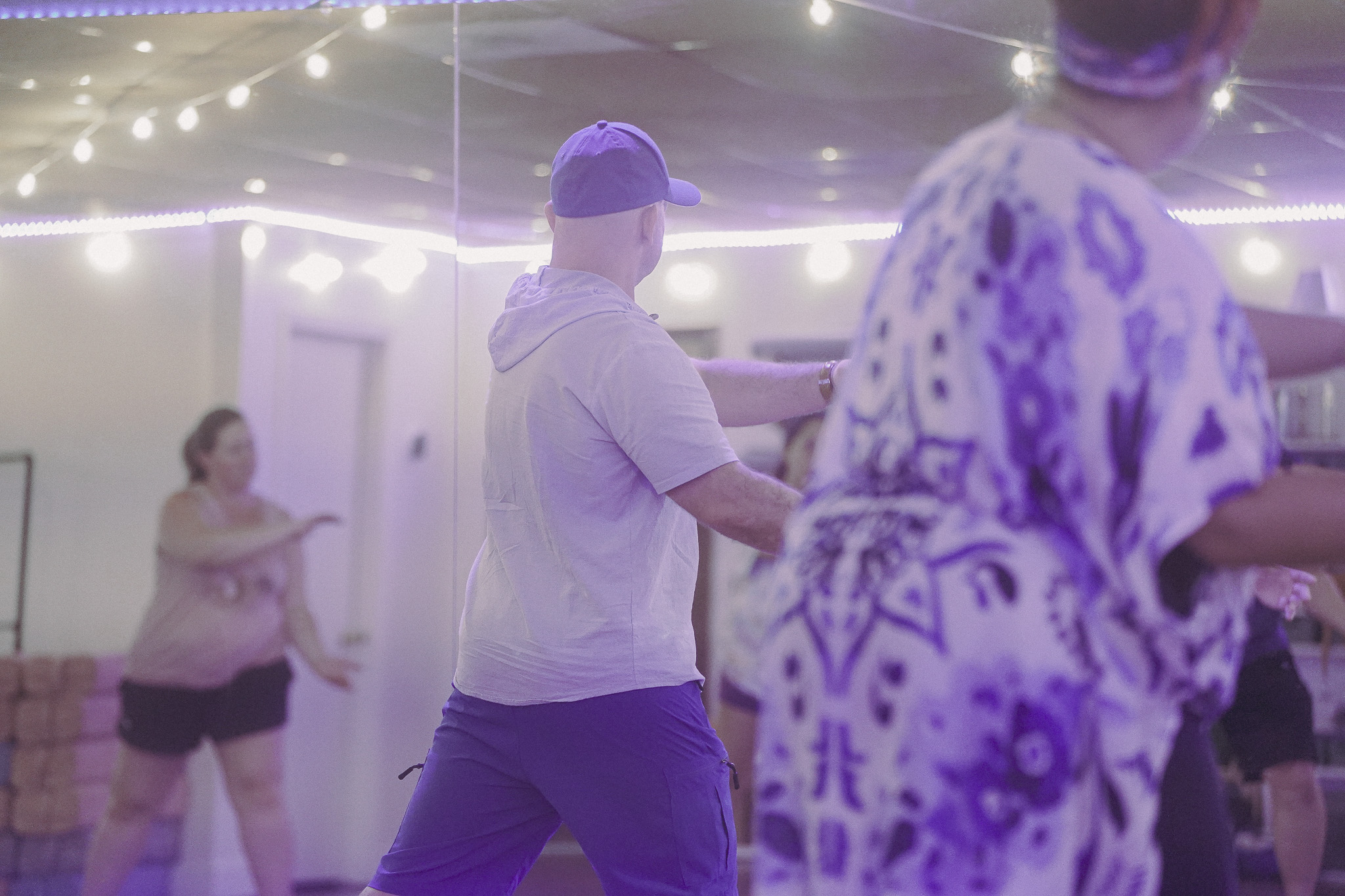
The awareness developed in Tai Chi can support daily transitions, conversations, stress responses, and moments of decision-making.
Tai Chi is not about performing peace
Some people feel intimidated by meditation because they believe they need to appear peaceful, spiritual, flexible, calm, or deeply focused. This pressure can make the practice feel inaccessible, especially for people who are stressed, emotionally full, anxious, or new to mind-body practices.
Tai Chi does not require a person to perform peace. A beginner may feel distracted, uncertain, awkward, or restless. They may forget the movement, lose balance, or notice that their mind keeps wandering. These experiences do not disqualify them from the practice. They are part of the process of learning how to return.
This is important because meditation should not become another standard people feel they have to meet. Moving meditation is not about proving that you are calm. It is about creating a consistent opportunity to practice awareness with the body you actually have and the mind you actually brought into the room.
Moving meditation does not require you to arrive peaceful. It gives you a practical way to practice presence exactly where you are.
You Can Be Distracted
Distraction is part of meditation. The practice is noticing it and returning to the body.
You Can Be New
Prior experience is not required. The practice develops through repetition and patience.
You Can Be Restless
Movement can make mindfulness more accessible when the body does not feel ready for stillness.
You Can Move Slowly
The slower pace allows awareness to develop without needing intensity or performance.
Tai Chi and The Healing Tree Collective
At The Healing Tree Collective, we understand that many people are curious about meditation but feel unsure how to begin. Some people have tried seated meditation and felt frustrated. Others assume they cannot meditate because their mind feels too busy. Many people are carrying stress in their bodies and need a practice that helps them reconnect without adding pressure.
Tai Chi fits naturally into our approach because it offers a beginner-friendly way to explore meditation through movement. It invites people to slow down, feel the body, notice the breath, and practice awareness through physical experience. It does not require prior knowledge, advanced flexibility, or a perfectly calm mind.
Our mission is to create accessible wellness spaces where people can heal, grow, and reconnect with themselves through practices that feel supportive, educational, and real. Tai Chi supports that mission because it helps people understand that meditation is not only something done in stillness. It can also be practiced through movement, breath, grounding, and the willingness to return.
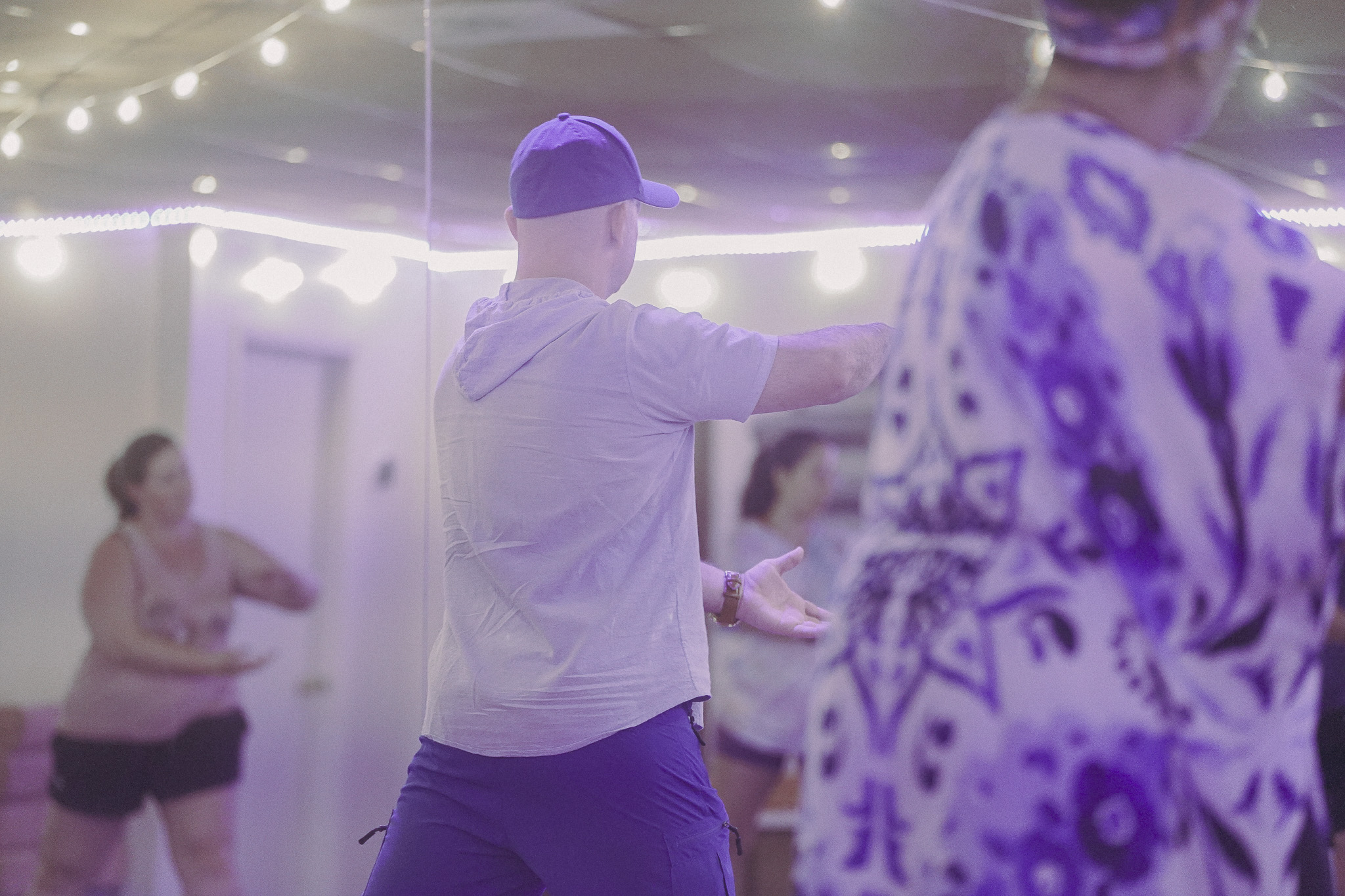
At The Healing Tree Collective, Tai Chi is offered as a practical form of moving meditation: a way to build presence, body awareness, and steadiness through gentle movement.
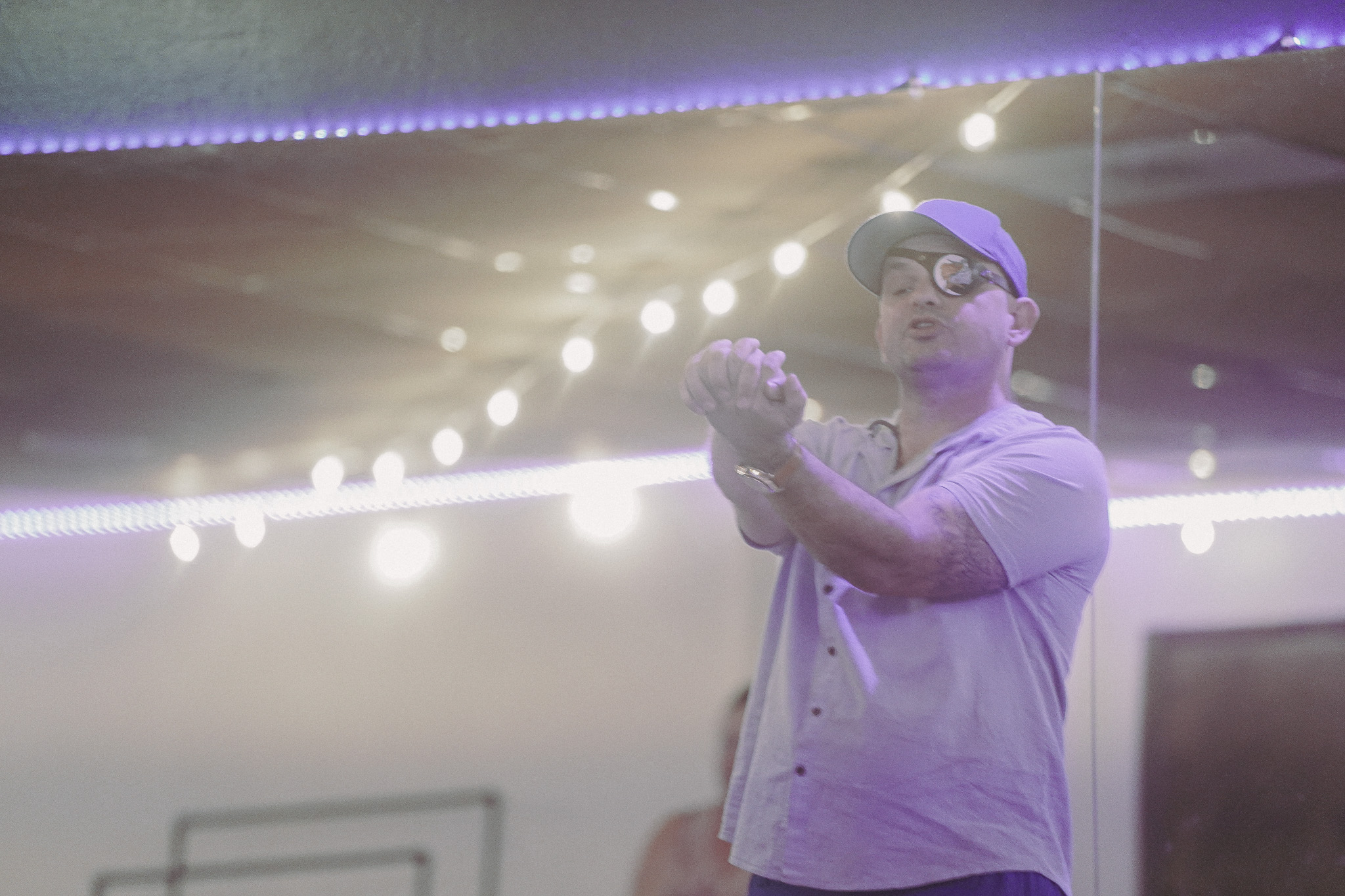
Final thoughts: meditation can happen through movement
Moving meditation expands the way people understand mindfulness. It shows that meditation does not always require sitting still, closing the eyes, or emptying the mind. For many people, meditation becomes more accessible when the body is gently involved and attention has something physical to follow.
Tai Chi supports moving meditation by combining slow movement, breath awareness, grounding, balance, posture, and mindful transitions. The practice gives the mind a clear place to return and gives the body a structured way to participate in awareness.
For people who feel restless, mentally busy, disconnected from the body, or unsure how to begin meditating, Tai Chi can offer a practical and beginner-friendly pathway. The practice is not about perfection. It is about returning to the present moment through the next breath, the next movement, and the body beneath you.
Tai Chi helps you meditate through movement by turning each breath, step, shift, and transition into an opportunity to return to awareness.
Looking for moving meditation in Tempe, Arizona?
At The Healing Tree Collective, our beginner-friendly wellness classes are designed to support stress relief, mindfulness, body awareness, and deeper connection. If you are curious about Tai Chi, moving meditation, gentle movement, or mind-body practices, you are welcome to begin here.